



Pitaya Seeds – Moonlit Blossoms and Tropical Jewels for the Garden
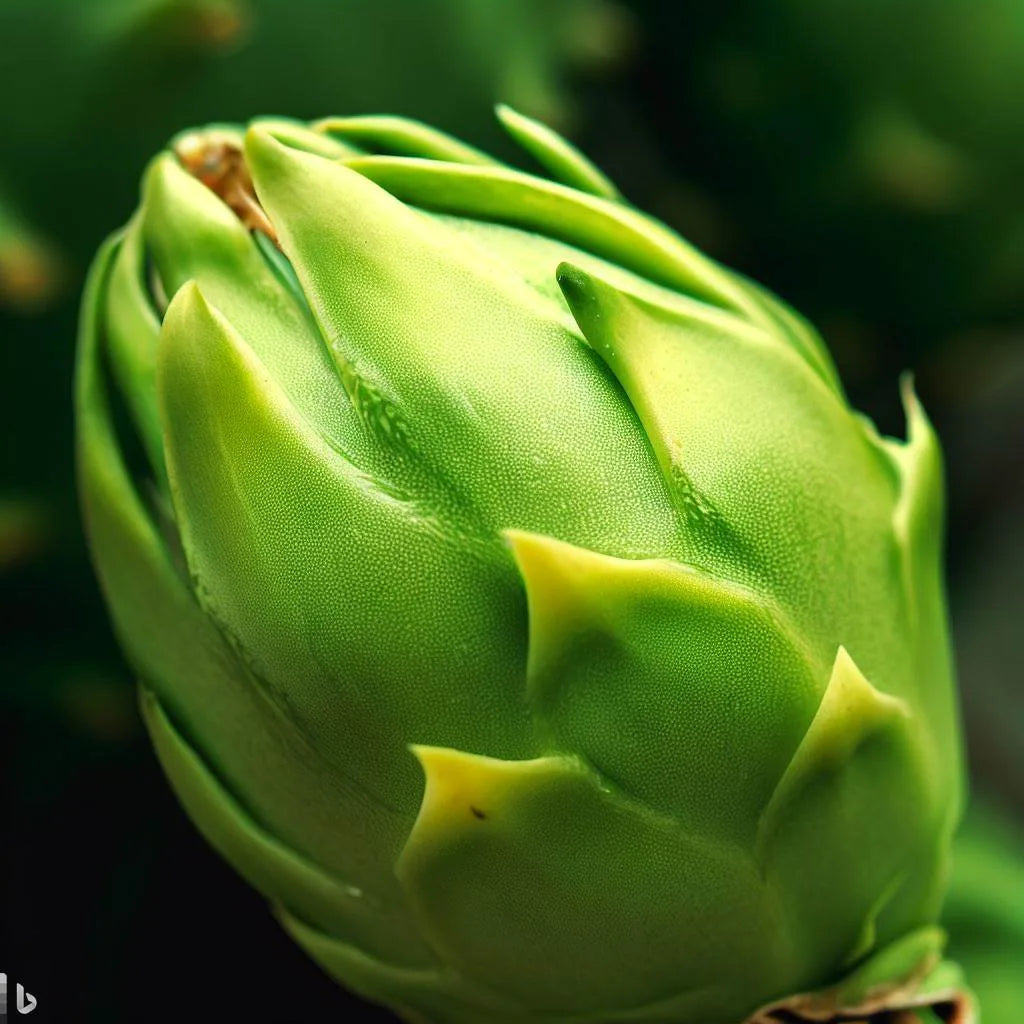
Pitaya brings an enchanting tropical spirit to the home landscape. Its sculptural climbing cactus stems rise over sturdy supports, while spectacular flowers unfold like pale stars in the evening. Later, brilliantly colored fruits create a storybook scene reminiscent of warm nights and lush tropical garden retreats.
Pitaya Seeds are available at evergrowseeds.com from Evergrow Seeds for gardeners who enjoy unusual fruiting plants with dramatic ornamental character. Pitaya commonly refers to dragon fruit produced by climbing cactus species, particularly species in the genus Selenicereus.
Browse Our Pitaya Seeds
Pitaya plants are especially admired for their extraordinary flowers. The large blossoms are commonly creamy white, ivory, or pale yellow-white, often surrounded by greenish outer segments. Many open during the evening or nighttime, creating dramatic seasonal interest.
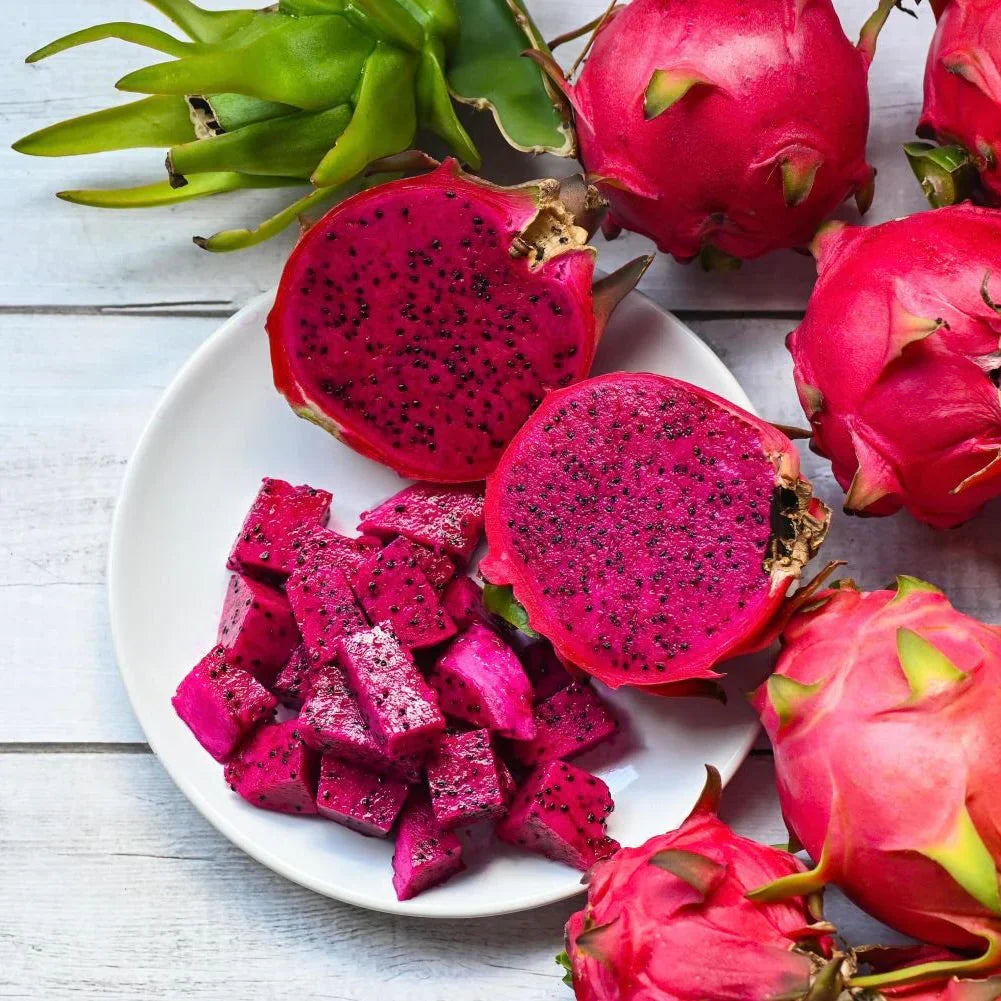
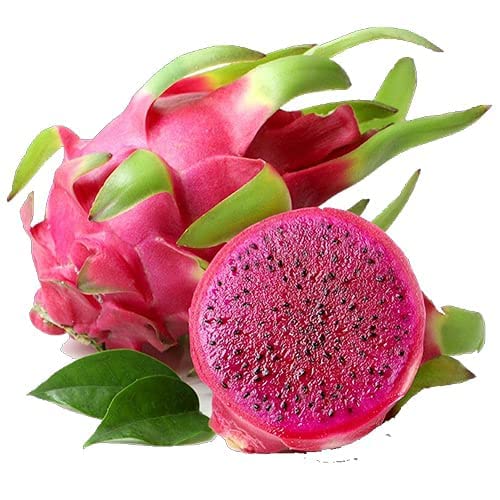
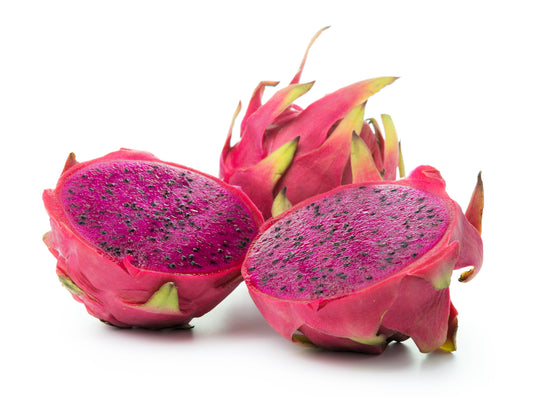
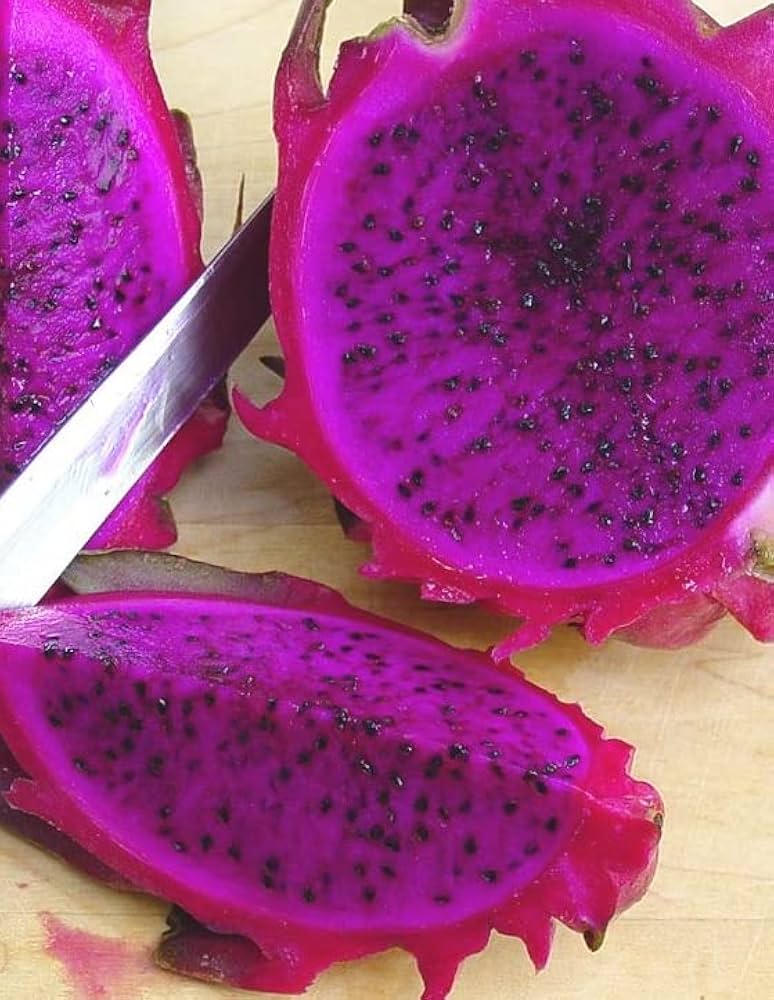
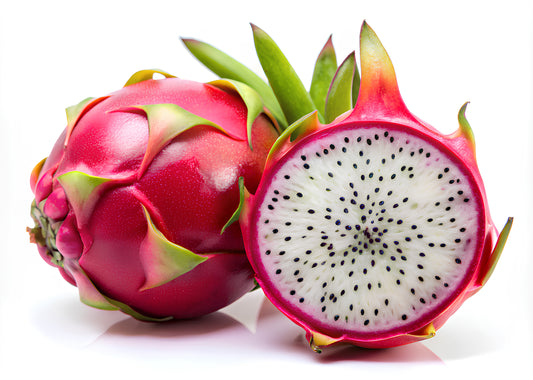
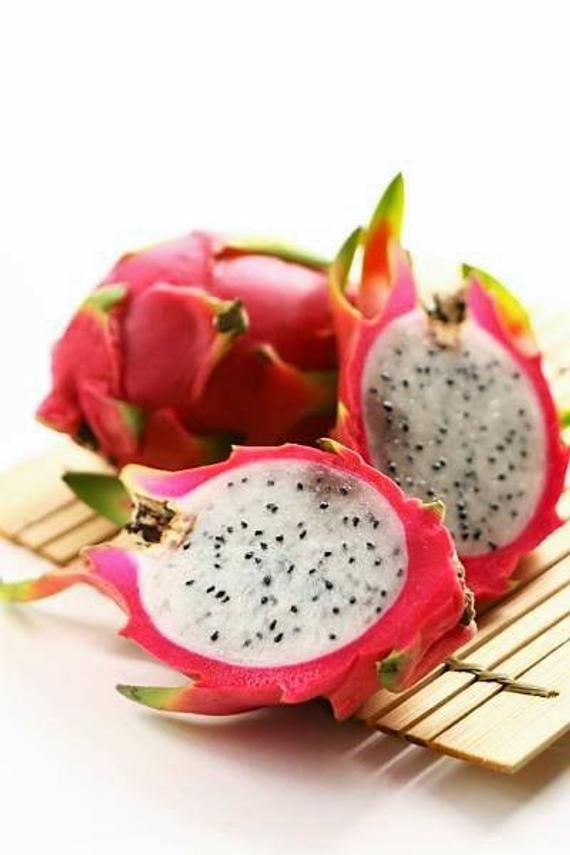
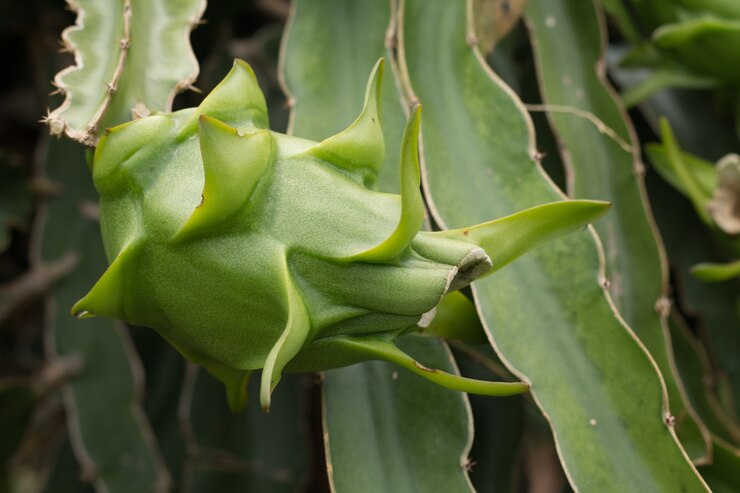
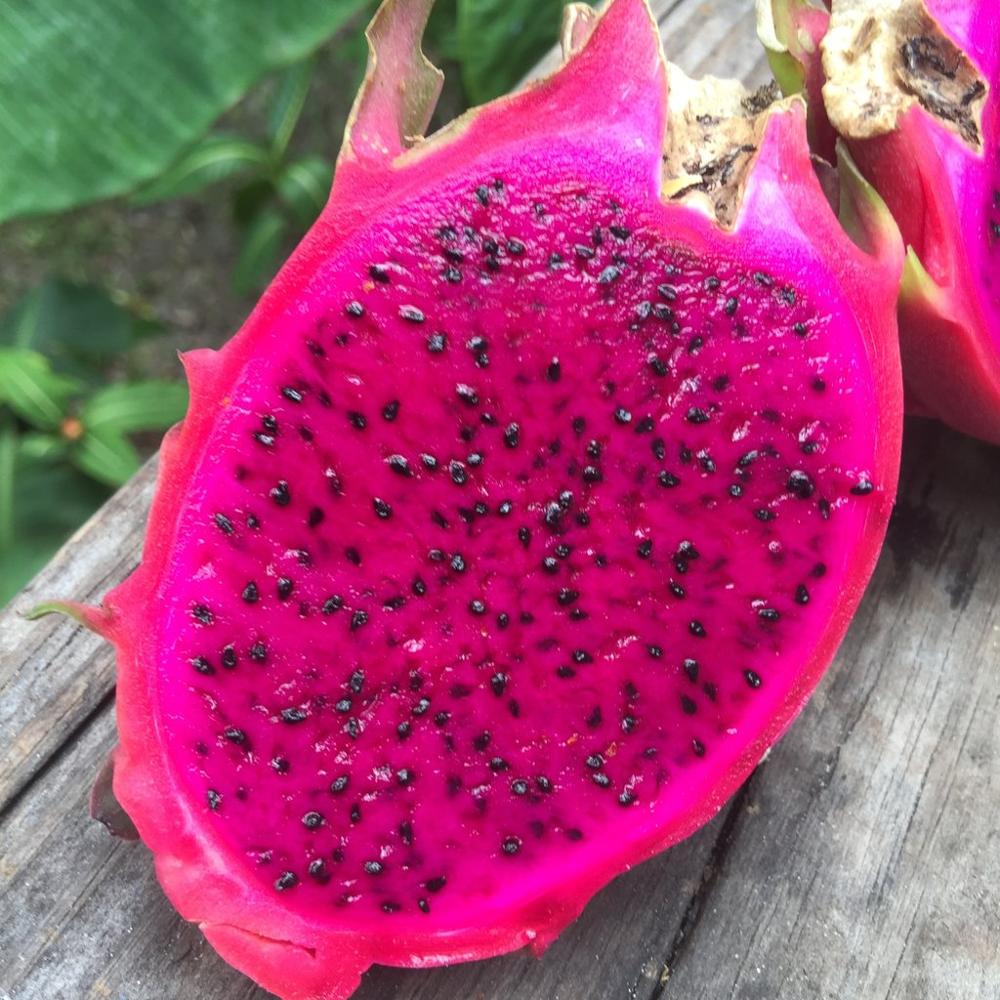
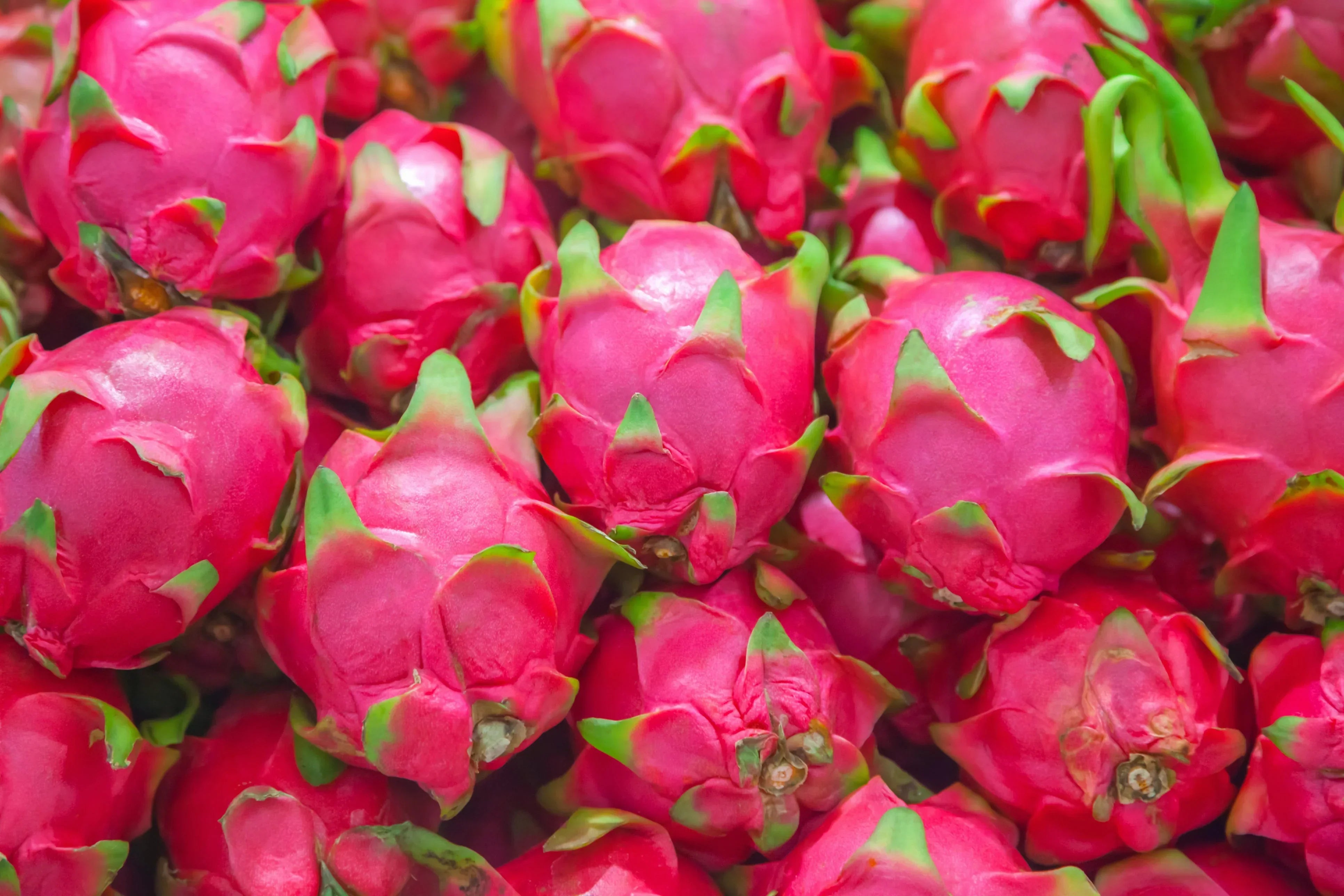
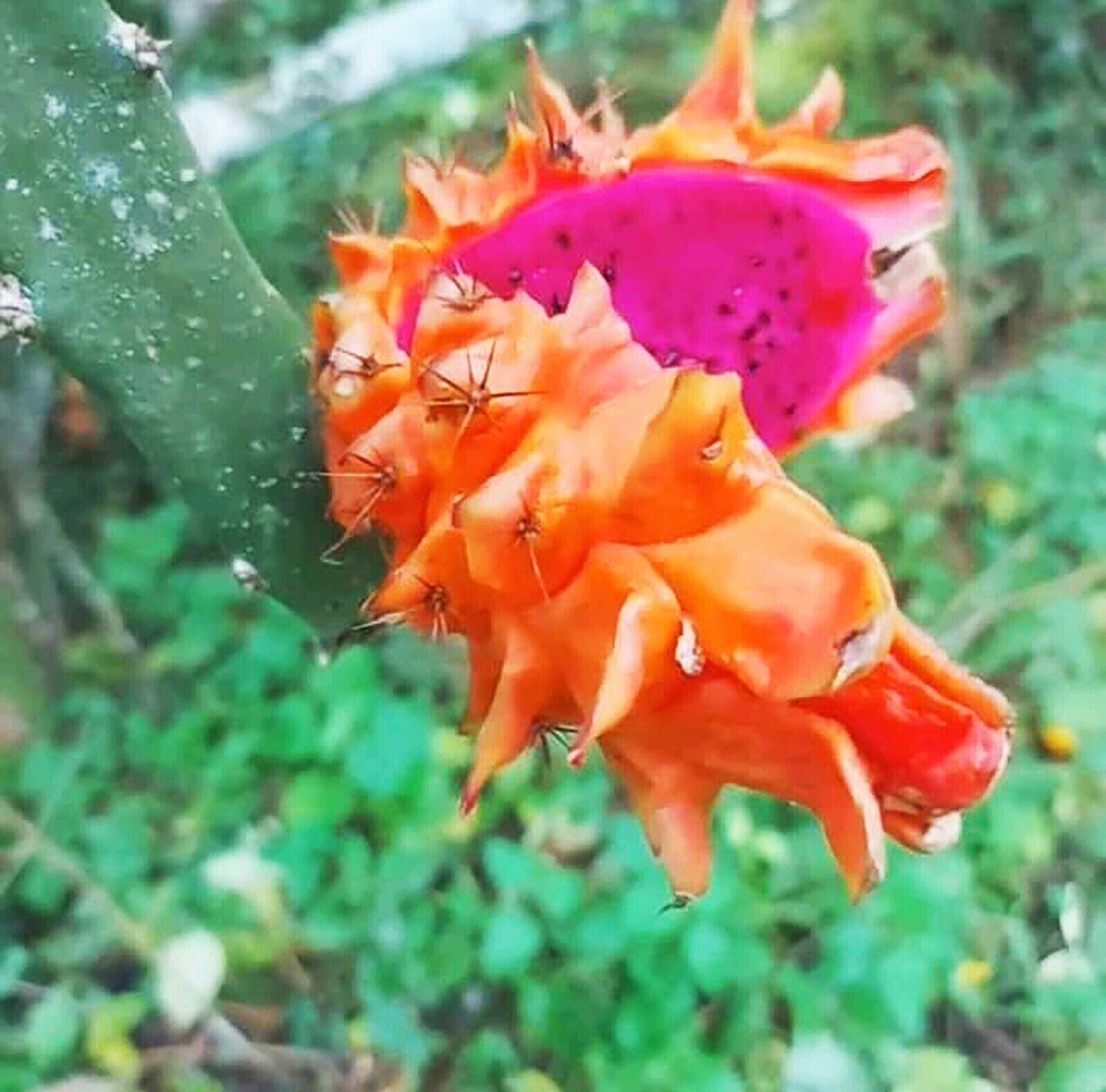
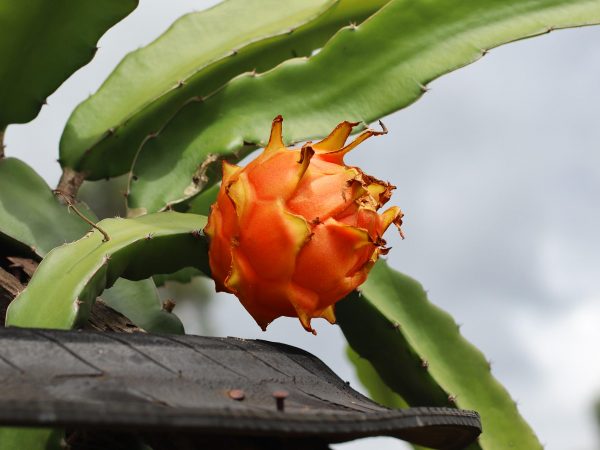
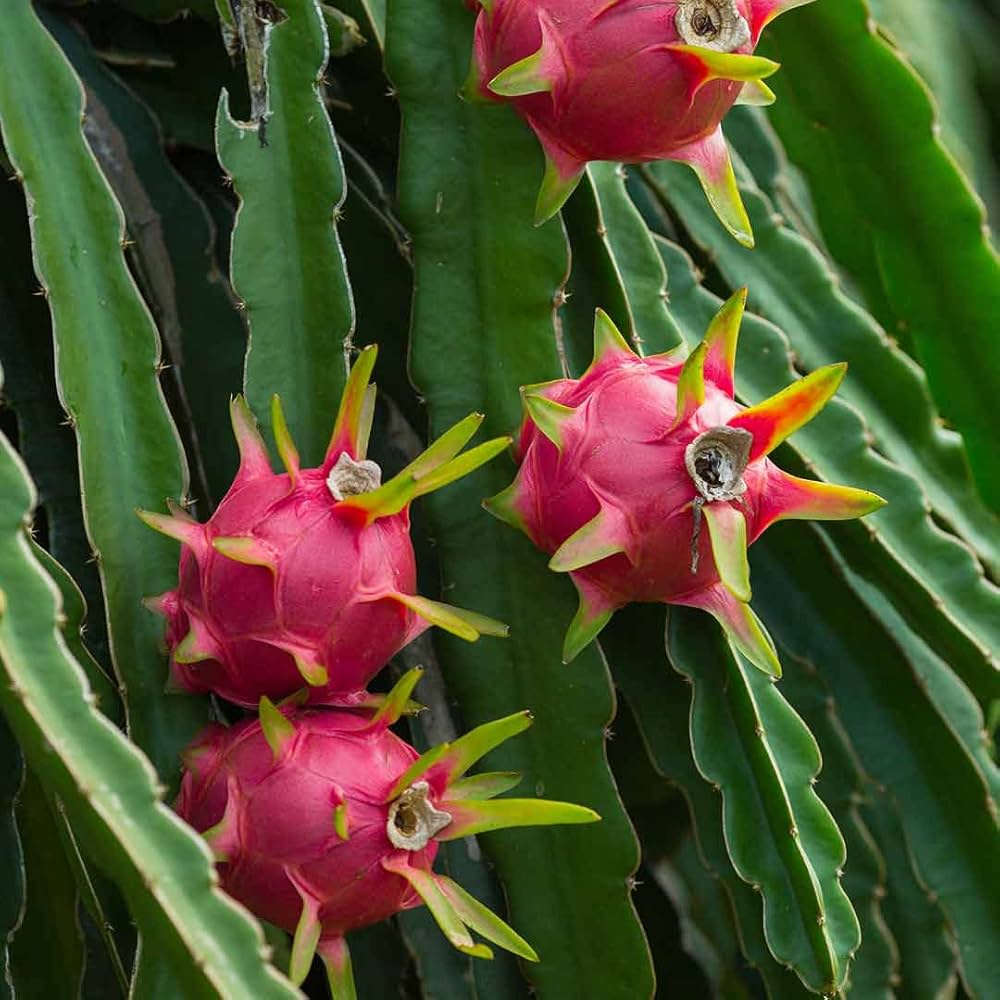
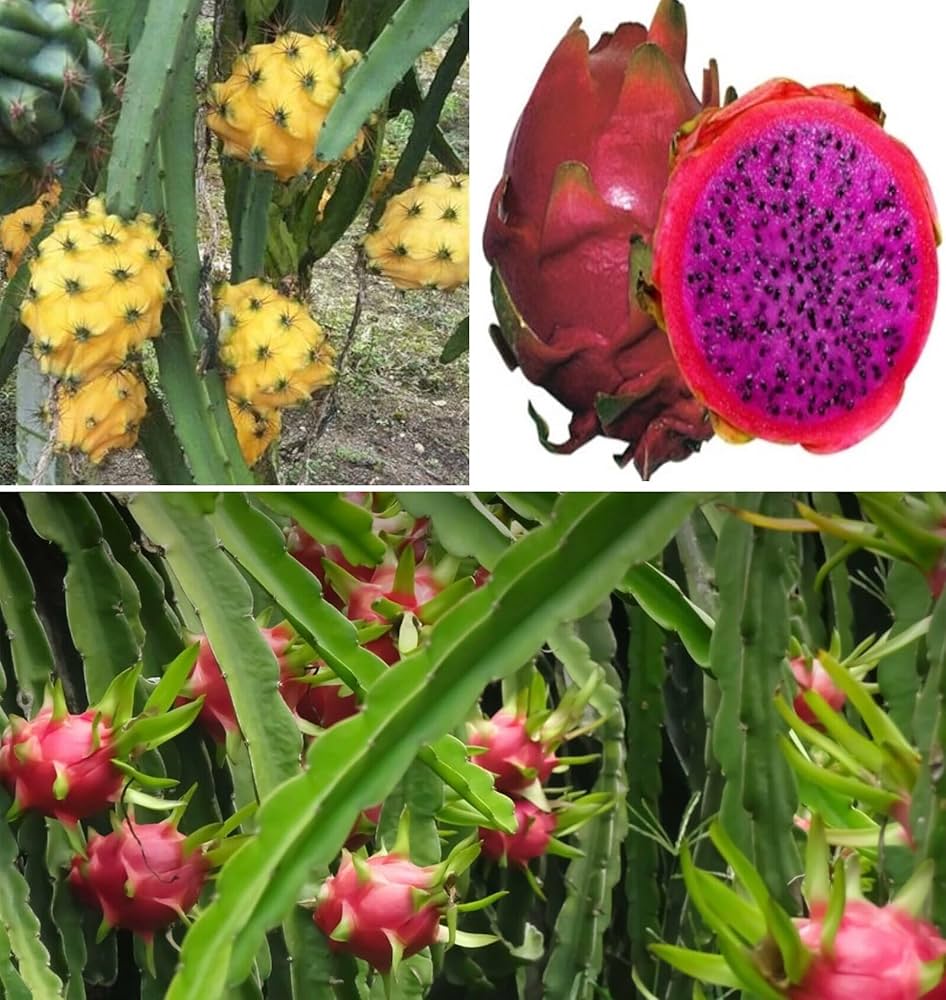
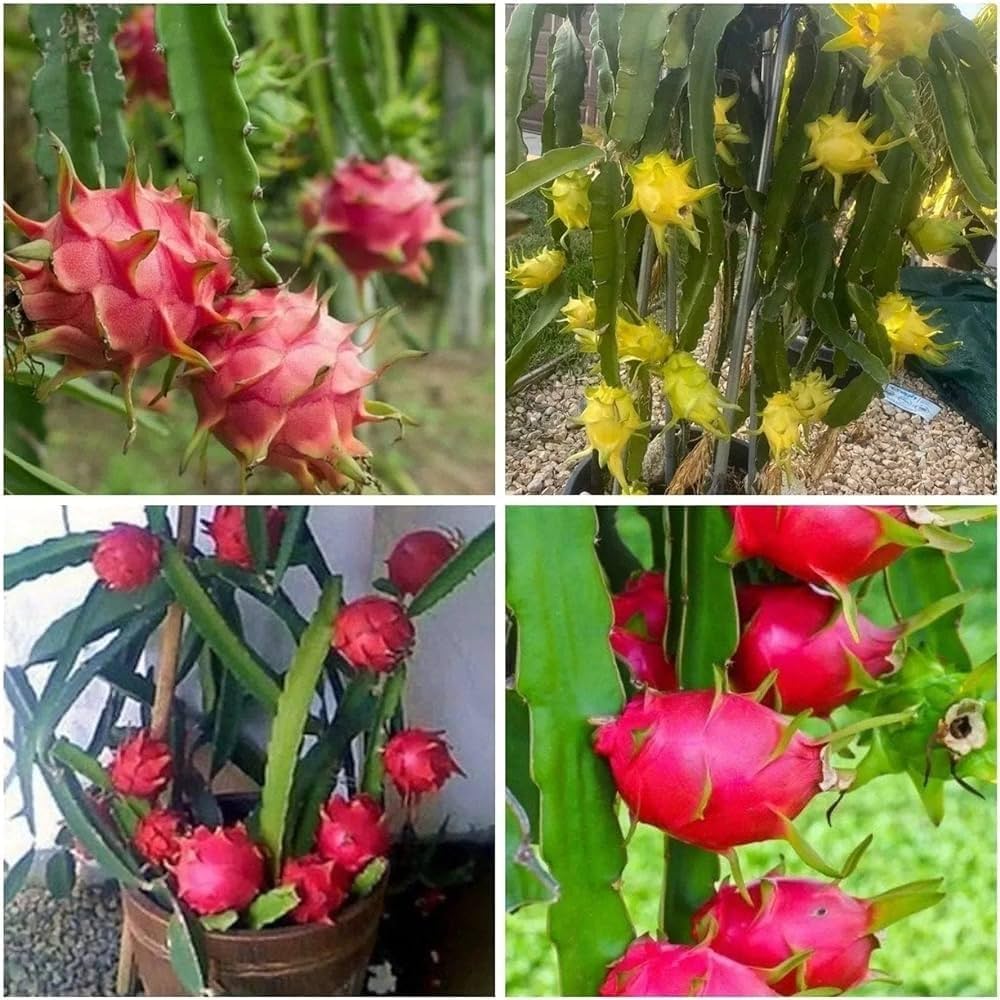
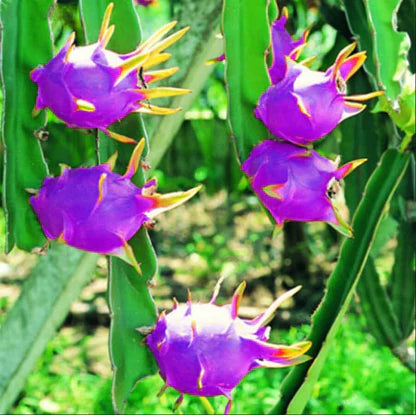
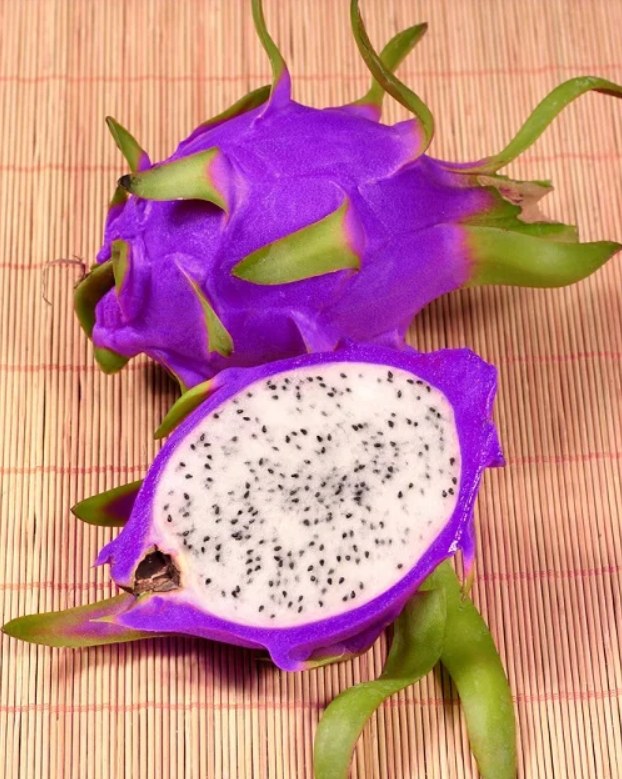
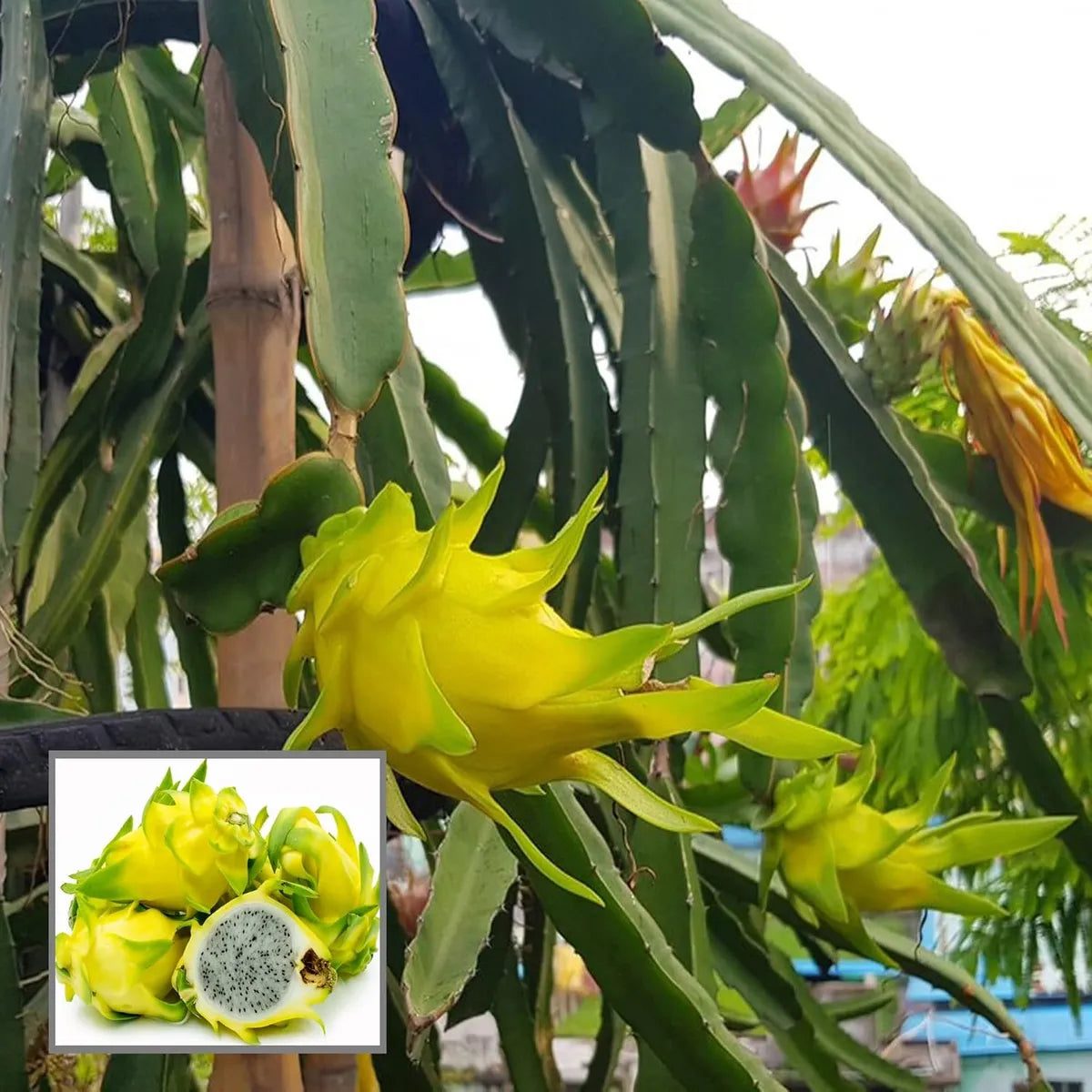
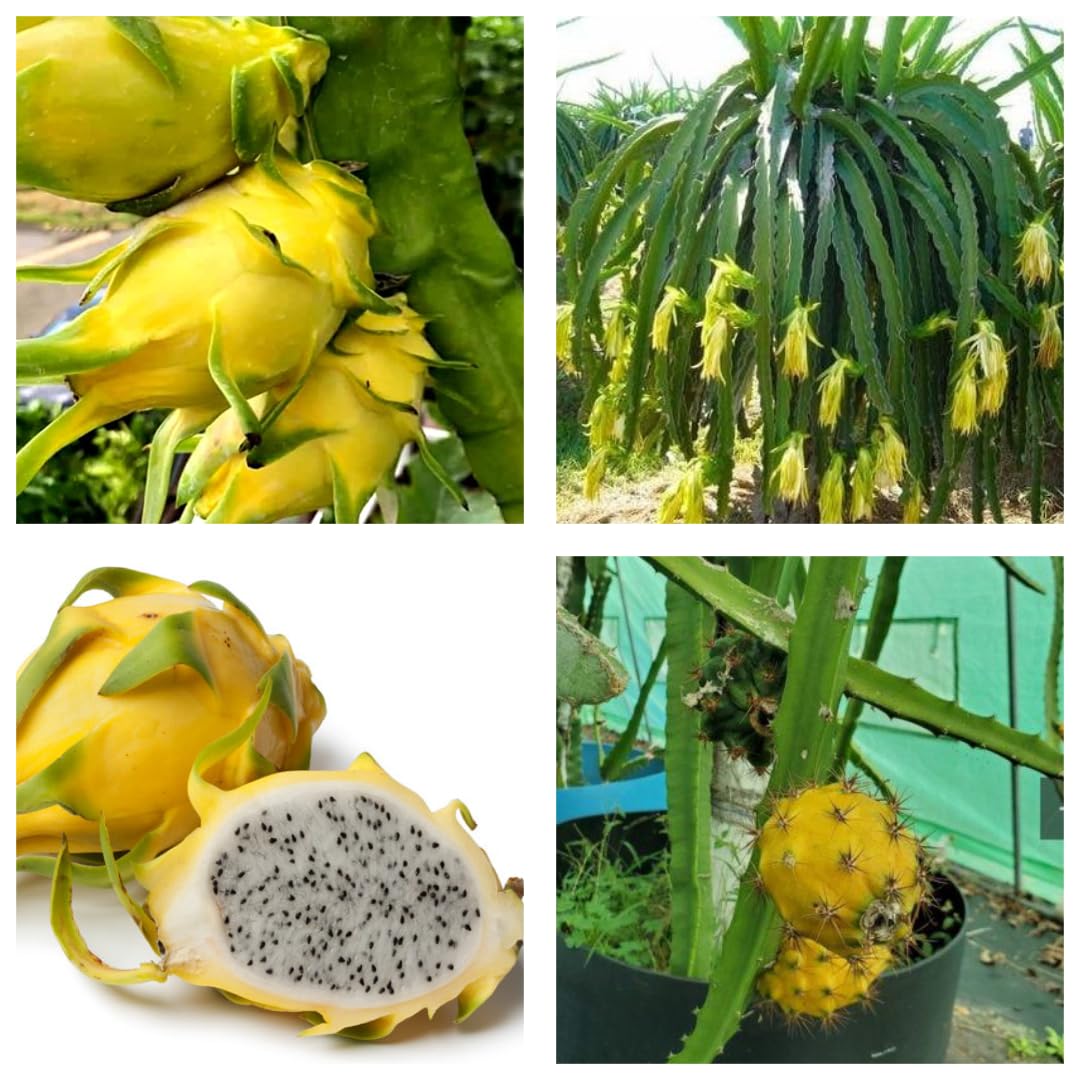
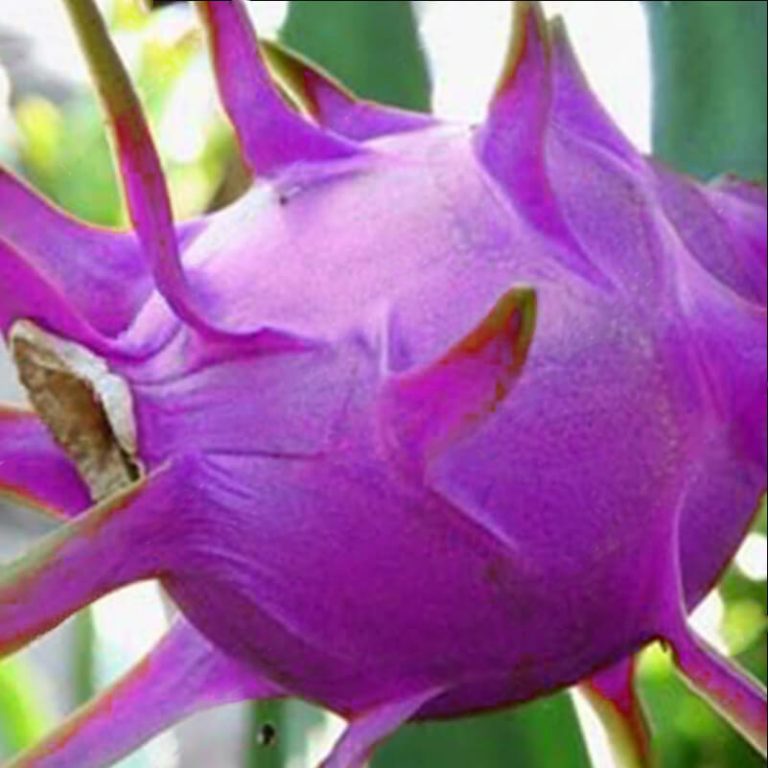
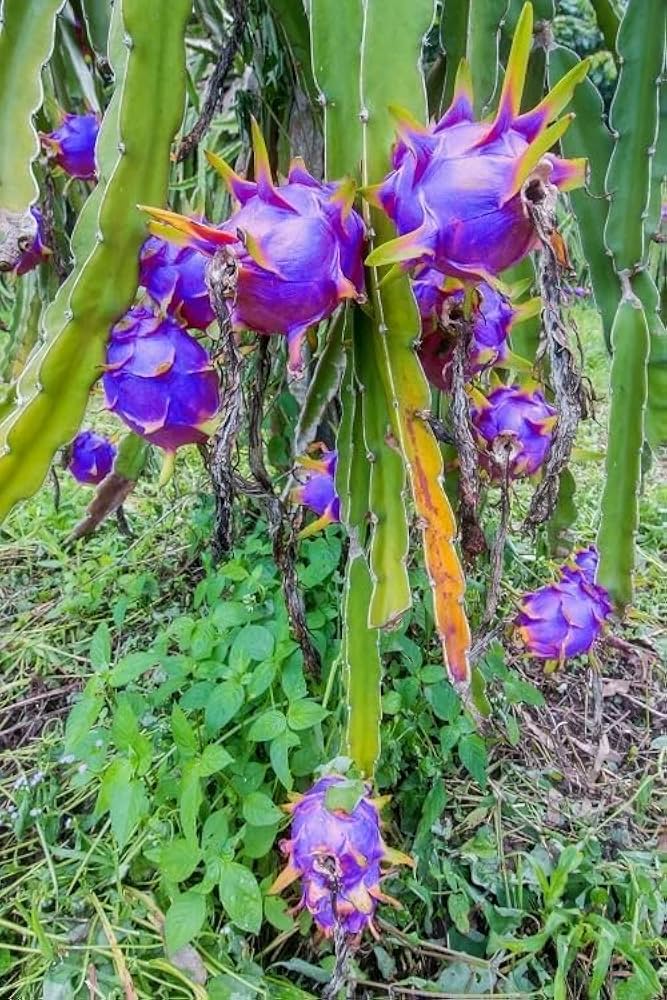
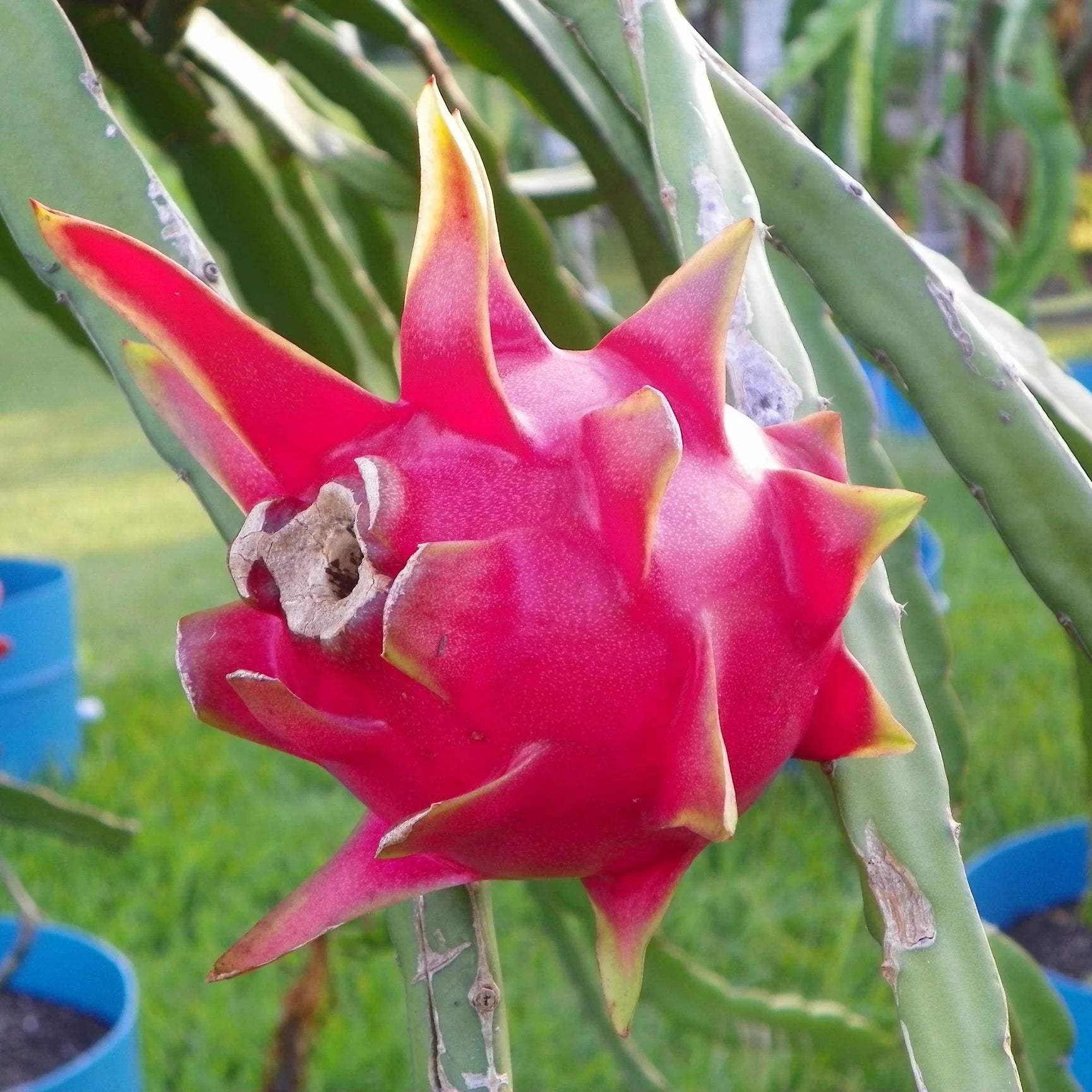
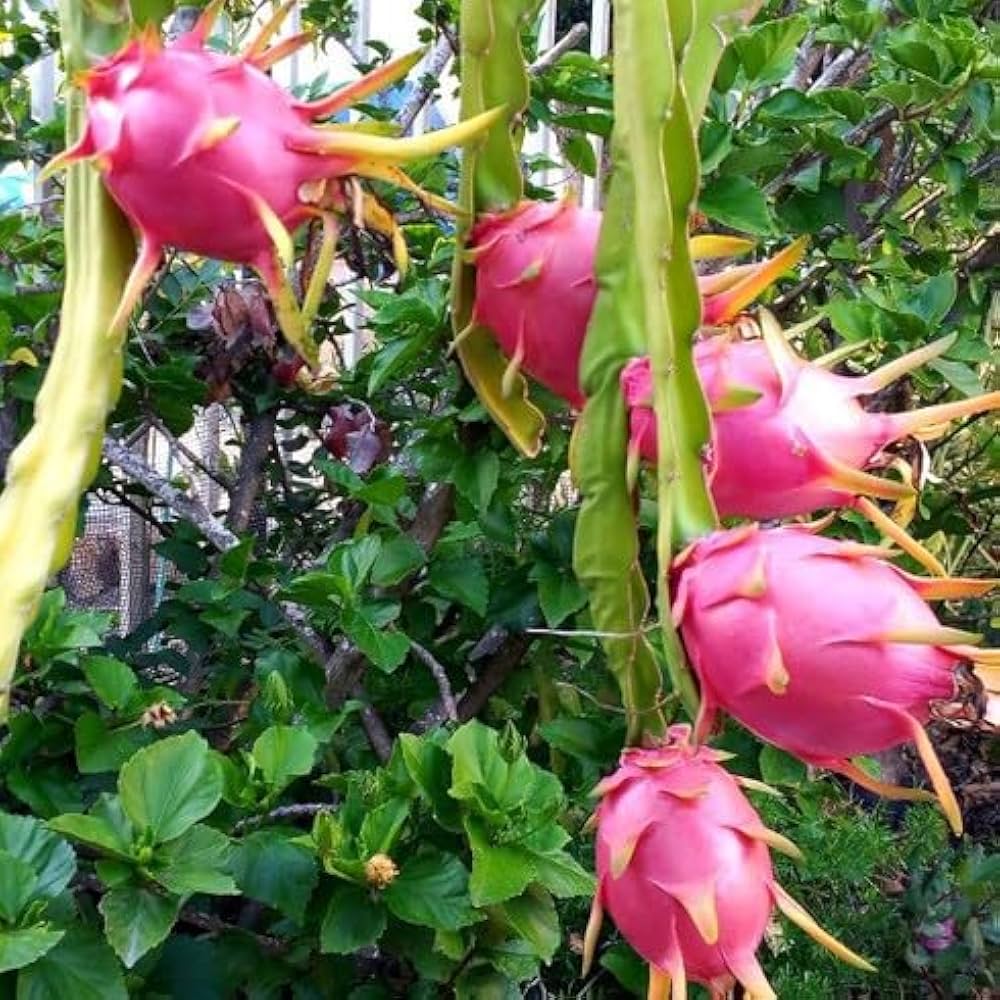
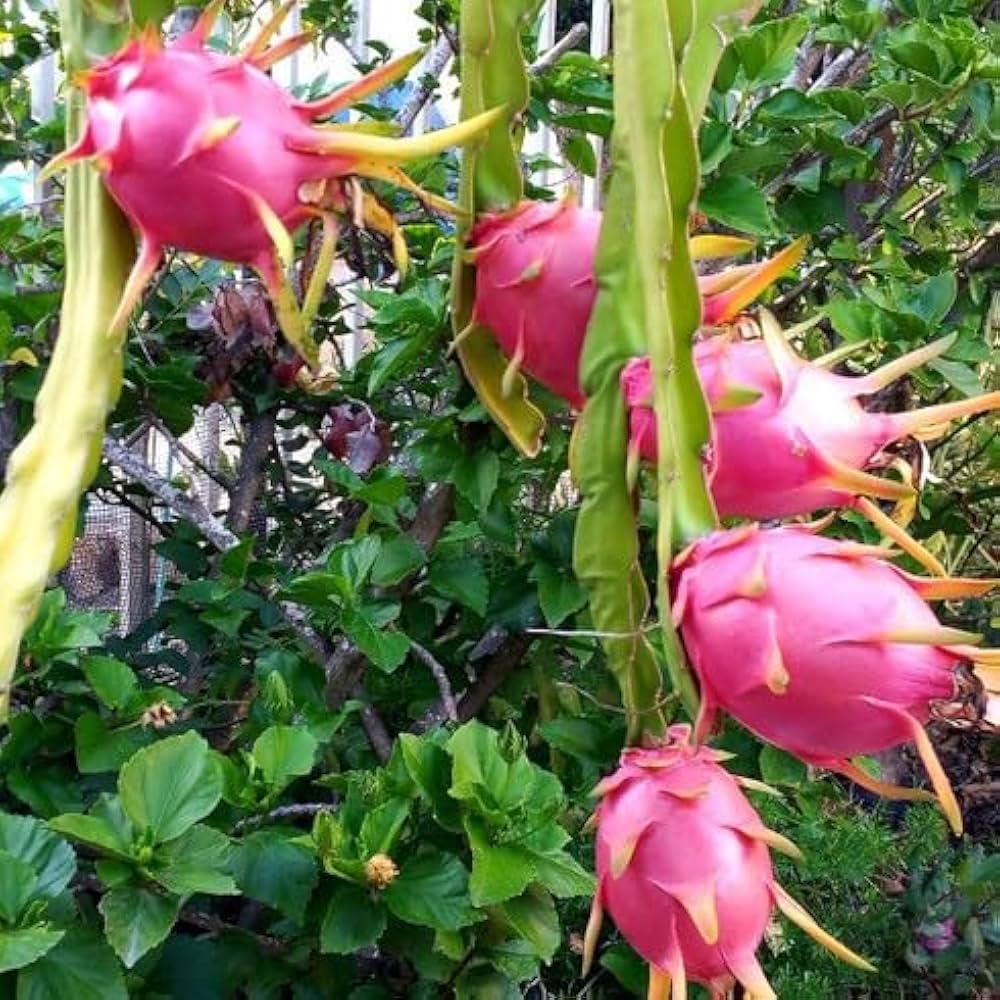
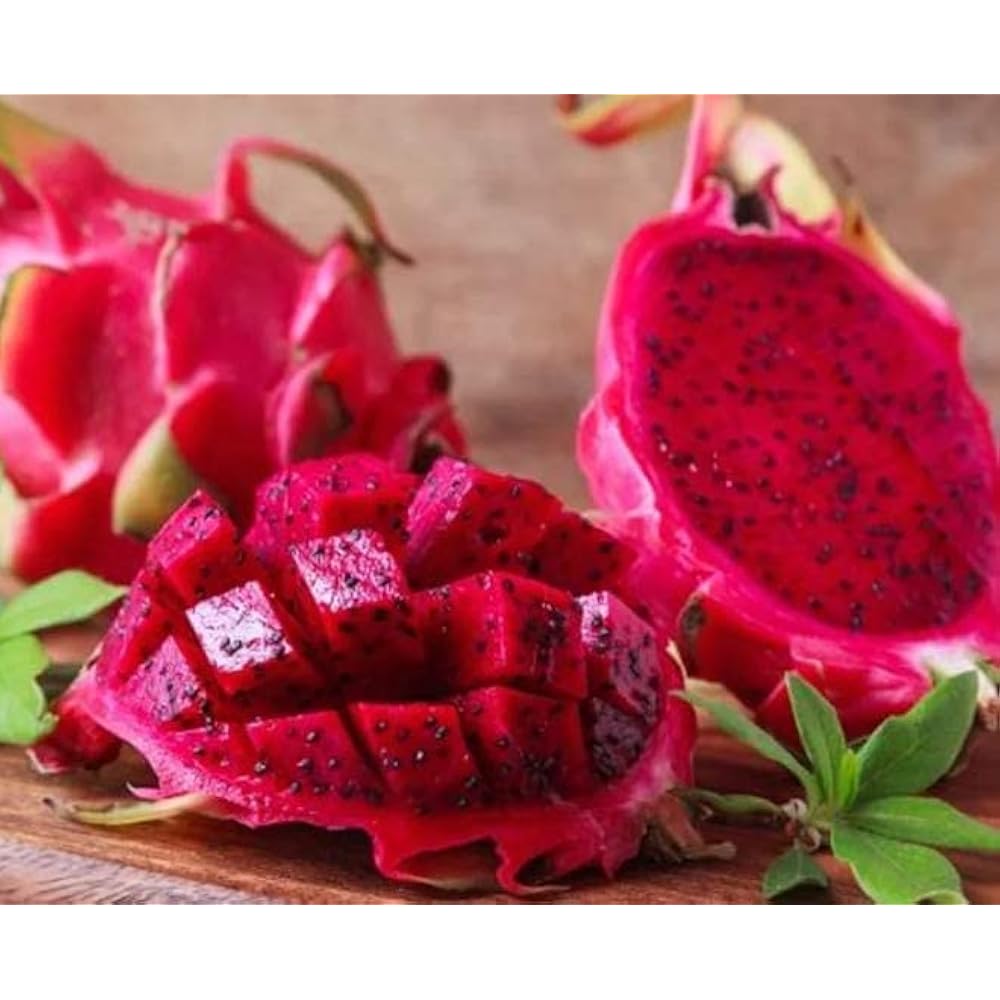
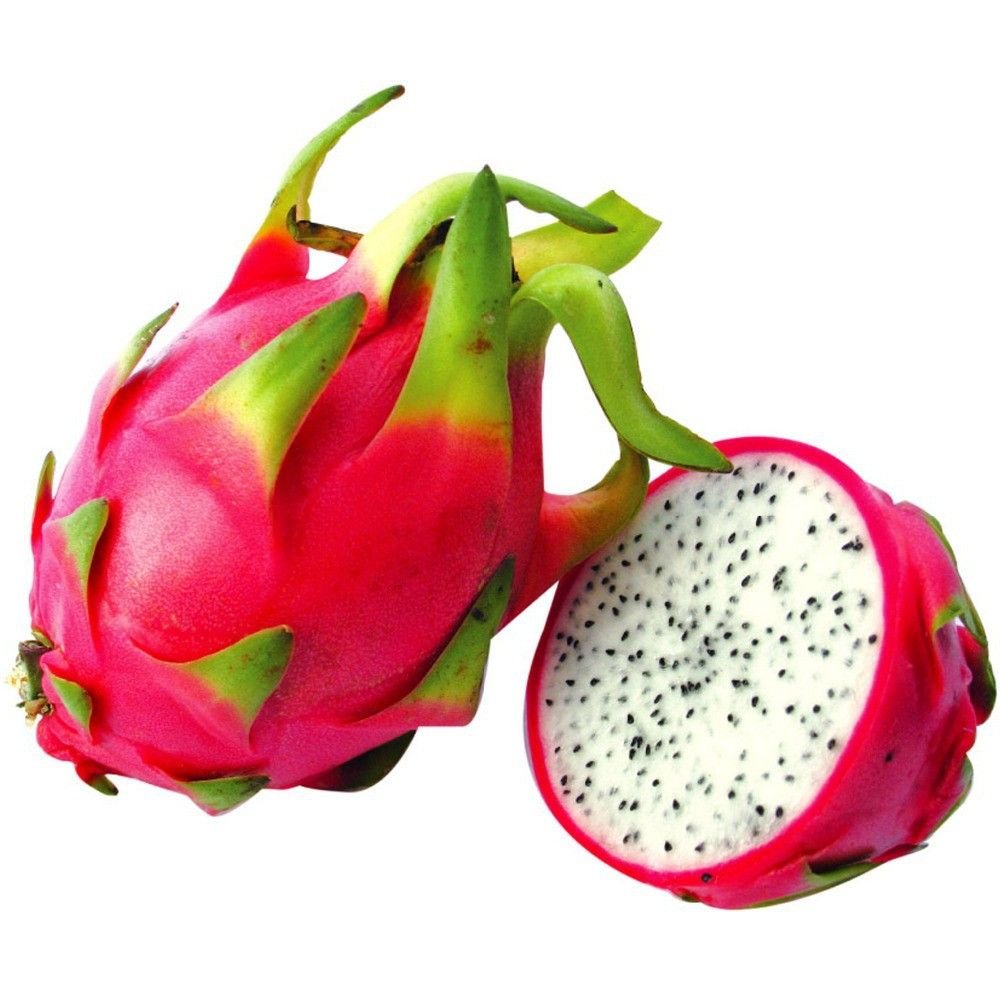
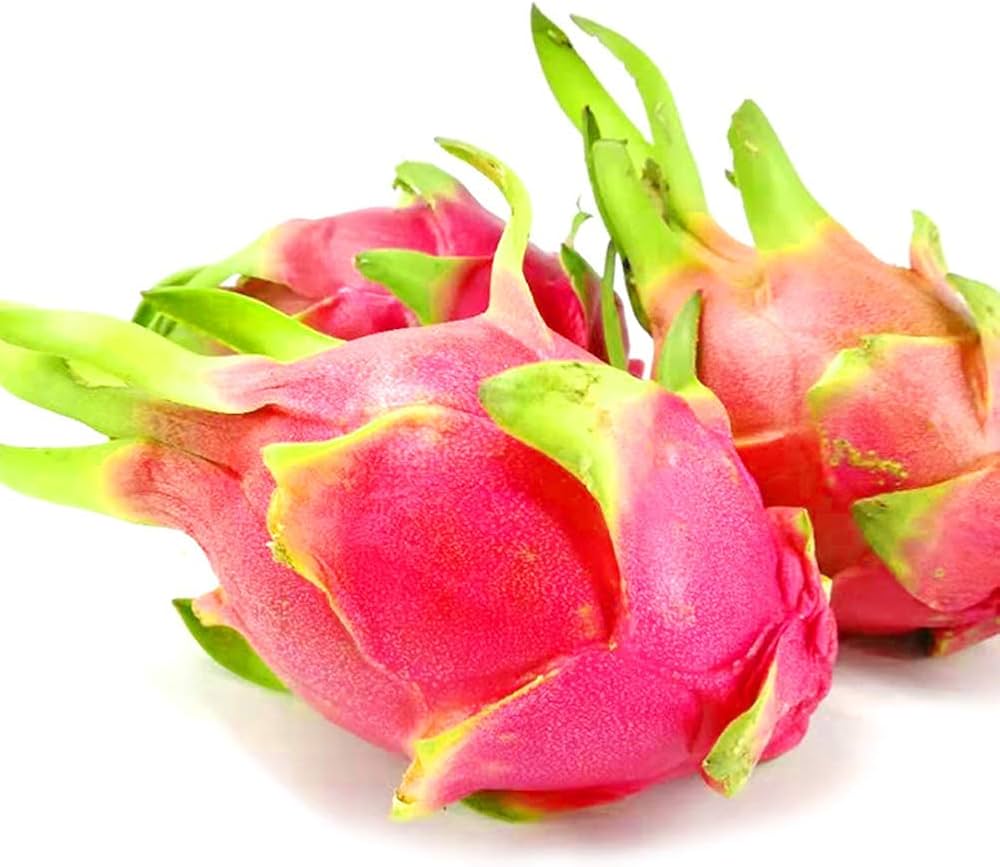
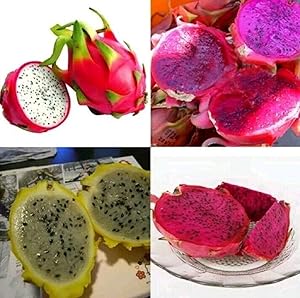
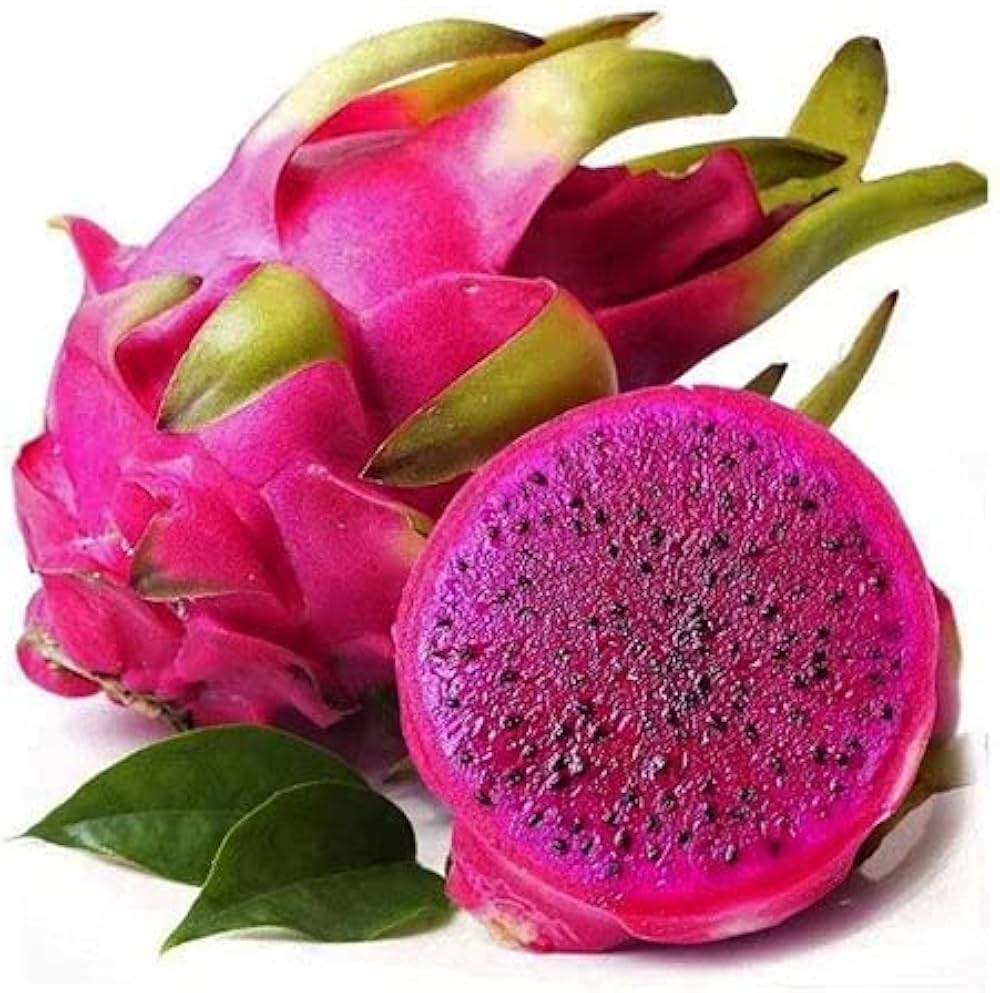
Pitaya fruits display remarkable color variation depending on species and cultivar. Their outer skin may mature to vivid pink, magenta, crimson-red, or yellow. The interior flesh can be snowy white, pale pink, bright pink, red, or deep magenta and is typically dotted with numerous tiny black seeds.
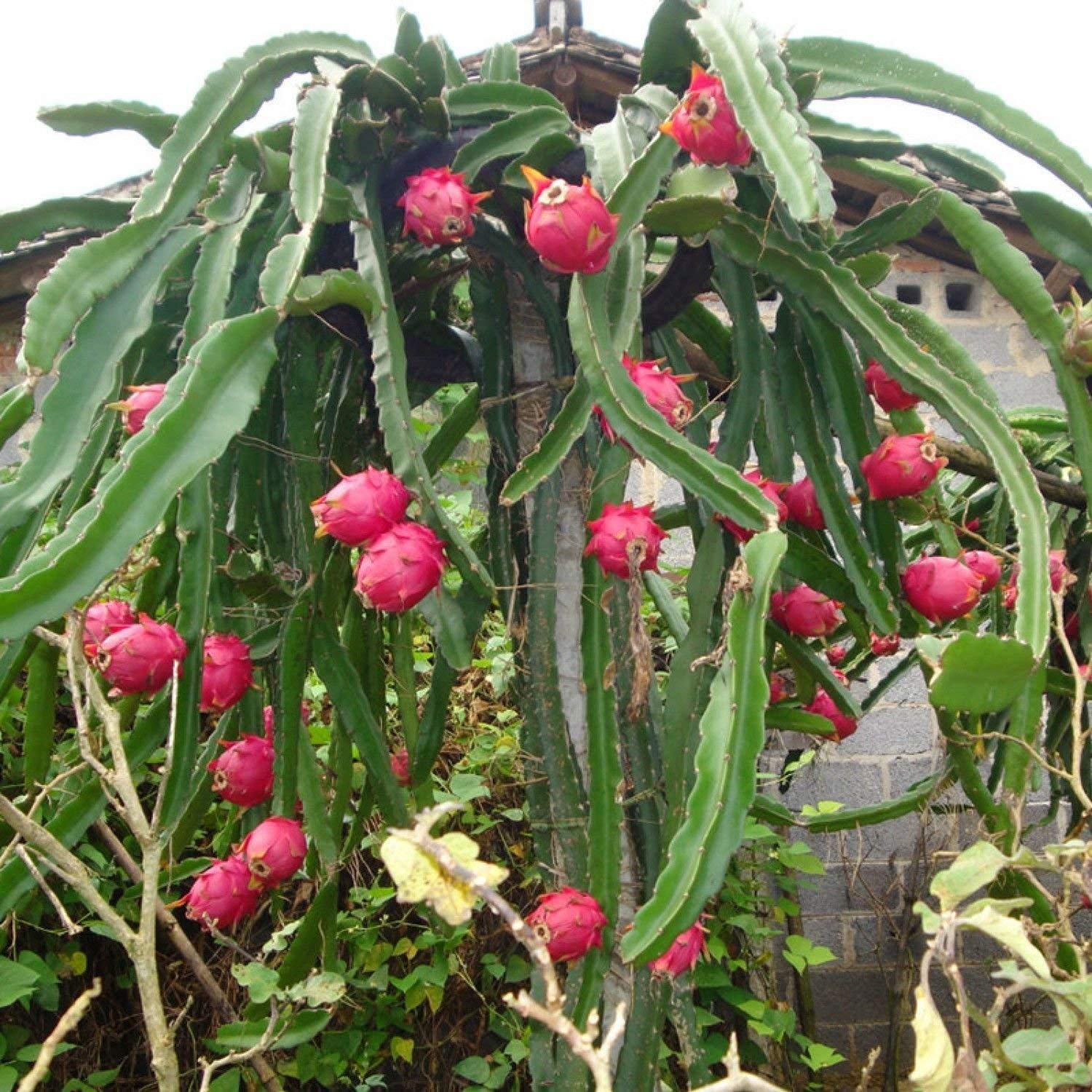
Their climbing stems, spectacular flowers, and jewel-toned fruits make Pitaya plants striking focal points for tropical-inspired edible landscapes, sunny patios, trellises, and warm cottage-style gardens.
Plant Care Insights
Sunlight: Provide abundant bright sunlight, with protection from extreme afternoon heat where necessary.
Soil: Grow in loose, fast-draining soil appropriate for tropical climbing cacti.
Watering: Water thoroughly when needed, allowing good drainage and avoiding constantly saturated roots.
Companion Plants: Compatible warm-climate plants can grow nearby when adequate airflow and root space are maintained.
Maintenance: Provide a strong post, trellis, or similar structure for support. Guide climbing stems as they mature, remove damaged growth, and thin overcrowded branches to maintain airflow.
Frequently Asked Questions
What climate is suitable for Pitaya?
Pitaya generally favors tropical and warm subtropical growing conditions.
Protect plants from frost, freezing temperatures, and prolonged severe cold.
How large do mature Pitaya plants become?
Pitaya develops long climbing cactus stems that require sturdy structural support.
Final spread depends on species, training method, and available growing space.
Does Pitaya require pruning?
Selective pruning helps control crowded stems and maintain manageable plant structure.
Remove damaged or excessive growth while retaining healthy productive branches.
Are Pitaya and Dragon Fruit the same?
Pitaya is a common name used for several dragon fruit cactus species.
Exact fruit color and plant characteristics depend on species and cultivar.
Shop By Category