




Peppermint Seeds for Planting – A Fragrant Cottage Garden Favorite
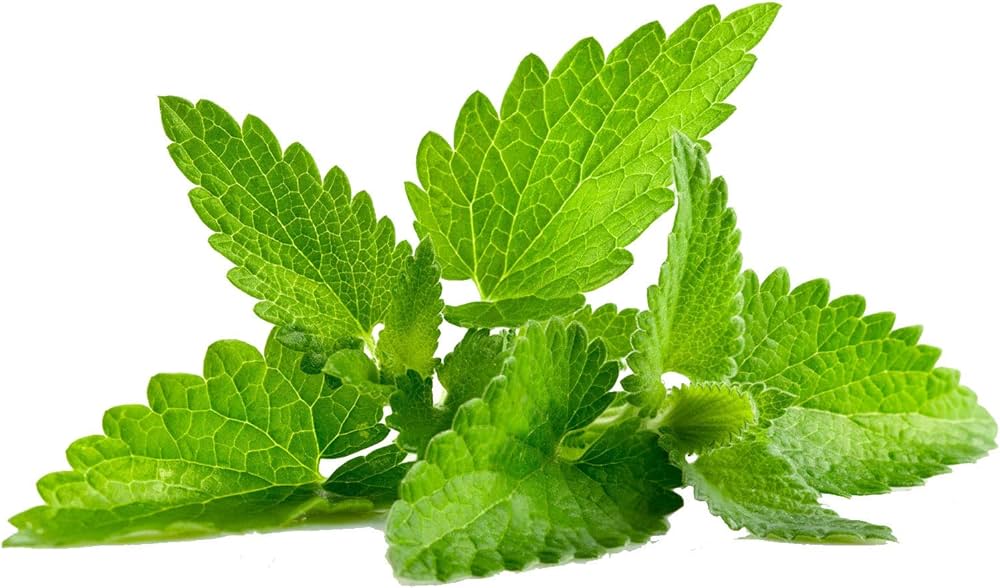
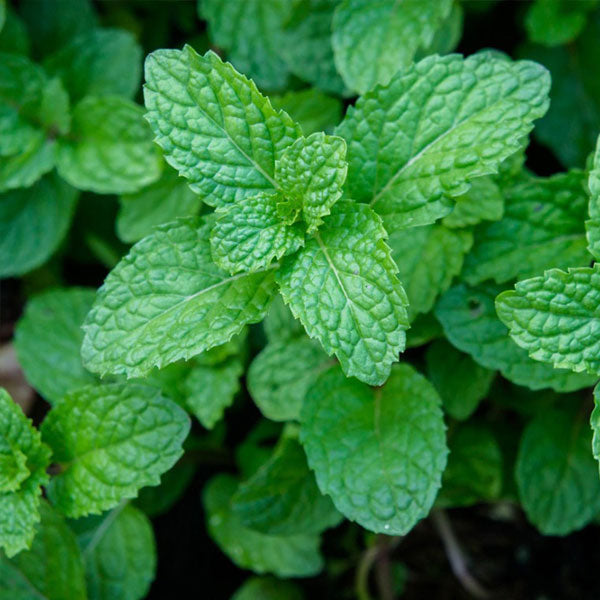
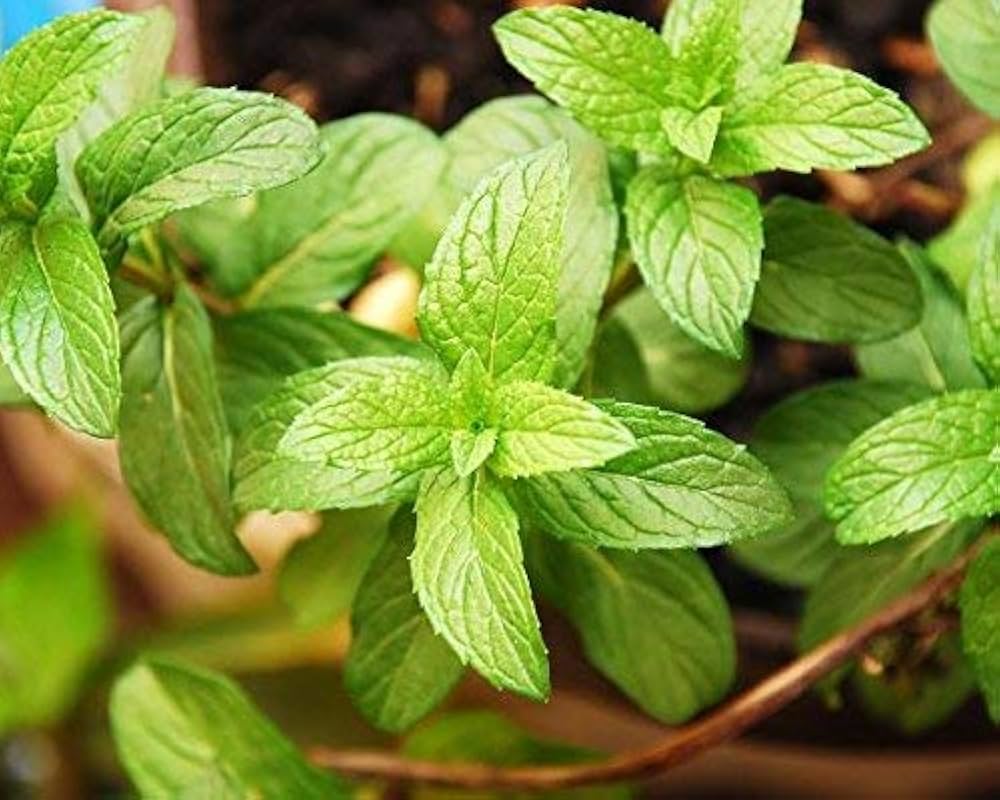
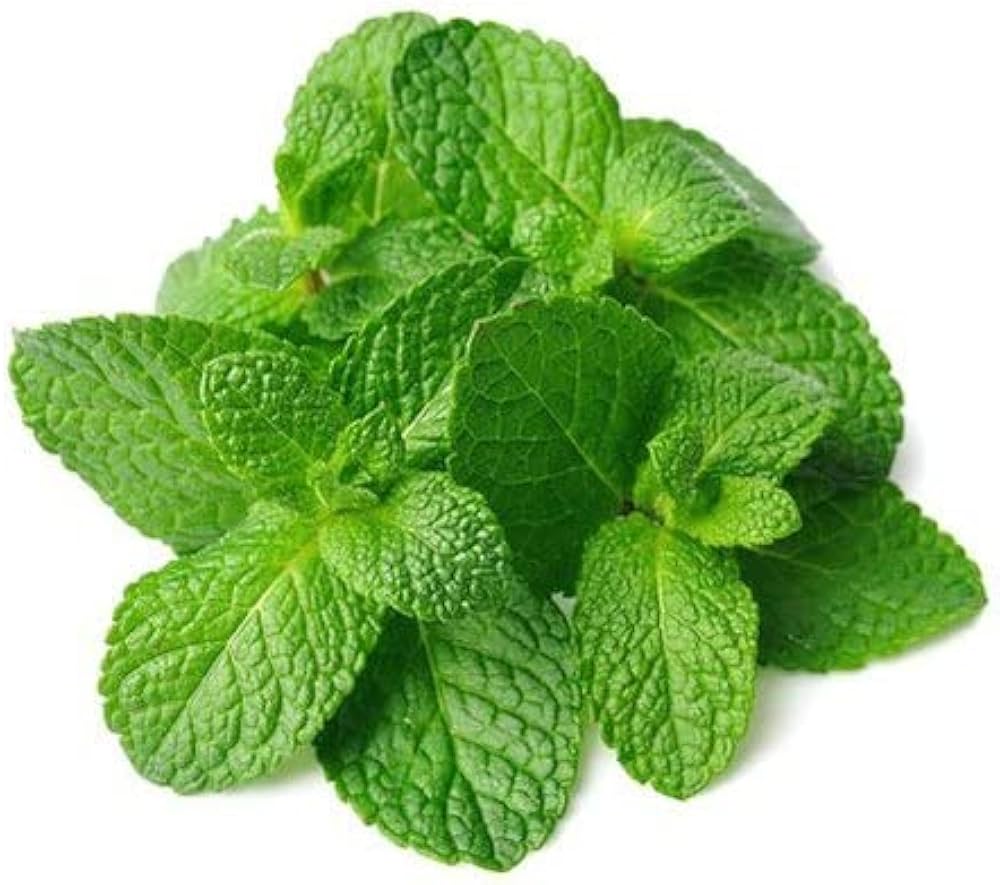
There is something wonderfully nostalgic about brushing past peppermint and discovering its crisp fragrance lingering in the air. Its rich green leaves and naturally spreading habit bring an informal softness to herb gardens, pathways, and cottage-inspired plantings, creating the relaxed character of a garden meant to be enjoyed slowly.
Peppermint Seeds from Evergrow Seeds are available at evergrowseeds.com for US home gardeners who appreciate fragrant herbs with practical culinary uses. Peppermint can add fresh greenery to dedicated herb beds and informal garden spaces while complementing the romantic, slightly untamed appearance of a traditional cottage garden.
Browse Our Peppermint Seeds
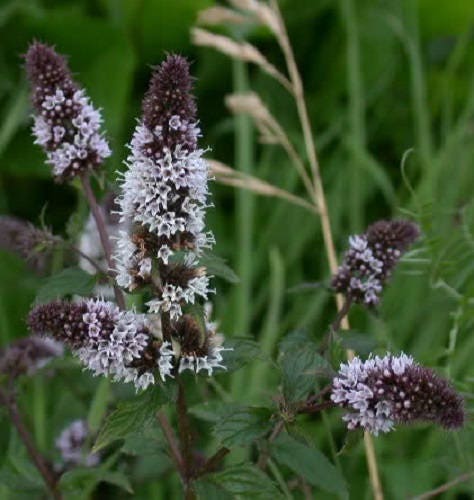
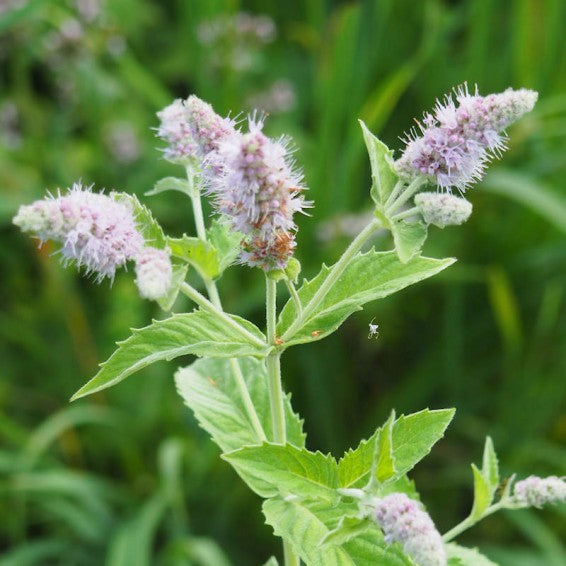
Peppermint is primarily treasured for its deep to medium-green aromatic foliage, but established plants can also produce small flower clusters. Depending on growing conditions, the delicate blooms may appear in soft lavender, pale purple, pinkish-purple, or subtle lilac shades.
These understated flowers pair naturally with classic cottage-garden colors. Peppermint can bring texture to herb gardens, edible landscapes, informal borders, and dedicated mint areas where its spreading growth can be managed appropriately.
Plant Care Insights
Sunlight
Peppermint generally performs well in full sun to partial shade, depending on regional summer temperatures.
Soil
Choose fertile, well-drained soil that retains moderate moisture without remaining continuously waterlogged.
Watering
Maintain reasonably consistent soil moisture, particularly during warm or dry weather.
Companion Plants
Peppermint can grow near compatible herbs and flowering plants, although its spreading habit should be considered when planning neighboring plants.
Maintenance
Trim vigorous stems when necessary to maintain the desired shape and prevent peppermint from spreading beyond its intended garden area.
Frequently Asked Questions
Does peppermint grow well in different US climates?
Peppermint adapts to many temperate regions throughout the United States.
Seasonal growth and winter dormancy vary according to local climate conditions.
How large can mature peppermint plants become?
Peppermint develops leafy upright stems and spreads through underground runners.
Mature size depends on variety, soil conditions, and available garden space.
Should peppermint plants be pruned regularly?
Periodic trimming helps maintain compact growth and manage vigorous spreading.
Removing older stems can also keep garden plantings looking neat.
What pests may occasionally affect peppermint plants?
Aphids, spider mites, and flea beetles may occasionally visit peppermint foliage.
Routine inspection helps gardeners notice and manage pest activity early.
Shop By Category