


Foxglove Flower Seeds for Planting – Fairy-Tale Beauty for a Romantic Garden
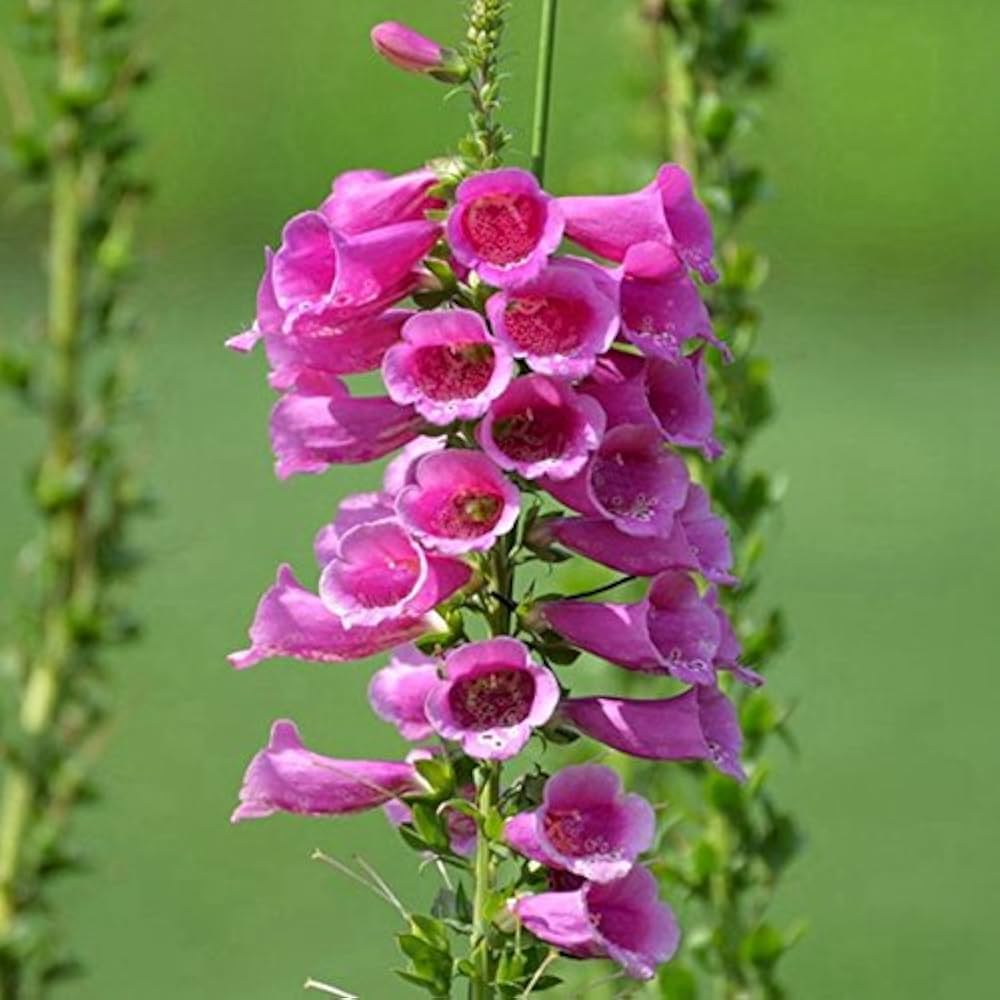
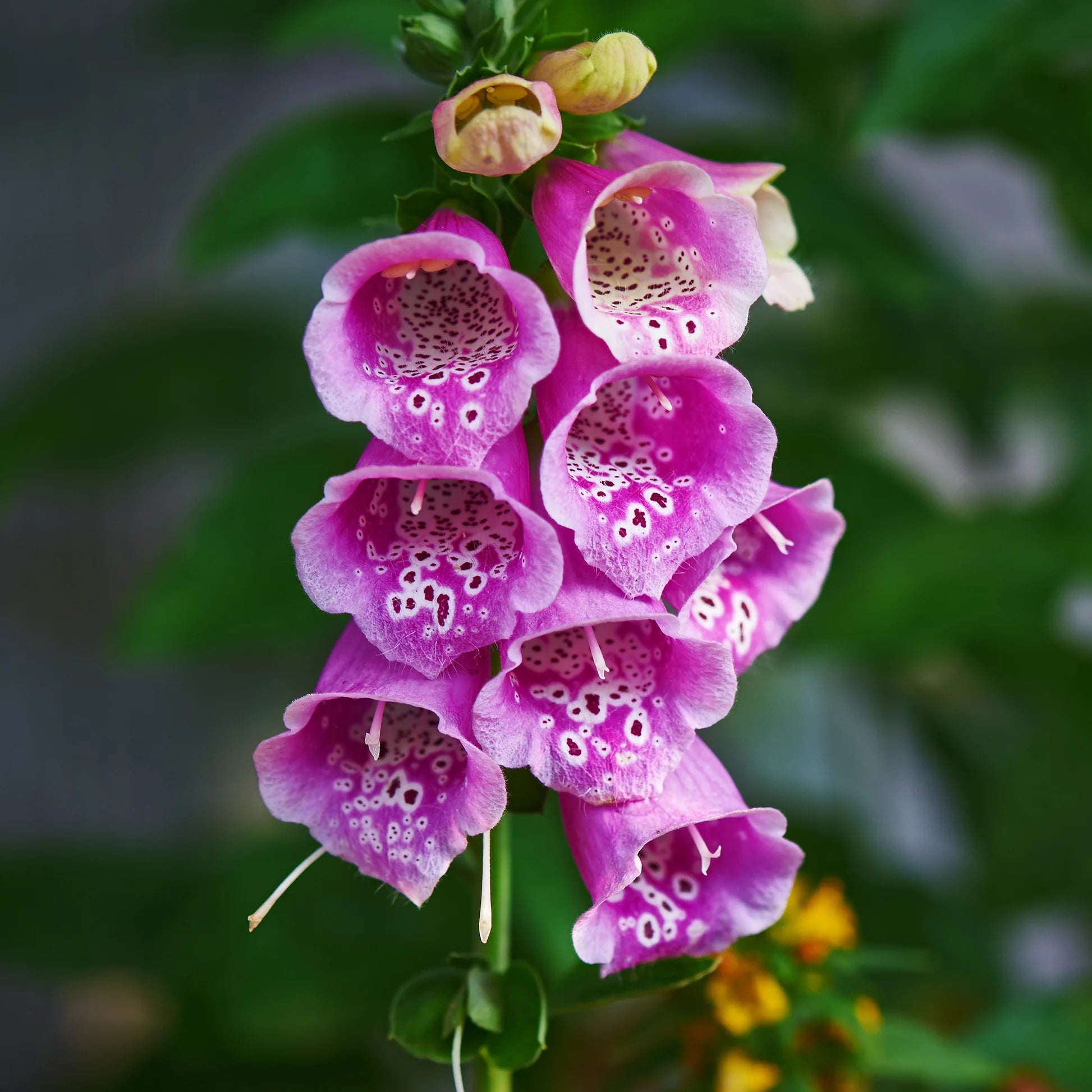
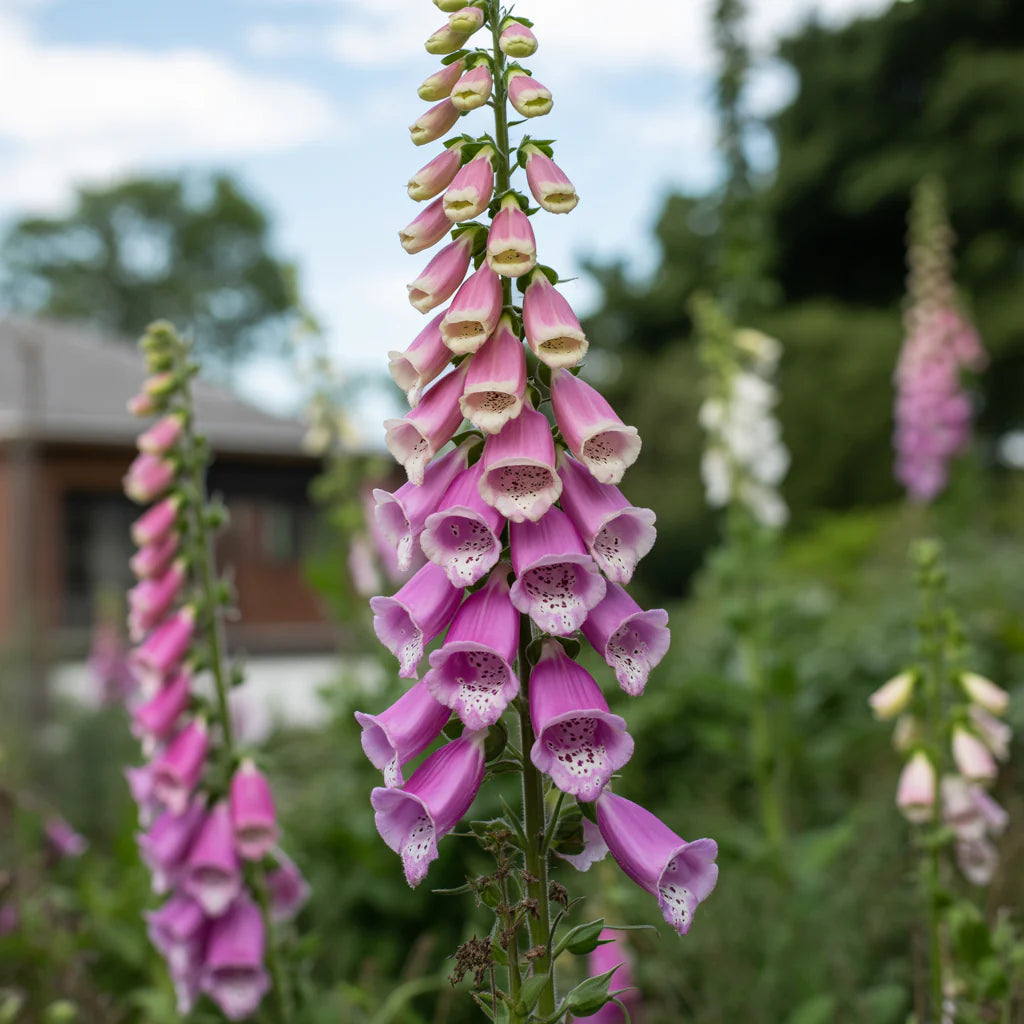
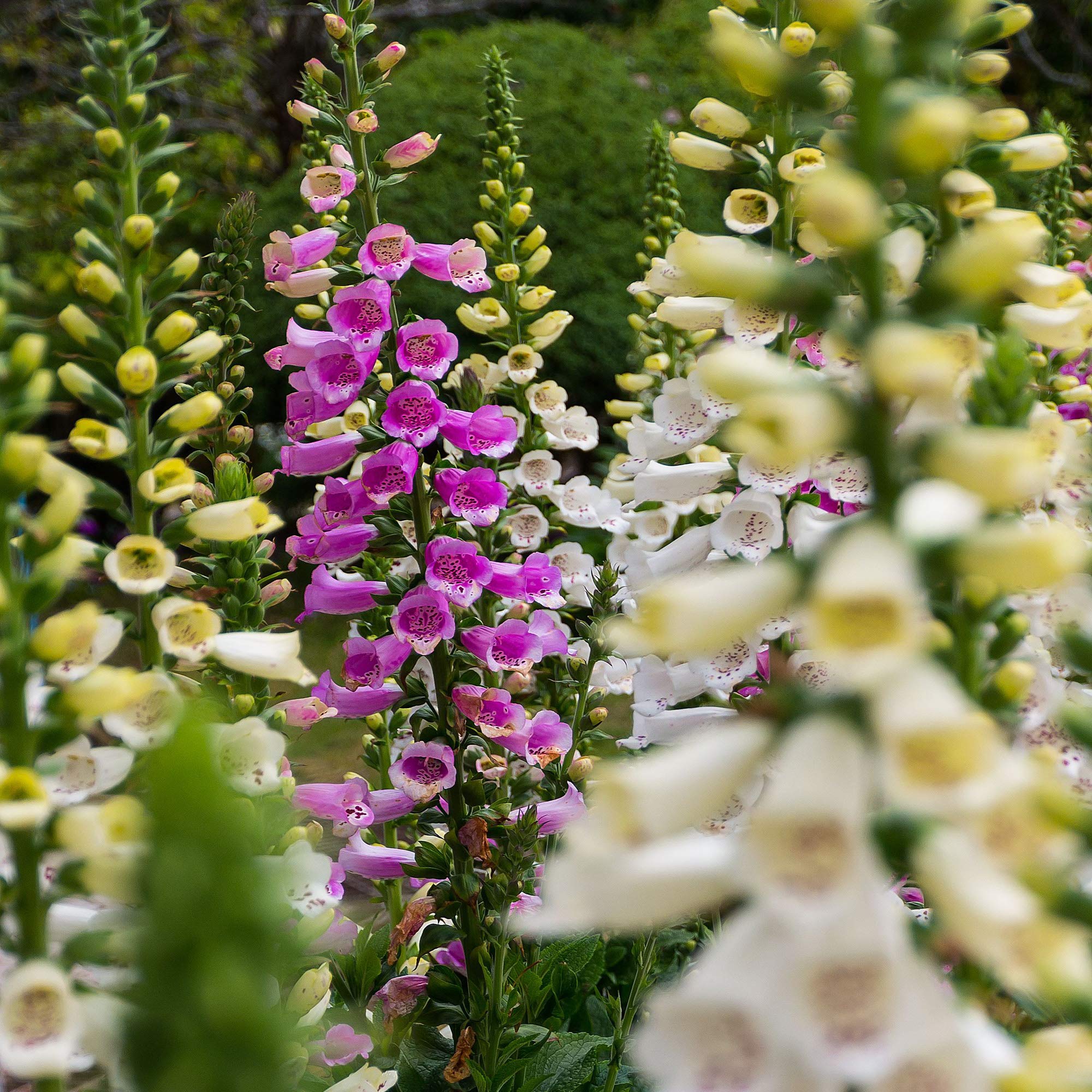
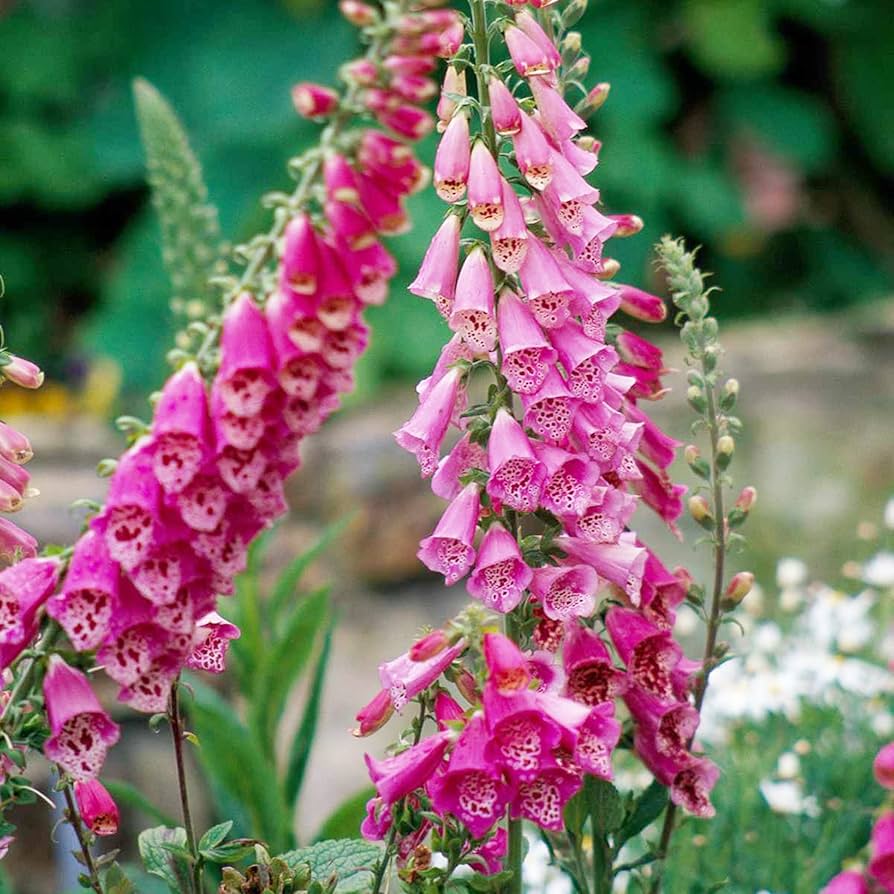
Foxgloves bring an enchanting woodland atmosphere to the landscape, with towering flower spires covered in graceful, bell-shaped blossoms. Rising beside pathways, fences, and cottage borders, their softly speckled flowers create the timeless character of an old-fashioned English garden.
Foxglove Flower Seeds from Evergrow Seeds are available at evergrowseeds.com for US home gardeners interested in ornamental Digitalis species. Depending on the species and variety, foxgloves may be biennial or perennial.
Browse Our Foxglove Flower Seeds
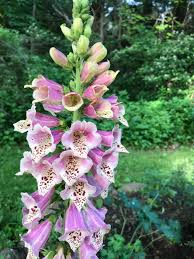
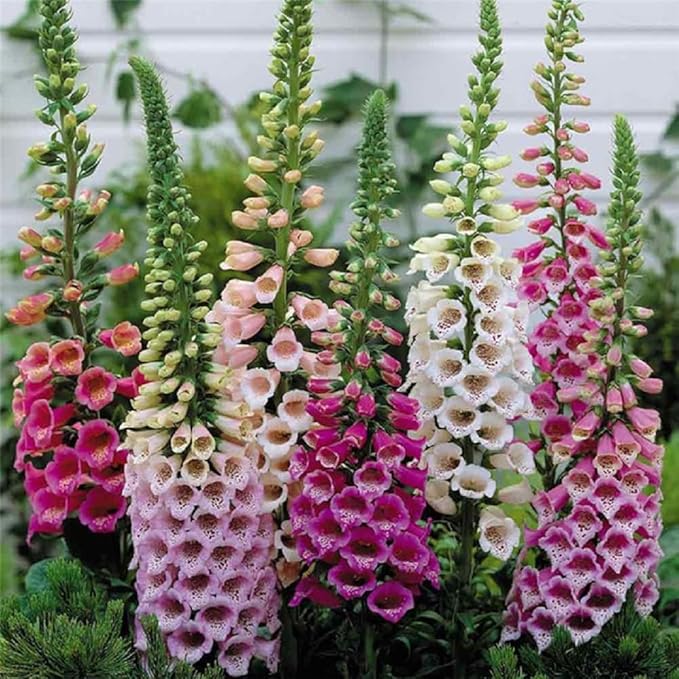
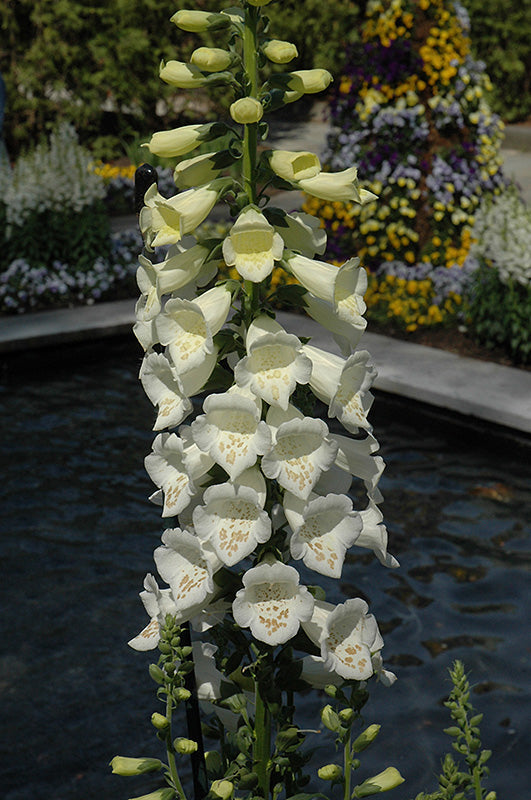
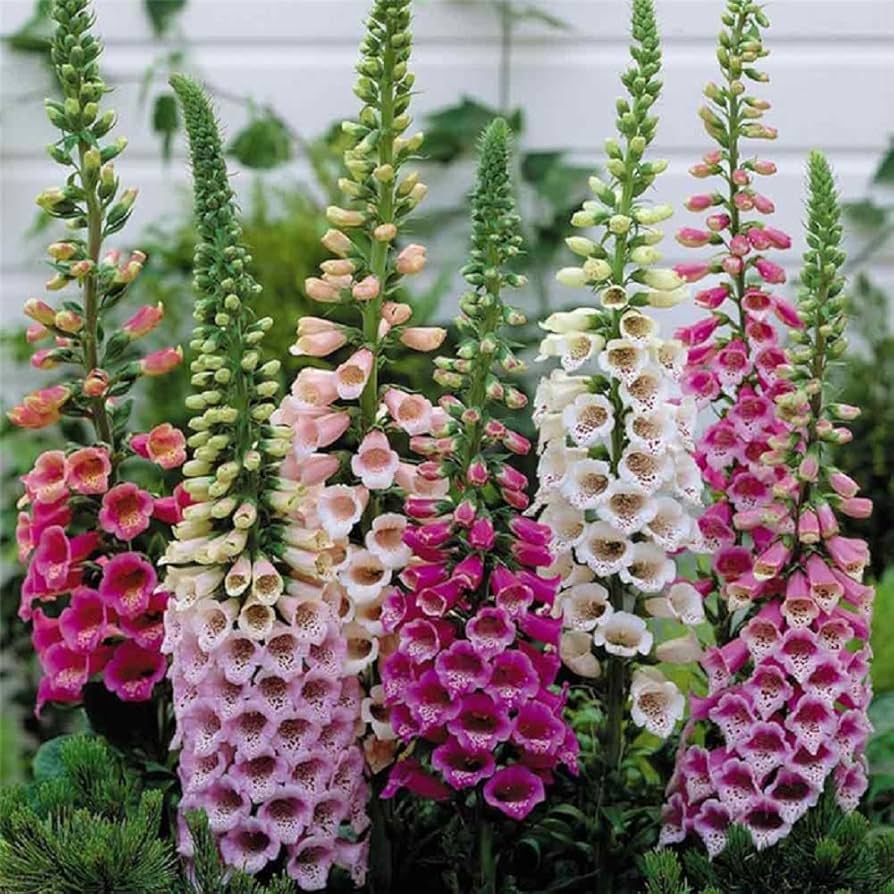
Depending on variety, Foxglove flowers may appear in shades of white, cream, yellow, peach, blush pink, rose, lavender, purple, or burgundy, often featuring beautifully spotted, freckled, or contrasting throats.
Their tall flowering stems work beautifully toward the back of cottage borders, woodland edges, and mixed perennial plantings.
Plant Care Insights
Sunlight: Foxgloves generally prefer partial shade to gentle full sun.
Soil: Choose fertile, humus-rich, well-drained soil with moderate moisture.
Watering: Maintain consistent moisture while avoiding prolonged waterlogging.
Companion Plants: Pair ornamentally with ferns, campanula, columbines, and compatible woodland flowers.
Maintenance: Leave selected flower stalks to mature when natural reseeding is desired.
Frequently Asked Questions
Can Foxgloves grow across different US climates?
Many Foxglove varieties perform well throughout cool and temperate US regions.
Hardiness and heat tolerance vary according to species and variety.
How large can mature Foxgloves become?
Foxgloves develop tall flowering stalks rising substantially above basal foliage.
Final height depends on species, variety, and growing conditions.
When do Foxgloves typically produce flowers?
Biennial Foxgloves commonly flower during their second growing season.
Flowering generally occurs from late spring into summer.
Are Foxglove plants toxic?
Yes. All parts of foxglove are toxic if ingested and can cause serious poisoning. Keep plants and seeds away from children and pets, and do not use them as food or homemade herbal remedies.
Shop By Category