



Raspberry Seeds – Jewel-Toned Berries for the Romantic Cottage Garden
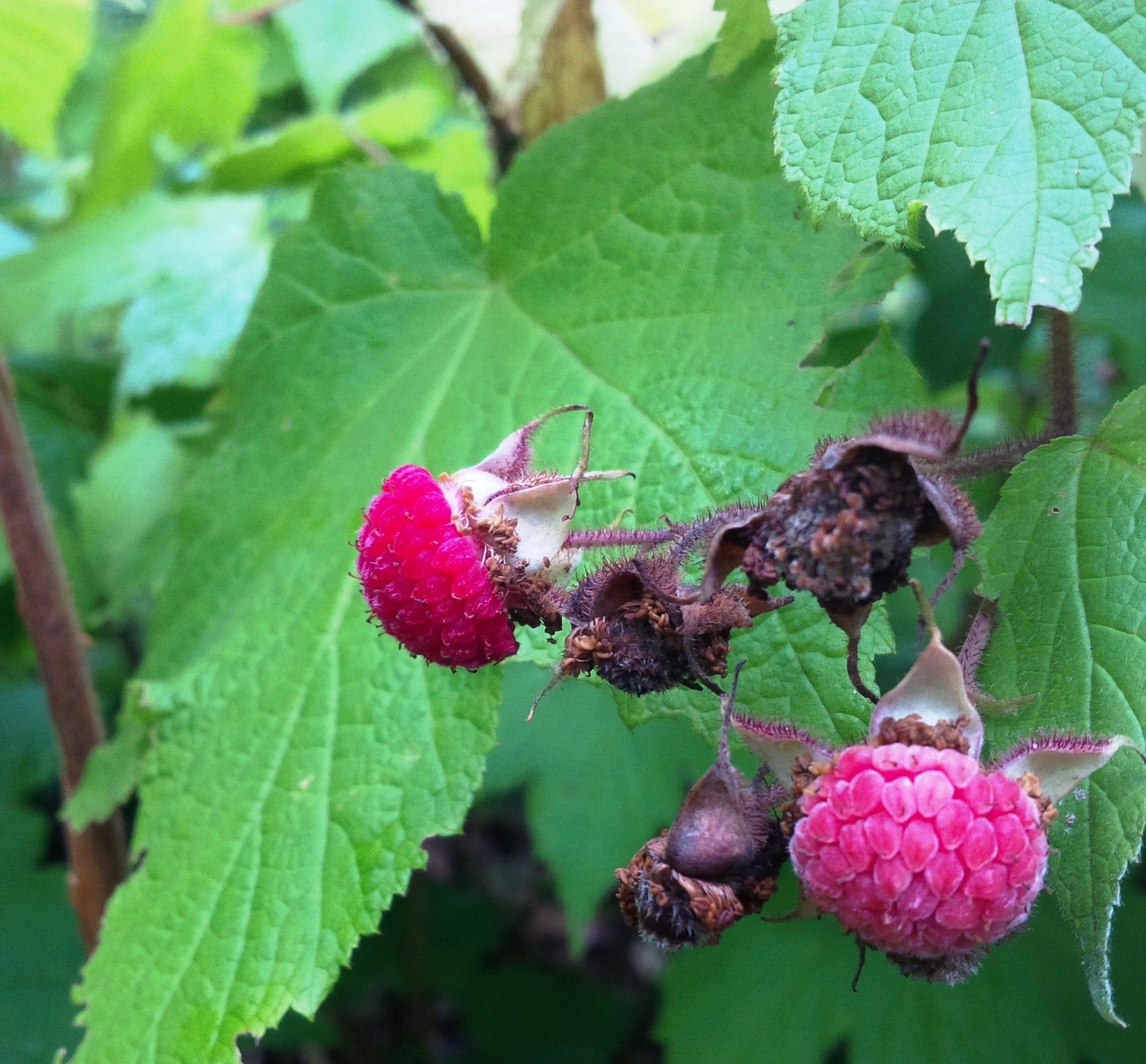
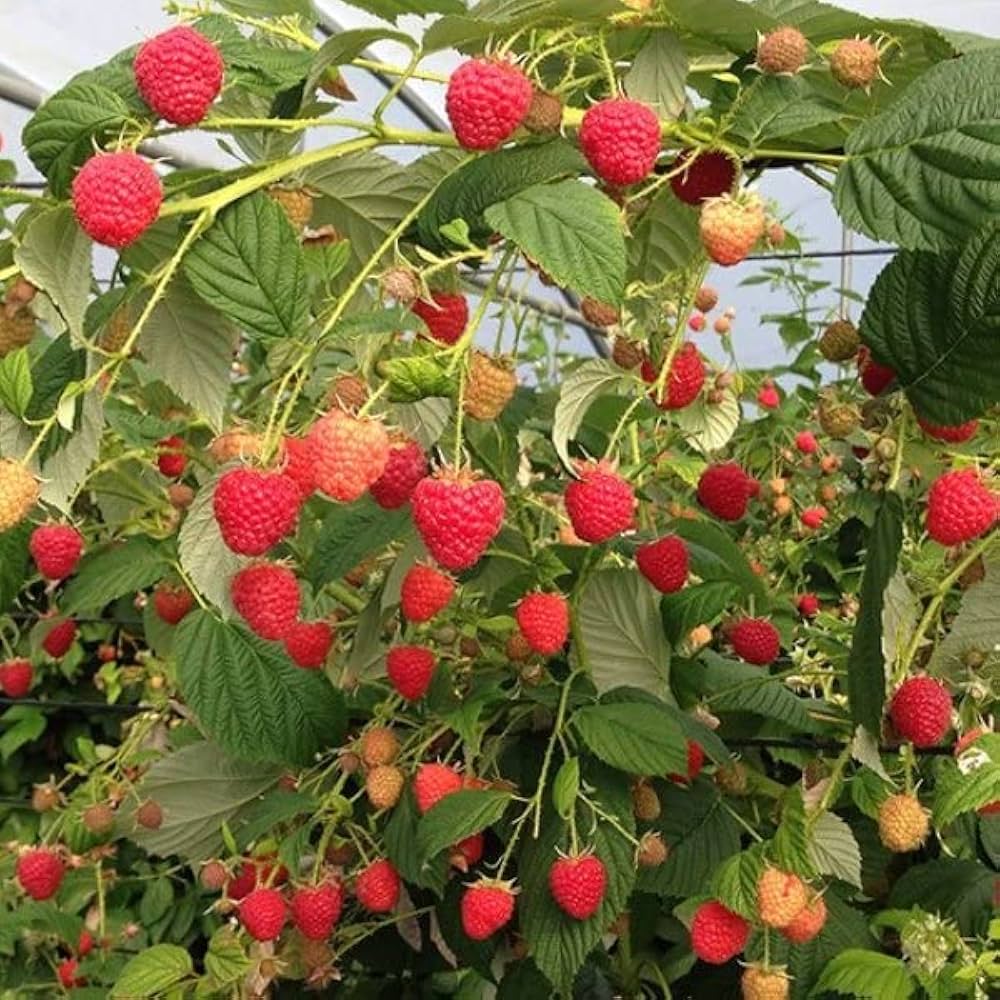
Raspberries bring the gentle beauty of an old-fashioned berry patch into the home landscape. Their arching canes, fresh green leaves, delicate blossoms, and clusters of jewel-like fruits create a nostalgic scene reminiscent of weathered garden fences, winding cottage pathways, and quiet summer mornings spent among the berries.
Raspberry Seeds are available at evergrowseeds.com from Evergrow Seeds for gardeners who enjoy traditional fruiting plants with natural landscape charm. Their upright or arching growth brings texture and seasonal interest to backyard fruit gardens, edible borders, and relaxed cottage-inspired landscapes.
Browse Our Raspberry Seeds
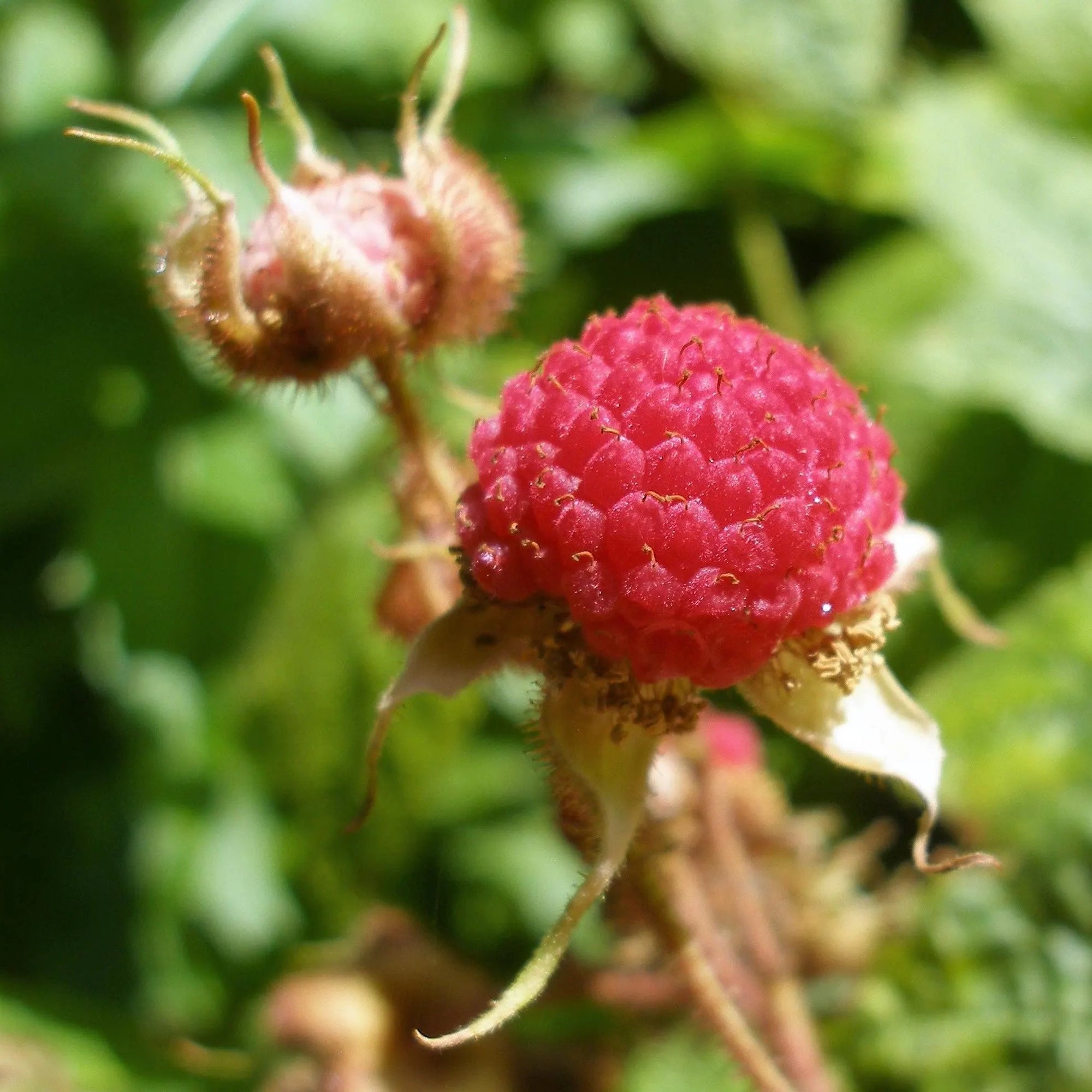
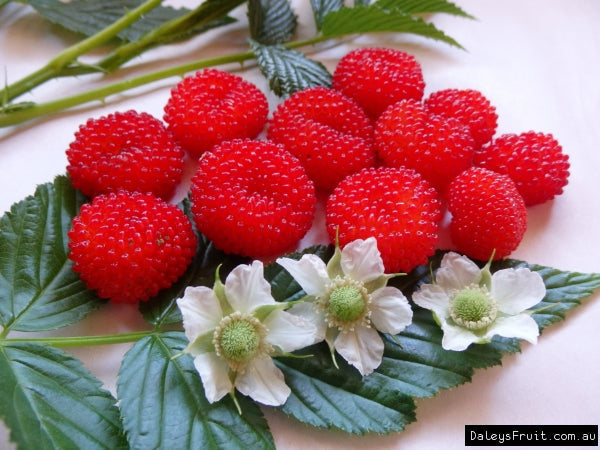
Raspberry plants generally produce small, delicate flowers that may appear white, creamy white, or softly pink depending on the species and cultivar. These understated blossoms attract attention before clusters of developing berries begin adding richer seasonal color.
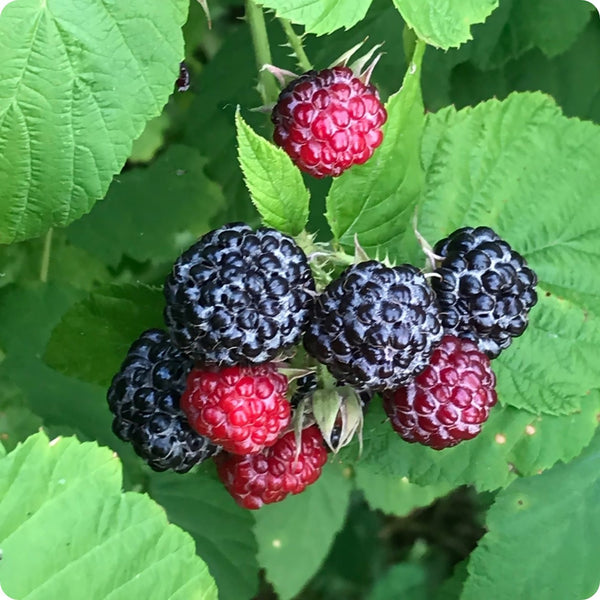
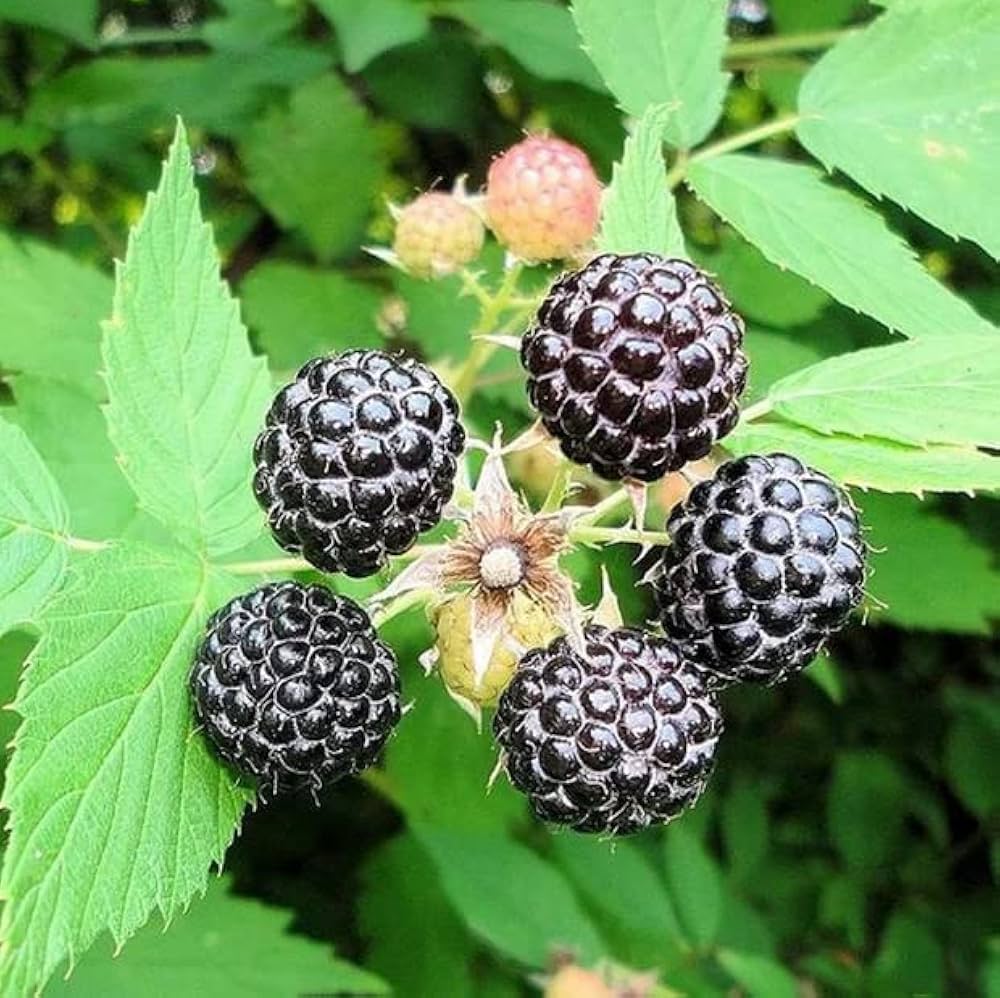
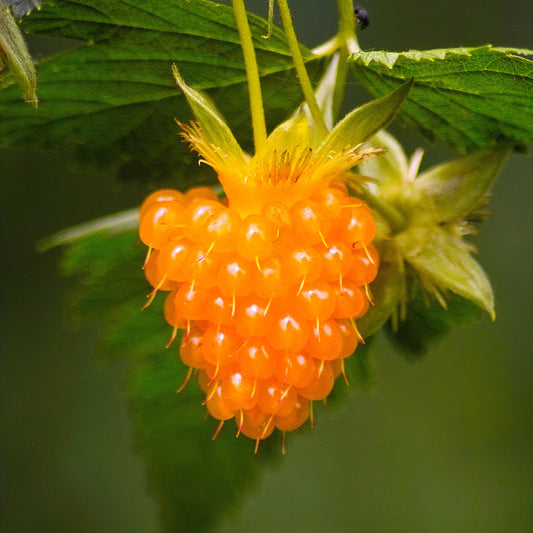
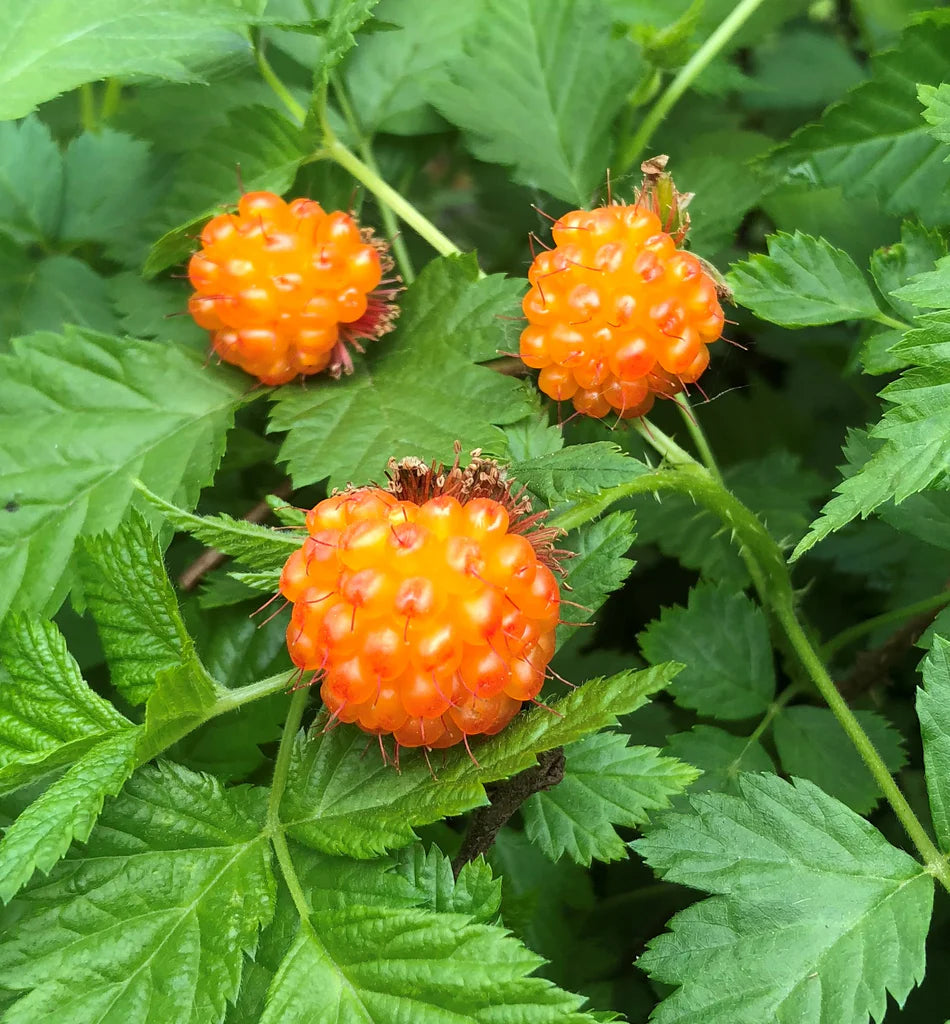
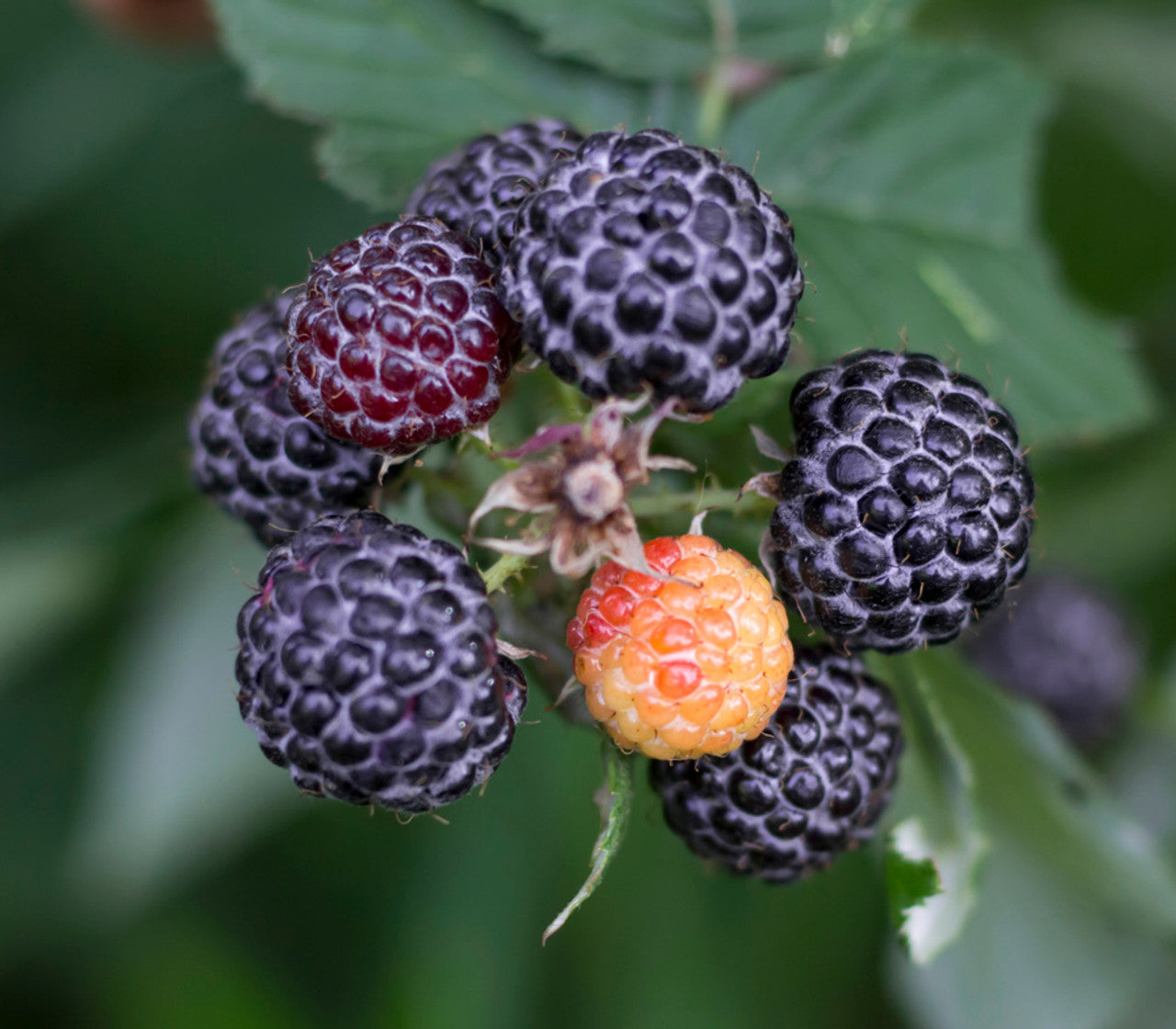
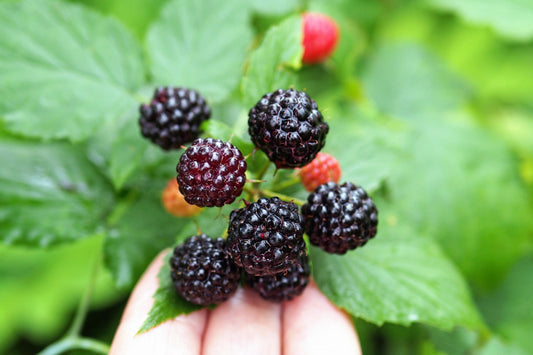
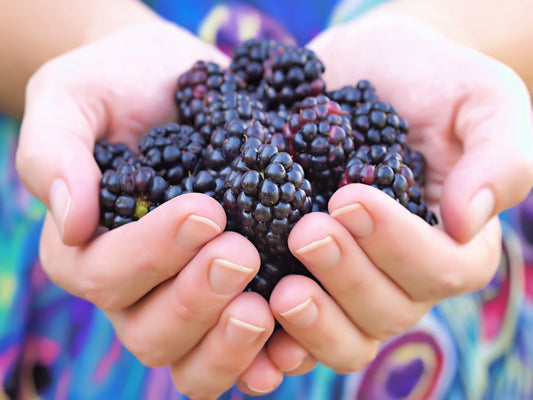
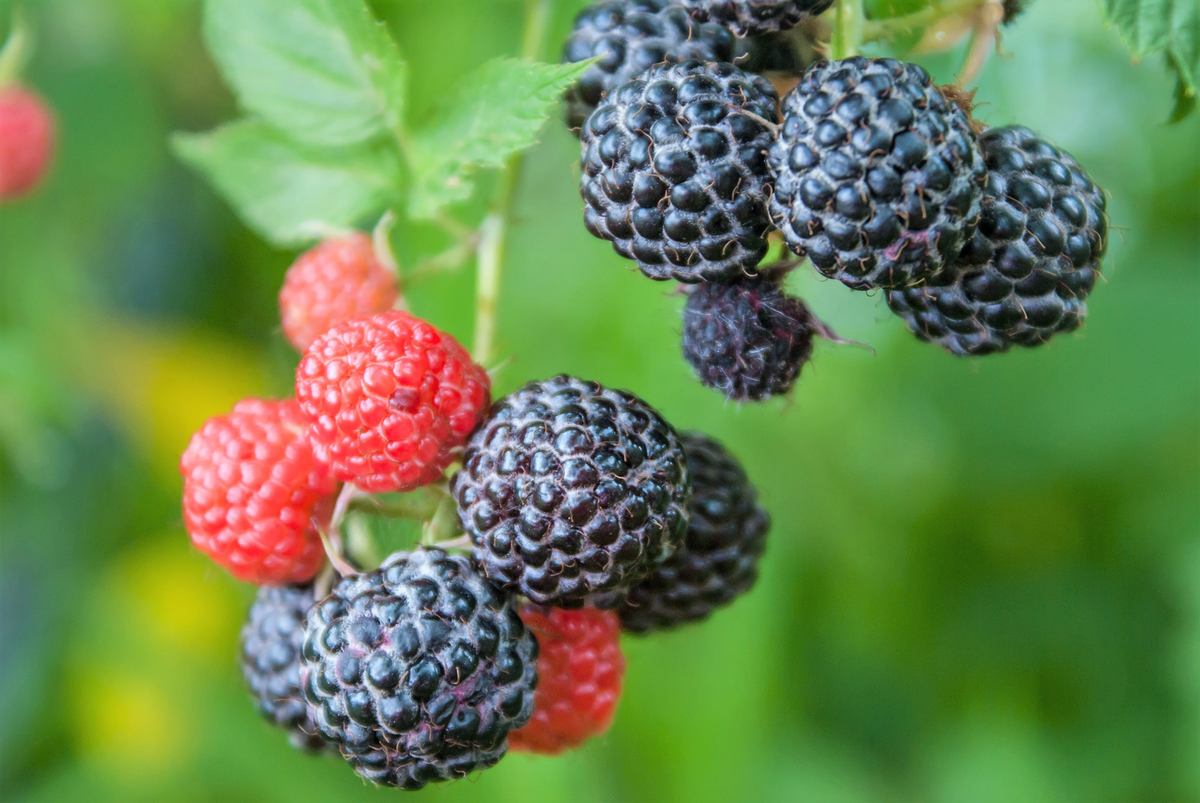
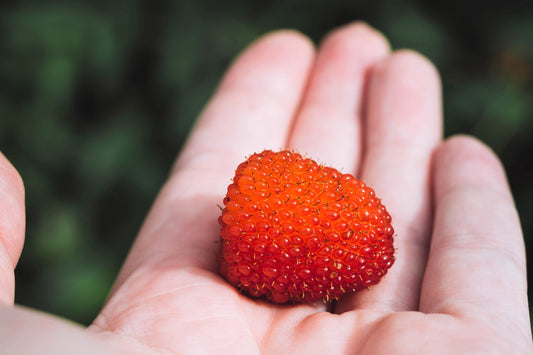
Although classic raspberries are red, cultivars can produce fruits in deep red, golden yellow, amber, purple, or nearly black shades. Berry size, flavor, cane growth, thorniness, and fruiting season can also vary considerably among selections.
Their combination of graceful canes, delicate blossoms, and richly colored fruits makes raspberries especially attractive for cottage-style edible gardens where productive plants can blend naturally with informal borders.
Plant Care Insights
Sunlight: Choose a location receiving full sun for strong flowering and fruit development.
Soil: Plant in fertile, well-drained soil enriched with suitable organic matter.
Watering: Maintain reasonably consistent root-zone moisture while avoiding prolonged waterlogged conditions.
Companion Plants: Chives and other compatible low-growing plants can grow nearby when sufficient airflow is maintained.
Maintenance: Provide support for tall or arching canes when needed, control unwanted suckers, remove damaged growth, and maintain good airflow throughout the planting.
Frequently Asked Questions
What climate is suitable for Raspberries?
Raspberries generally favor temperate climates with suitable seasonal winter chilling.
Climate requirements vary considerably among species and individual cultivars.
How large do mature Raspberry plants become?
Raspberries develop perennial crowns with upright or arching biennial canes.
Final height and spread depend on cultivar and training method.
Do Raspberry plants require pruning?
Pruning requirements depend on whether varieties are summer-bearing or everbearing.
Removing appropriate old canes helps maintain organized, healthy plant growth.
What pests may affect Raspberry plants?
Japanese beetles, aphids, mites, and cane borers may occasionally affect raspberries.
Regular inspections help gardeners identify potential pest activity early.
Shop By Category