

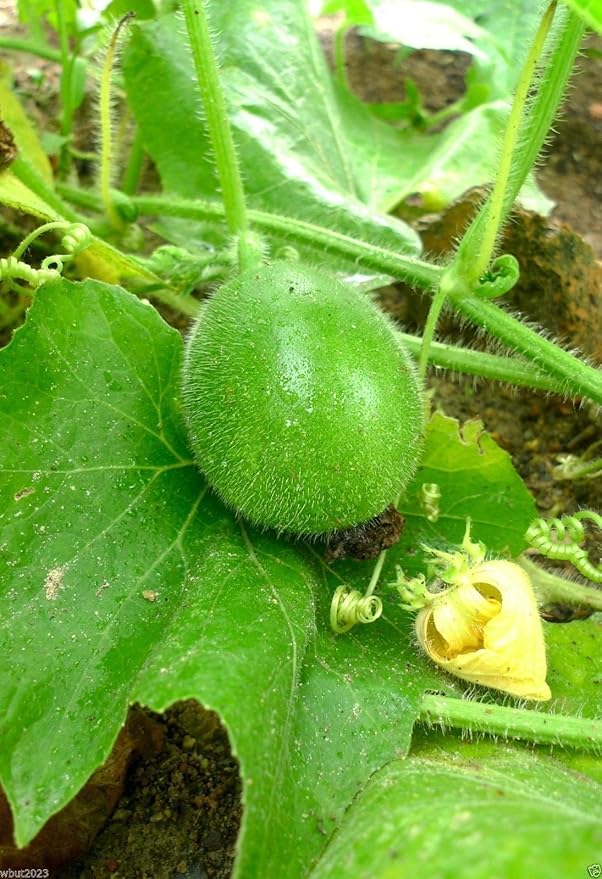
Winter Melon Fruit Seeds – Timeless Green Beauty for Home Gardens
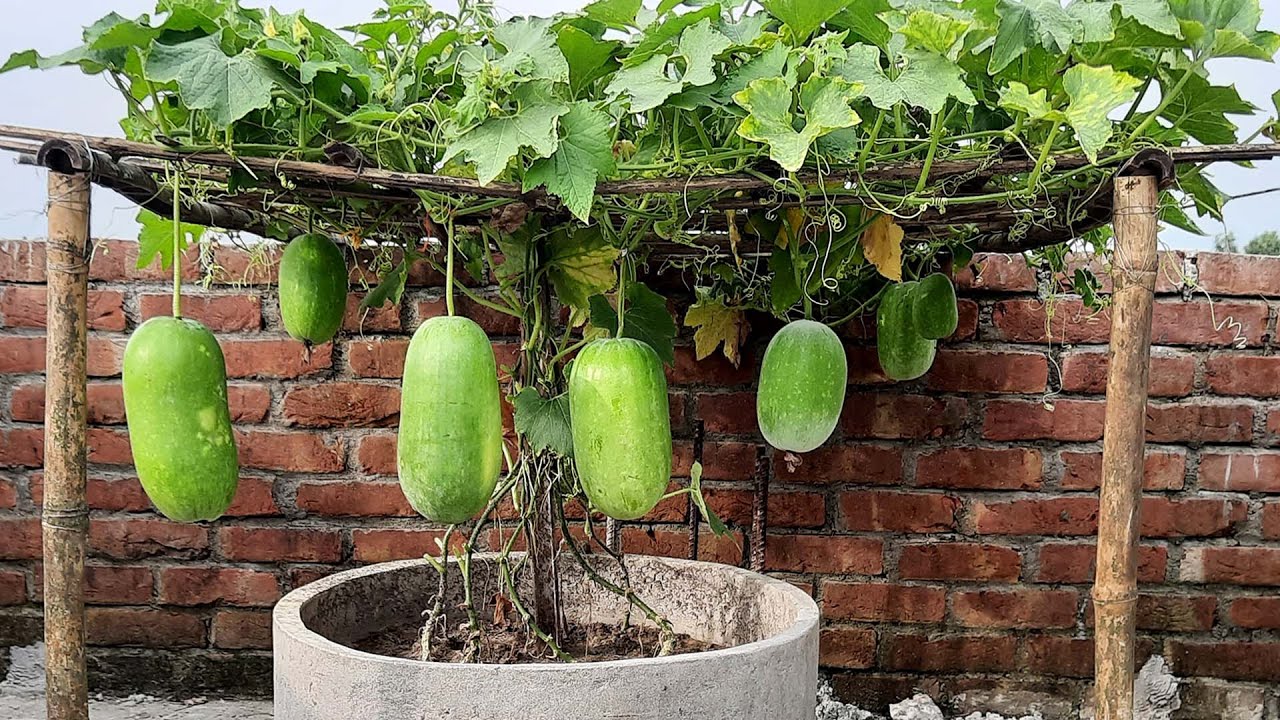
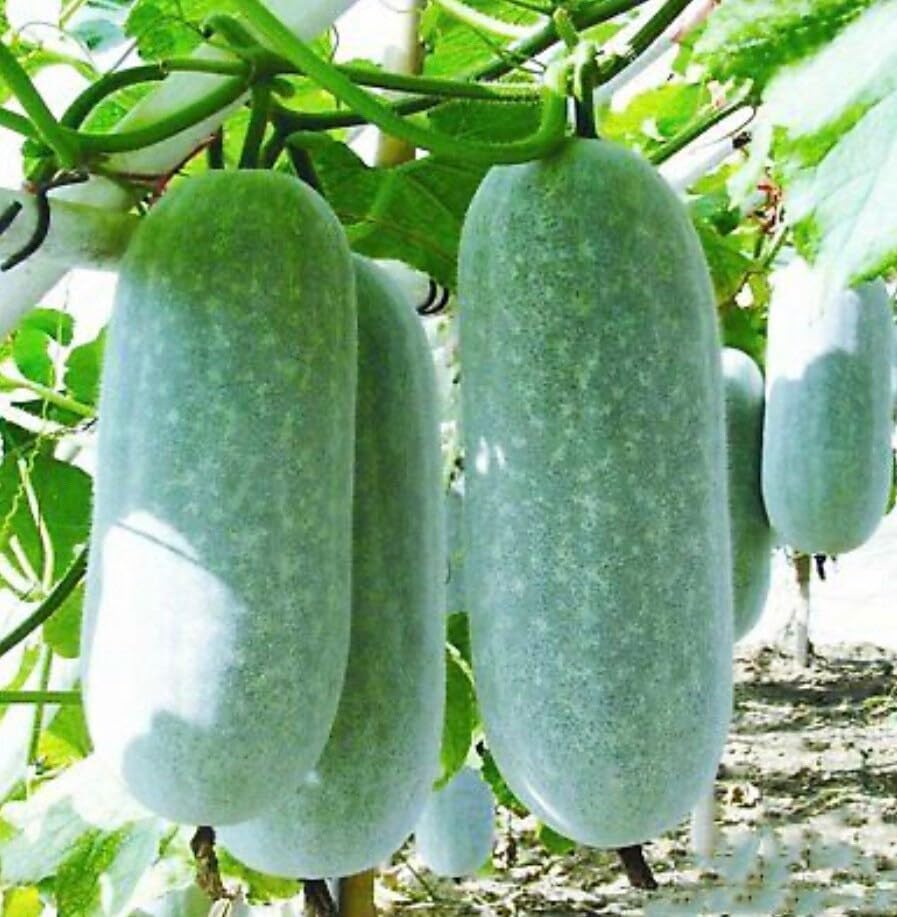
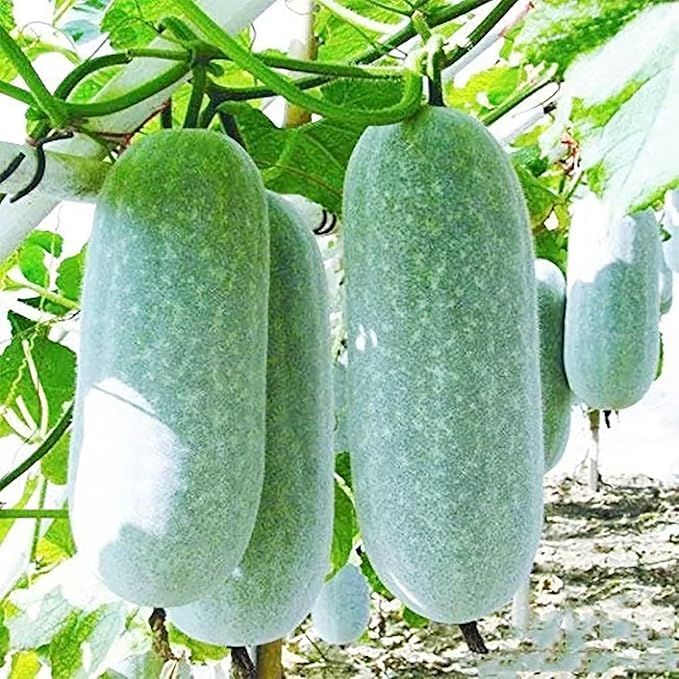
Winter Melon brings the quiet abundance of an old-fashioned kitchen garden to the backyard. Its vigorous trailing vines, cheerful yellow blossoms, and substantial green fruits create a wonderfully leafy landscape, lending natural texture and relaxed cottage character to a productive edible garden.
Winter Melon Fruit Seeds are available from Evergrow Seeds at evergrowseeds.com, offering home gardeners a distinctive addition for traditional vegetable plots, spacious raised beds, kitchen gardens, and cottage-inspired edible landscapes.
Browse Our Winter Melon Fruit Seeds
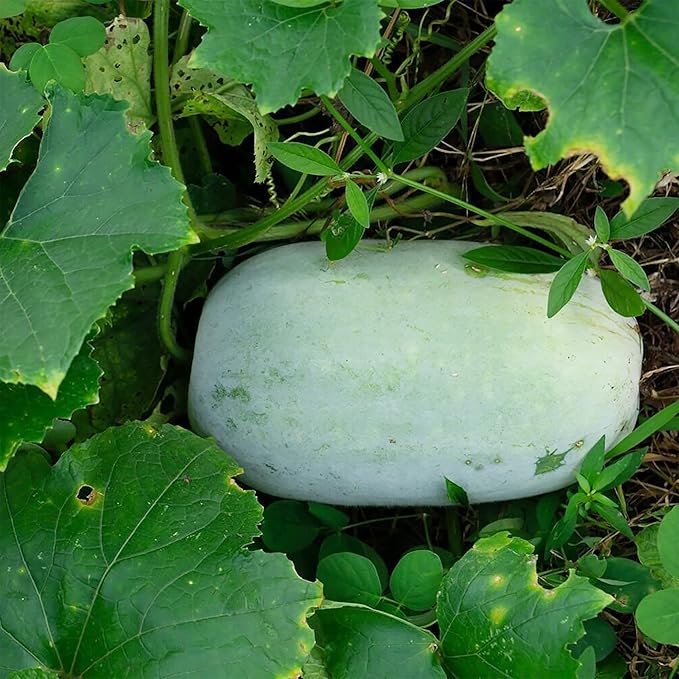
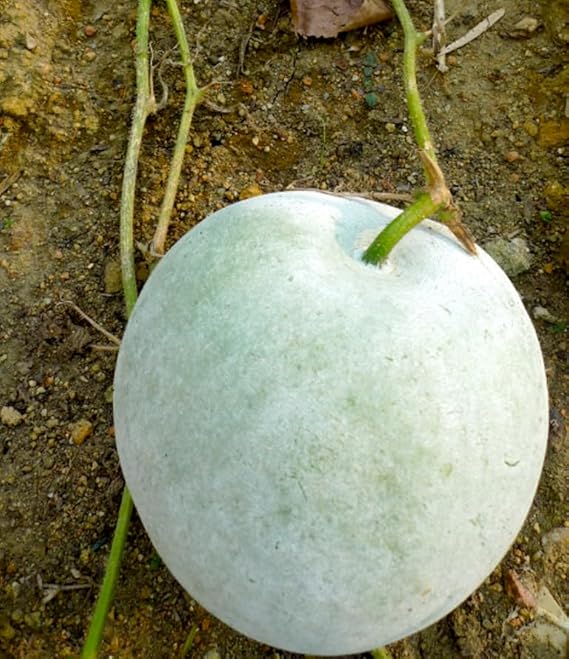
Winter Melon vines typically produce yellow flowers, with natural tones ranging from soft buttery yellow to richer golden shades. Developing fruits are usually green and may form a pale, waxy coating as they mature. Their vigorous climbing or trailing habit makes them especially attractive on sturdy supports or across spacious garden beds.
Plant Care Insights
Sunlight: Choose a warm garden location receiving full daily sun.
Soil: Plant in fertile, well-draining soil enriched with organic matter.
Watering: Maintain consistent moisture without leaving the soil persistently soggy.
Companion Plants: Marigolds, nasturtiums, beans, and compatible herbs can grow nearby.
Maintenance: Provide ample room or sturdy support for vigorous vines and developing fruits.
Frequently Asked Questions
What climate is best for Winter Melon plants?
Warm, frost-free conditions support vigorous seasonal vine growth.
A long growing season is particularly suitable for development.
How large can mature Winter Melon plants become?
Their vigorous vines can extend several feet through garden spaces.
Strong supports can help manage their extensive growth habit.
What do Winter Melon flowers look like?
The vines typically produce attractive yellow blossoms.
Their warm coloring adds cheerful interest among broad green leaves.
Which pests may affect Winter Melon plants?
Aphids, fruit flies, and beetles may occasionally visit plants.
Routine inspection helps gardeners identify pest activity early.
Shop By Category