


Columbine Flower Seeds for Planting – Woodland Beauty for a Romantic Garden
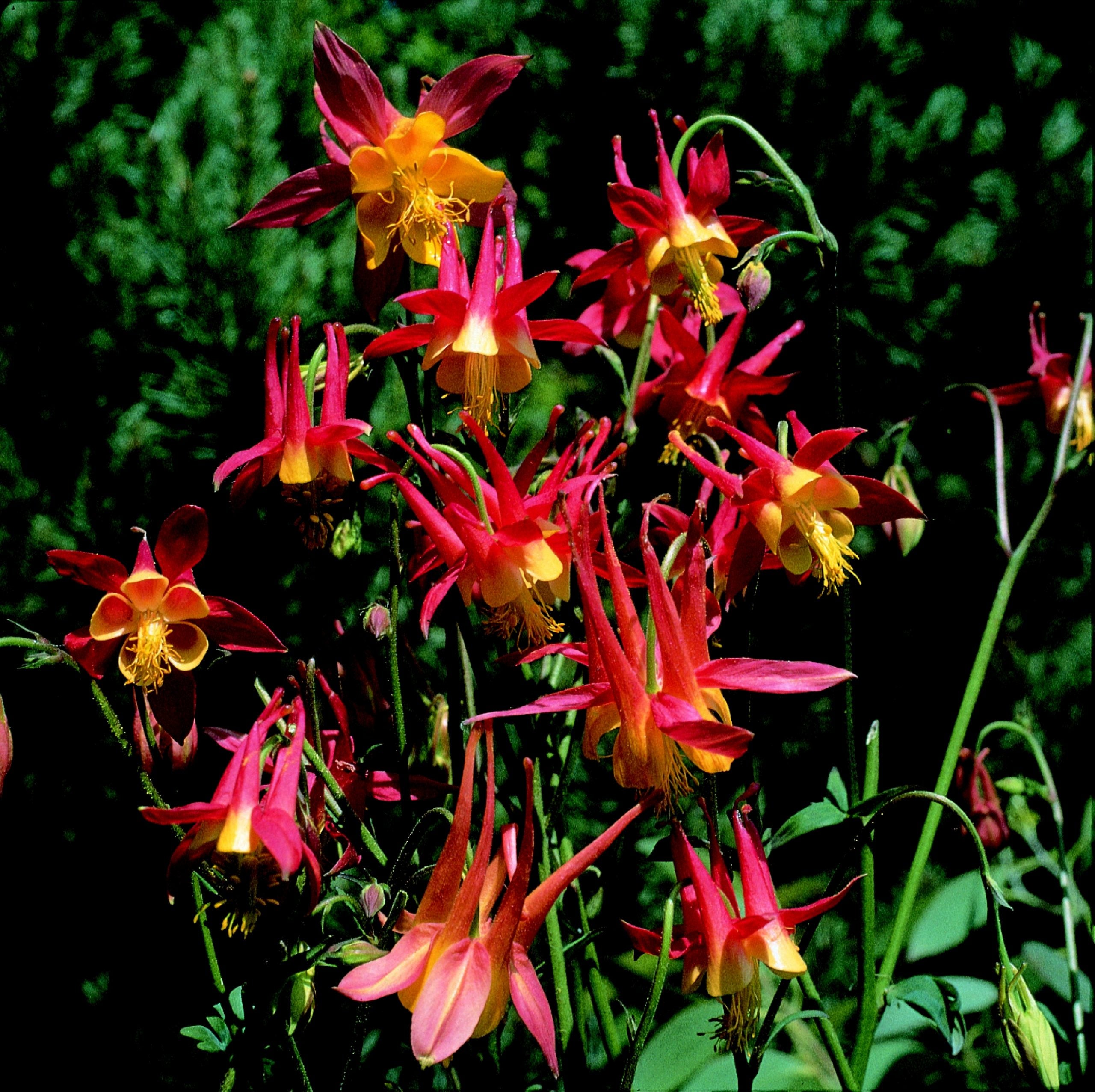
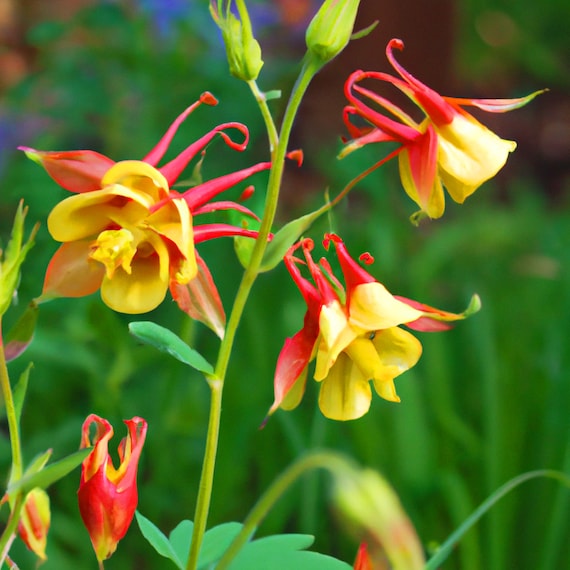
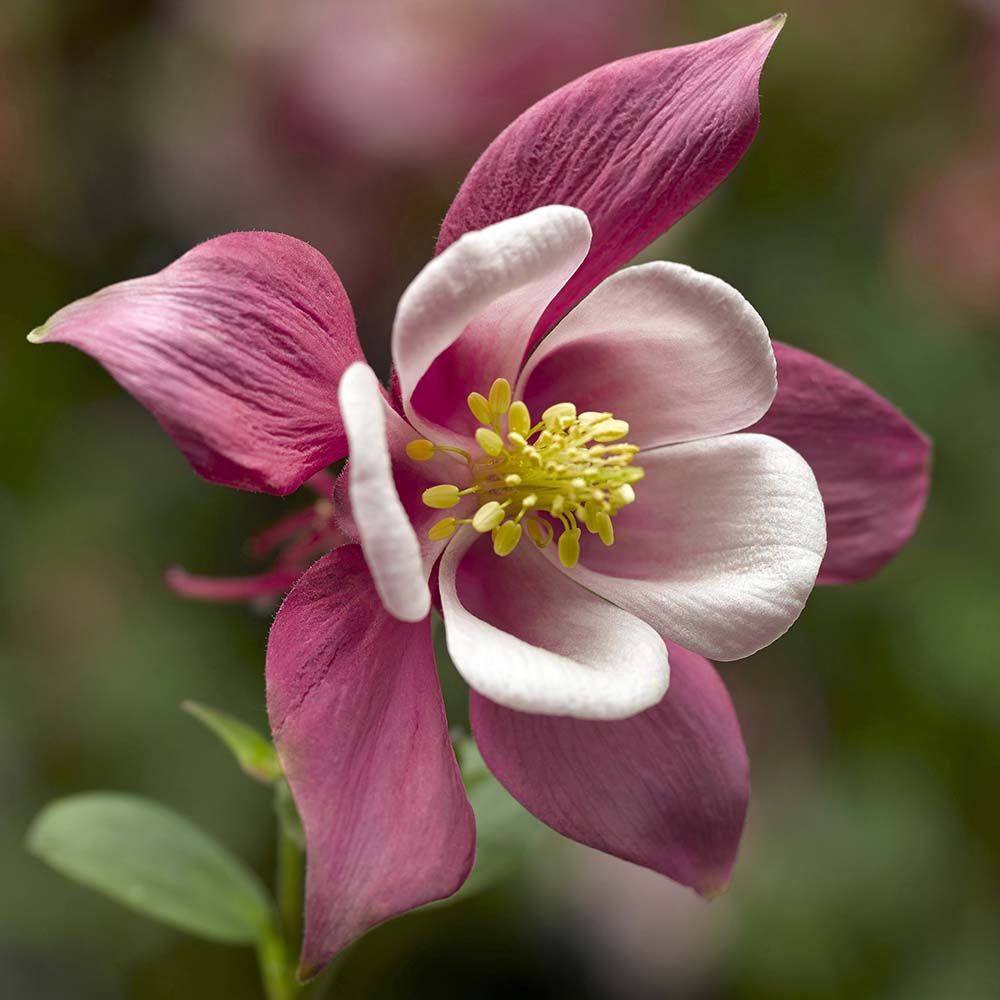
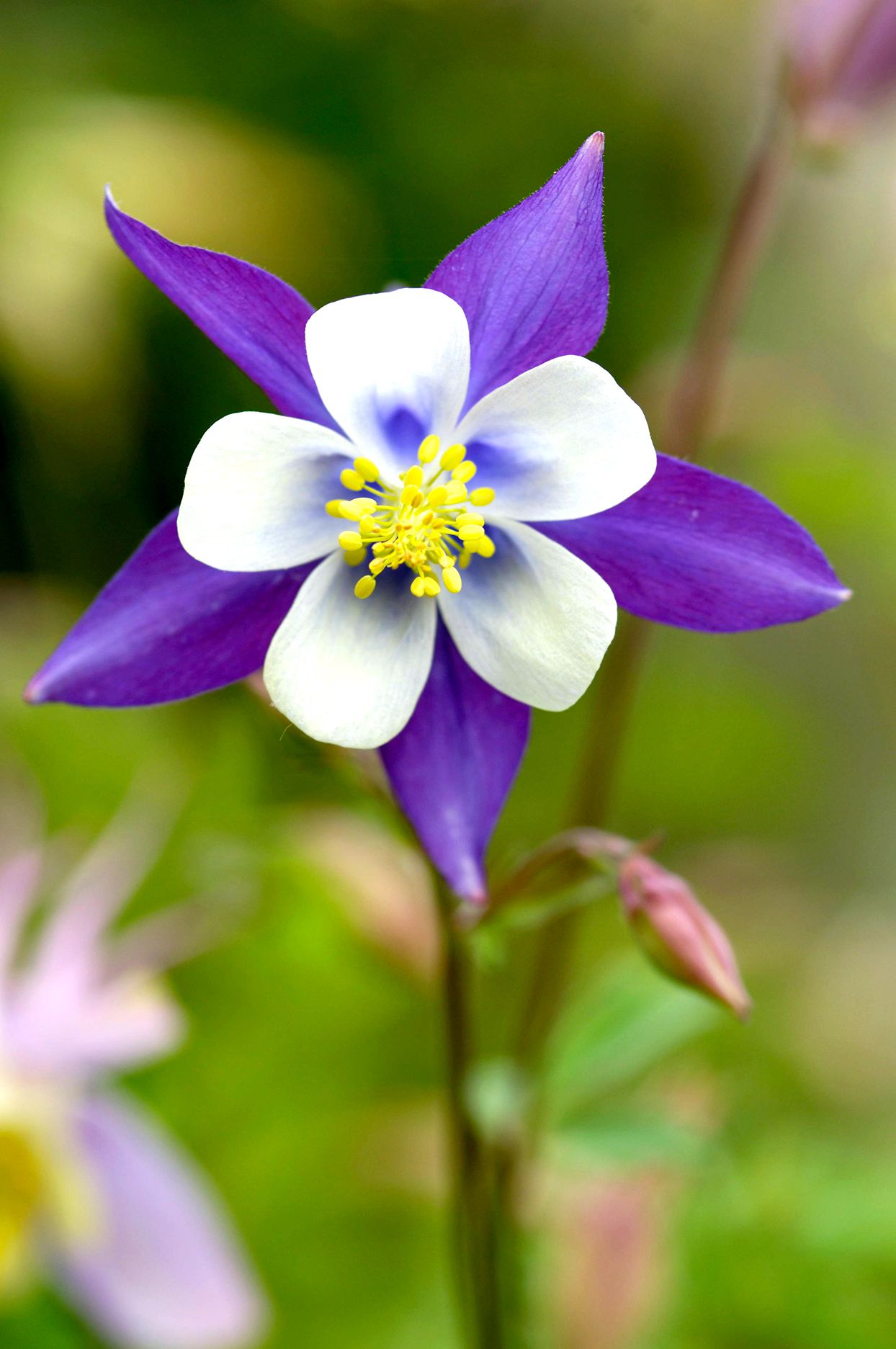
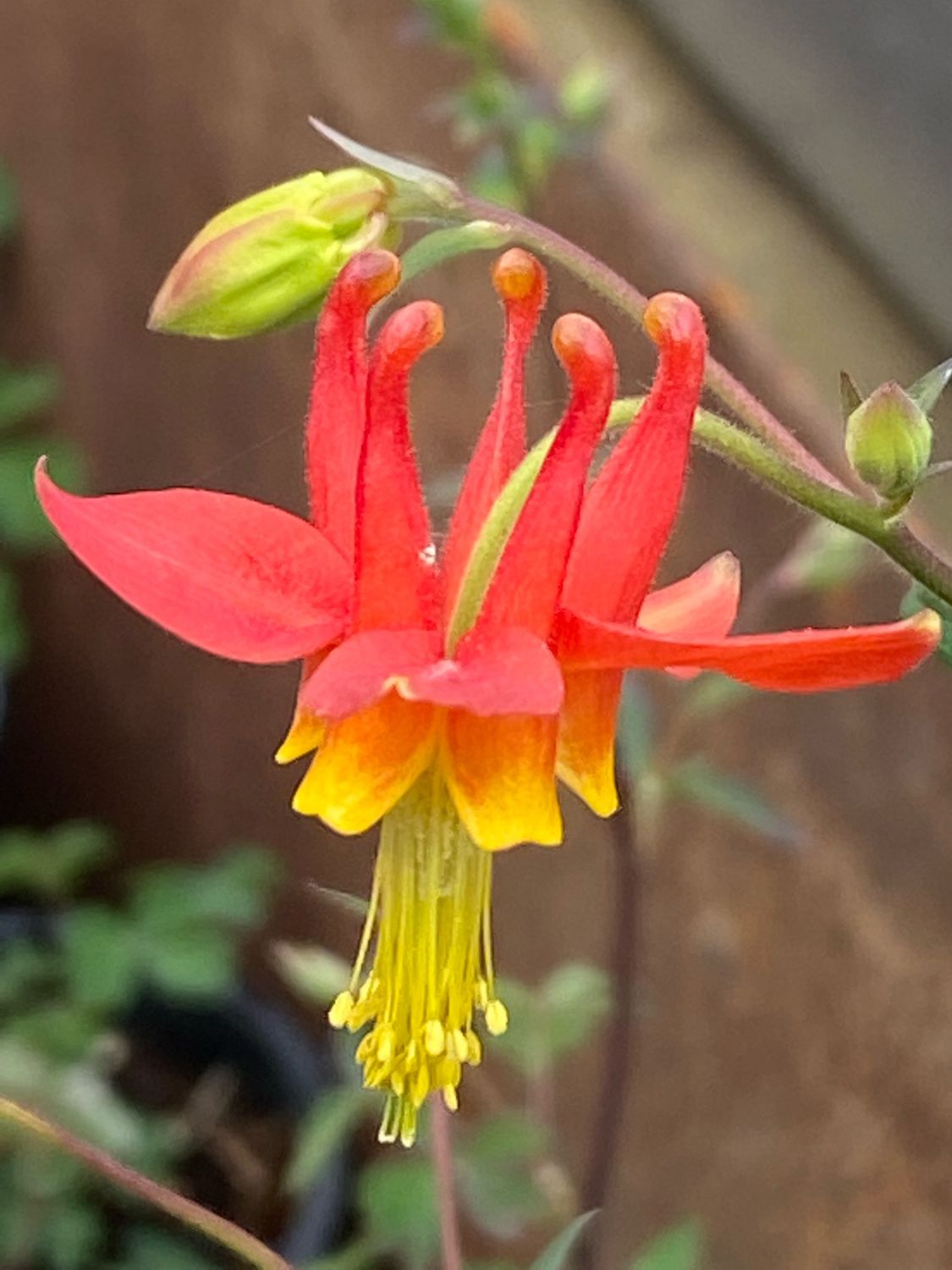
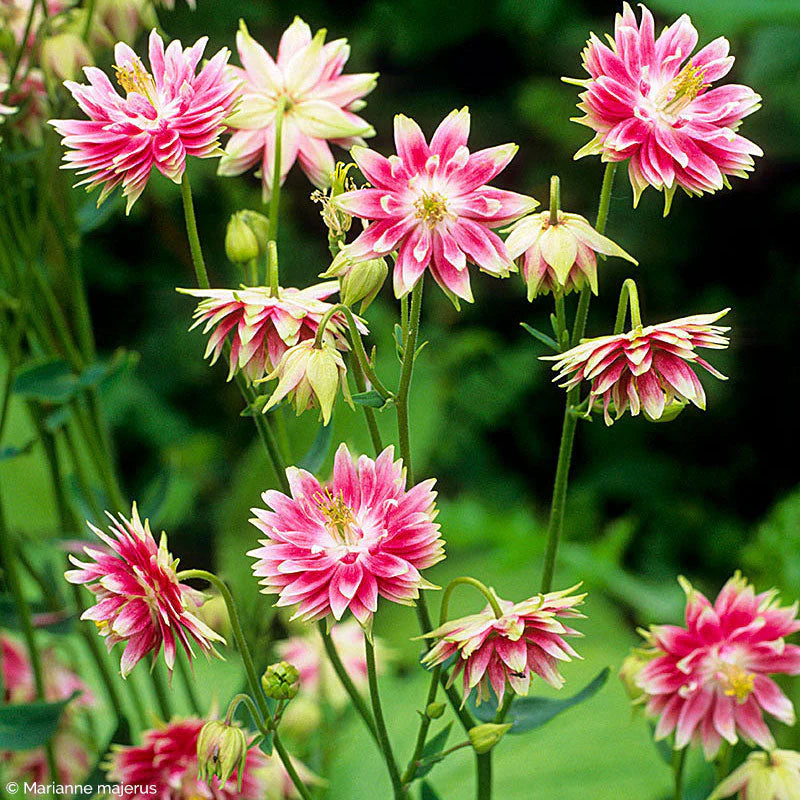
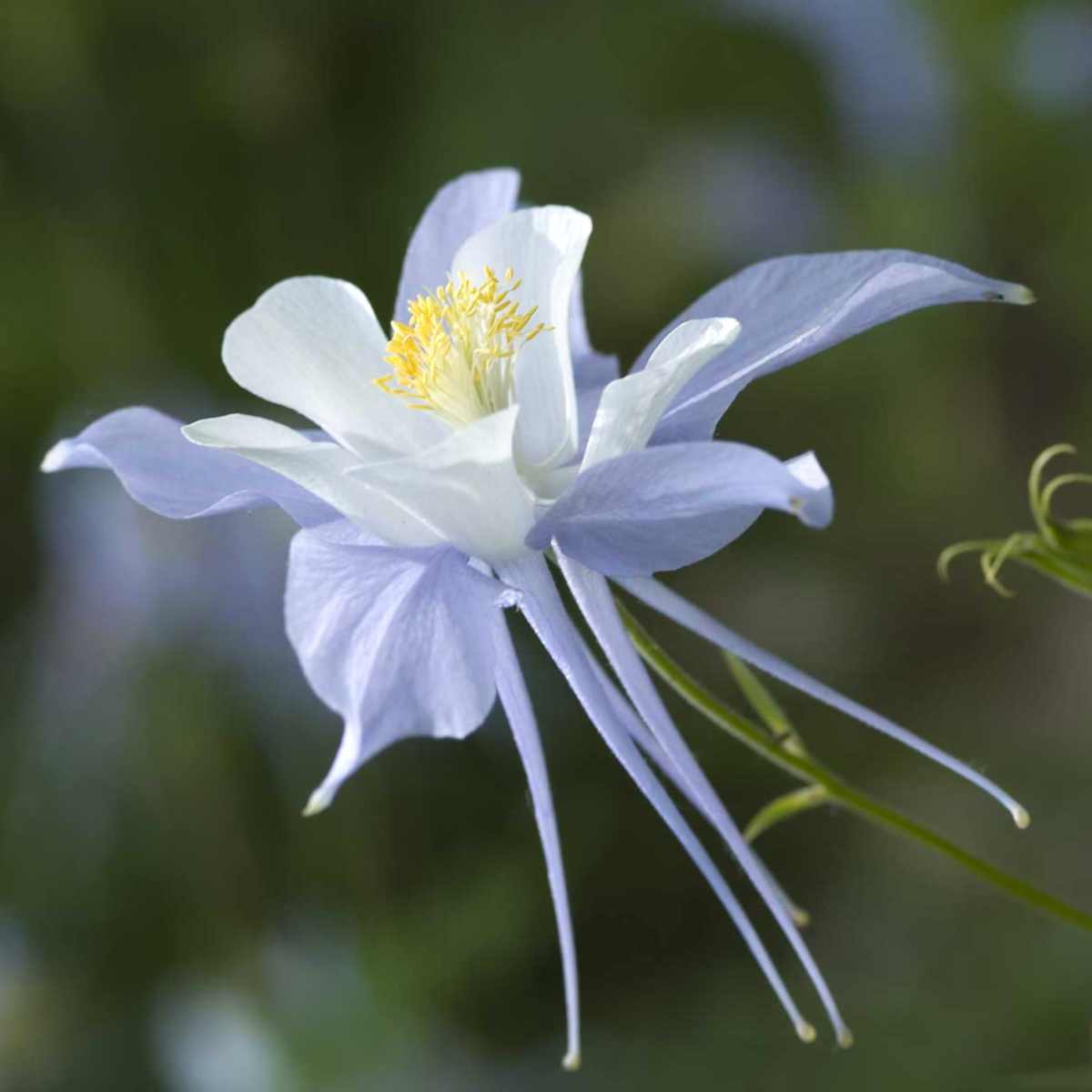
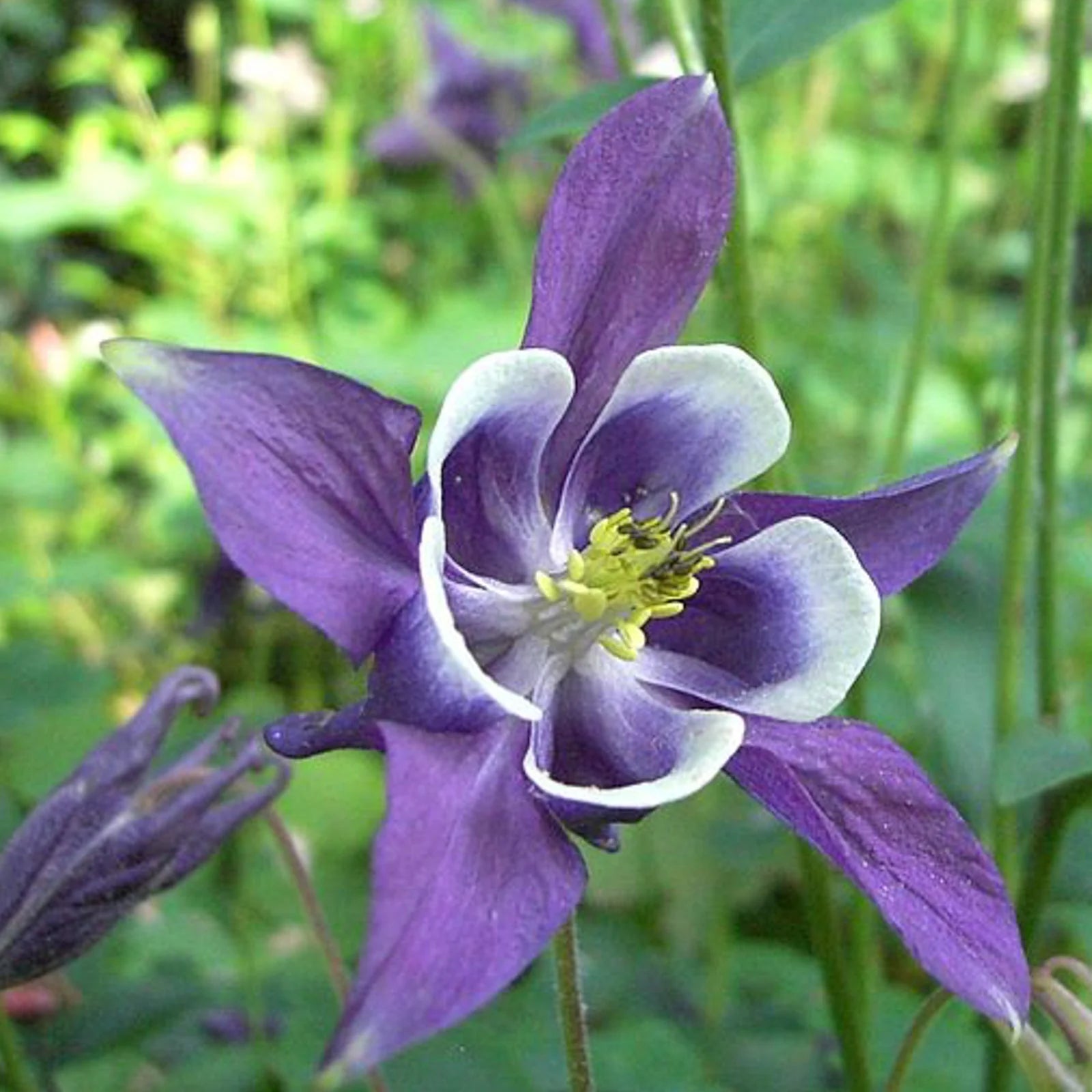
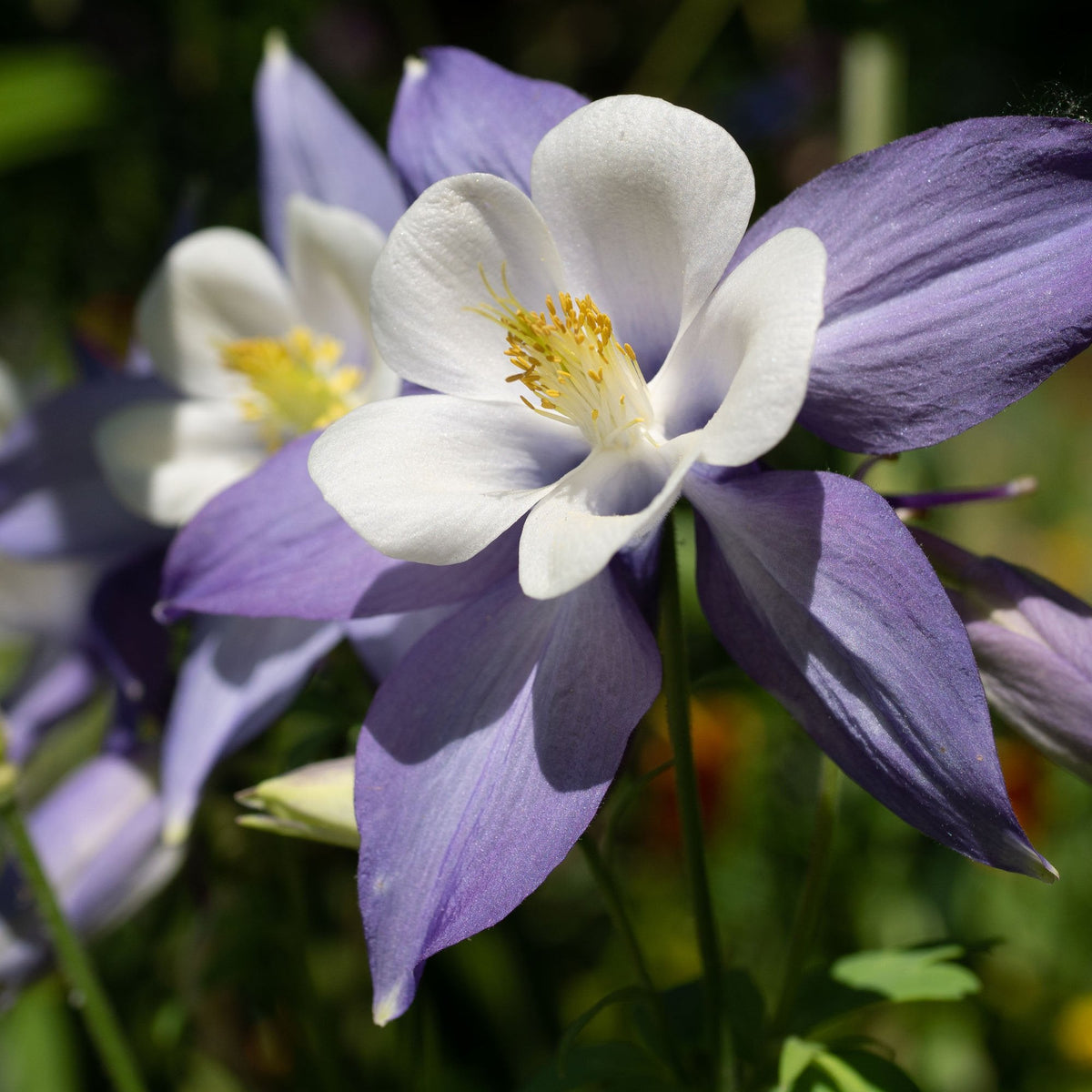
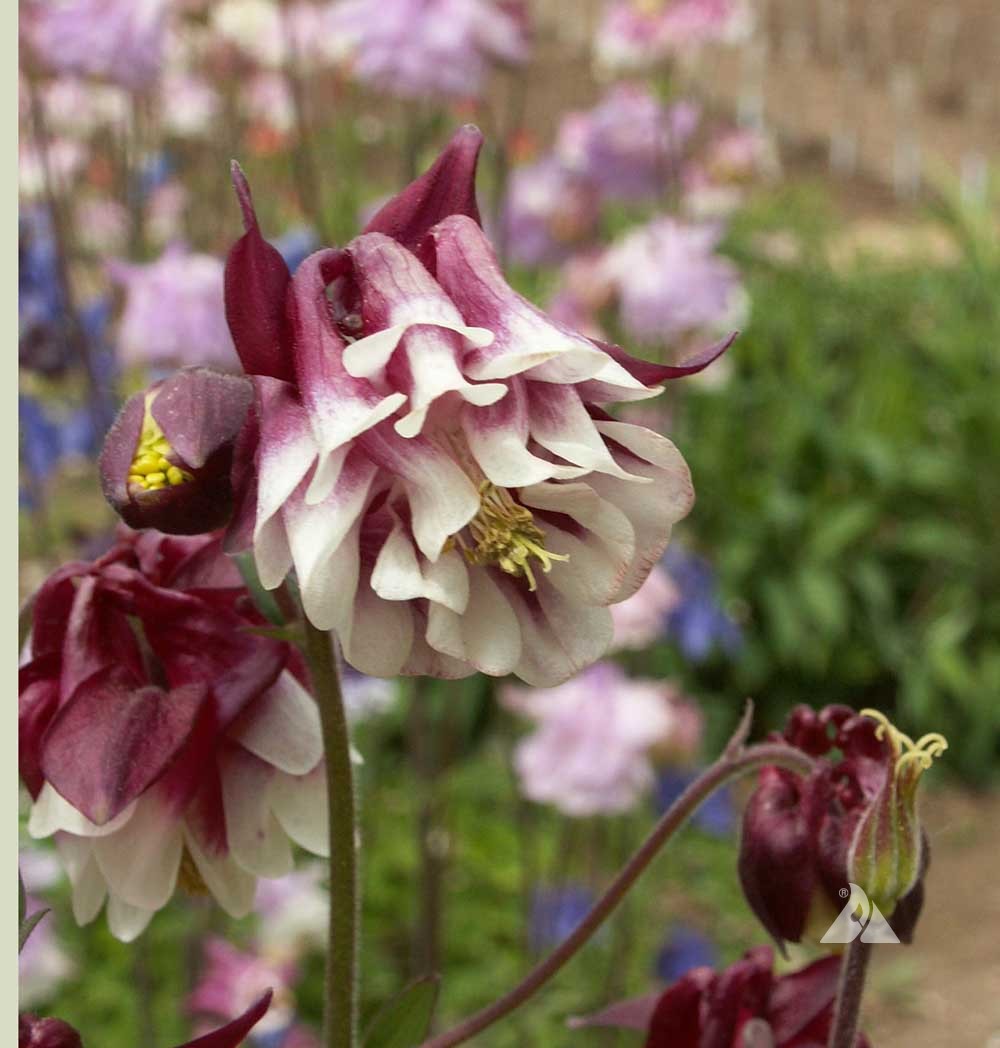
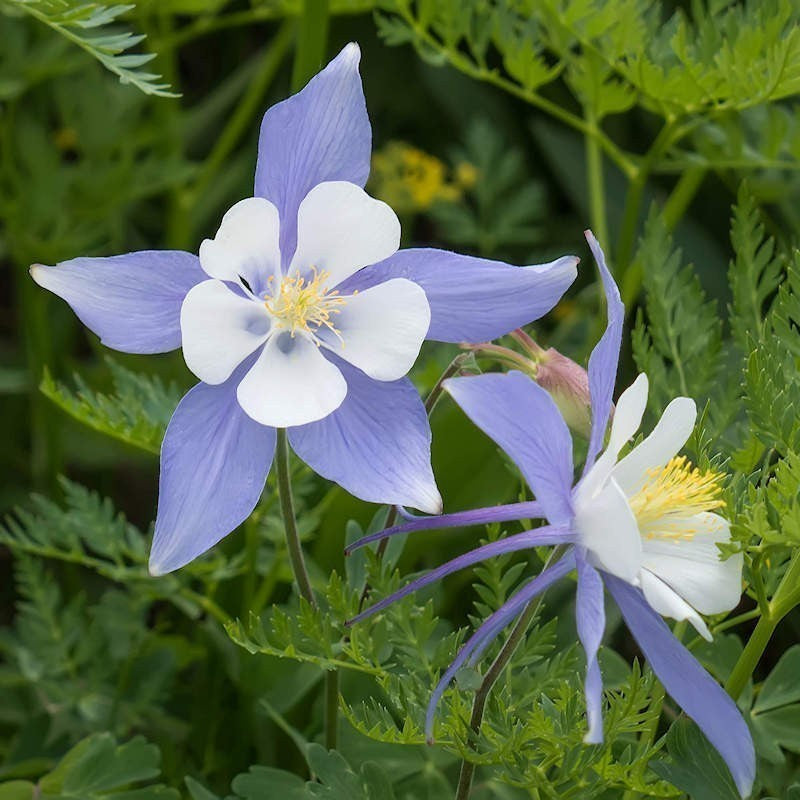
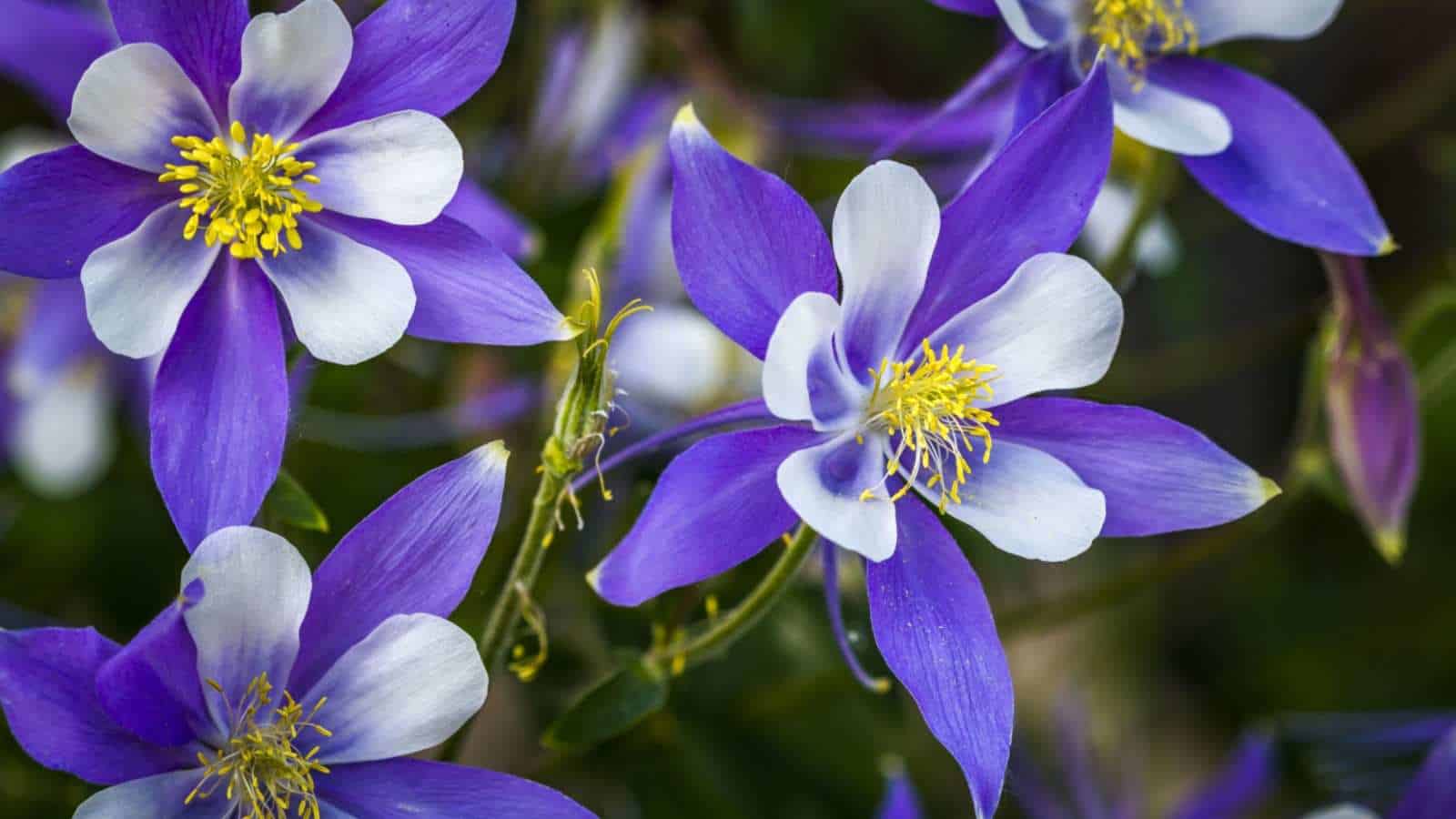
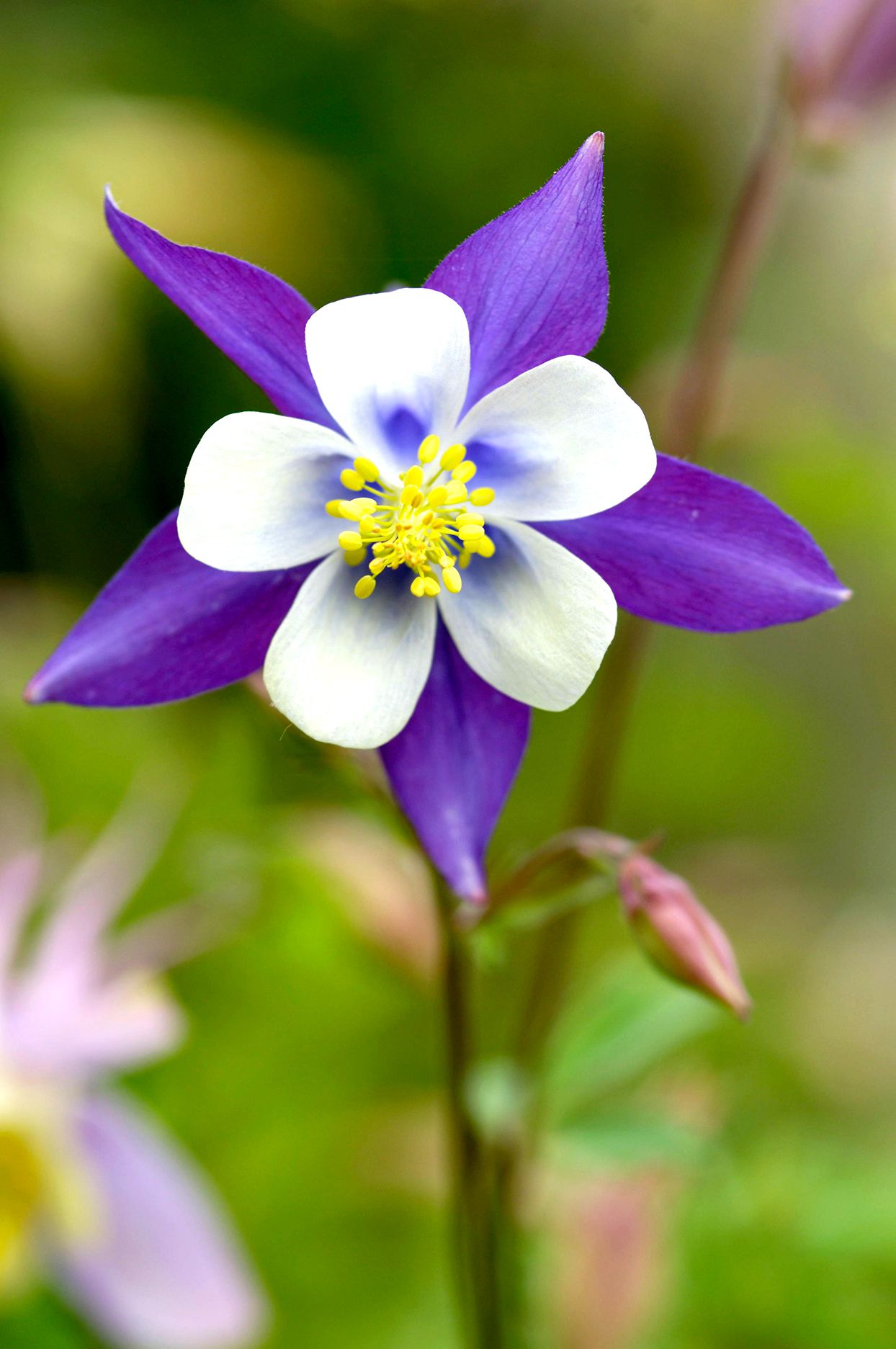
Columbine brings fairy-tale elegance to the landscape, with nodding flowers floating above delicate, softly divided foliage. Their distinctive petals and graceful spurs create an old-fashioned woodland atmosphere along pathways, cottage borders, and naturalistic garden spaces.
Columbine Flower Seeds from Evergrow Seeds are available at evergrowseeds.com for US home gardeners interested in ornamental Aquilegia species. Different species and hybrids vary in flower form, mature height, color, and regional adaptability.
Browse Our Columbine Flower Seeds
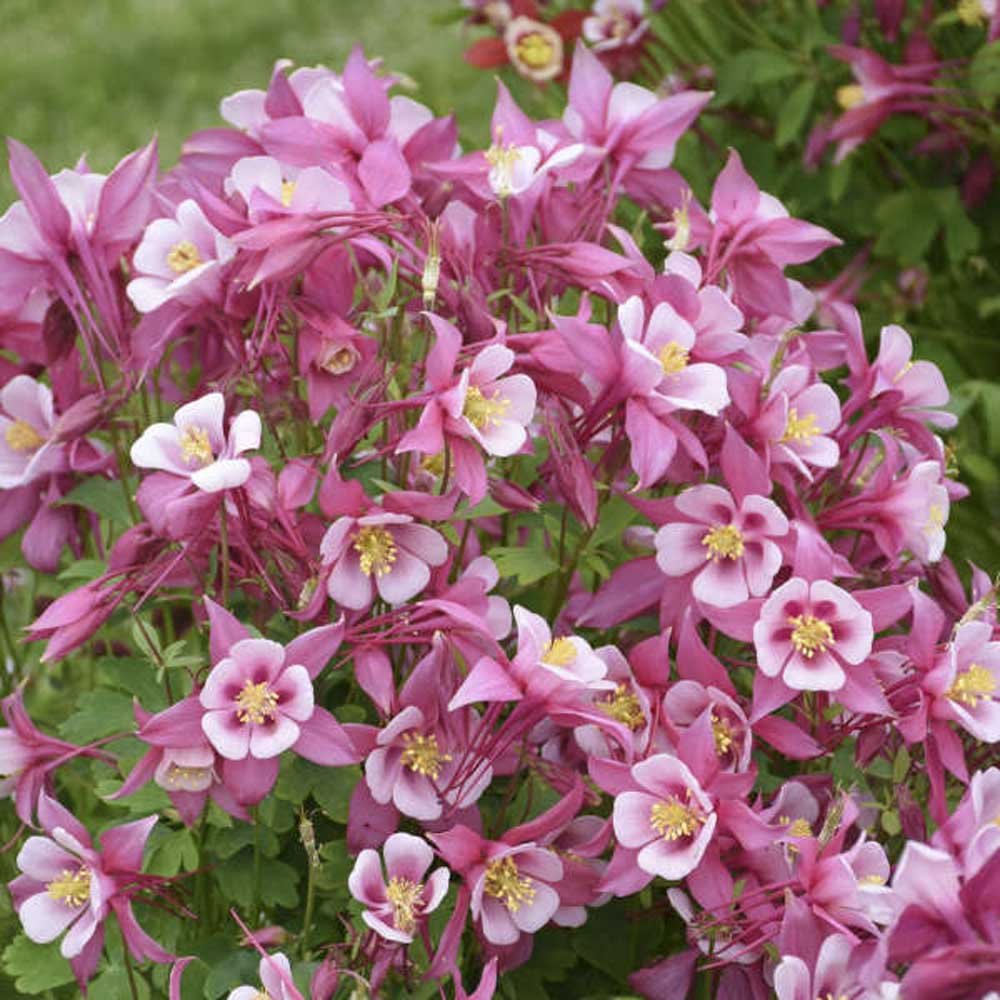
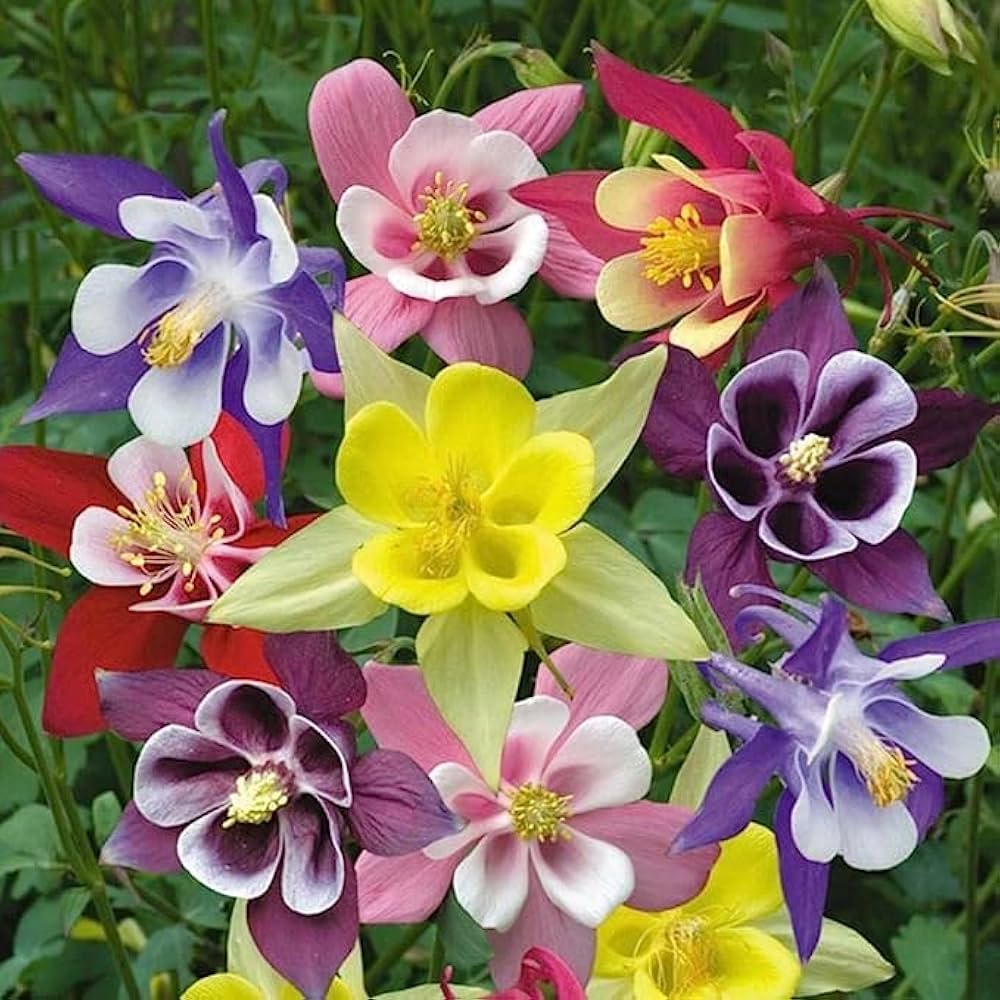
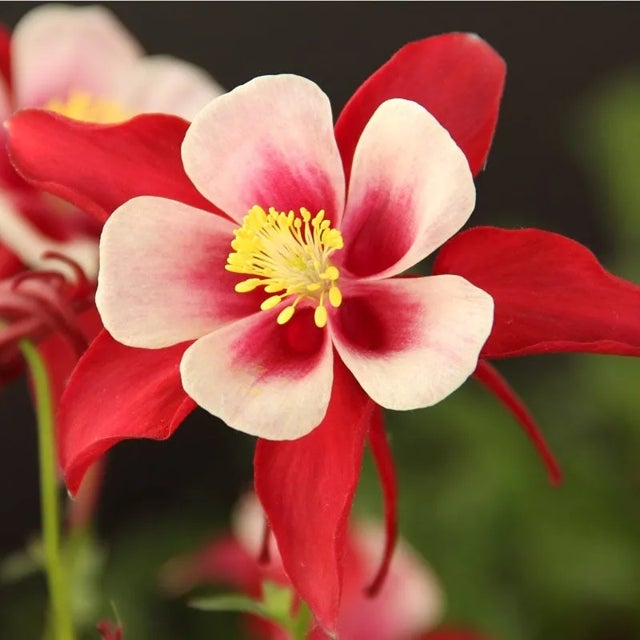
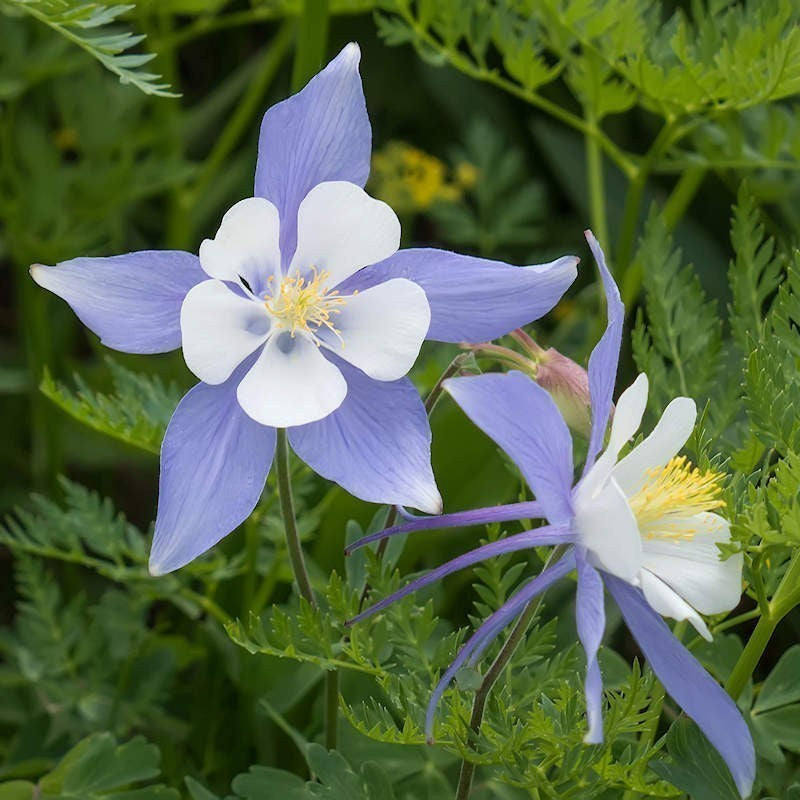
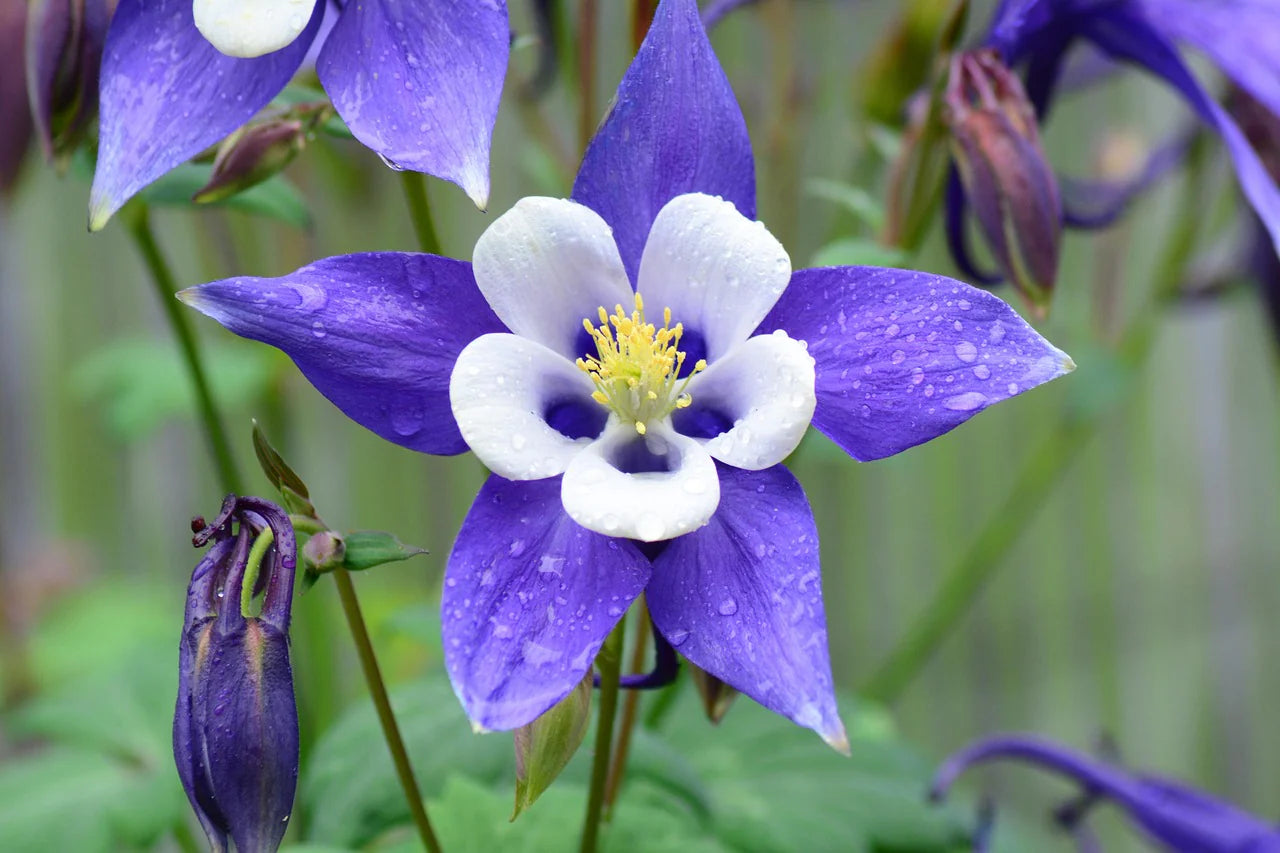
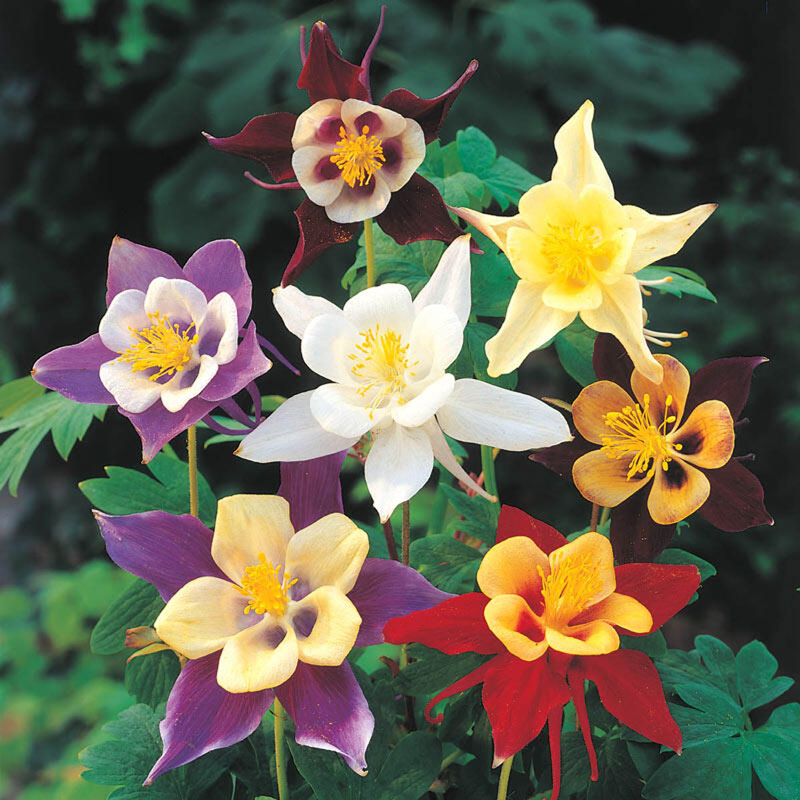
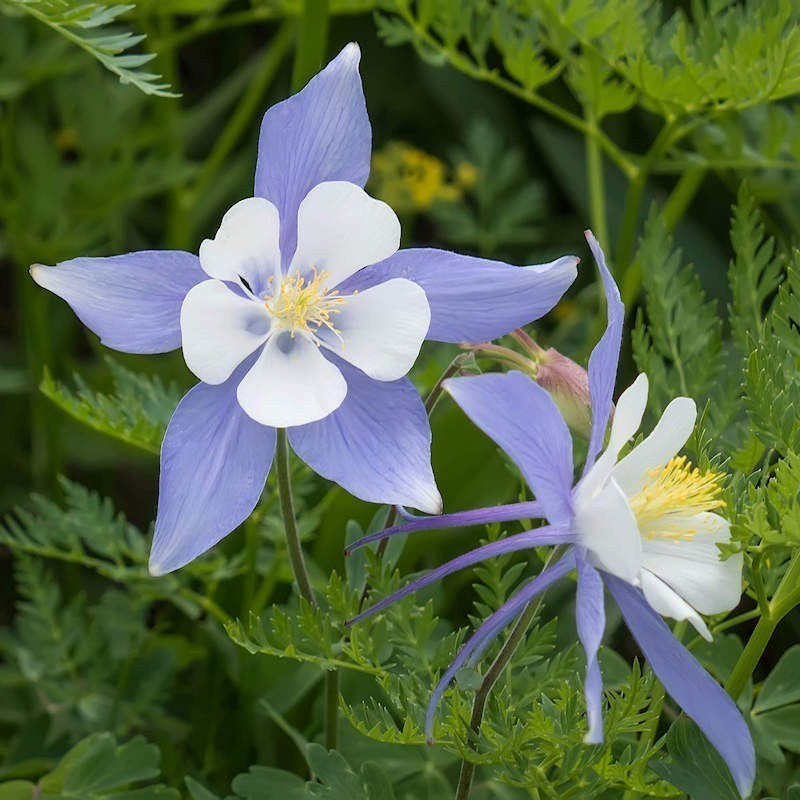
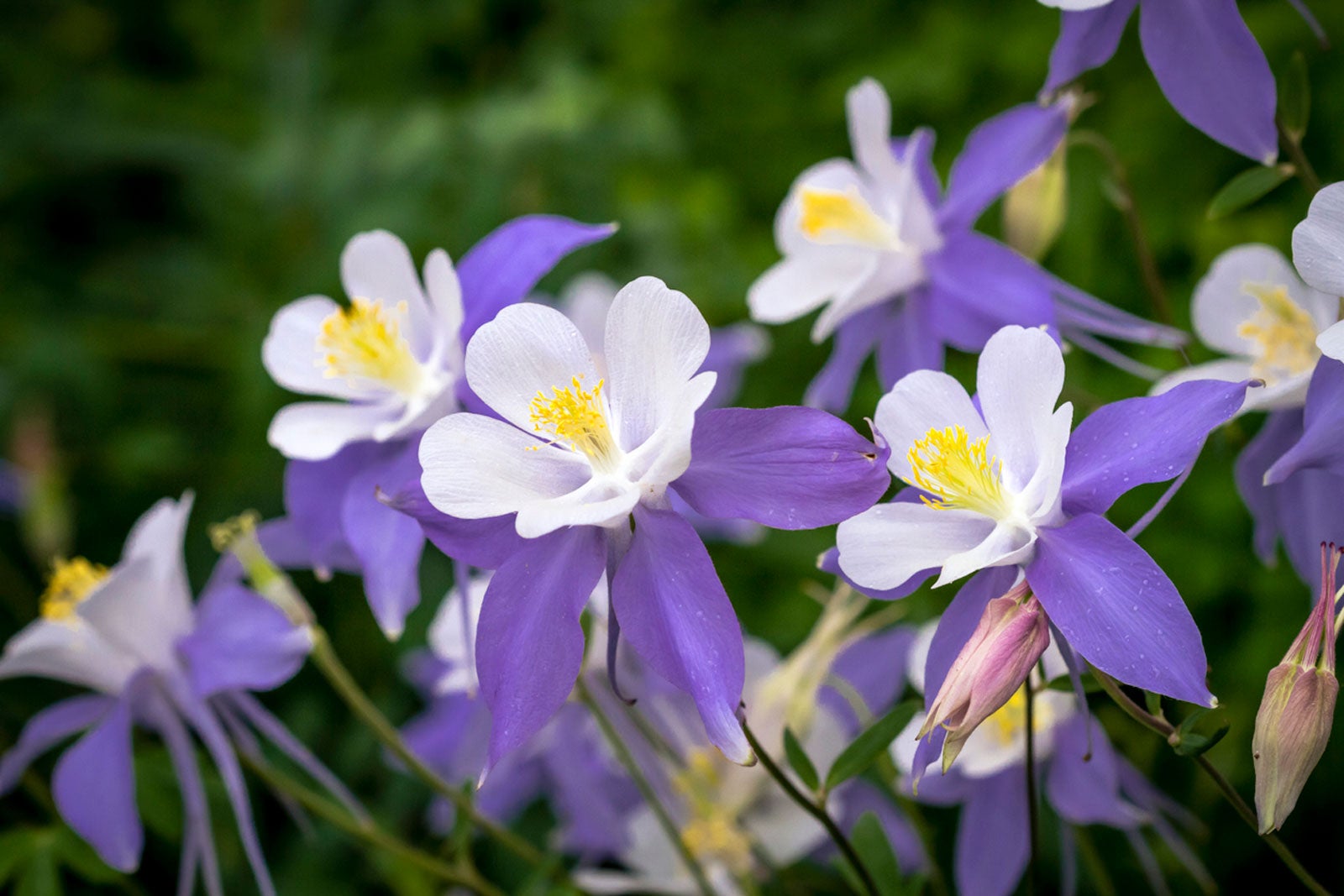
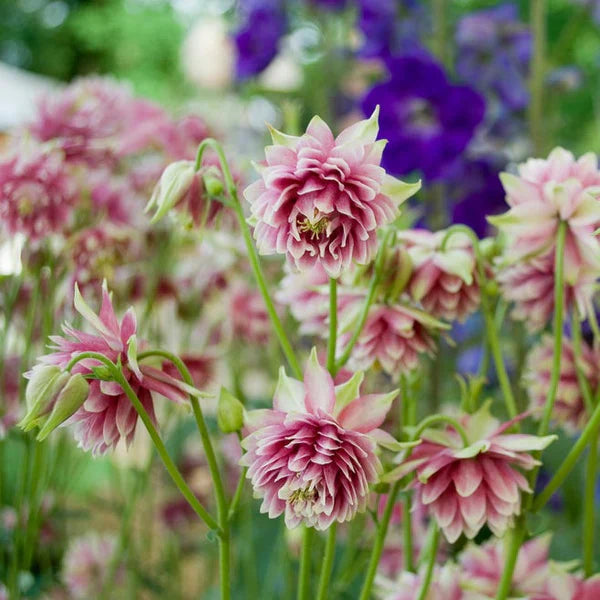
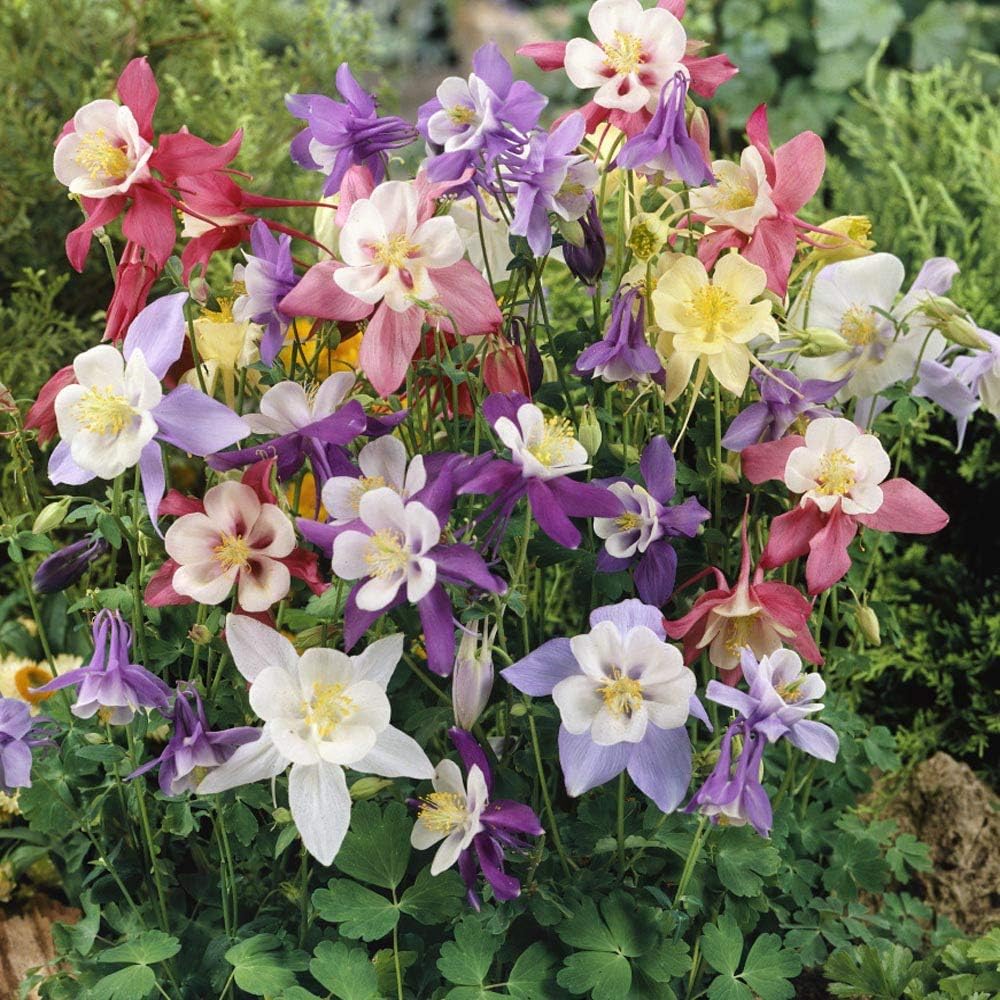
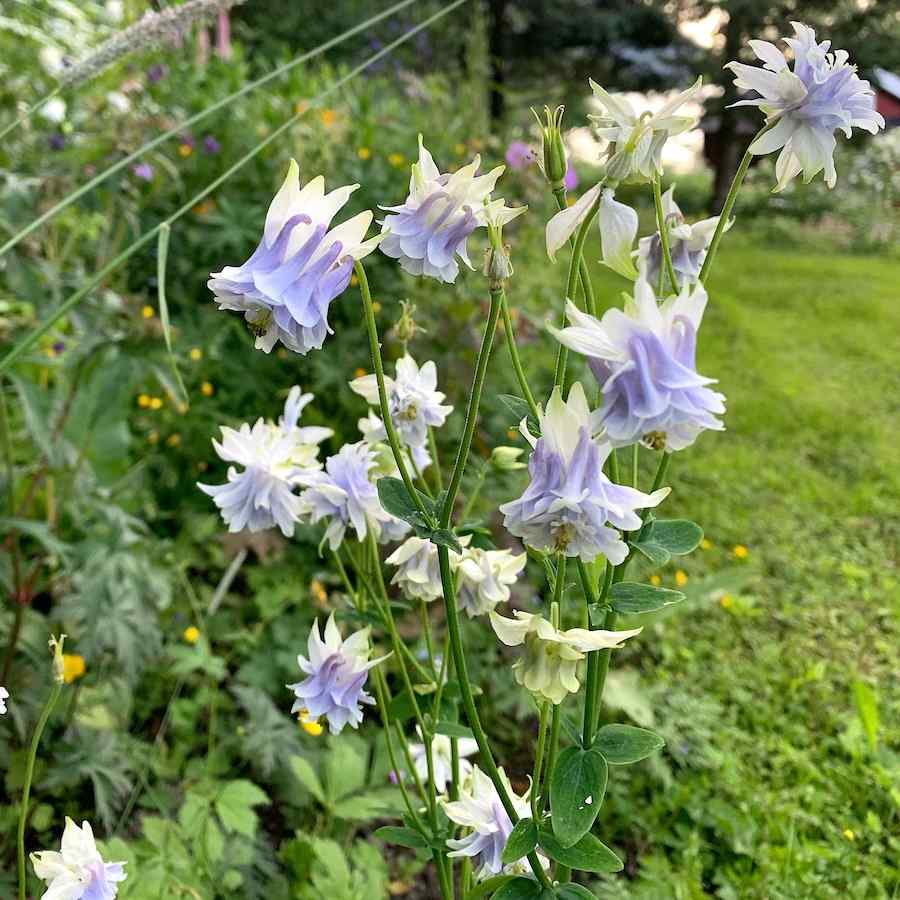
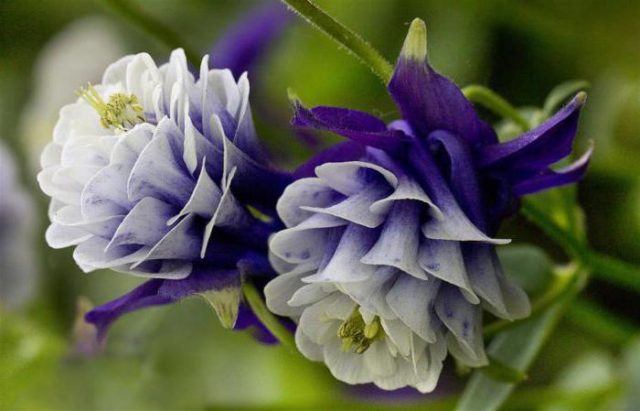
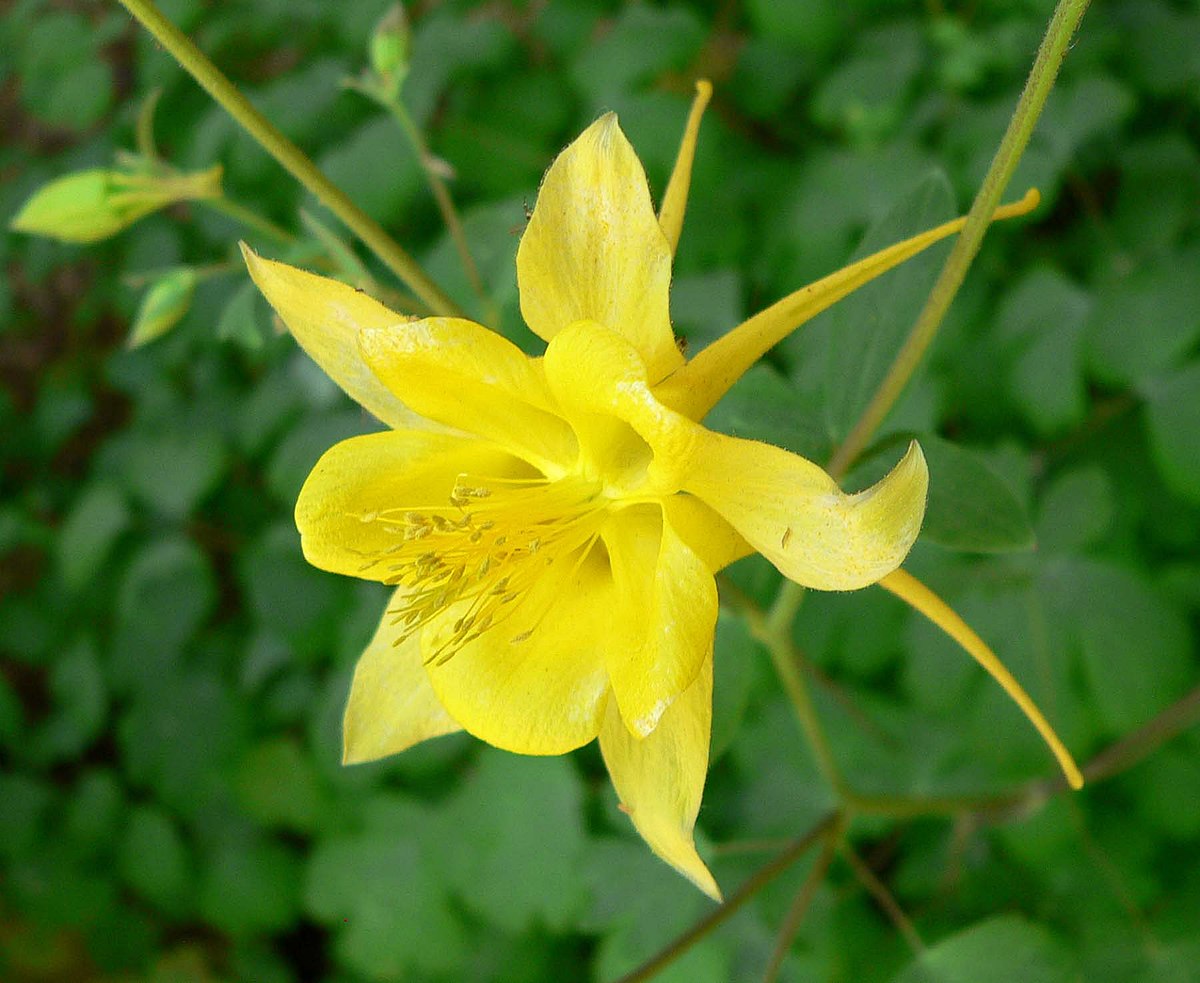
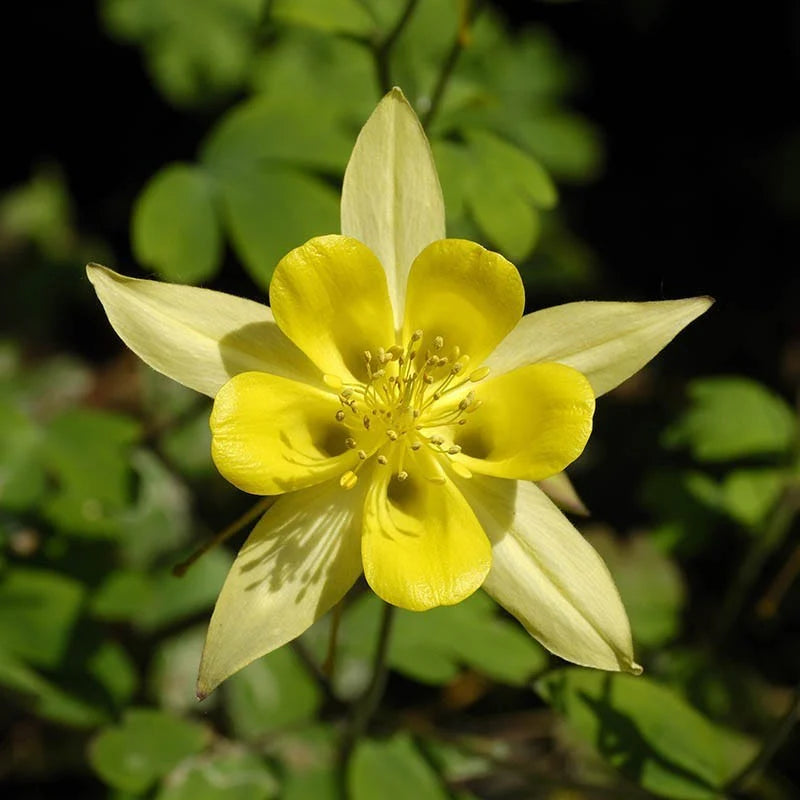
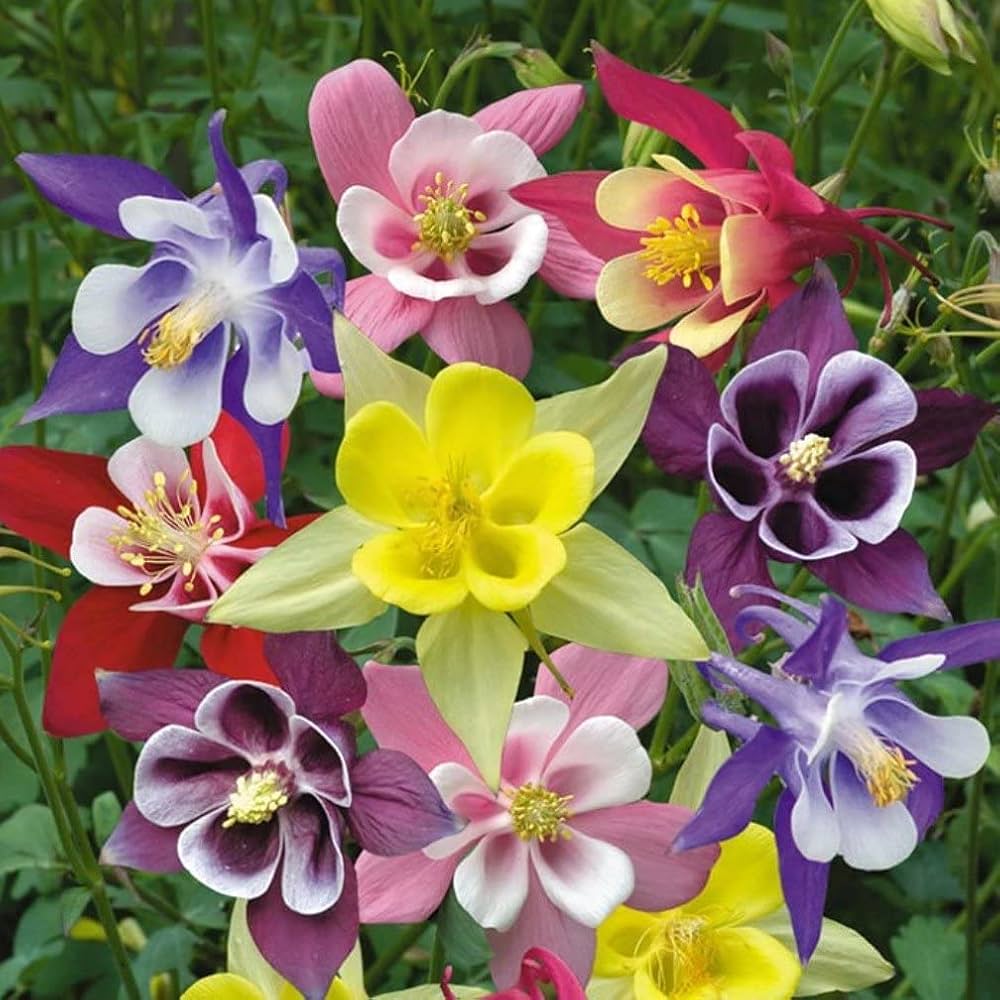
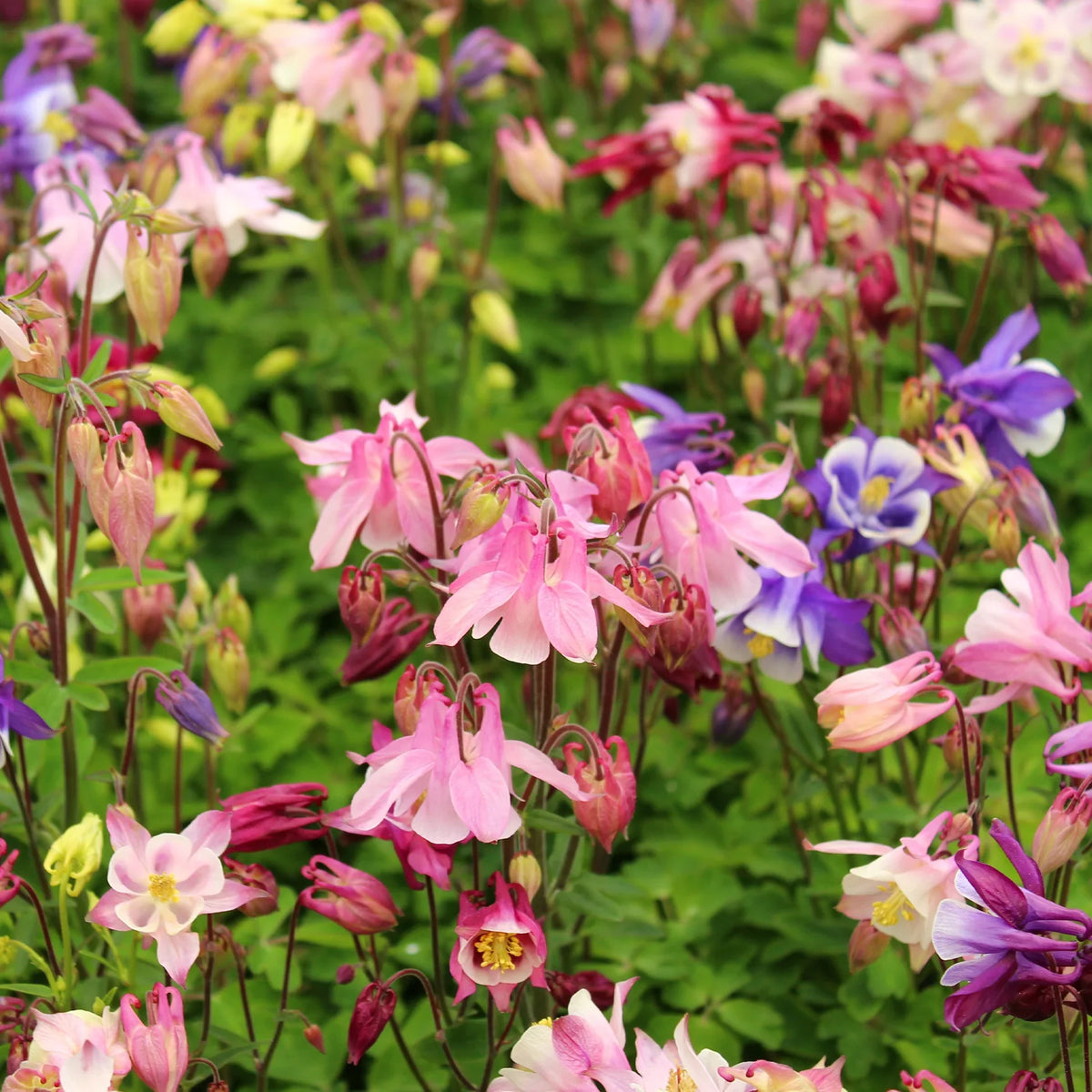
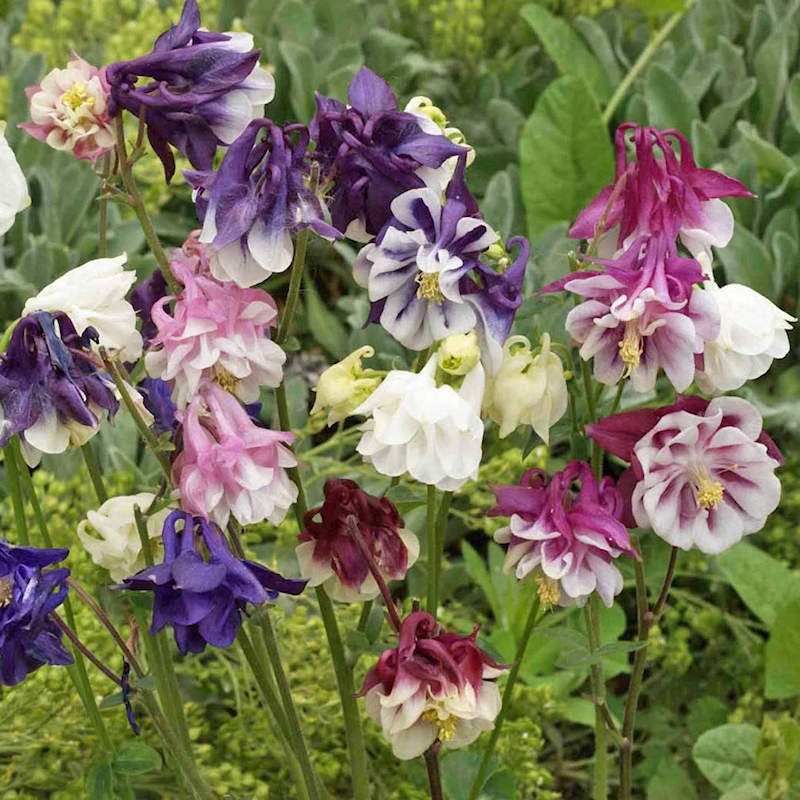
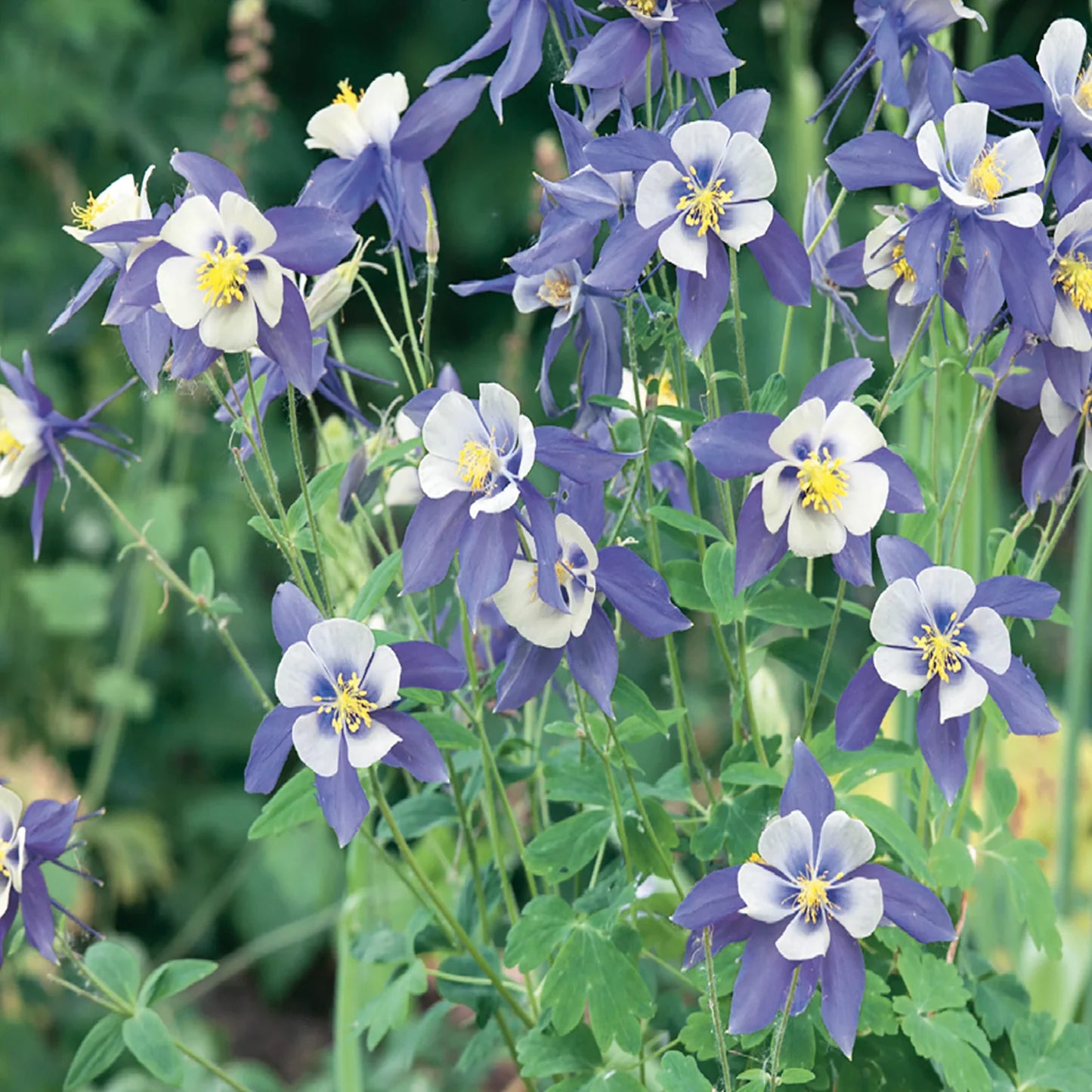
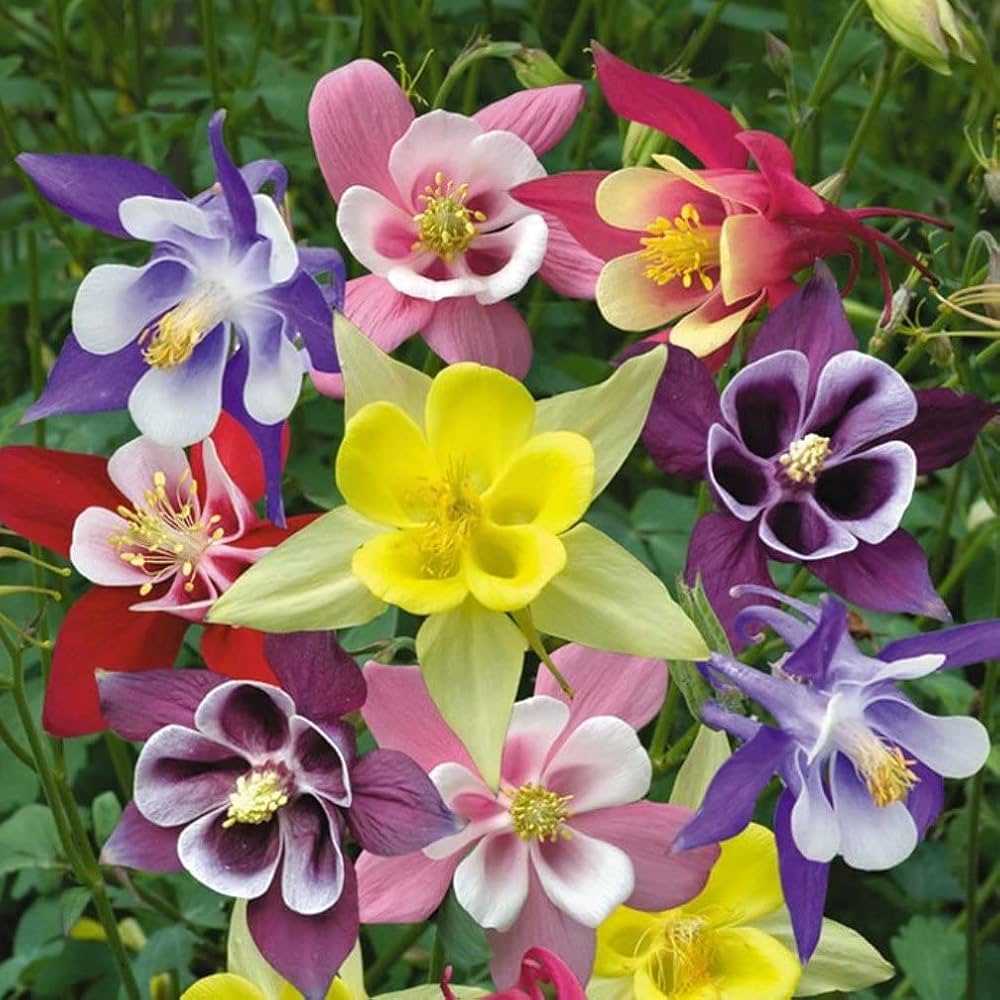
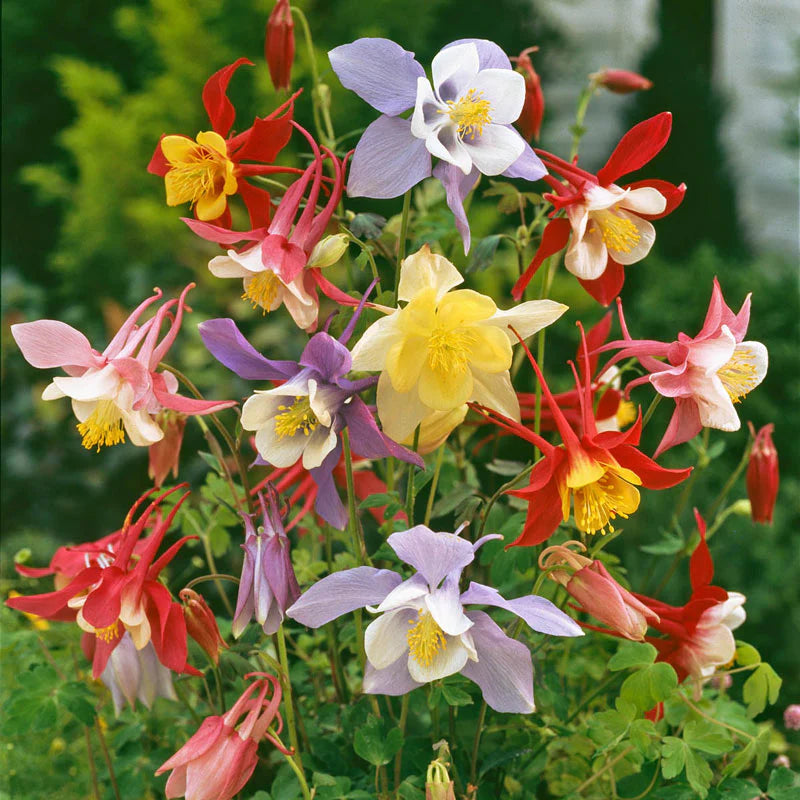
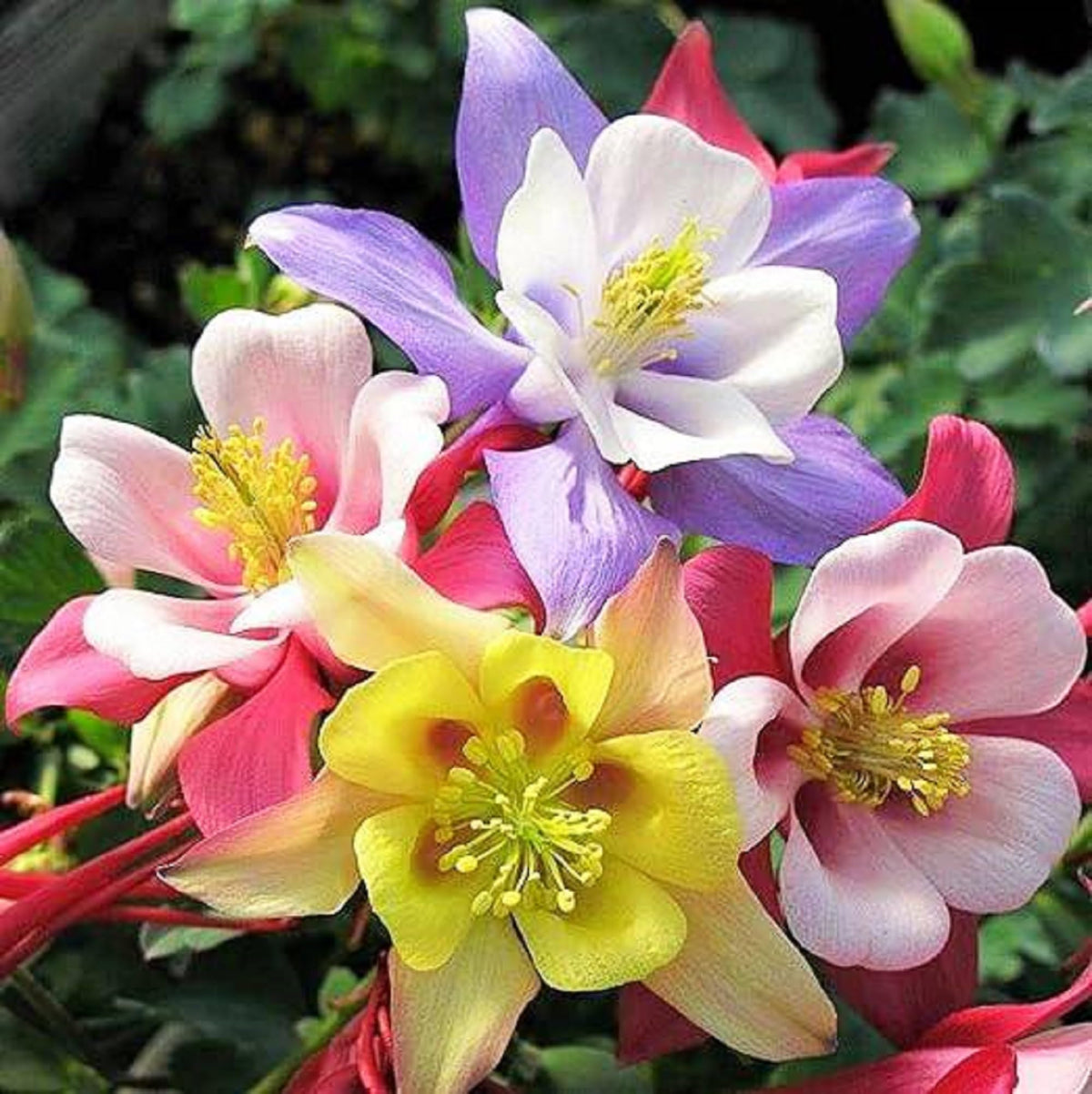
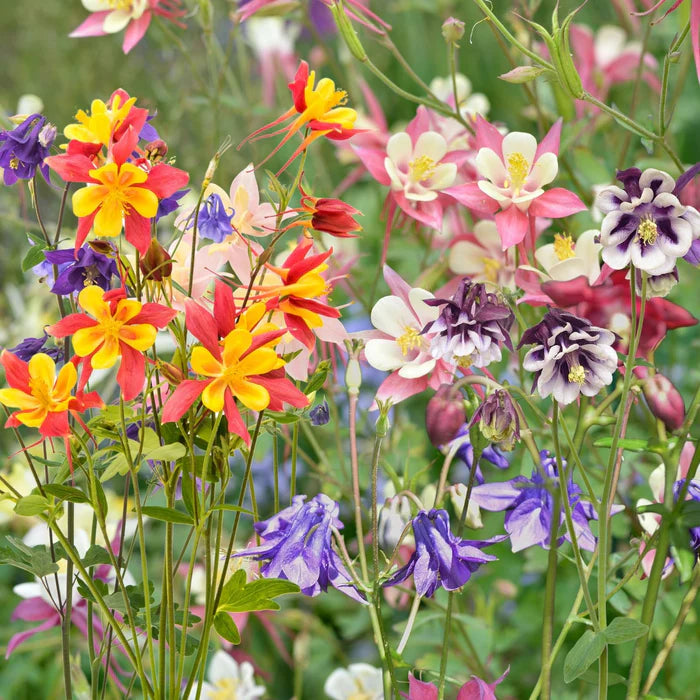
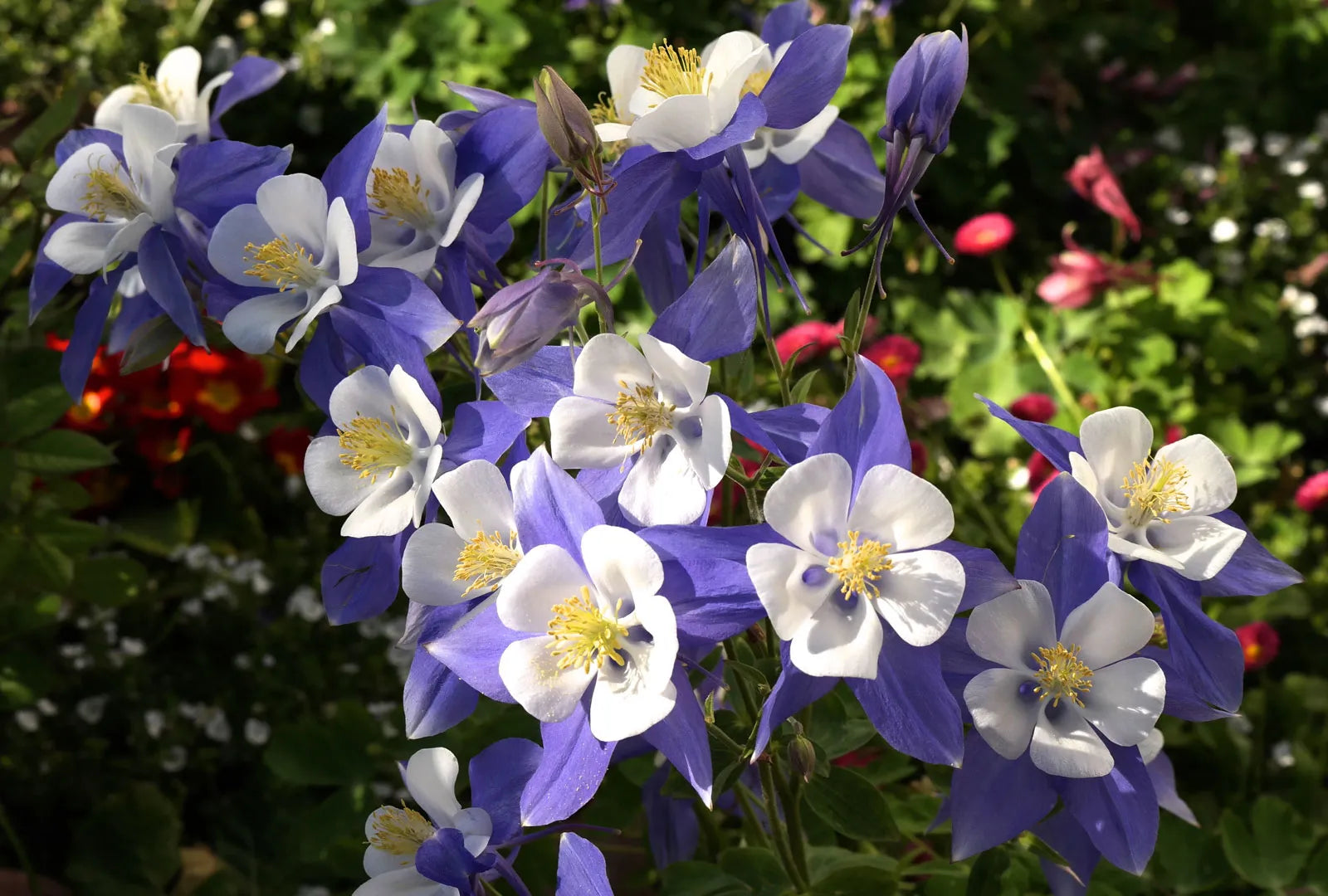
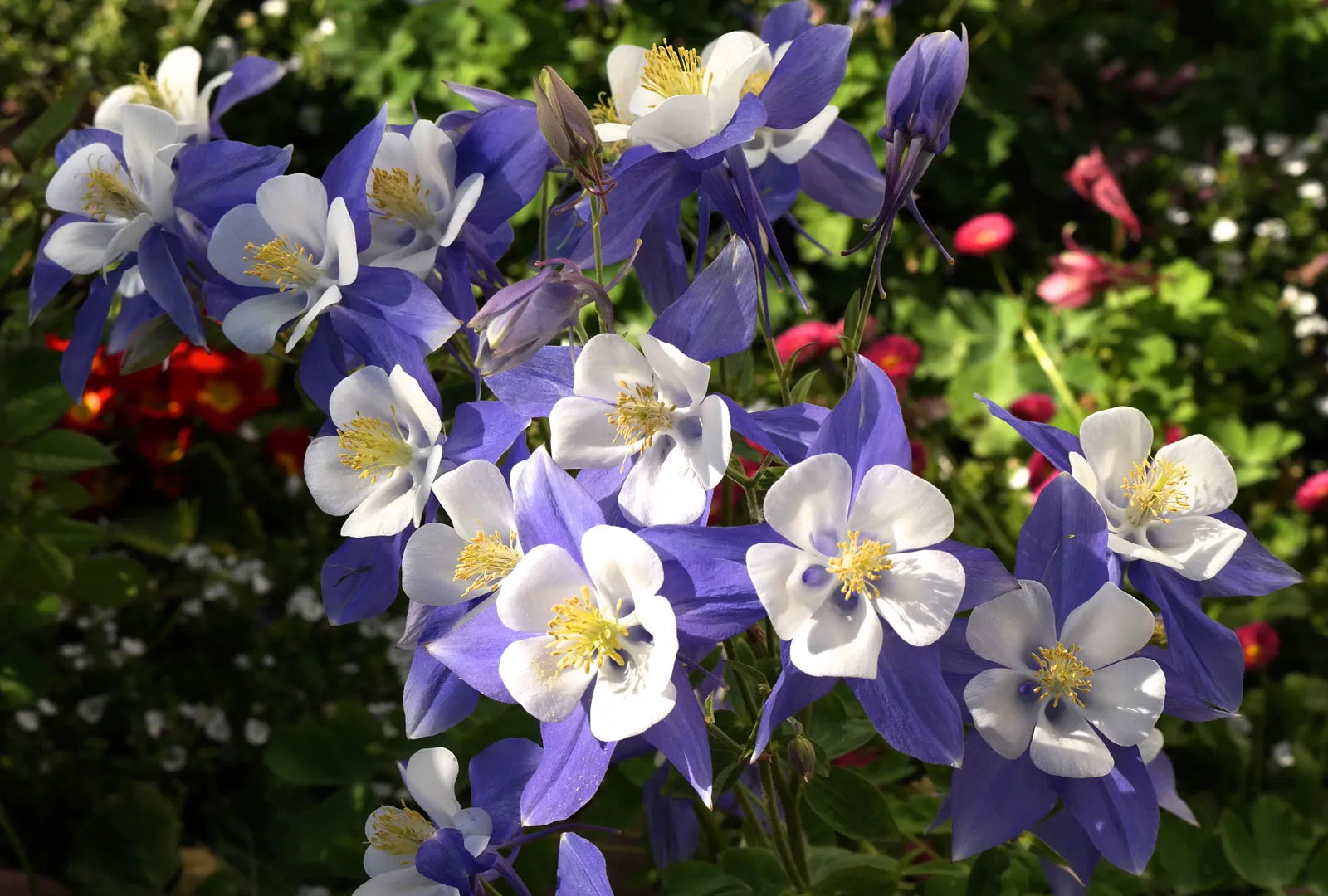
Depending on species and variety, Columbine flowers may appear in shades of white, cream, yellow, peach, pink, rose, red, burgundy, lavender, violet, purple, or blue, including striking bicolored combinations.
Their elegant flowers work beautifully in cottage gardens, woodland edges, partially shaded borders, and pollinator-friendly landscapes.
Plant Care Insights
Sunlight: Columbine generally prefers full sun to partial shade, depending on climate.
Soil: Choose fertile, loose, well-drained soil with moderate moisture retention.
Watering: Maintain moderate moisture while avoiding prolonged waterlogging.
Companion Plants: Pair with foxgloves, campanula, ferns, and forget-me-nots.
Maintenance: Remove mature seed heads when excessive natural reseeding is not desired.
Frequently Asked Questions
Can Columbine grow across different US climates?
Many Aquilegia species grow successfully throughout temperate regions of the United States.
Regional suitability and heat tolerance vary according to species.
How large can mature Columbine plants become?
Columbines range from compact alpine types to taller flowering garden varieties.
Final dimensions depend on species, genetics, and growing conditions.
When does Columbine typically produce flowers?
Many Columbines flower from mid-spring through early summer.
Exact bloom timing varies according to climate and species.
Does Columbine attract hummingbirds?
Yes. Many long-spurred Columbine flowers provide nectar and are especially attractive to hummingbirds, while bees and other pollinators may also visit.
Shop By Category