Salmonberry Seeds – Sunset-Colored Jewels for the Woodland Garden
Salmonberries bring the gentle romance of a Pacific Northwest woodland into the home landscape. Their arching stems, fresh green foliage, colorful spring blossoms, and raspberry-like fruits create a nostalgic scene reminiscent of shaded cottage pathways, woodland edges, and tiny golden-pink jewels glowing beneath leafy branches.
Salmonberry Seeds are available at evergrowseeds.com from Evergrow Seeds for gardeners who appreciate distinctive native berry plants with natural landscape character. Botanically known as Rubus spectabilis, salmonberry is native to western North America and naturally occurs in moist forests, streamside areas, and other cool, moisture-rich habitats.
Browse Our Salmonberry Seeds
Salmonberry plants produce attractive flowers that are typically pink to deep rose or reddish-magenta. Their five-petaled blossoms create a particularly colorful spring display compared with the white flowers of many related brambles.
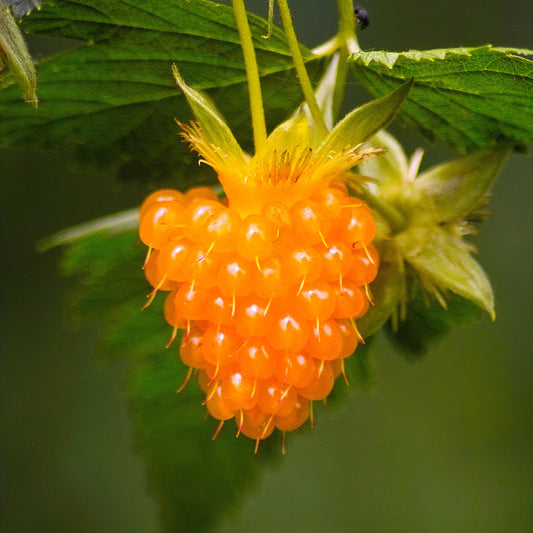
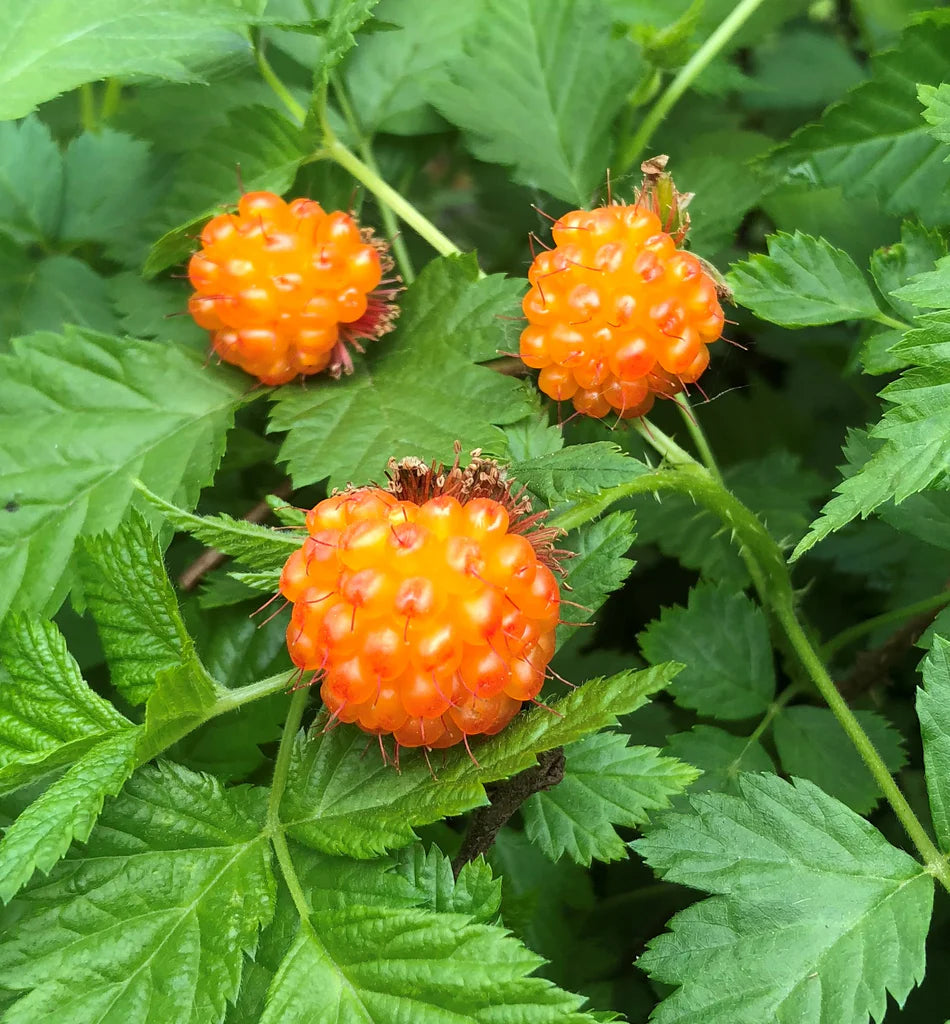
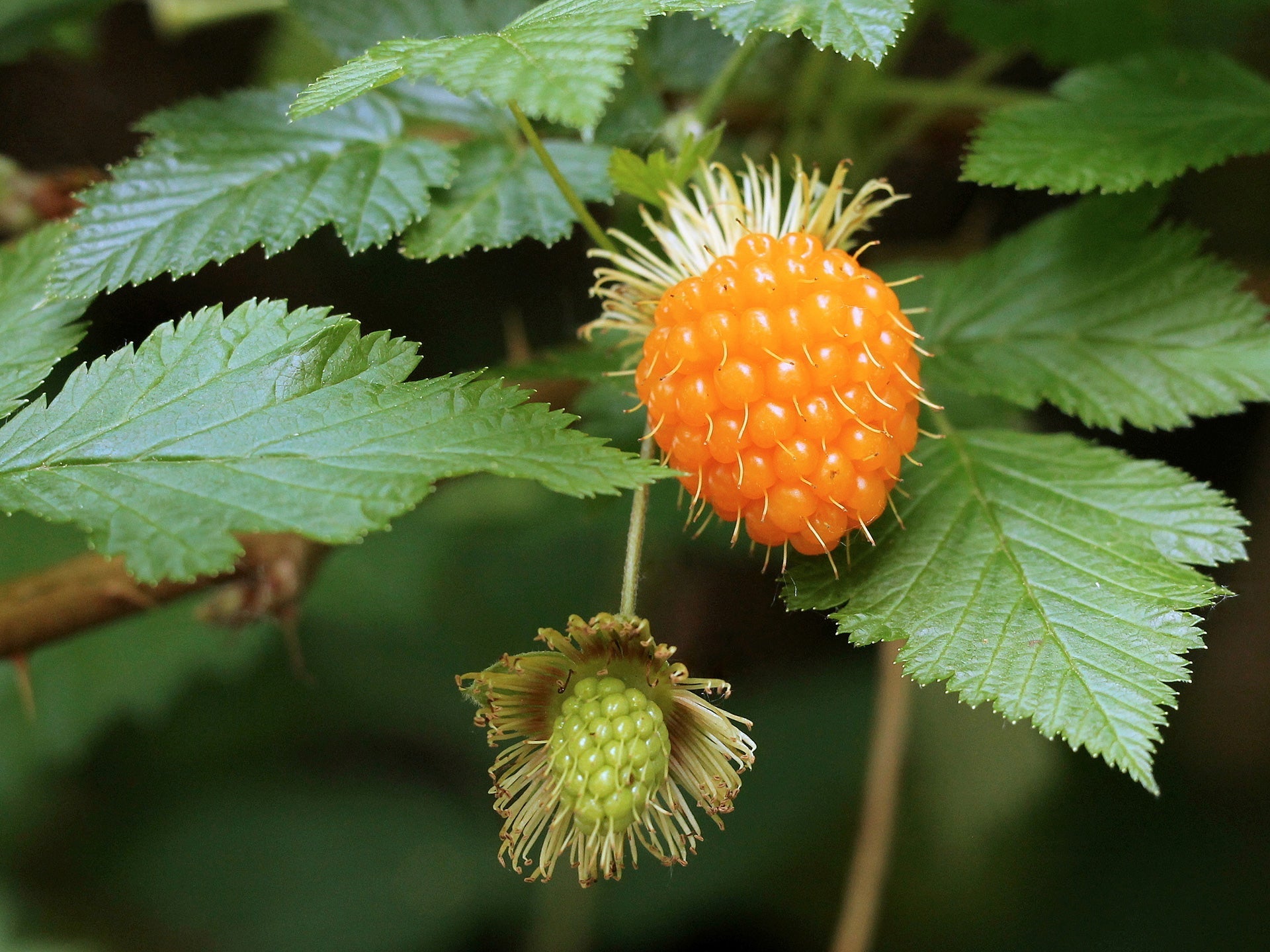
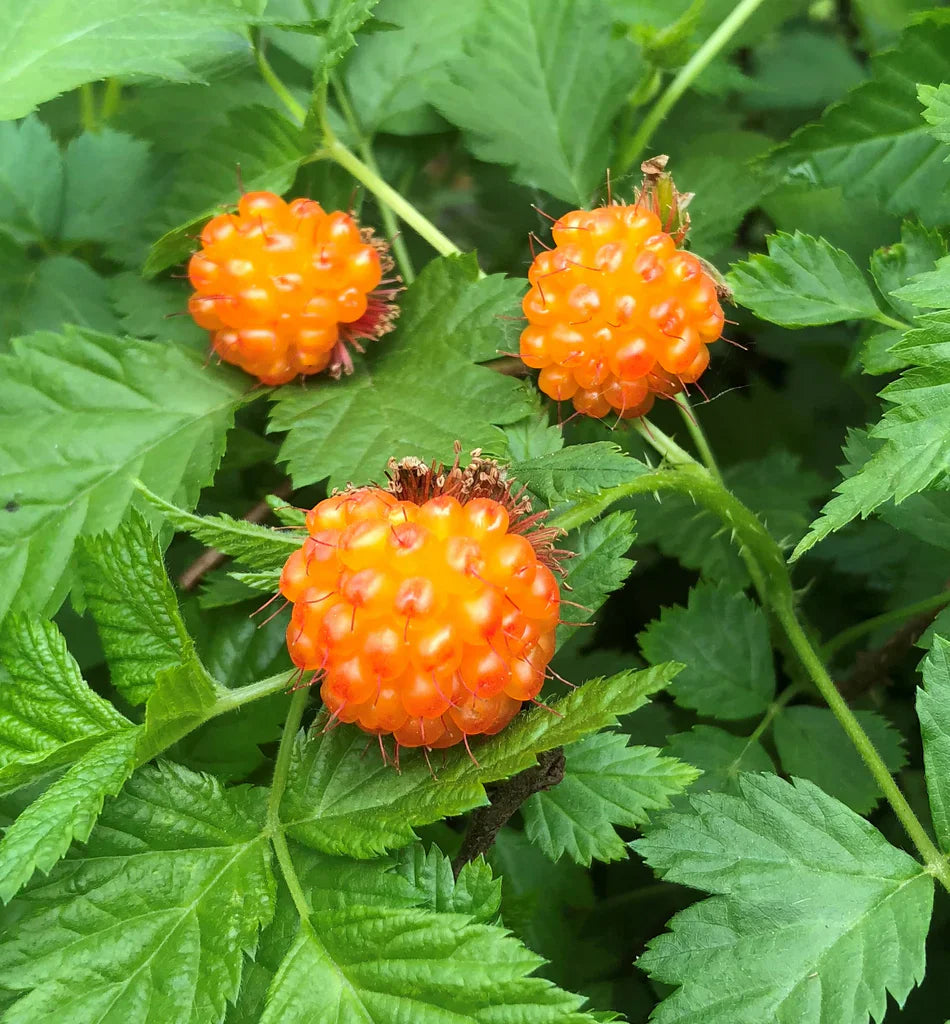
The raspberry-like fruits offer beautiful natural variation. Depending on the individual plant and stage of maturity, berries may appear pale yellow, golden yellow, salmon, peach, orange, orange-red, or reddish.
Their arching stems, vibrant blossoms, and warm-toned fruits make Salmonberries especially attractive for woodland-inspired cottage gardens, naturalized edible borders, and wildlife-friendly landscapes where adequate moisture and growing space are available.
Plant Care Insights
Sunlight: Grow in partial shade to full sun, with afternoon shade helpful in warmer or drier locations.
Soil: Plant in fertile, humus-rich, moisture-retentive but reasonably well-drained soil.
Watering: Maintain consistent soil moisture, particularly during establishment and dry weather.
Companion Plants: Compatible woodland plants and moisture-loving native species can grow nearby when sufficient spacing is maintained.
Maintenance: Allow room for spreading growth, manage suckers where necessary, remove damaged or older canes, and wear gloves when handling prickly stems.
Frequently Asked Questions
What climate is suitable for Salmonberries?
Salmonberries generally favor cool, moist temperate growing conditions.
They are particularly well adapted to climates resembling western North America.
How large do mature Salmonberry plants become?
Salmonberries develop into vigorous, multi-stemmed deciduous shrubs with arching canes.
Their final height and spread depend on moisture, soil, and growing conditions.
Do Salmonberry plants require pruning?
Selective pruning helps remove damaged or aging canes and control spreading growth.
Unwanted suckers can also be removed to maintain defined garden boundaries.
What color are ripe Salmonberries?
Ripe Salmonberries naturally vary considerably in their final fruit coloration.
Fruits may mature yellow, salmon, orange, orange-red, or reddish depending on genetics.
Shop By Category