Grow Ashwagandha Seeds for a Timeless Cottage Garden
With its soft foliage and understated appearance, Ashwagandha brings an old-world feeling to the home garden. Also known as Withania somnifera, this herb has a long history of traditional use and makes an intriguing addition to gardeners' collections. Evergrow Seeds Ashwagandha Seeds are suited to gardeners who appreciate distinctive herbs and plants with a story.
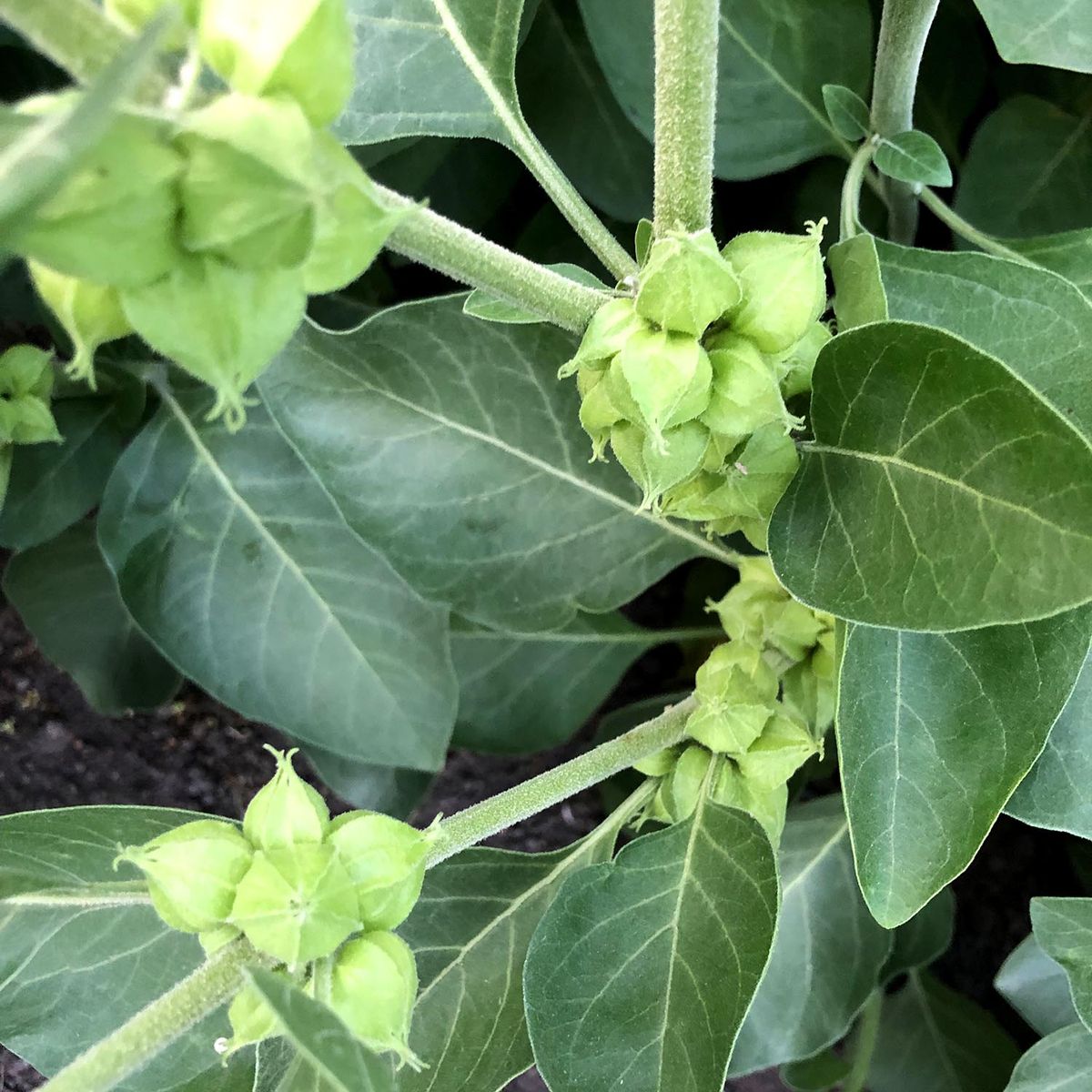
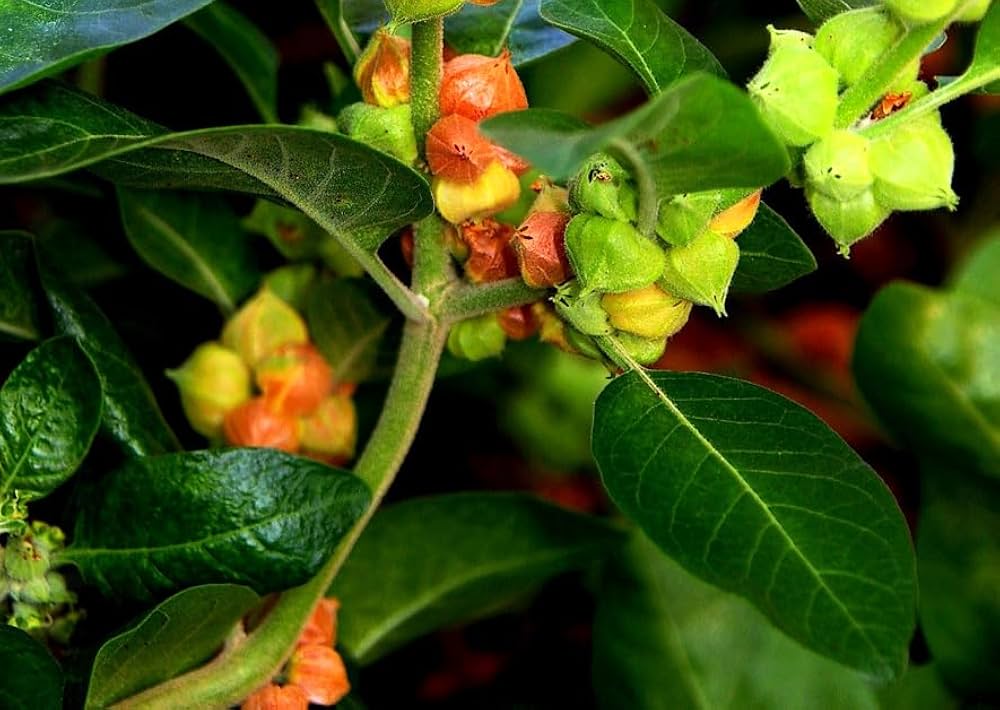
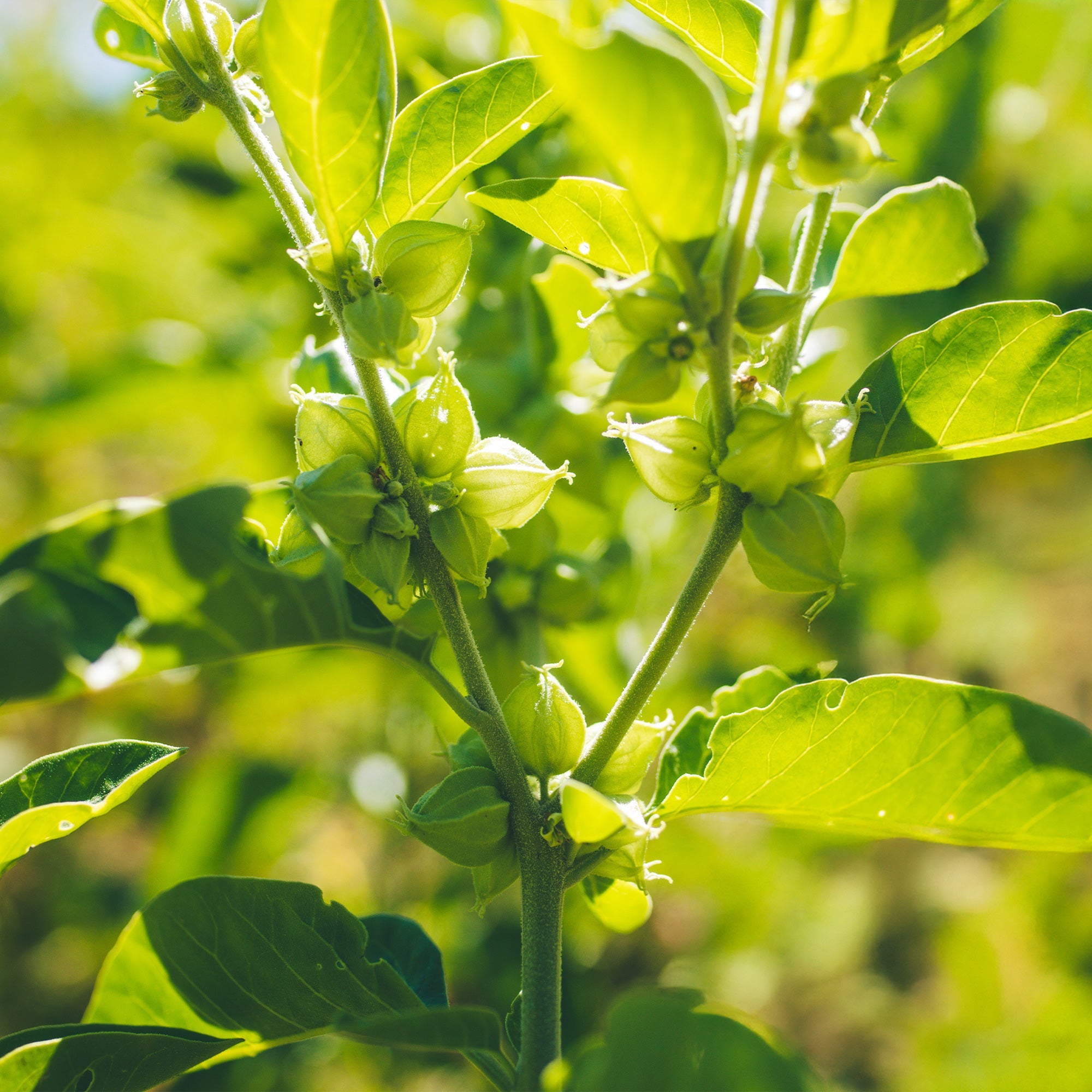
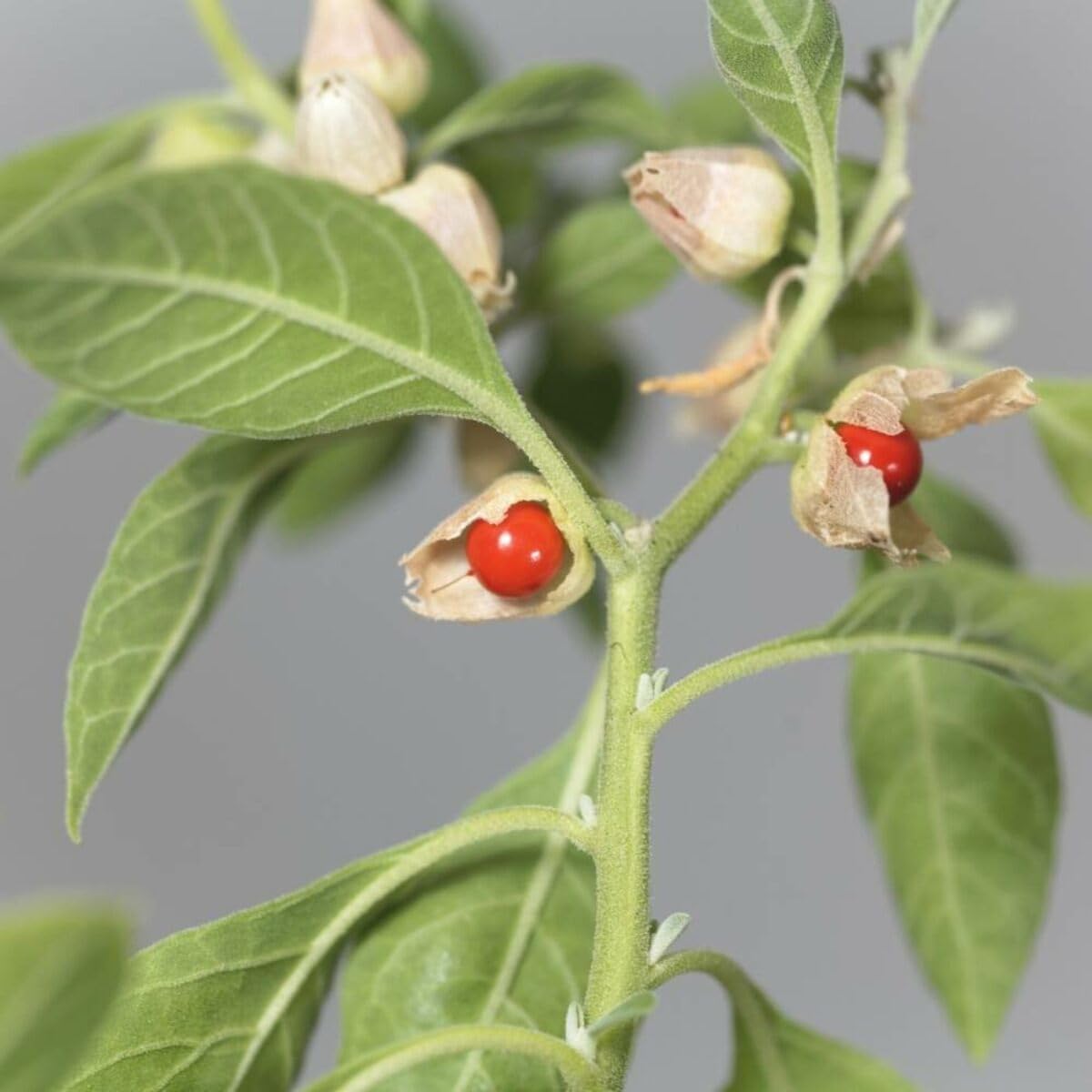
Ashwagandha has a naturally gentle appearance, with muted green to gray-green foliage and small flowers that can add subtle interest as the plant develops. Its quiet beauty fits comfortably into herb gardens, informal borders, and warm-climate planting schemes.
While its traditional history is interesting, gardeners should distinguish ornamental and gardening purposes from medicinal use. If considering herbs for personal wellness, consult a qualified healthcare professional, particularly when medications or health conditions are involved.
You can explore Ashwagandha Seeds at evergrowseeds.com when planning a distinctive addition to your home herb garden.
Browse Our Ashwagandha Seeds
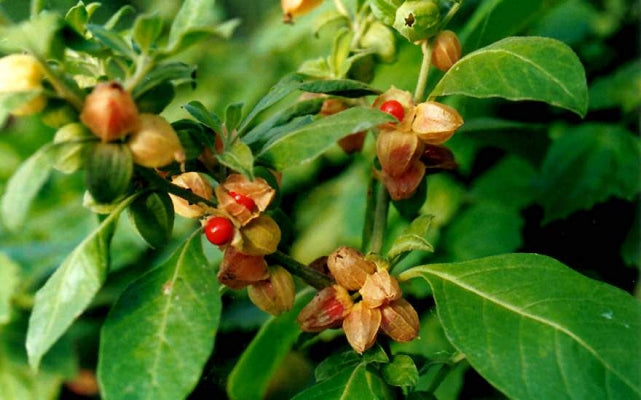
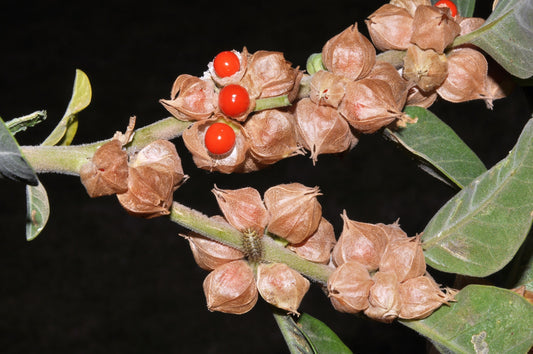
Ashwagandha is generally recognized for its soft green to gray-green foliage and small, understated flowers. Later, the plant may develop small red-orange berries enclosed by papery coverings, adding another seasonal detail to its appearance.
Use Ashwagandha in herb collections, warm-climate gardens, informal borders, or natural-style planting areas. Its muted foliage can complement brighter flowering plants while contributing subtle texture to the landscape.
Plant Care Insights
Sunlight: Choose a sunny location with several hours of direct light for healthy, compact growth.
Soil: Provide well-drained soil, as the plant does not favor persistently wet conditions.
Watering: Allow the soil to dry somewhat between waterings rather than keeping it continuously saturated.
Companion plants: Pair it with other plants that prefer warm conditions and well-drained soil.
Maintenance: Remove damaged growth and keep surrounding weeds under control to maintain an orderly planting area.
Frequently Asked Questions
What climate is best for growing Ashwagandha?
Ashwagandha generally prefers warm climates and a long growing season.
It can be sensitive to frost and prolonged cold.
How large can Ashwagandha plants become?
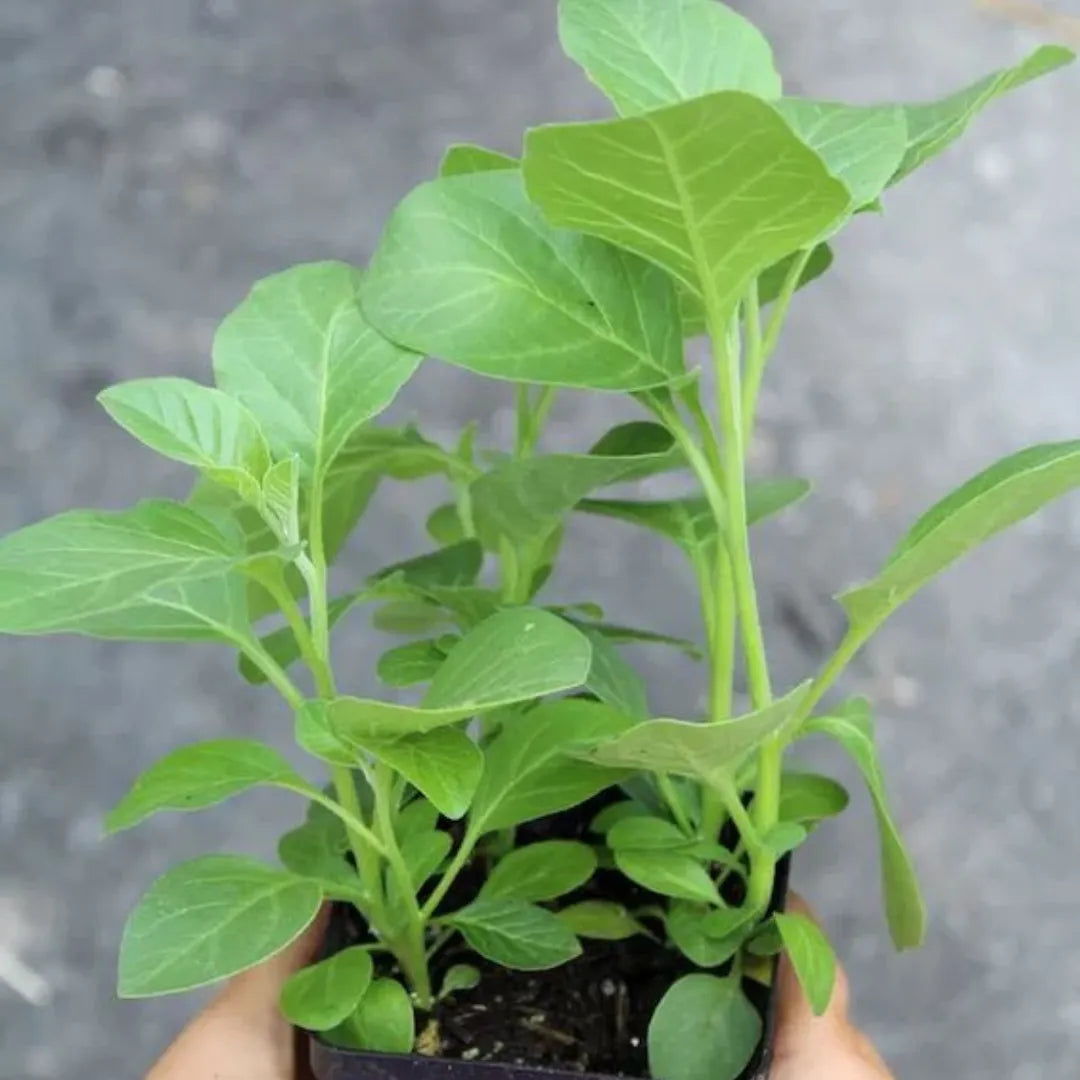
Ashwagandha commonly develops into a compact, branching plant.
Mature size varies with climate, soil, and growing conditions.
Does Ashwagandha produce flowers?
Yes, it produces small, greenish-yellow flowers as it matures.
These understated blooms can appear among the foliage.
What pests can affect Ashwagandha plants?
Common garden insects may occasionally visit Ashwagandha foliage.
Regularly checking leaves can help identify pest activity early.
Shop By Category