Blanket Flower Seeds for Planting – Cover Your Garden in Fiery Color
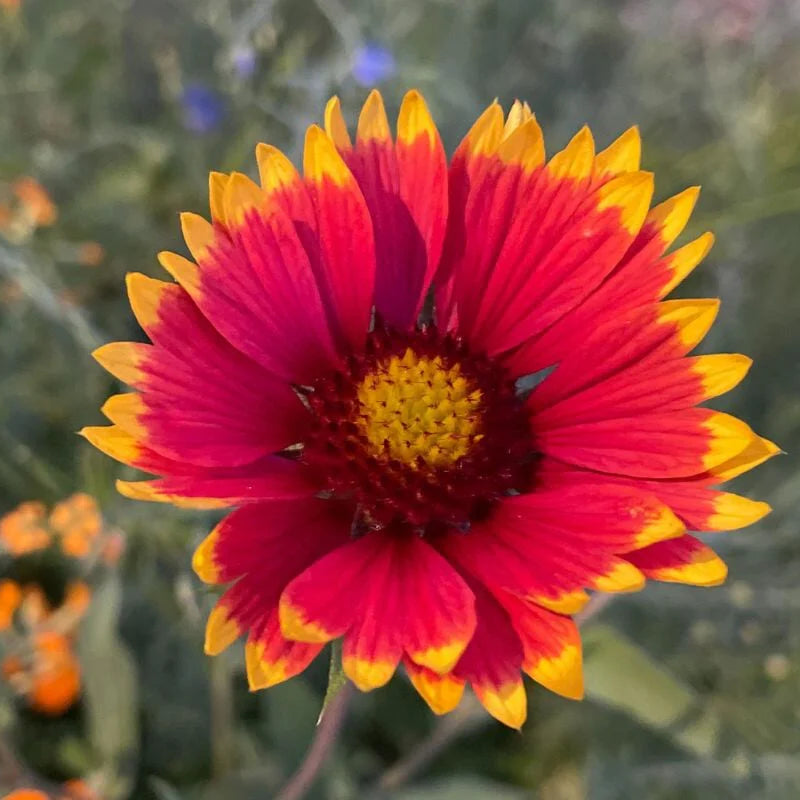
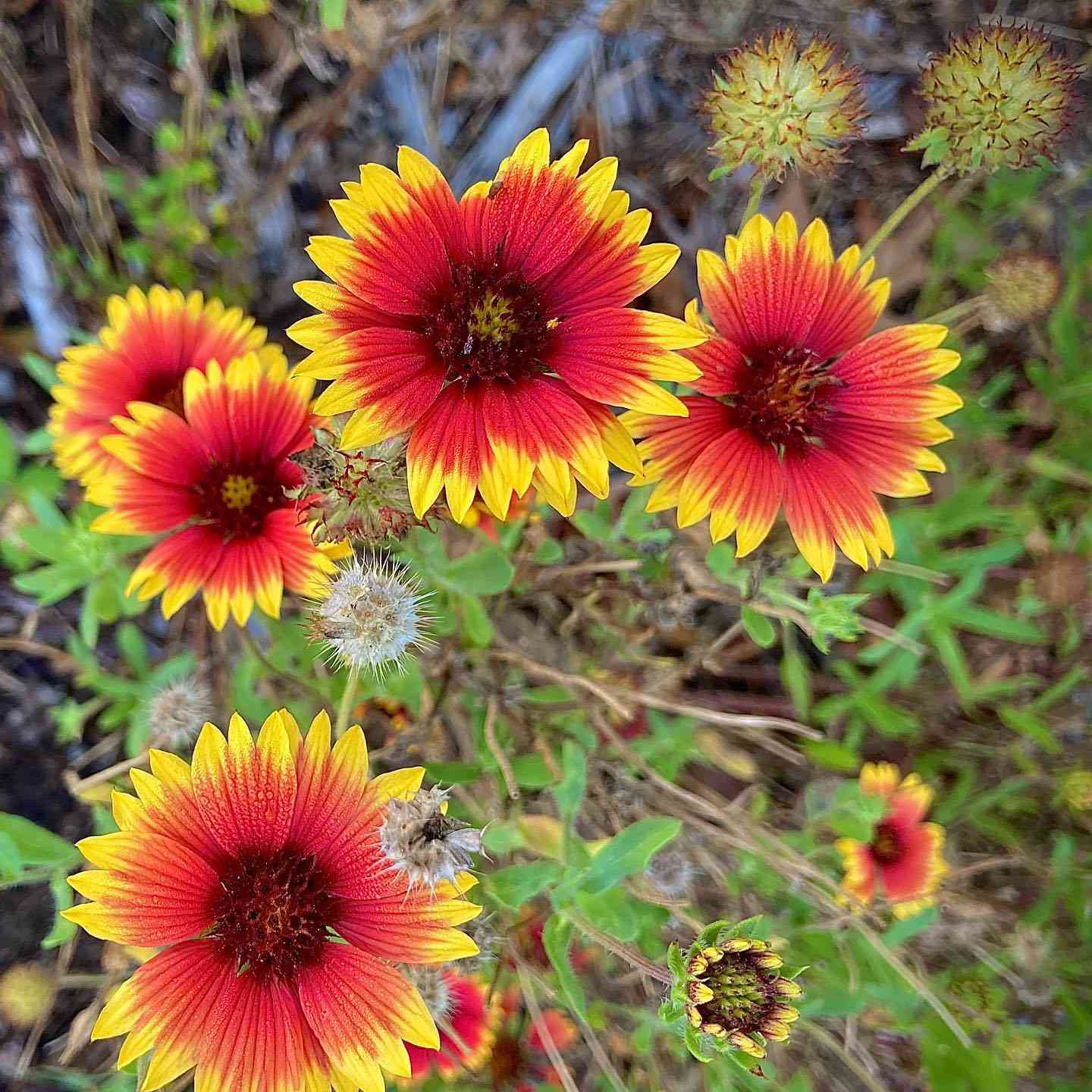
Few flowers capture the warmth of summer quite like Blanket Flower. Its cheerful, daisy-like blooms combine glowing shades of red, orange, burgundy, and golden yellow, creating vibrant displays that bring energy and movement to sunny landscapes.
Blanket Flower Seeds from Evergrow Seeds are available at evergrowseeds.com for US home gardeners looking to add colorful Gaillardia to cottage borders, pollinator gardens, wildflower-style plantings, and ornamental beds.
Discover Blanket Flower Seeds
Blanket Flower commonly refers to species and hybrids within the genus Gaillardia. Depending on the variety, plants can produce single, semi-double, or distinctive flower forms with warm-toned petals surrounding prominent central disks.
The genus includes both annual and perennial species, so lifespan and winter hardiness depend on the specific variety.
Plant Care Insights
Planting: Sow according to the variety's recommended depth and germination requirements.
Sunlight & Soil: Provide full sun and well-drained soil for strong flowering performance.
Watering: Keep soil appropriately moist during establishment; established plants generally prefer good drainage.
Best Season: Spring sowing is common, while timing varies with climate and species.
Flowering: Removing faded blooms can encourage a tidier appearance and continued flowering in many varieties.
Frequently Asked Questions
Is Blanket Flower the same as Gaillardia?
Yes. Blanket Flower is the common name used for flowering plants in the genus Gaillardia.
Is Blanket Flower annual or perennial?
Both types exist. Gaillardia pulchella is commonly grown as an annual, while Gaillardia aristata and many related selections are perennial.
Do Blanket Flowers attract pollinators?
Yes. Their open, daisy-like flowers can provide nectar and pollen for bees, butterflies, and other visiting insects.
Can Blanket Flower Seeds grow across the United States?
Yes. Gaillardia is widely grown in the US, but perennial hardiness and ideal planting times vary by species, cultivar, and regional climate.
Shop By Category