Rosemary Seeds for Planting – Timeless Fragrance for a Romantic Cottage Garden
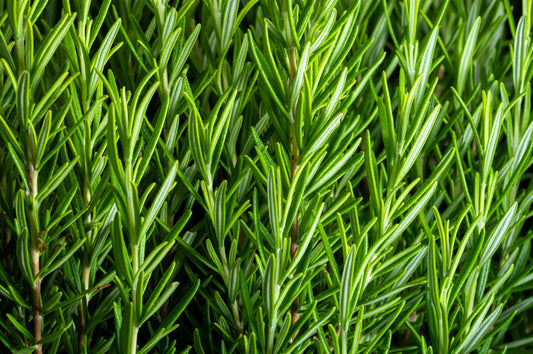
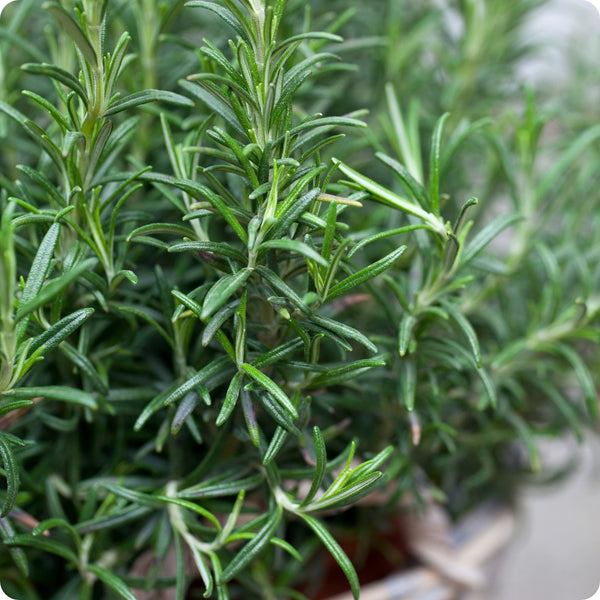
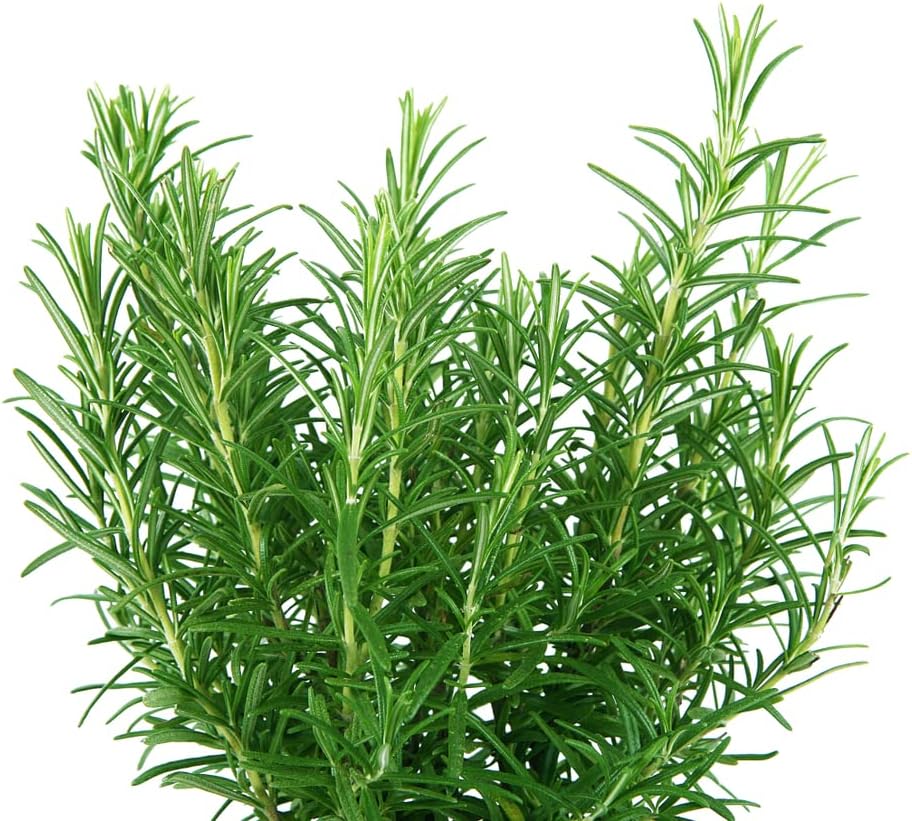
Few herbs capture the quiet romance of an old-fashioned garden quite like rosemary. Its slender, needle-like foliage and distinctive herbal fragrance bring Mediterranean character to cottage-inspired landscapes, while its structured growth provides a beautiful contrast beside softer flowers and leafy herbs.
Rosemary Seeds from Evergrow Seeds are available at evergrowseeds.com for US home gardeners who enjoy combining culinary herbs with ornamental beauty. Rosemary can become a graceful feature in herb gardens, pathway borders, edible landscapes, and cottage-style beds where fragrance, texture, and practical garden use come together naturally.
Browse Our Rosemary Seeds
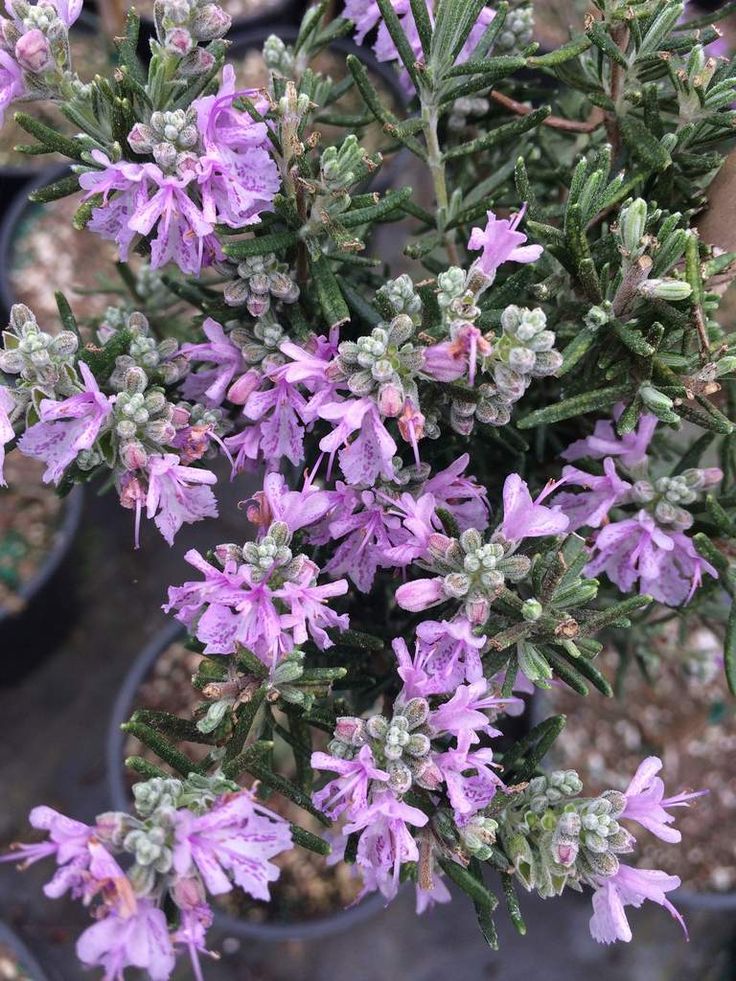
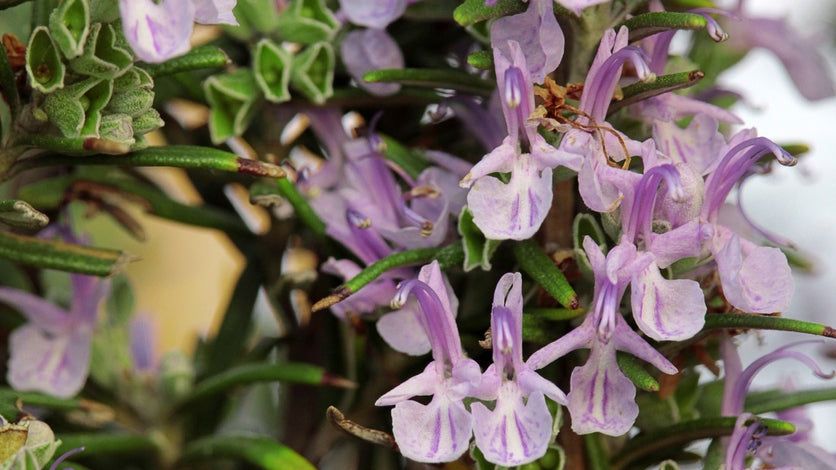
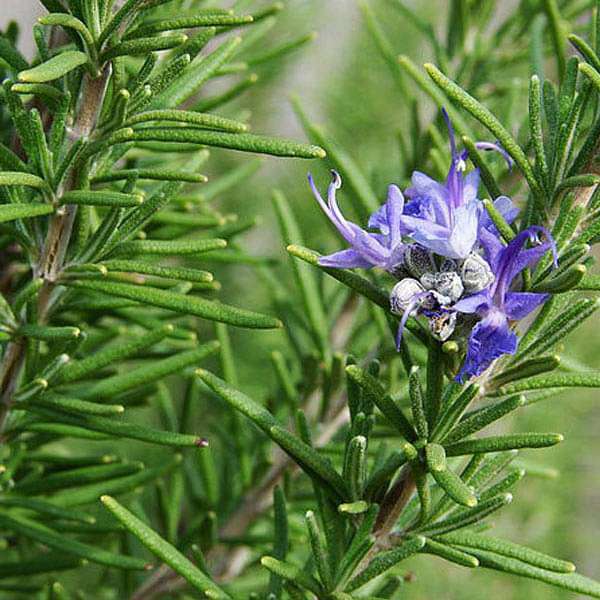
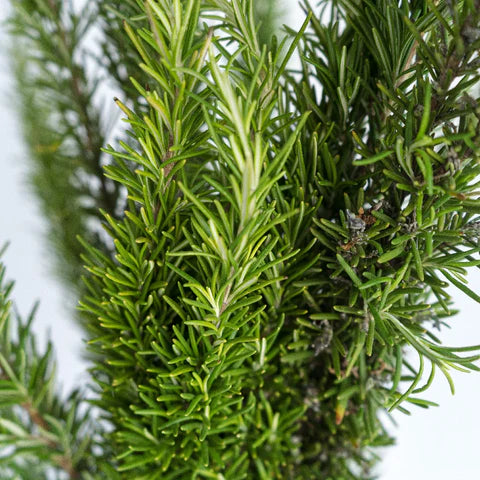
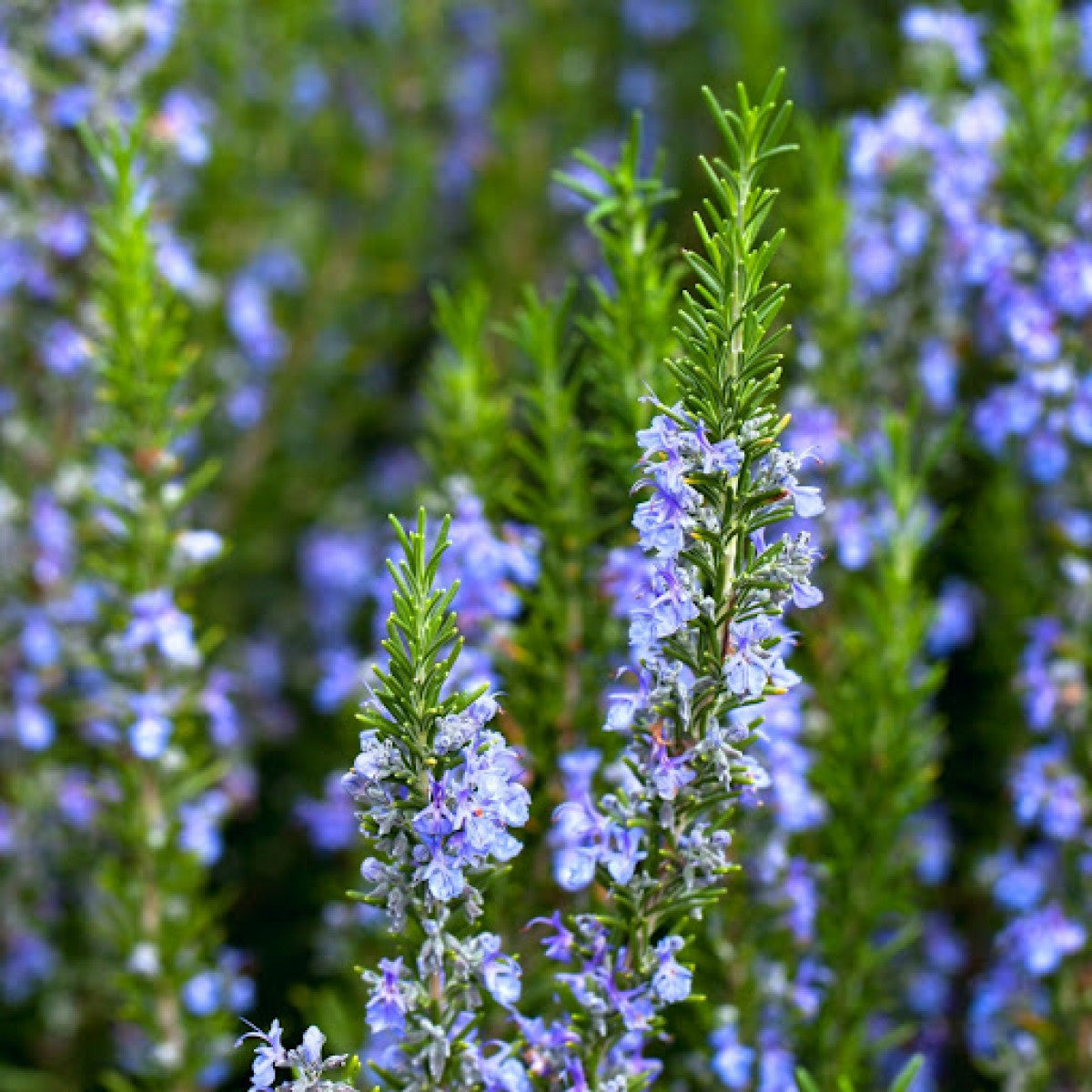
Rosemary is best known for its deep green to gray-green aromatic foliage, but established plants can also develop delicate flowers. Depending on variety and growing conditions, blooms may appear in pale blue, lavender-blue, violet, soft purple, pink, or white.
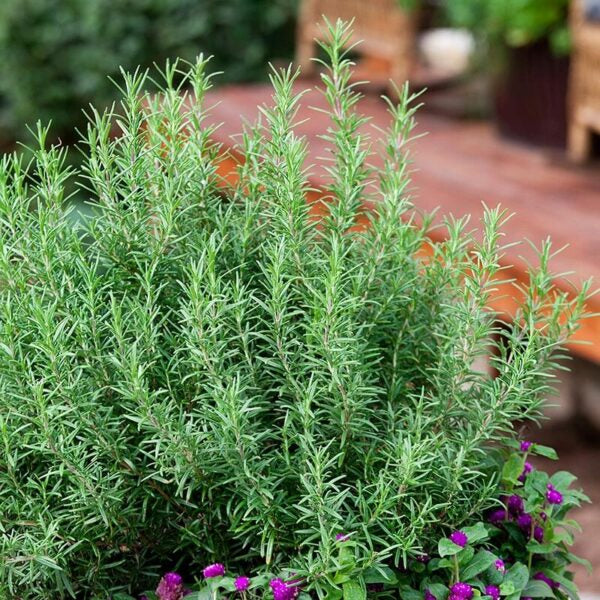
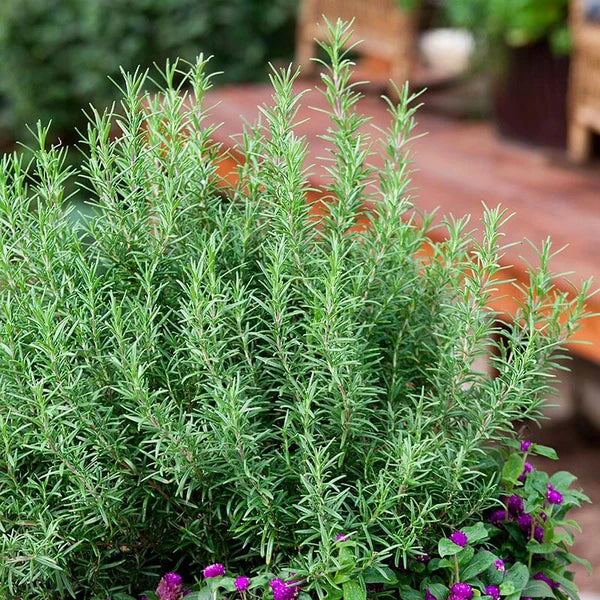
Its fine foliage and subtle flowers blend beautifully with lavender, sage, thyme, and compatible cottage-garden plants. Rosemary can provide structure along pathways, accent herb gardens, soften informal borders, and add Mediterranean character to edible landscapes.
Plant Care Insights
Sunlight
Rosemary generally prefers full sun and benefits from a bright, open location with good air circulation.
Soil
Choose loose, sharply drained soil. Rosemary performs best when excess moisture can move away from the roots readily.
Watering
Allow the soil to begin drying between waterings, as established rosemary generally prefers conditions that are not continuously wet.
Companion Plants
Rosemary pairs naturally with compatible Mediterranean herbs such as thyme, sage, lavender, and oregano that appreciate similar conditions.
Maintenance
Light pruning can help maintain a bushy, attractive shape. Avoid removing excessive amounts of old woody growth at one time.
Frequently Asked Questions
Can rosemary grow year-round in different US climates?
Rosemary can remain evergreen in many mild and warm US regions.
Cold winters may damage plants where temperatures fall below their tolerance.
How large can mature rosemary plants become?
Rosemary develops into a woody, branching shrub as it matures.
Final height and spread vary considerably among different rosemary varieties.
Should rosemary plants be pruned regularly?
Light seasonal pruning helps maintain compact growth and an attractive shape.
Avoid cutting deeply into old woody stems with little green growth.
What pests may occasionally affect rosemary plants?
Aphids, spider mites, and spittlebugs may occasionally appear on rosemary.
Regular inspection helps gardeners identify potential pest activity early.
Shop By Category