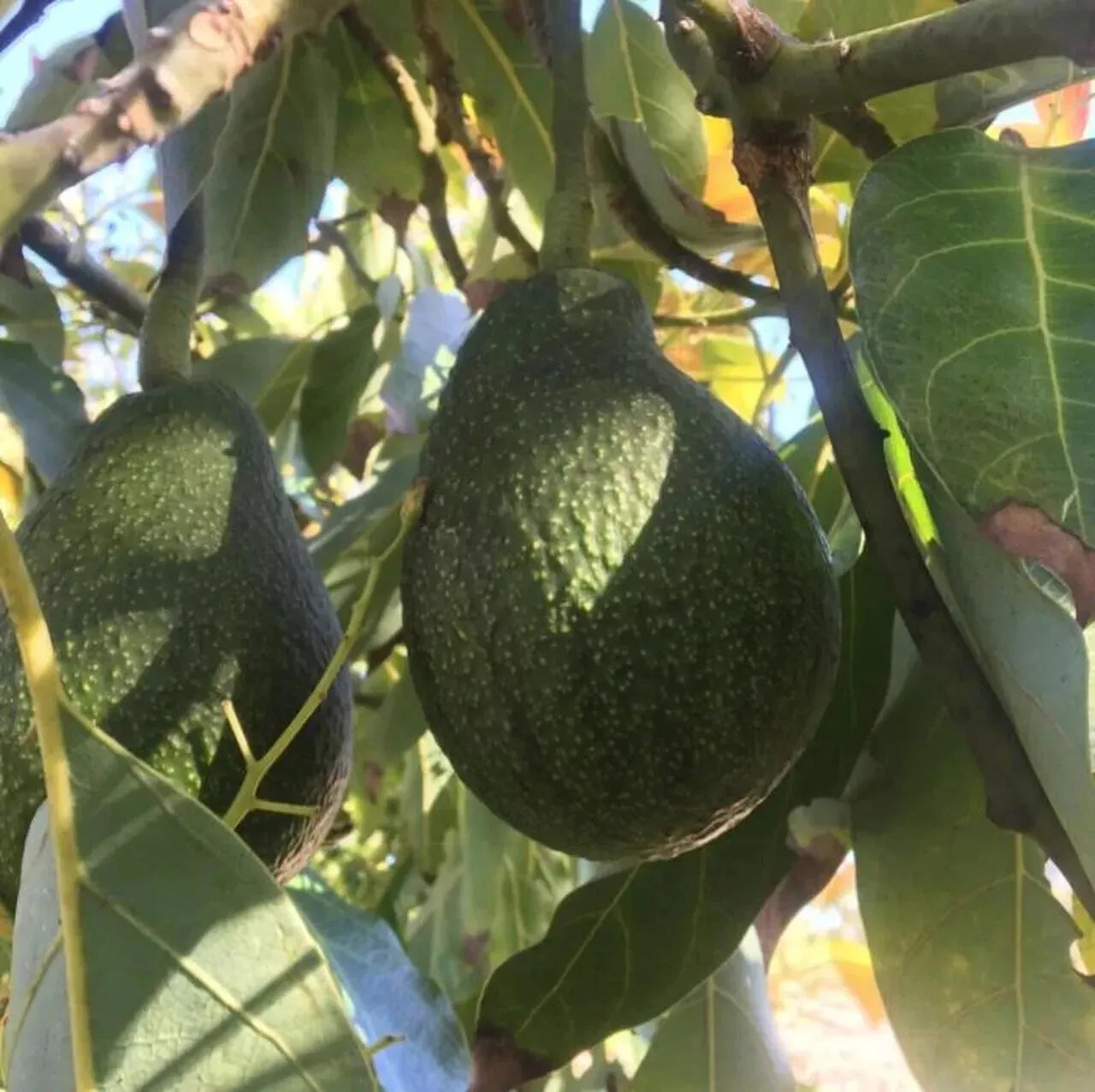
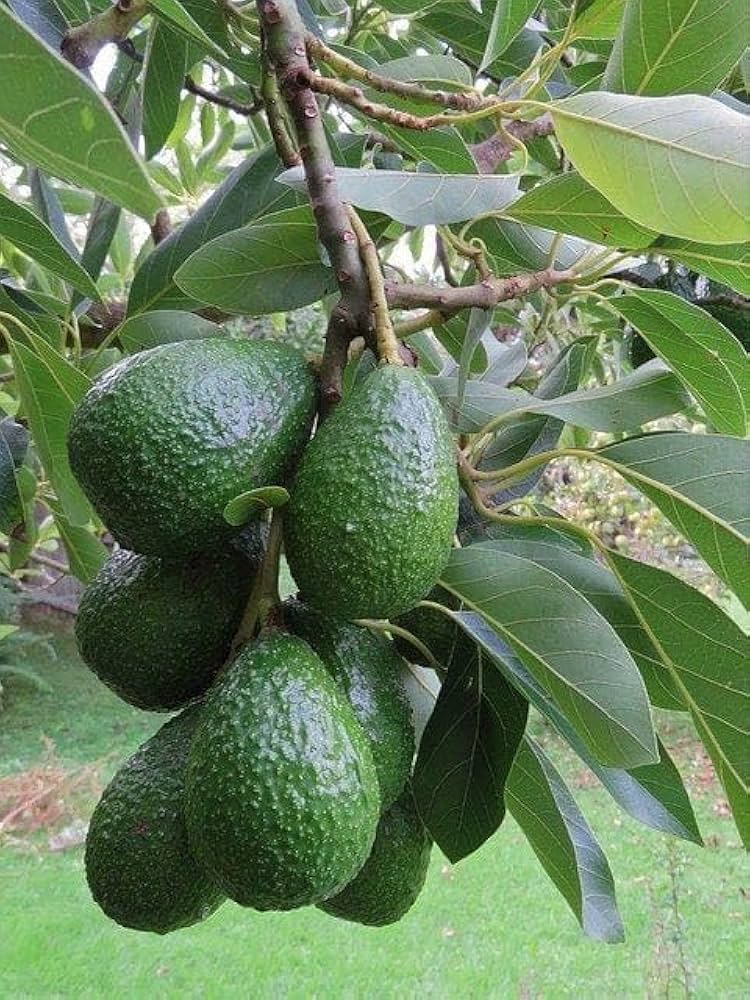
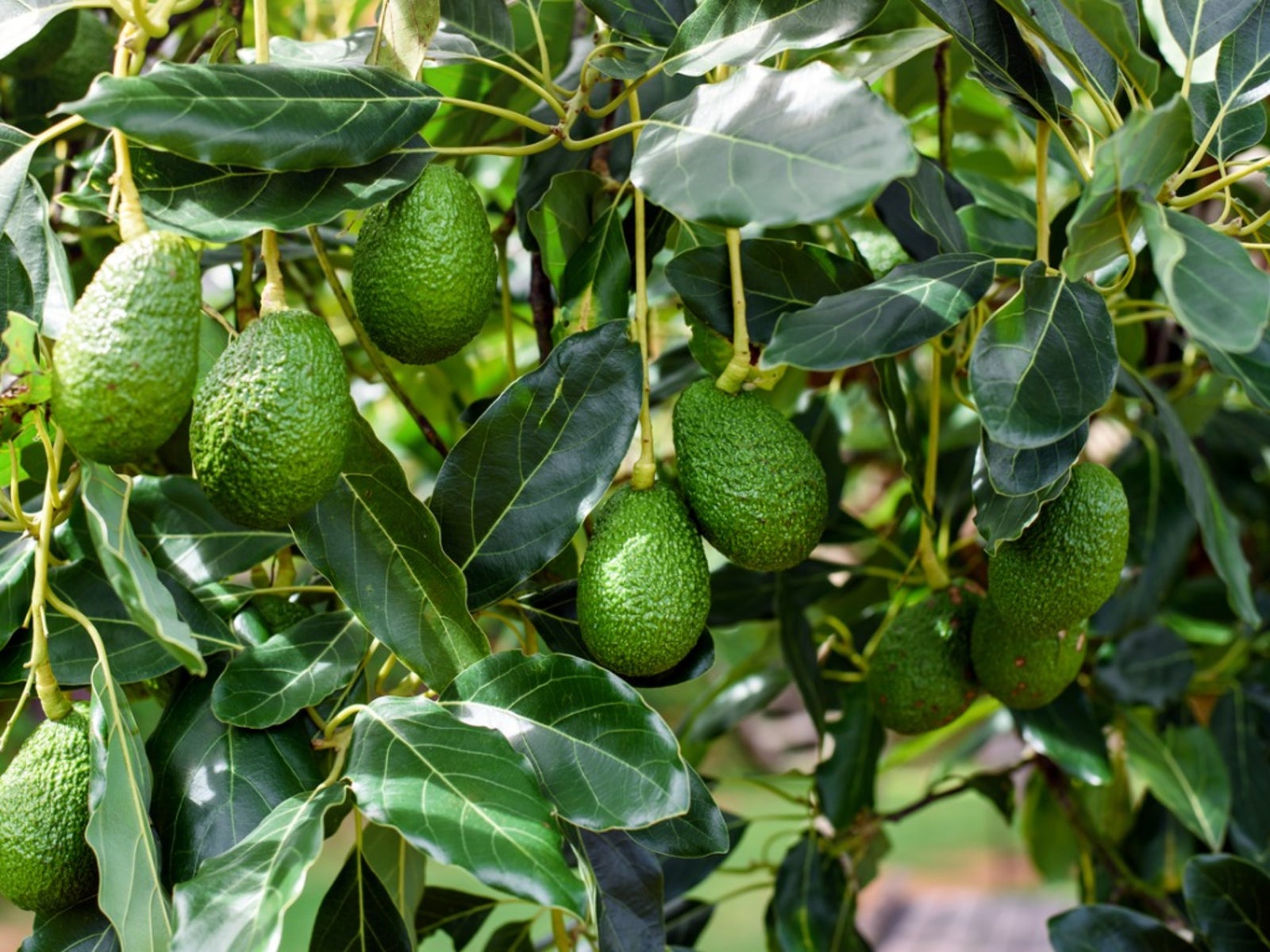
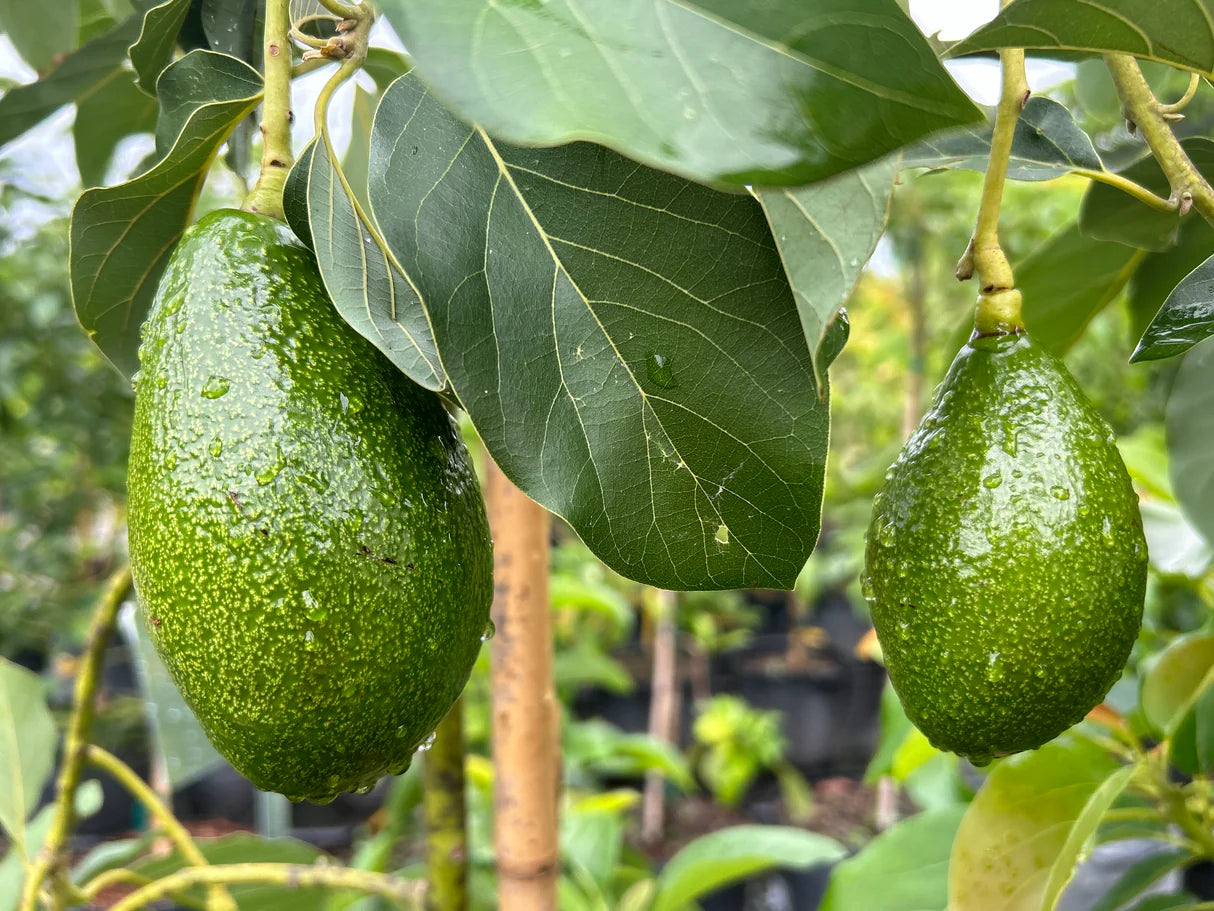
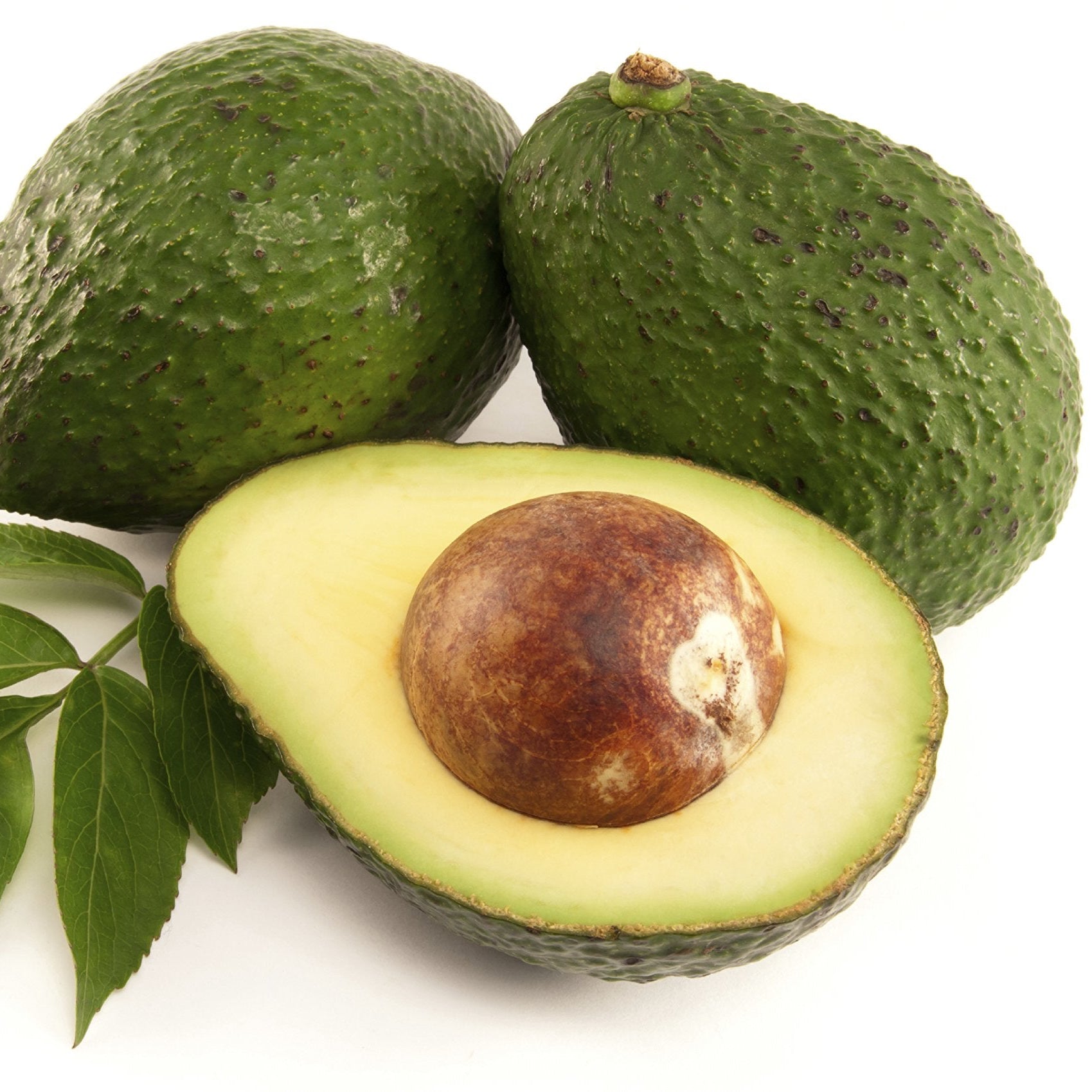
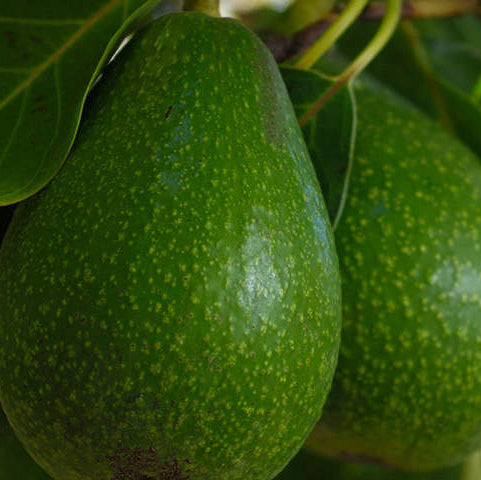
Avocado Fruit Seeds – Evergreen Beauty for the Home Garden
Avocado trees bring the gentle beauty of a warm-climate orchard into the home garden. Their leafy canopies, subtle blossoms, and graceful evergreen form create a peaceful backdrop for cottage-inspired edible landscapes, where useful plants and natural beauty grow comfortably together.
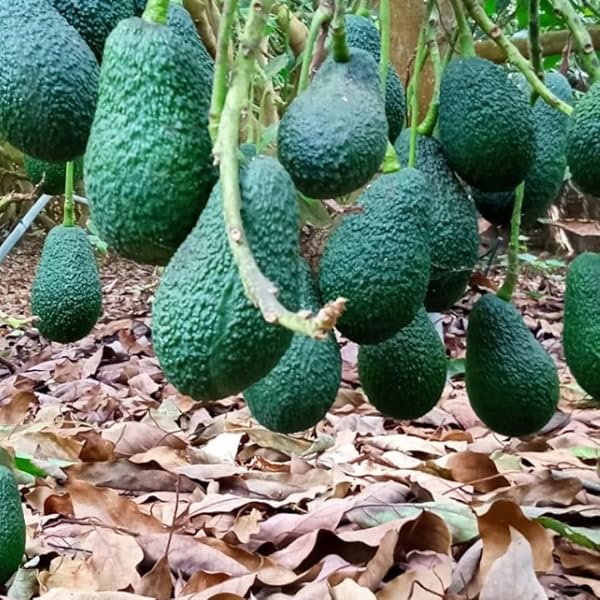
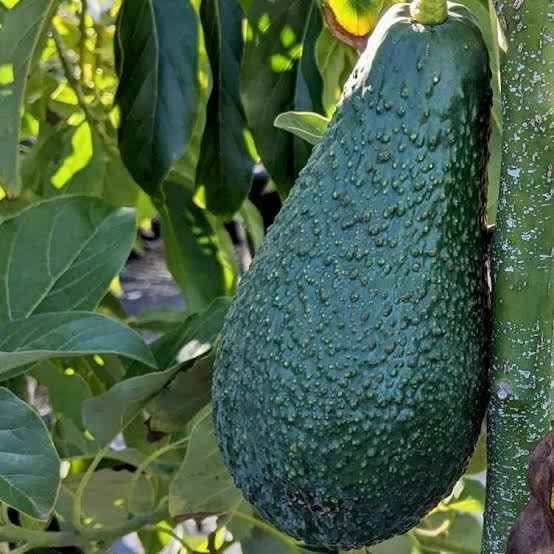
Avocado Fruit Seeds are available from Evergrow Seeds at evergrowseeds.com, offering gardeners an interesting choice for warm-climate landscapes, informal backyard orchards, and thoughtfully designed edible gardens. Seed-grown avocado trees can differ from their parent plants, making each one a unique gardening project.
Browse Our Avocado Fruit Seeds
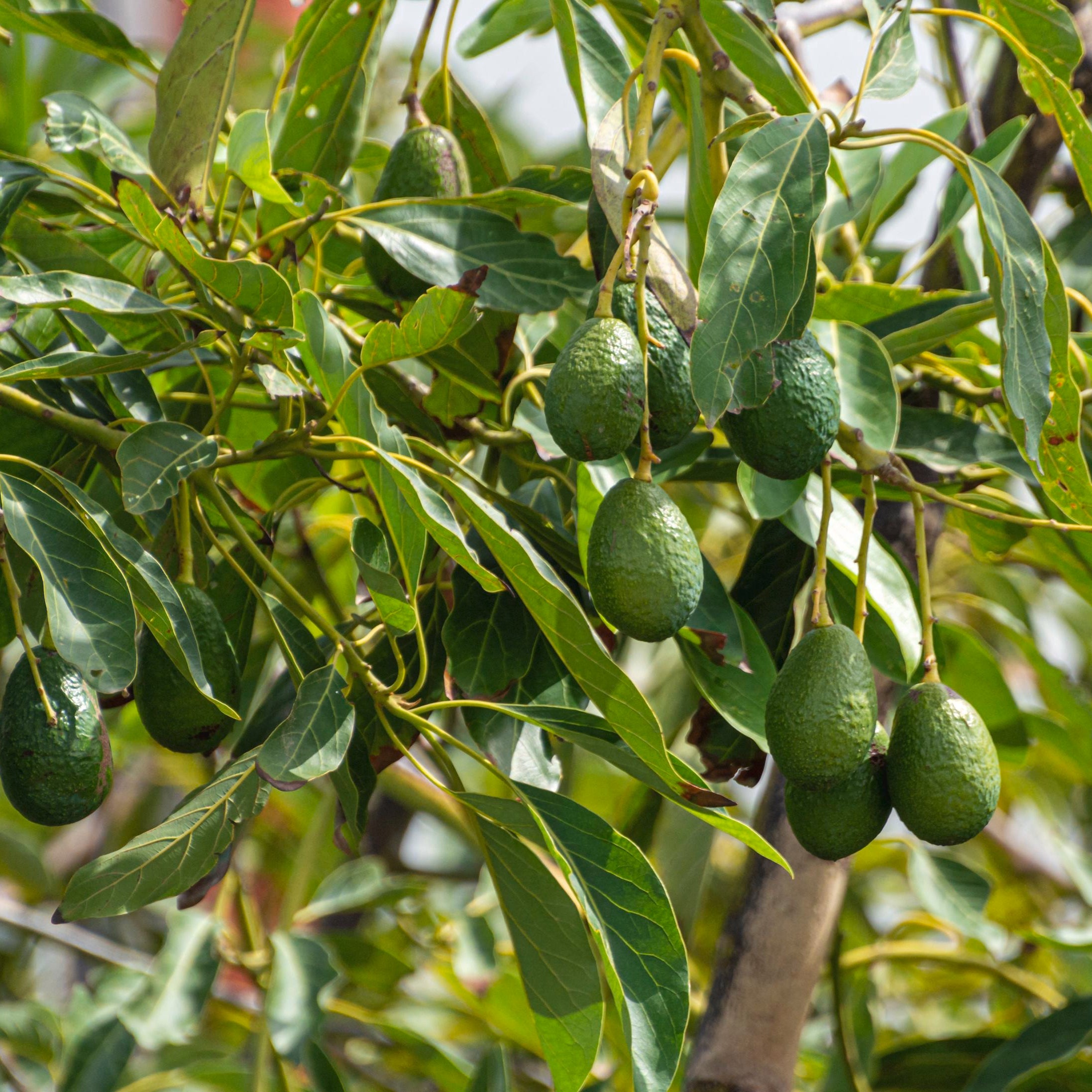
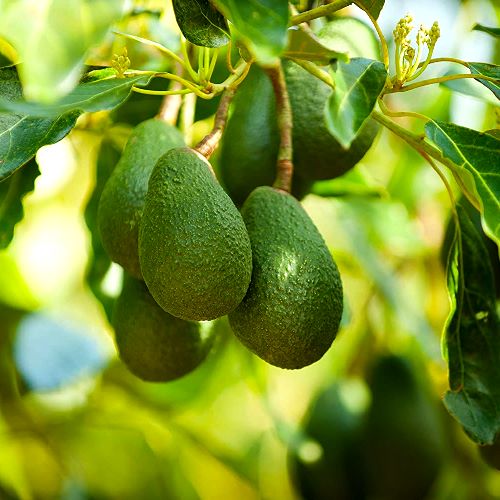
Avocado trees generally produce clusters of small greenish-yellow to yellow-green flowers rather than showy blooms. Subtle variations in flower tone and foliage may occur naturally. Their evergreen leaves and spreading form work beautifully as specimen trees, orchard additions, shade-producing landscape plants, and features in relaxed edible gardens.
Plant Care Insights
Sunlight: Choose a warm location with abundant direct sunlight.
Soil: Plant in loose, fertile, exceptionally well-draining soil.
Watering: Maintain moderate moisture while avoiding persistently saturated roots.
Companion Plants: Pollinator-friendly flowers and compatible herbs can grow nearby.
Maintenance: Prune damaged or crossing branches and protect young trees from frost.
Frequently Asked Questions
What climate is best for Avocado trees?
Avocados generally favor warm subtropical or Mediterranean-style climates.
Cold tolerance varies considerably among different avocado types.
How large can a mature Avocado tree become?
Unpruned trees can develop substantial height and canopy spread.
Regular pruning can maintain a more practical landscape size.
What do Avocado flowers look like?
Trees produce clusters of small greenish-yellow flowers.
Their subtle blooms attract pollinators during the flowering period.
Which pests may affect Avocado trees?
Mites, scale insects, and thrips can occasionally affect foliage.
Routine inspection helps gardeners notice potential pest problems early.
Shop By Category