Lingonberry Seeds – Ruby Woodland Jewels for the Romantic Cottage Garden
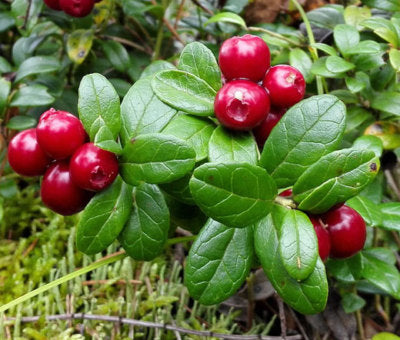
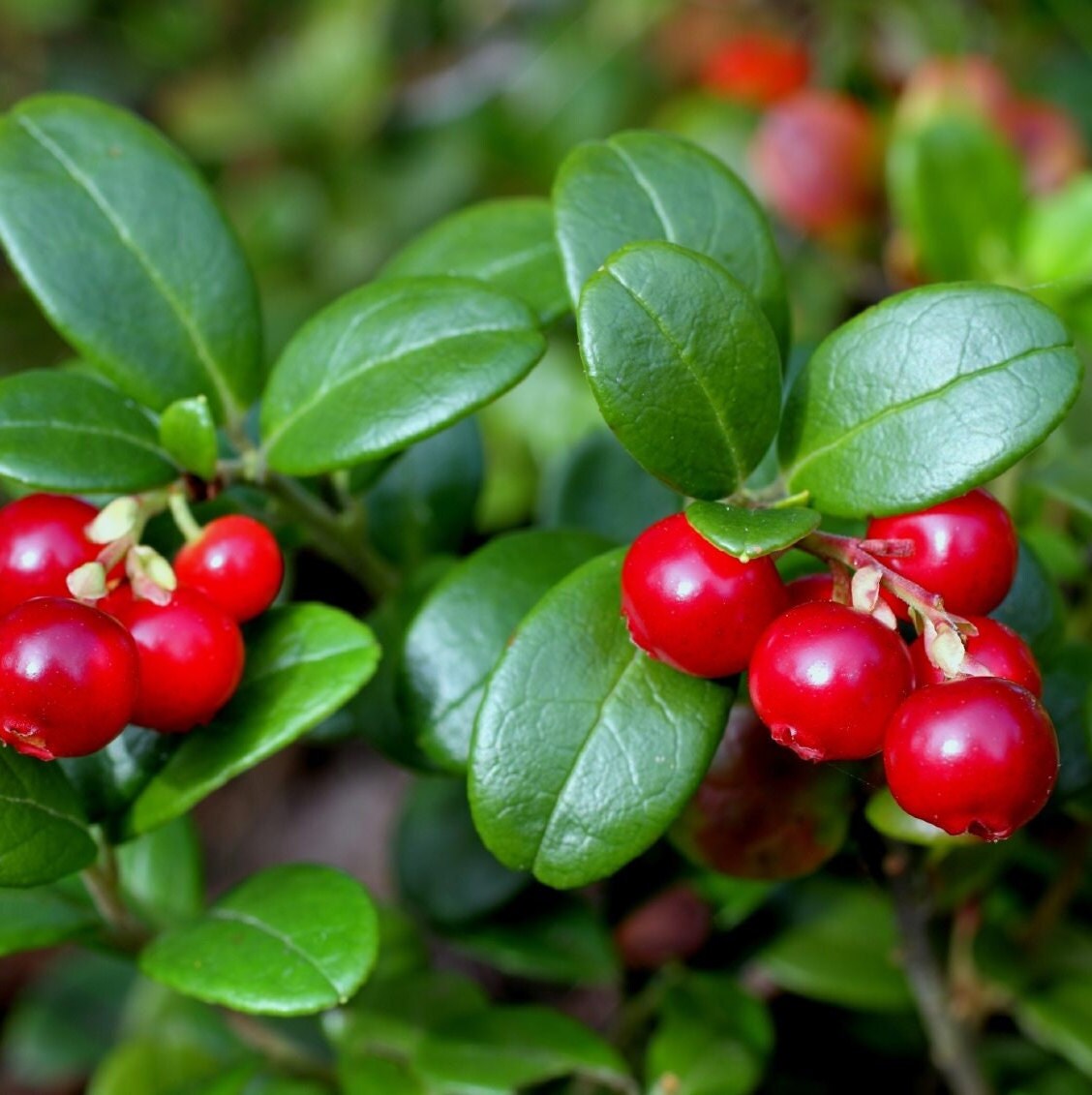
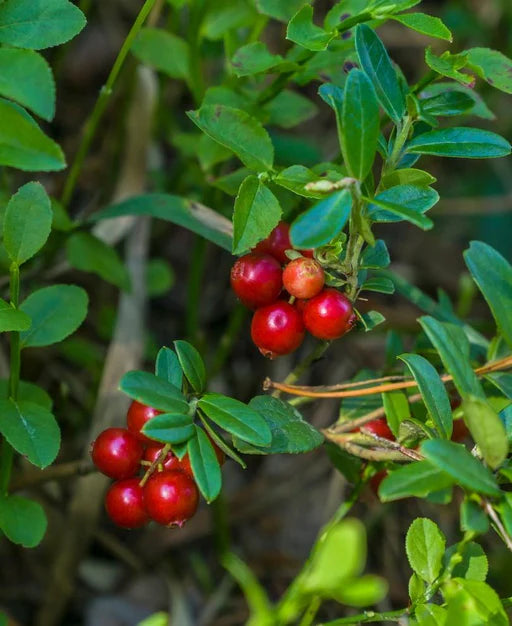
Lingonberries bring the quiet romance of a northern woodland into the home landscape. Their low evergreen foliage, delicate bell-shaped blossoms, and clusters of glossy red berries create a nostalgic scene reminiscent of mossy cottage pathways, cool forest edges, and tiny ruby treasures nestled beneath green leaves.
Lingonberry Seeds are available at evergrowseeds.com from Evergrow Seeds for gardeners who enjoy compact perennial berry plants with natural ornamental character. Botanically known as Vaccinium vitis-idaea, lingonberry is related to blueberries and cranberries and is particularly suited to gardens where acidic soil conditions can be maintained.
Browse Our Lingonberry Seeds
Lingonberry plants produce charming bell or urn-shaped flowers, usually appearing white, creamy white, pale pink, or softly pink-blushed. The blossoms occur in small clusters and create delicate seasonal color against the glossy evergreen foliage.
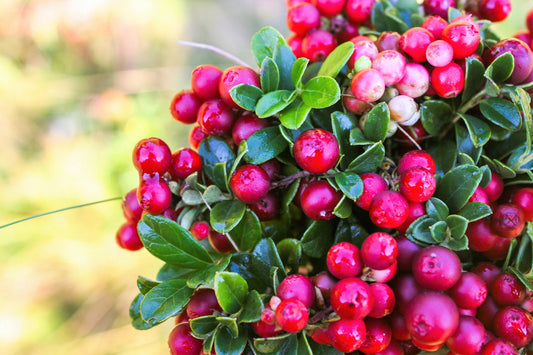
Developing berries begin green before gradually becoming pale pink and eventually ripening to bright, glossy red. Some selections may mature to deeper crimson-red shades depending on cultivar and growing conditions.
Their combination of compact evergreen growth, softly colored flowers, and brilliant red berries makes Lingonberries especially attractive for woodland-inspired cottage borders, edible groundcover areas, and gardens designed around acid-loving plants.
Plant Care Insights
Sunlight: Grow in full sun to partial shade, with light shade useful in warmer regions.
Soil: Plant in acidic, well-drained soil rich in suitable organic matter.
Watering: Maintain reasonably consistent root-zone moisture while avoiding prolonged waterlogged conditions.
Companion Plants: Blueberries and other acid-loving plants can grow nearby when their spacing requirements are compatible.
Maintenance: Protect shallow roots from unnecessary disturbance, control competing weeds carefully, maintain suitable soil acidity, and remove damaged growth when needed.
Frequently Asked Questions
What climate is suitable for Lingonberries?
Lingonberries generally favor cool temperate and northern growing conditions.
Choose cultivars suited to your regional winters and summer temperatures.
How large do mature Lingonberry plants become?
Lingonberries generally remain compact, forming low-growing evergreen woody shrubs.
Plants gradually spread outward under suitable garden and soil conditions.
Do Lingonberry plants require pruning?
Heavy routine pruning is generally unnecessary for healthy Lingonberry plants.
Remove damaged or aging growth when needed to maintain tidy plants.
What pests may affect Lingonberry plants?
Aphids, mites, fruit-feeding insects, and birds may occasionally affect plants.
Regular inspections help gardeners recognize potential pest activity early.
Shop By Category