
Cranberry Seeds – Ruby-Red Jewels for the Woodland Cottage Garden
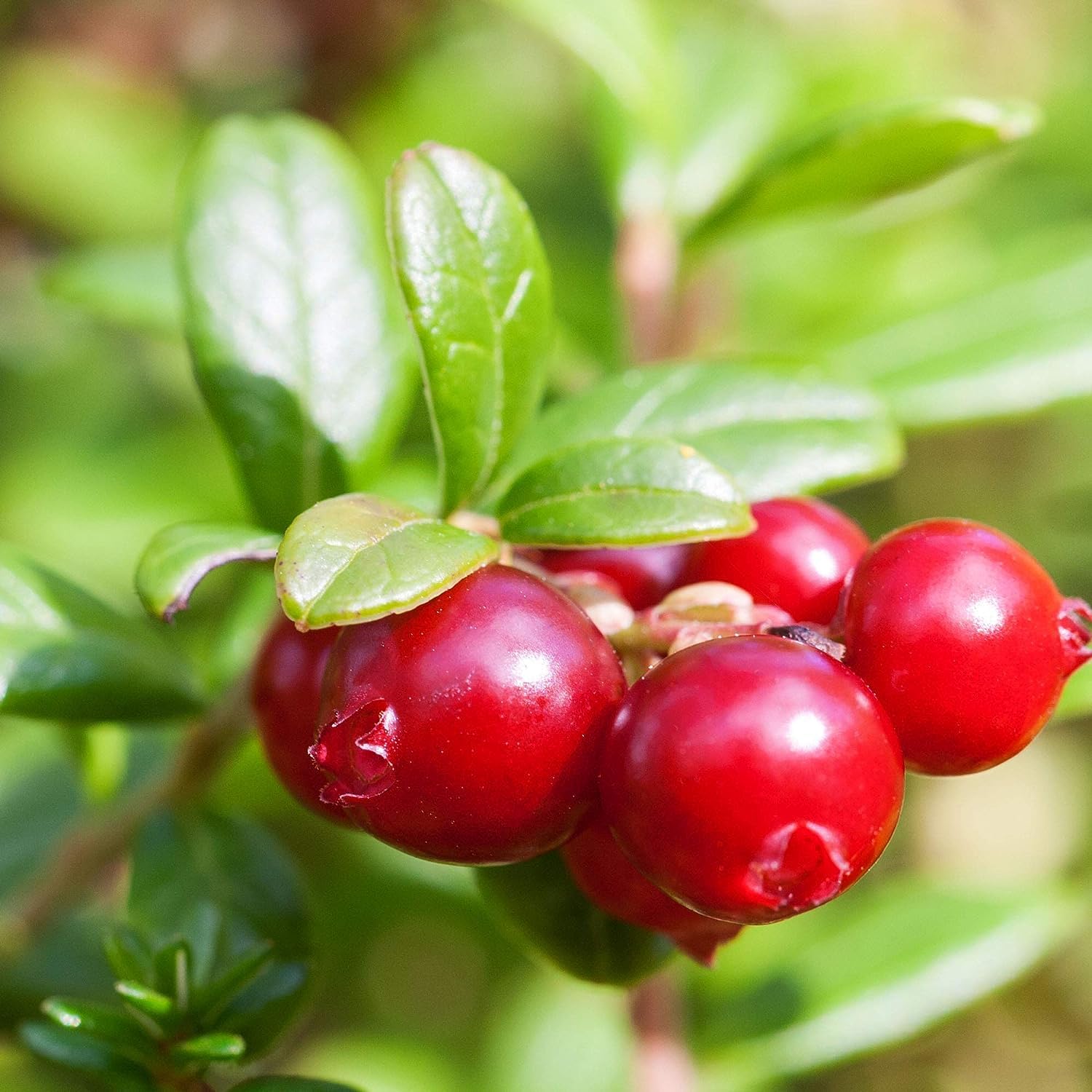
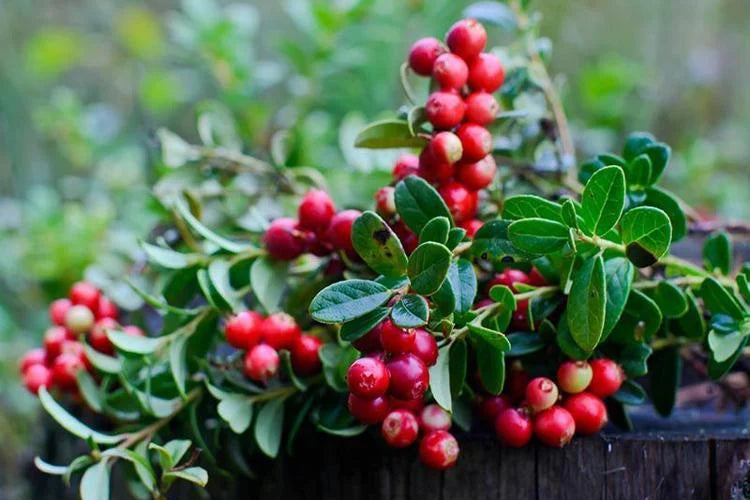
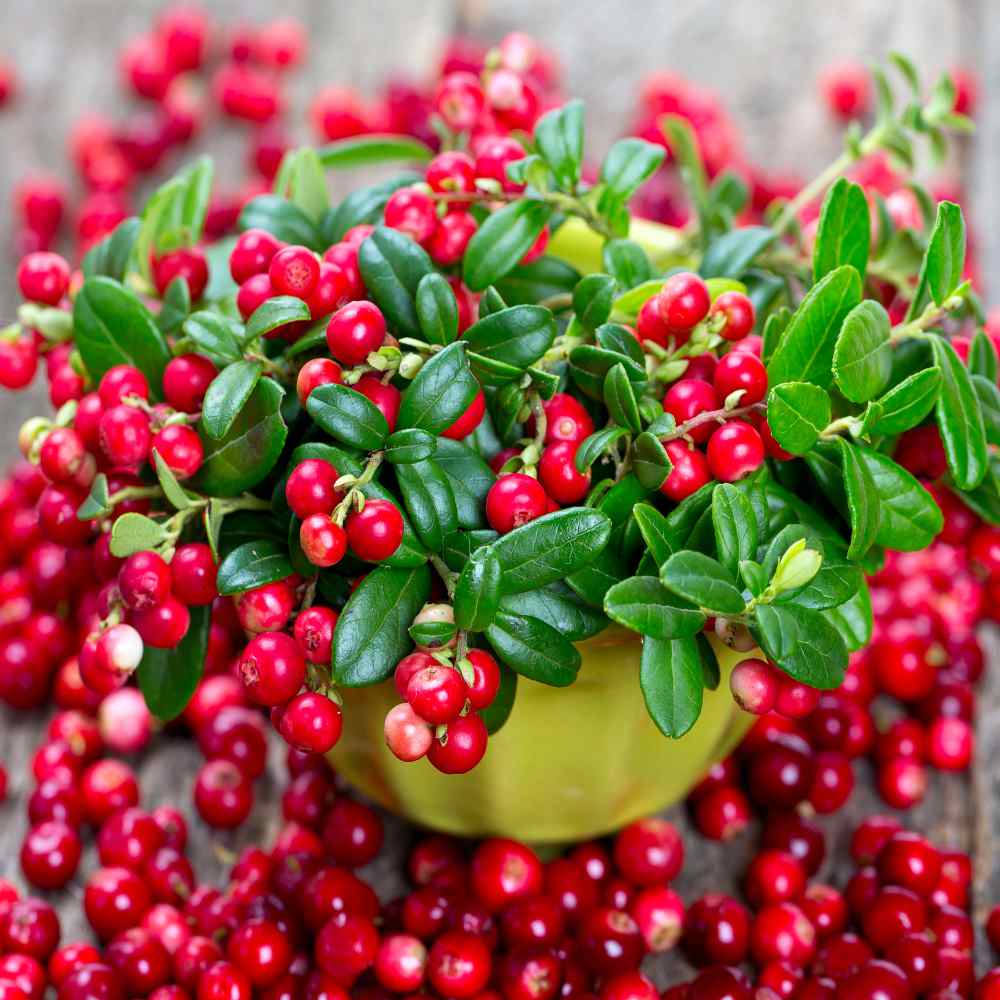
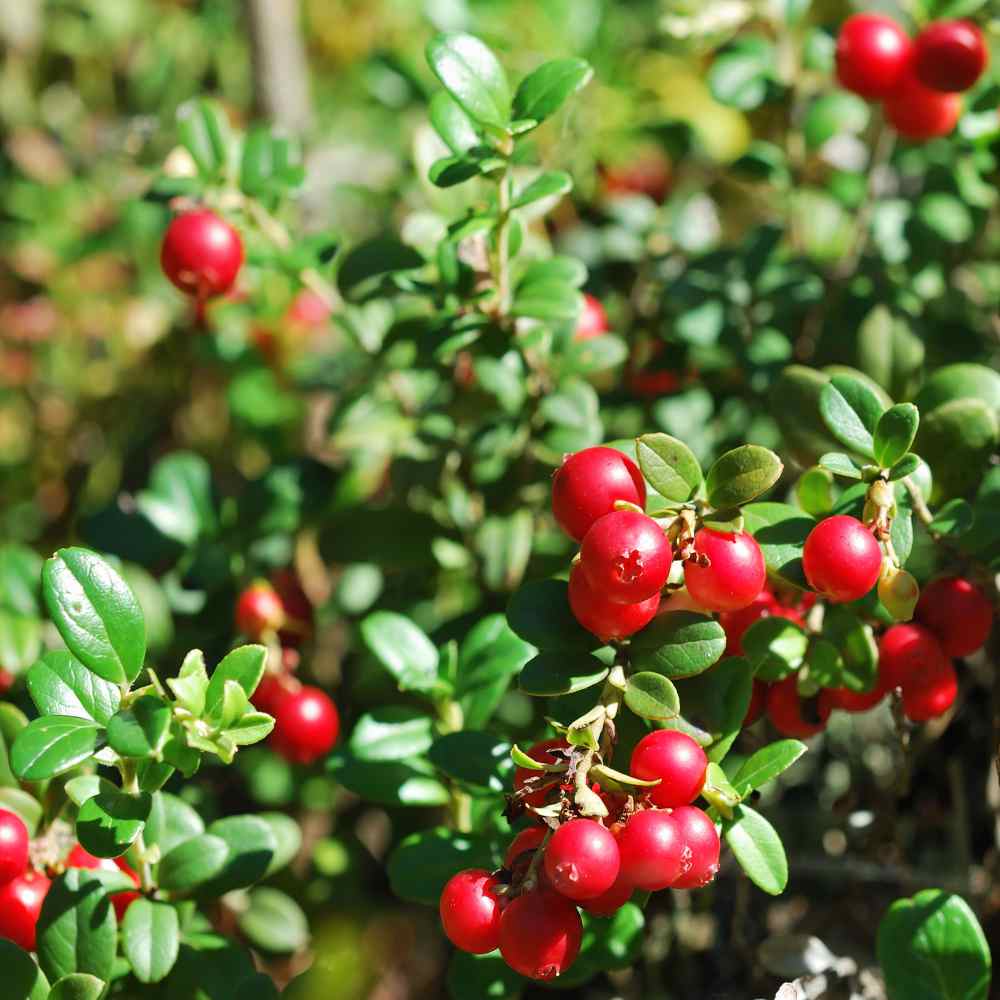
Cranberries bring the quiet beauty of a northern woodland landscape into the edible garden. Their low, trailing evergreen stems, fine green leaves, delicate flowers, and jewel-like berries create a nostalgic scene reminiscent of cool autumn mornings, rustic garden paths, and ruby fruits scattered among soft greenery.
Cranberry Seeds are available at evergrowseeds.com from Evergrow Seeds for gardeners who appreciate unusual perennial berry plants with natural ornamental character. American cranberry, Vaccinium macrocarpon, is an acid-loving plant suited to specialized garden areas where its particular soil requirements can be maintained.
Browse Our Cranberry Seeds
Cranberry plants produce distinctive small flowers that may appear pale pink, rose-pink, or nearly white. Their swept-back petals expose the flower's center, creating a delicate shape traditionally associated with the plant's crane-inspired common name.
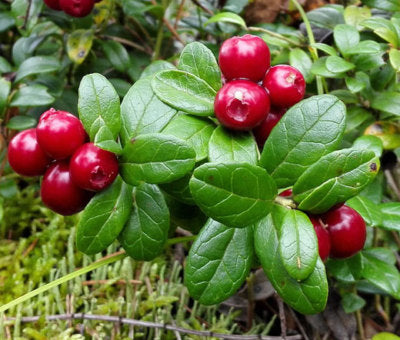
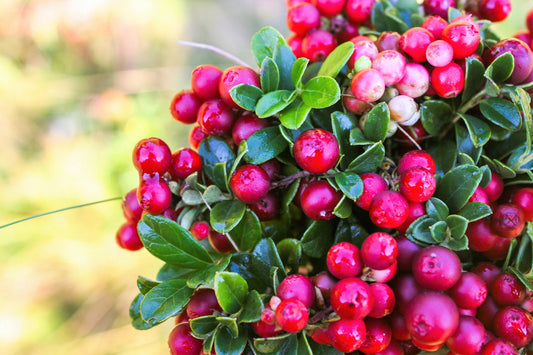
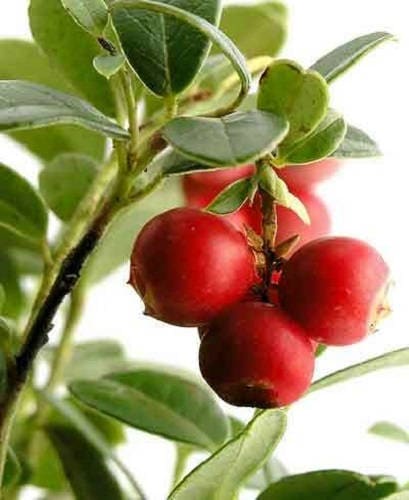
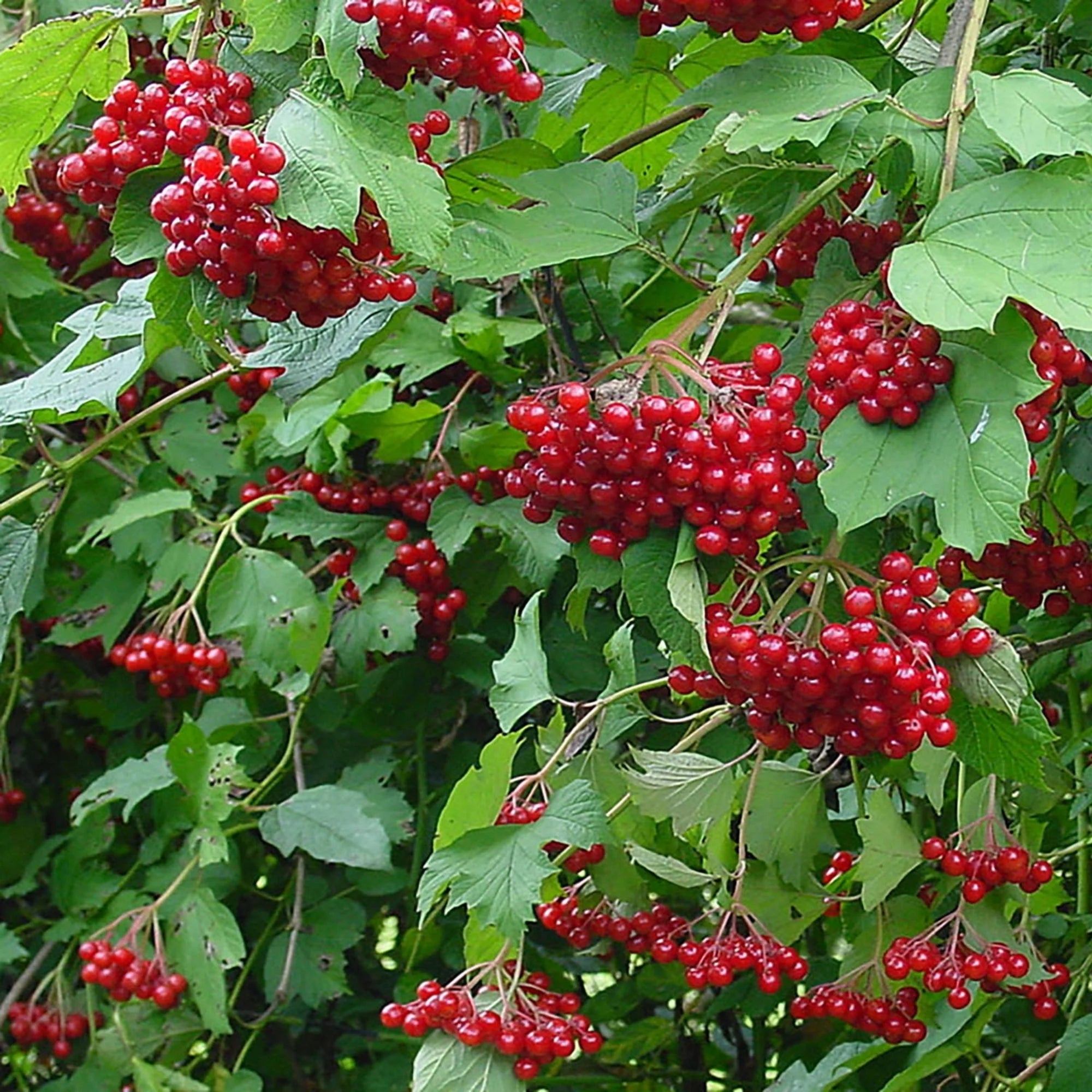
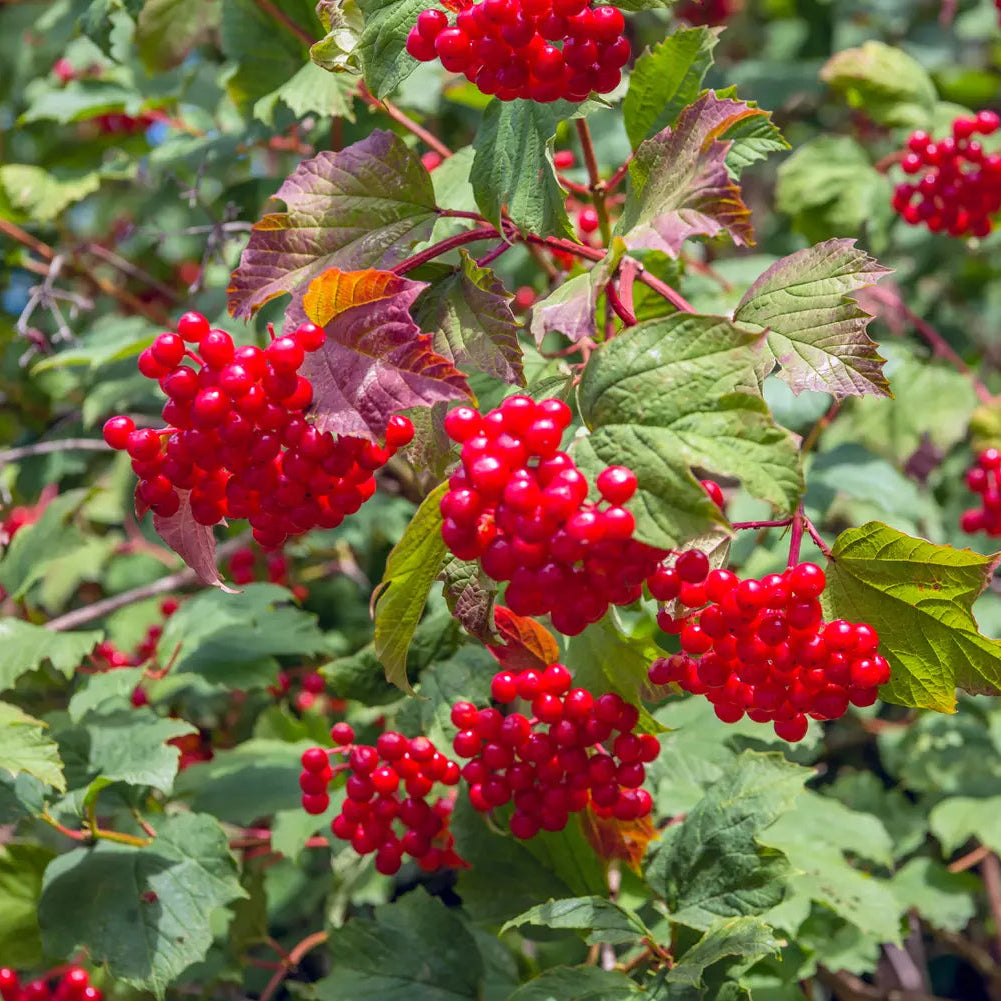
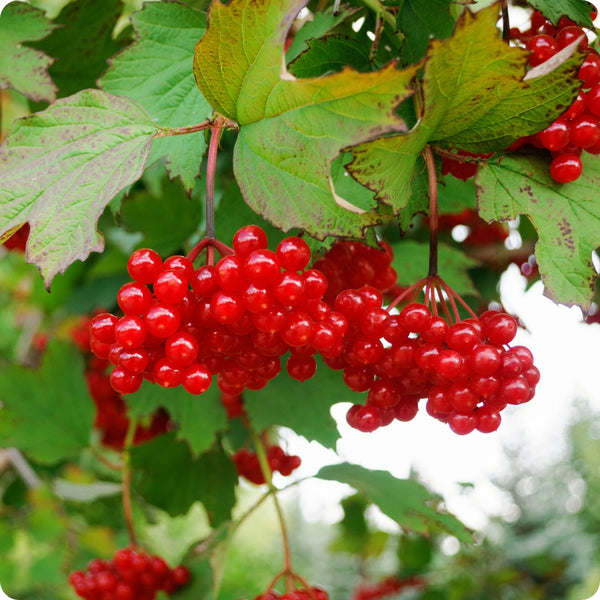
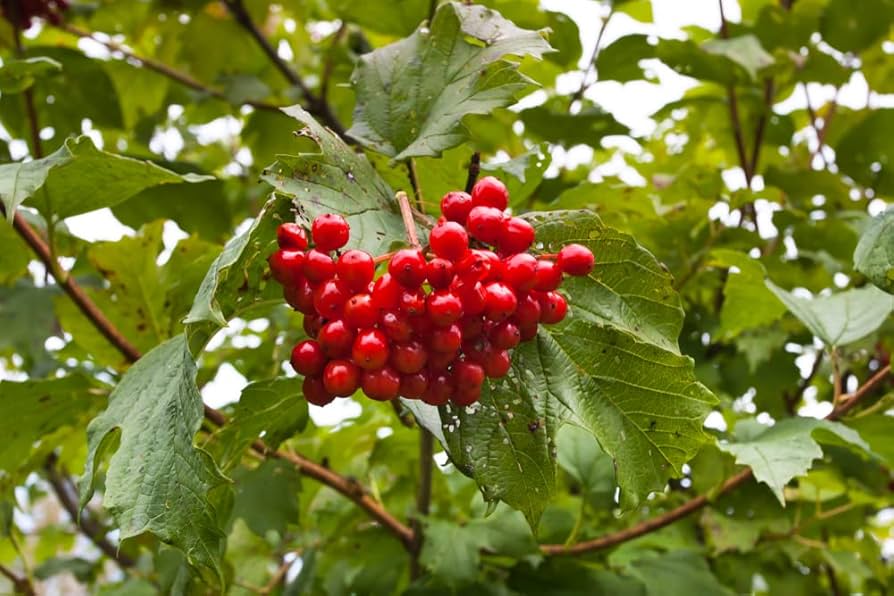
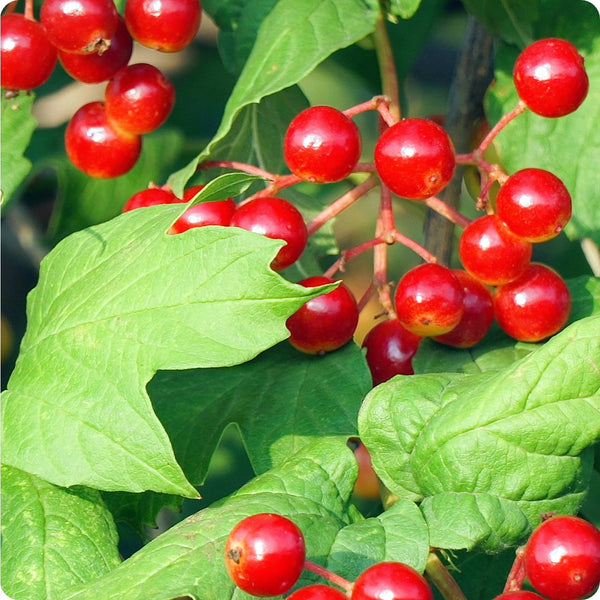
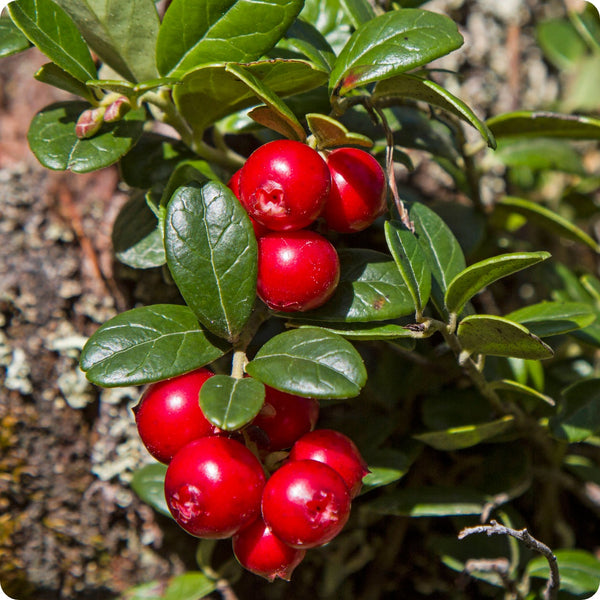
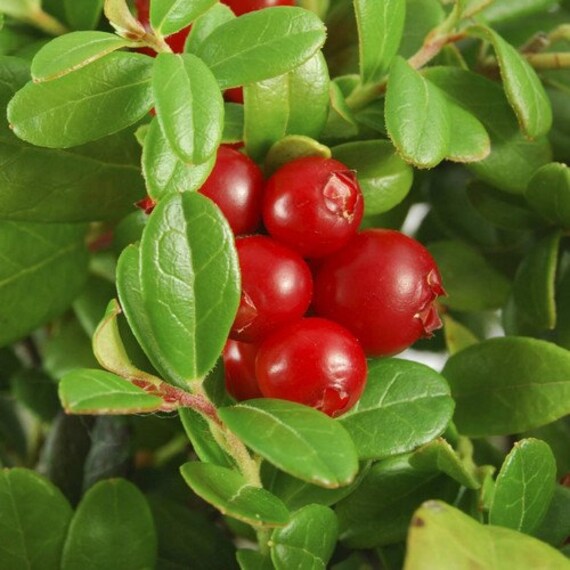
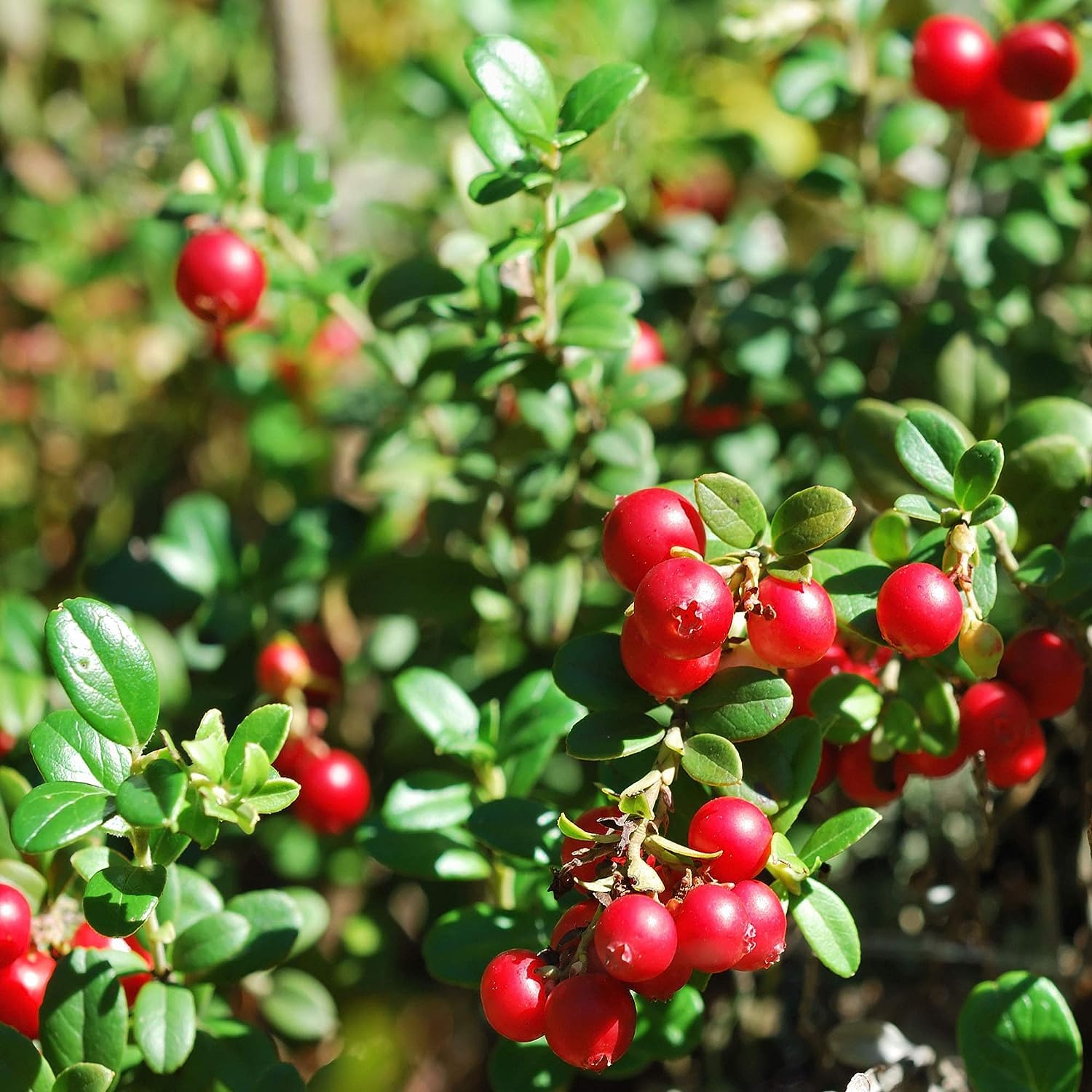
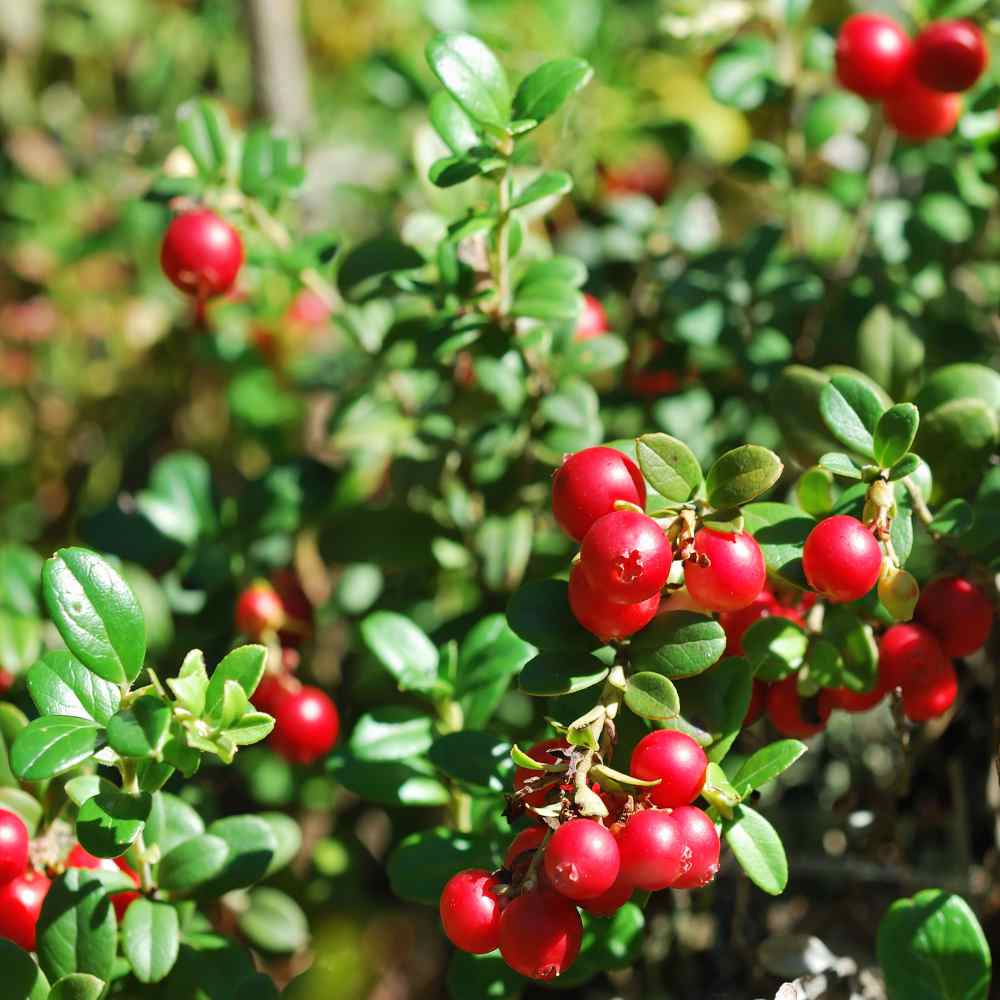
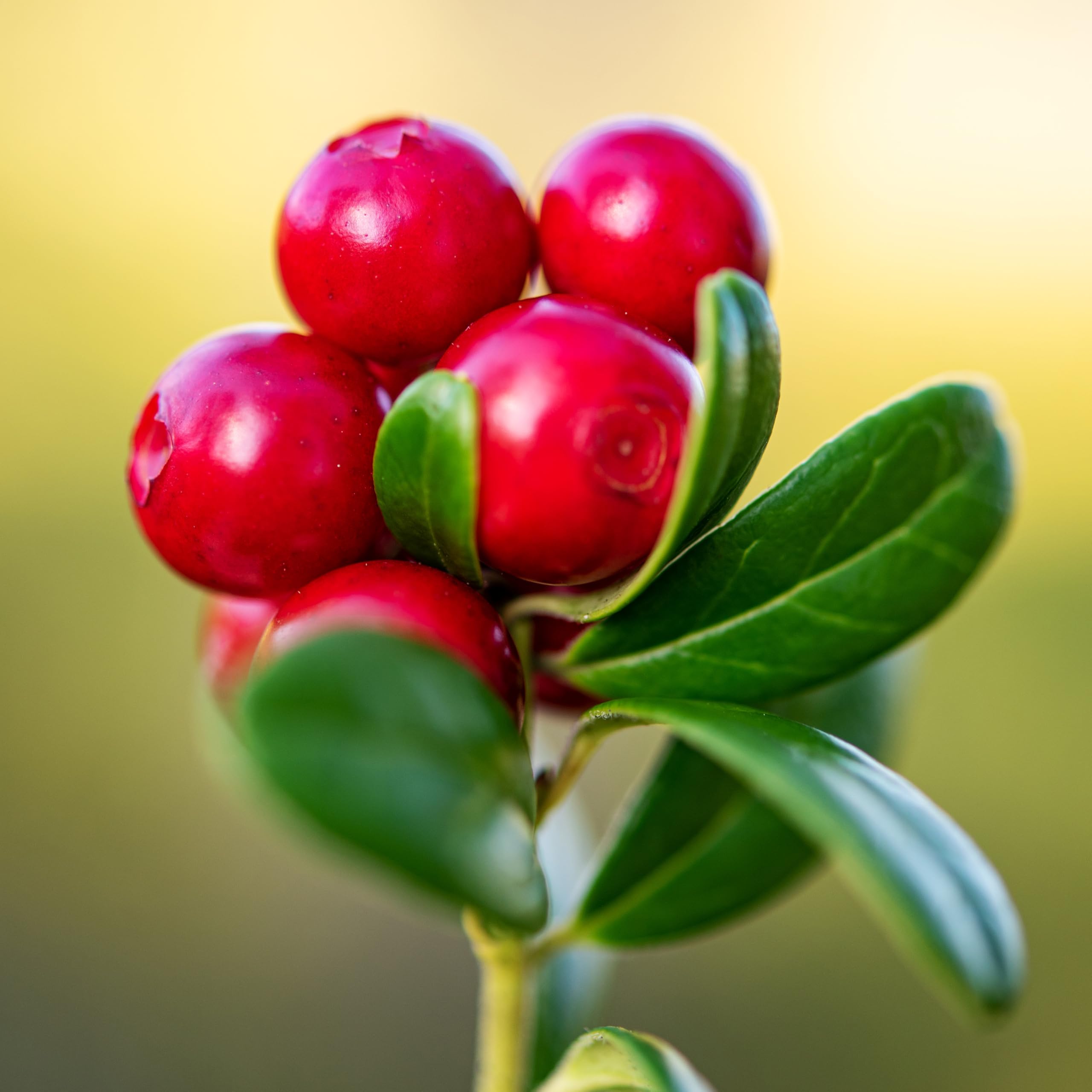
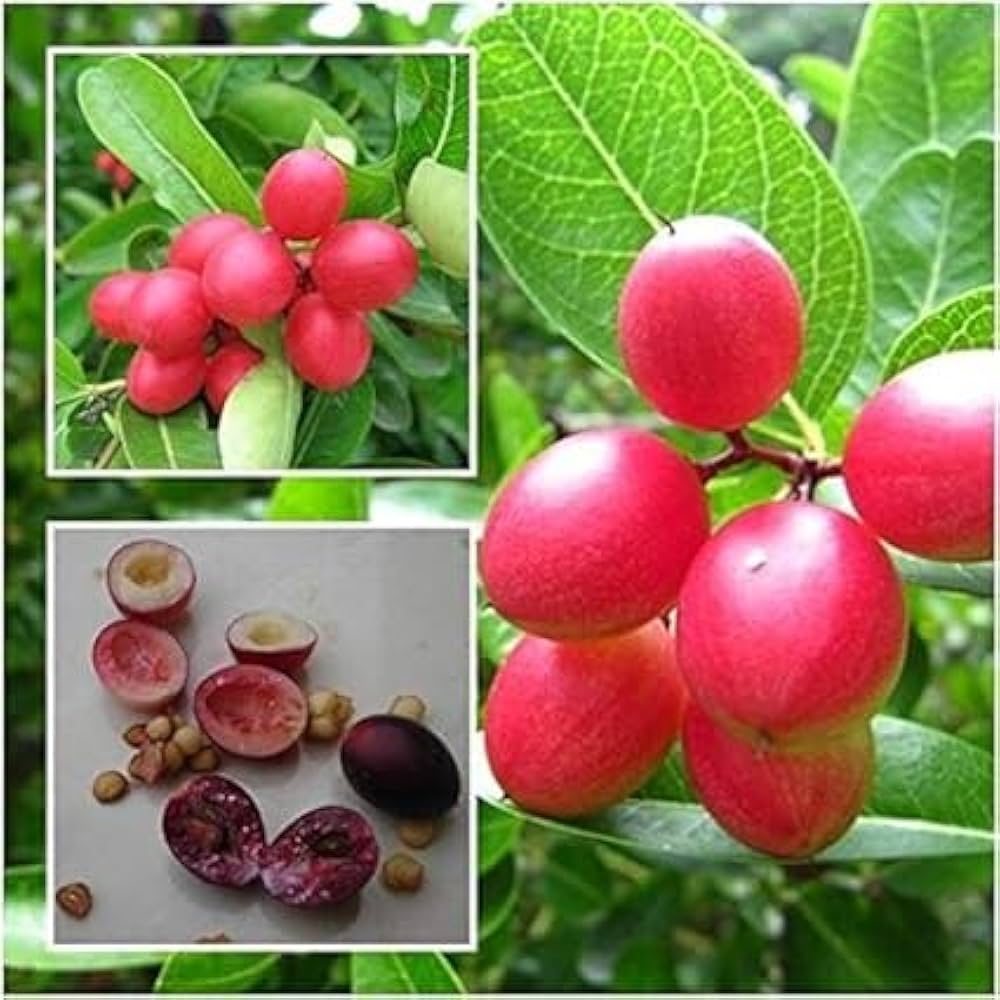
Developing berries begin green and gradually mature through pale pink or mottled shades before becoming bright to deep red. Exact fruit size and coloration can vary with cultivar and growing conditions.
Unlike upright berry shrubs, cranberries develop low, creeping evergreen growth. Their fine foliage, pinkish flowers, and vivid red fruits make them especially attractive for woodland-inspired edible landscapes and cottage gardens designed around acid-loving plants.
Plant Care Insights
Sunlight: Choose full sun for strong growth, though some light shade may be tolerated.
Soil: Cranberries require acidic, well-drained soil rich in organic matter; they do not need permanently flooded ground.
Watering: Maintain consistent moisture around the shallow roots without creating stagnant conditions.
Companion Plants: Other acid-loving plants with compatible soil needs can grow nearby when adequate space is maintained.
Maintenance: Keep competing weeds controlled carefully, protect shallow roots from disturbance, maintain appropriate soil acidity, and inspect trailing growth regularly for signs of pests or disease.
Frequently Asked Questions
What climate is suitable for Cranberries?
Cranberries generally favor cool temperate regions with suitable winter chilling.
Performance varies according to cultivar and local seasonal temperature patterns.
How large do mature Cranberry plants become?
Cranberries remain low while spreading horizontally through slender trailing stems.
Established plants can gradually form broad mats under suitable garden conditions.
Do Cranberry plants require pruning?
Light pruning can help manage dense runners and encourage balanced plant growth.
Remove damaged or unhealthy stems when necessary for routine maintenance.
What pests may affect Cranberry plants?
Fruitworms, weevils, and other insects may occasionally affect Cranberry plants.
Regular inspections help gardeners identify potential pest activity early.
Shop By Category