





Hollyhock Flower Seeds for Planting – Old-Fashioned Beauty for a Romantic Garden
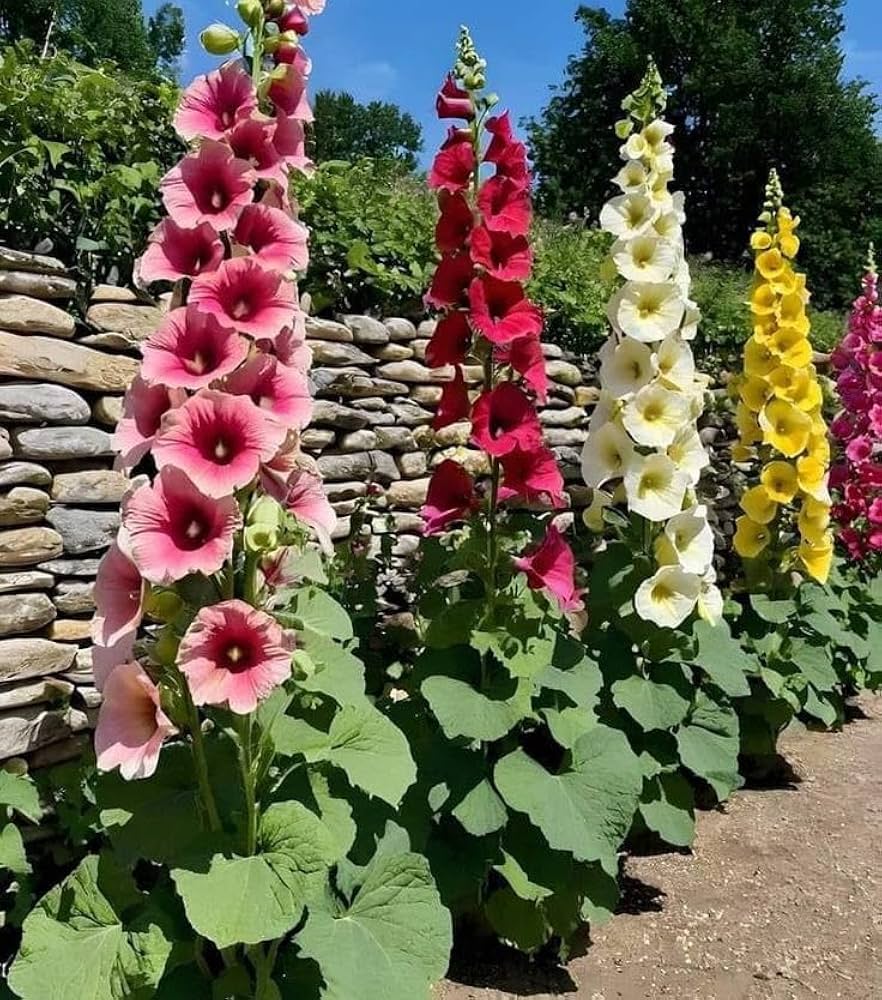
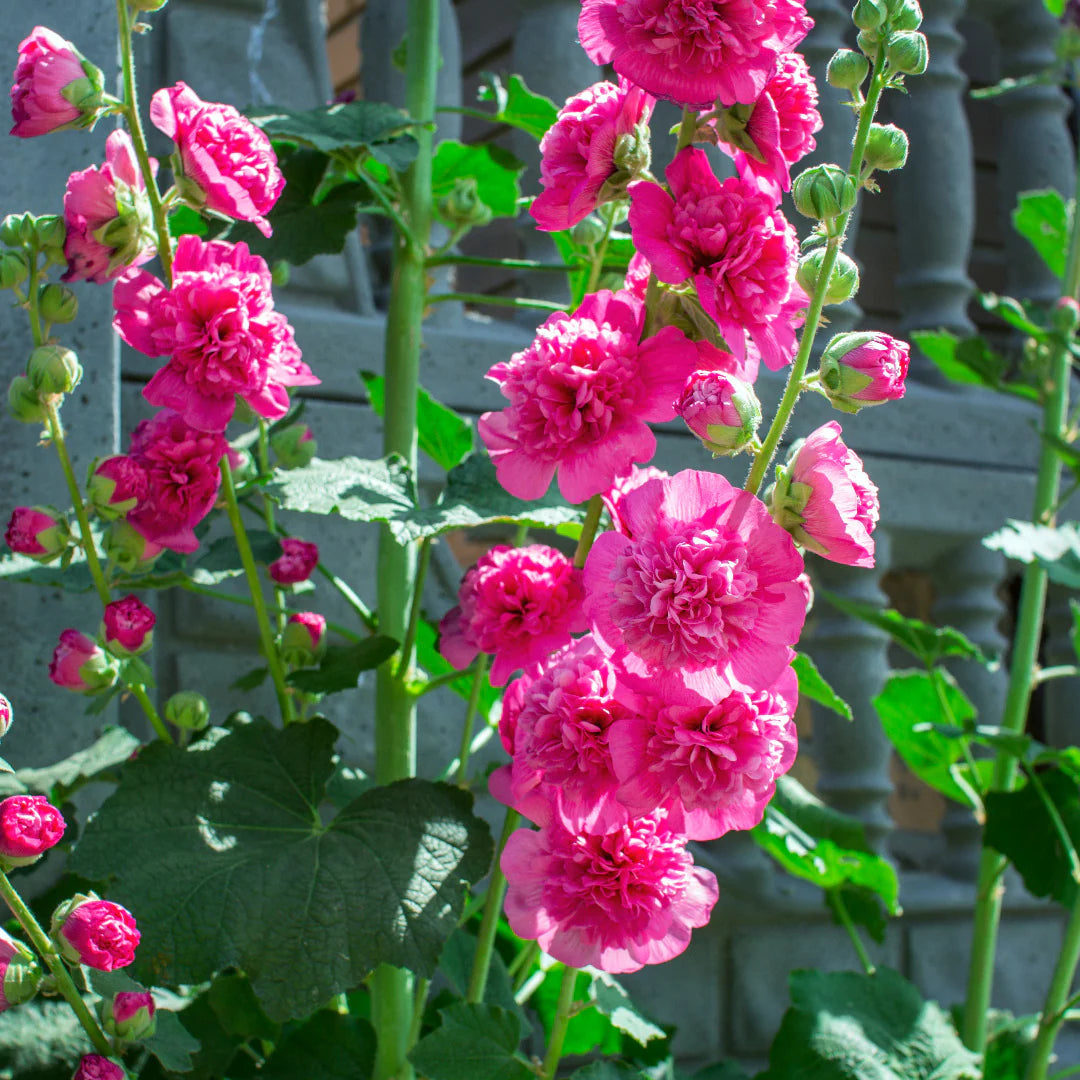
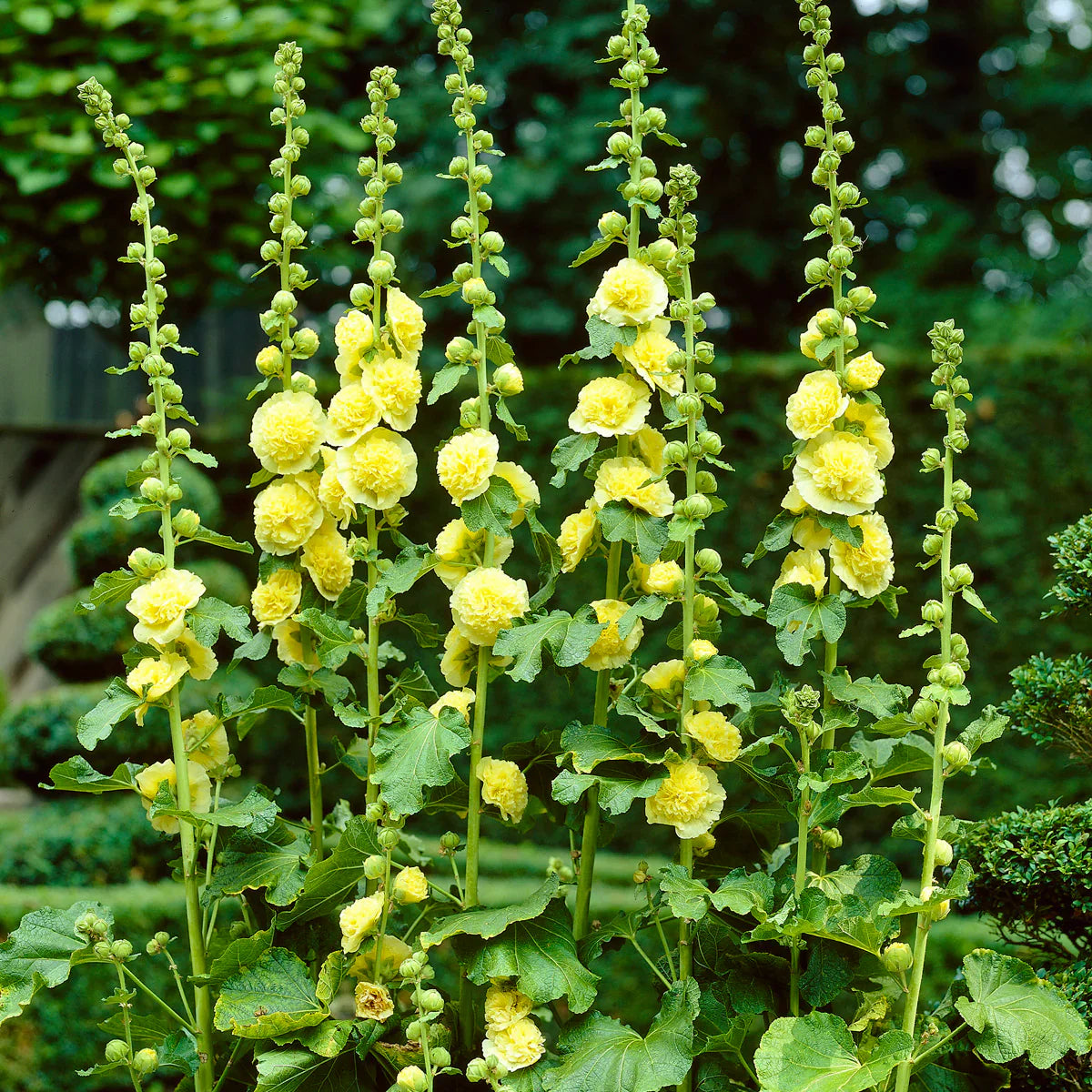
Hollyhocks capture the heart of a traditional cottage garden, with towering flower stalks rising gracefully beside fences, walls, and pathways. Their richly colored blossoms create a nostalgic summer display filled with height, texture, and timeless floral character.
Hollyhock Flower Seeds from Evergrow Seeds are available at evergrowseeds.com for US home gardeners interested in Alcea rosea and related ornamental hollyhocks. Depending on variety and climate, plants may behave as biennials or short-lived perennials.
Browse Our Hollyhock Flower Seeds
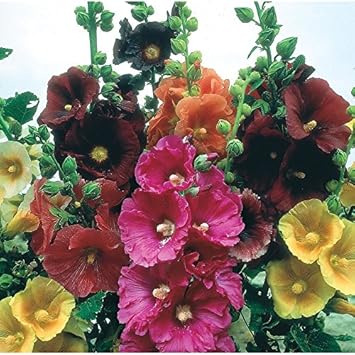
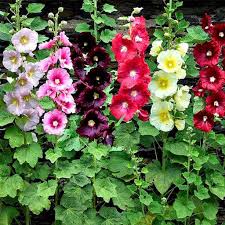
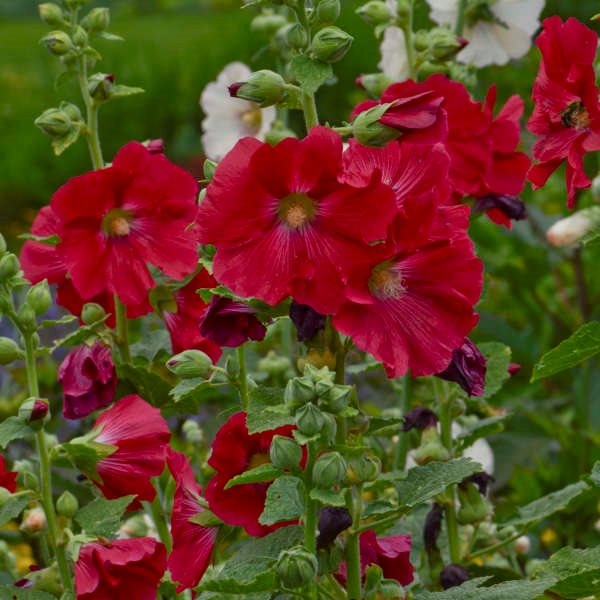
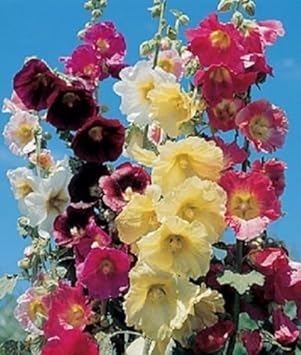
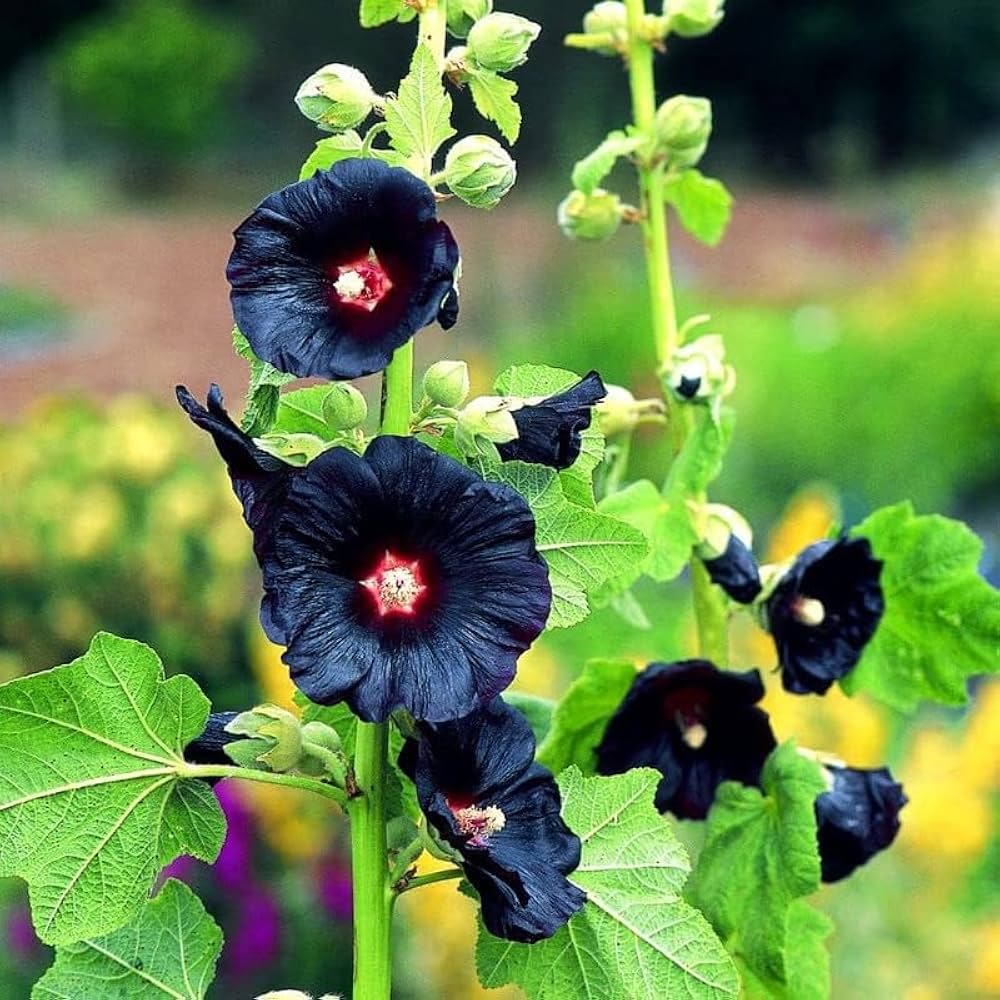
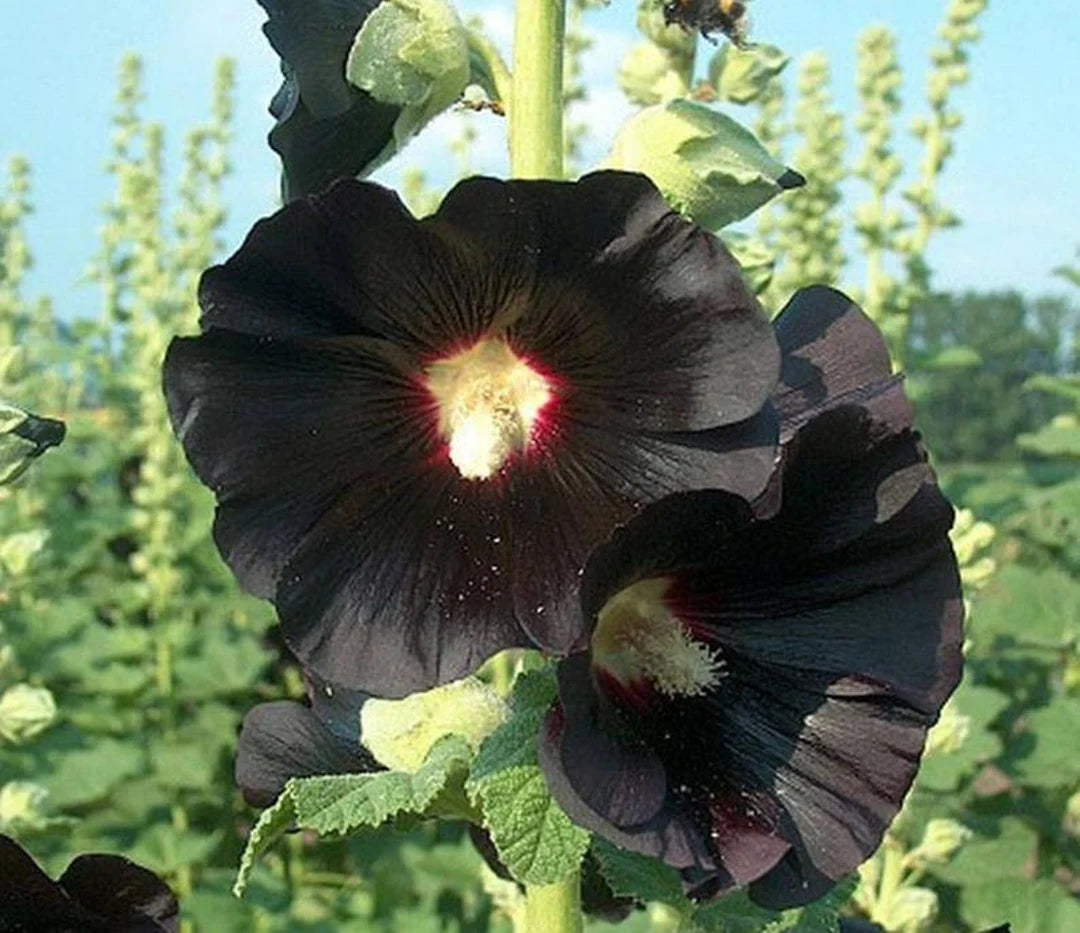
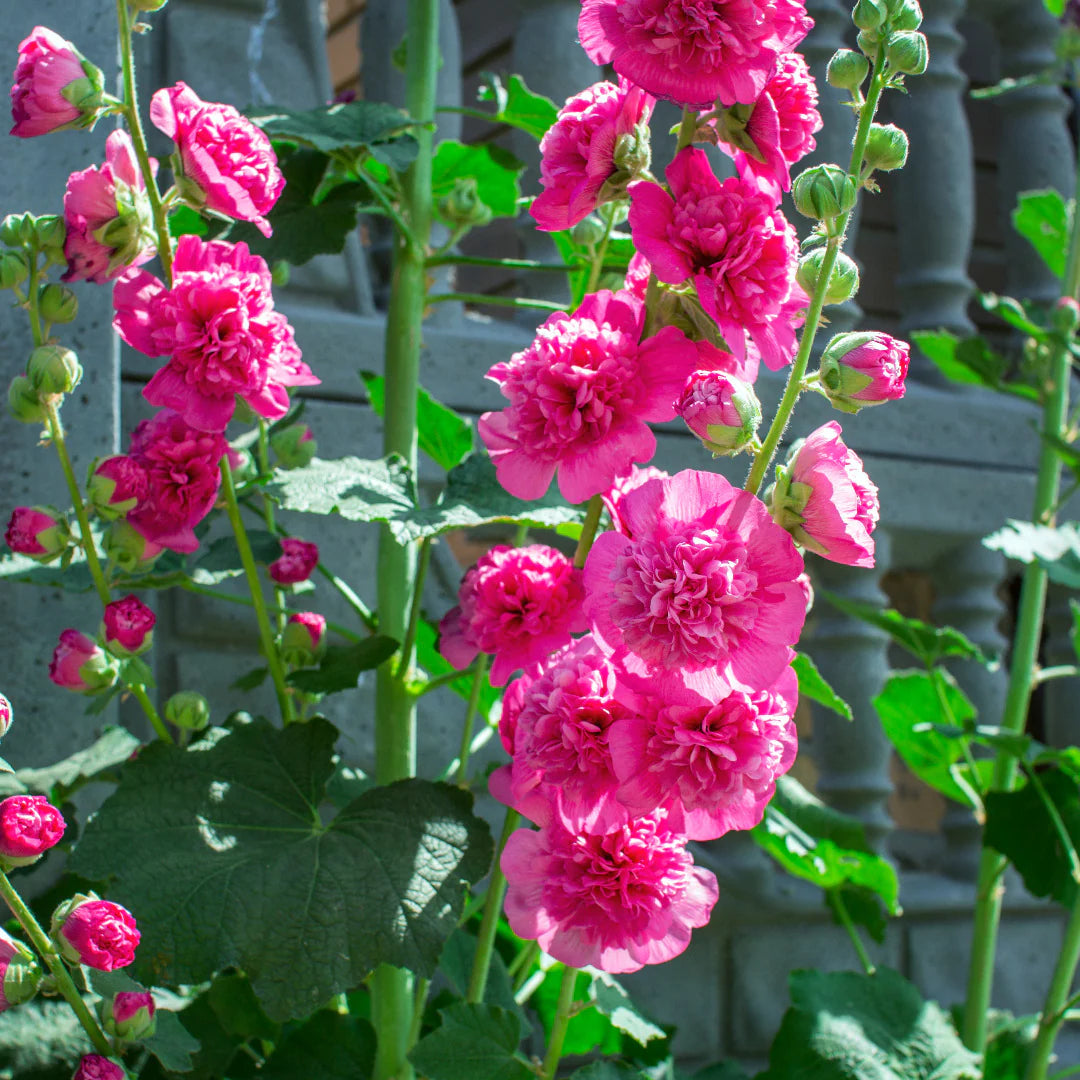
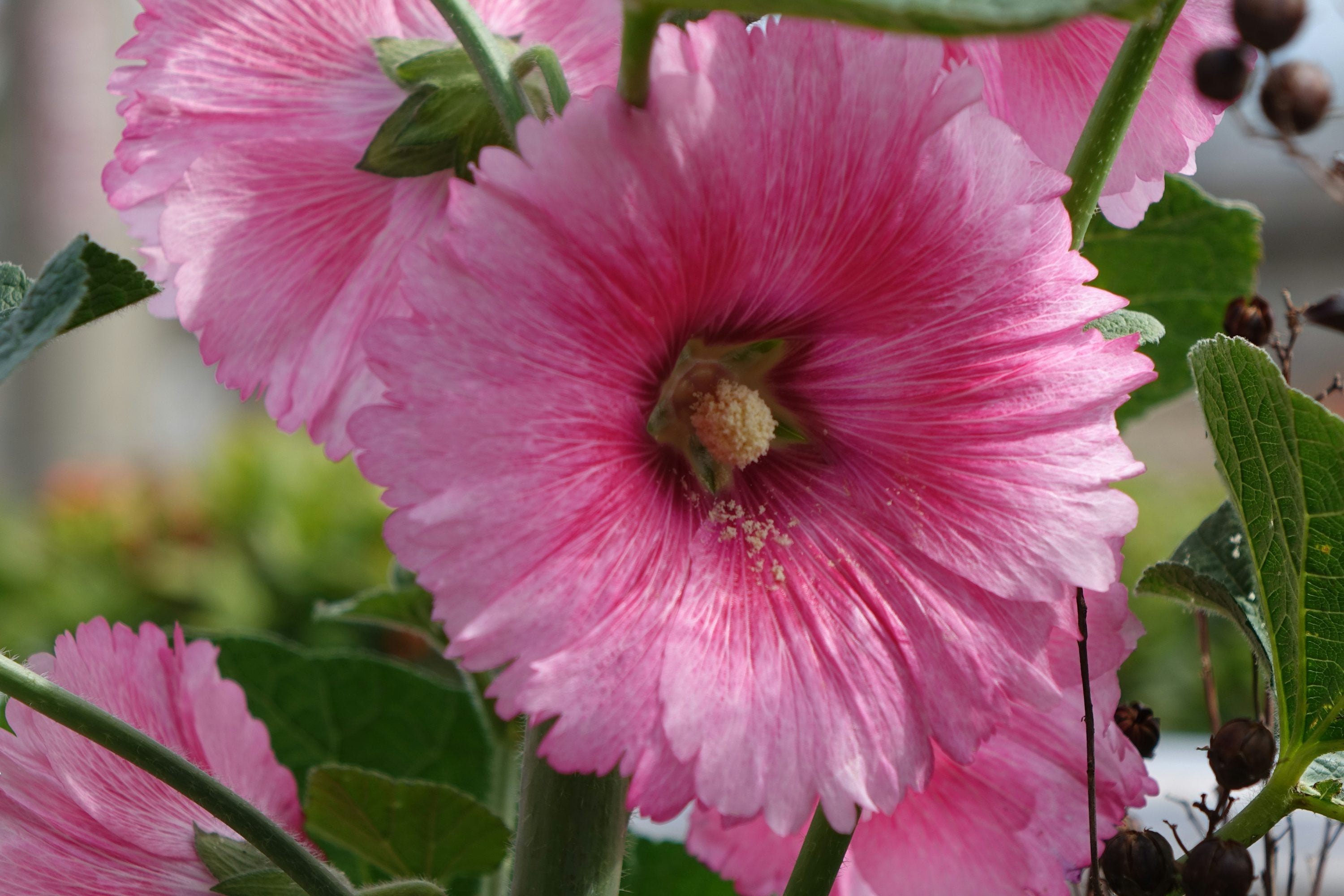
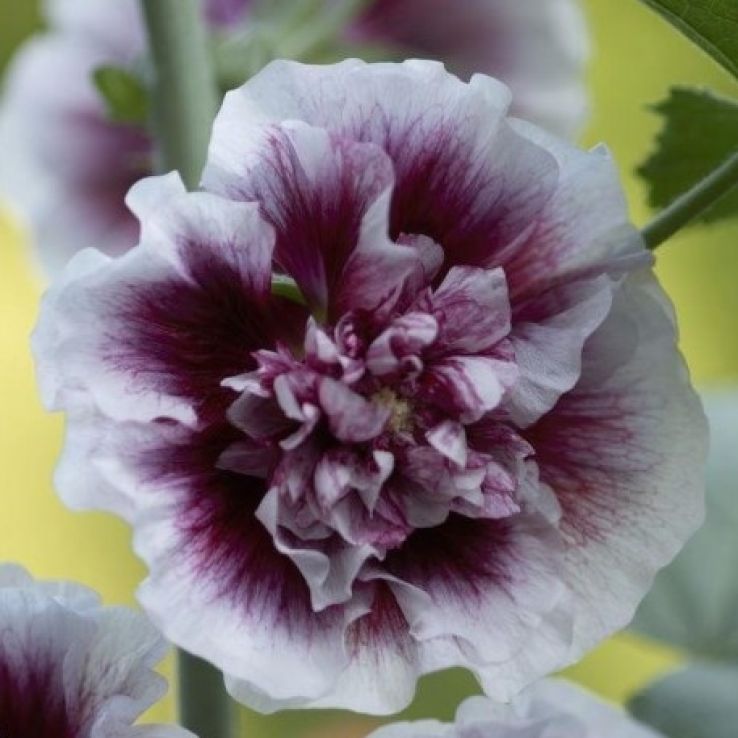
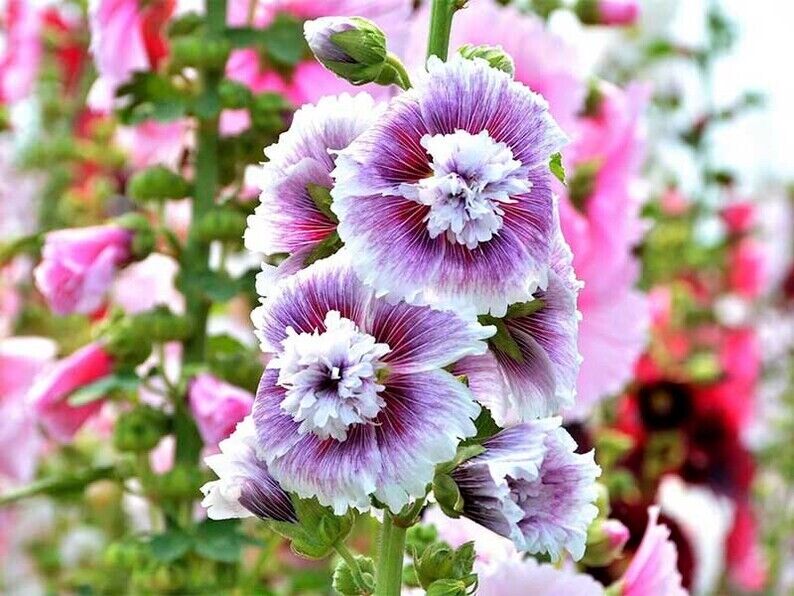
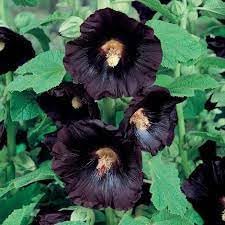
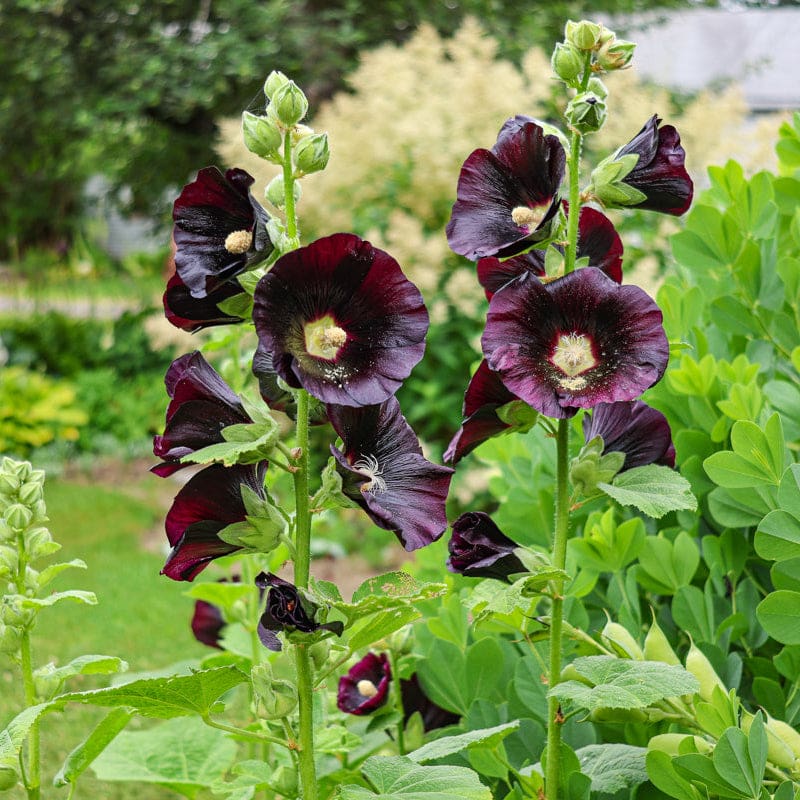
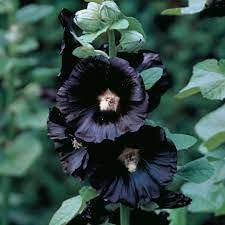
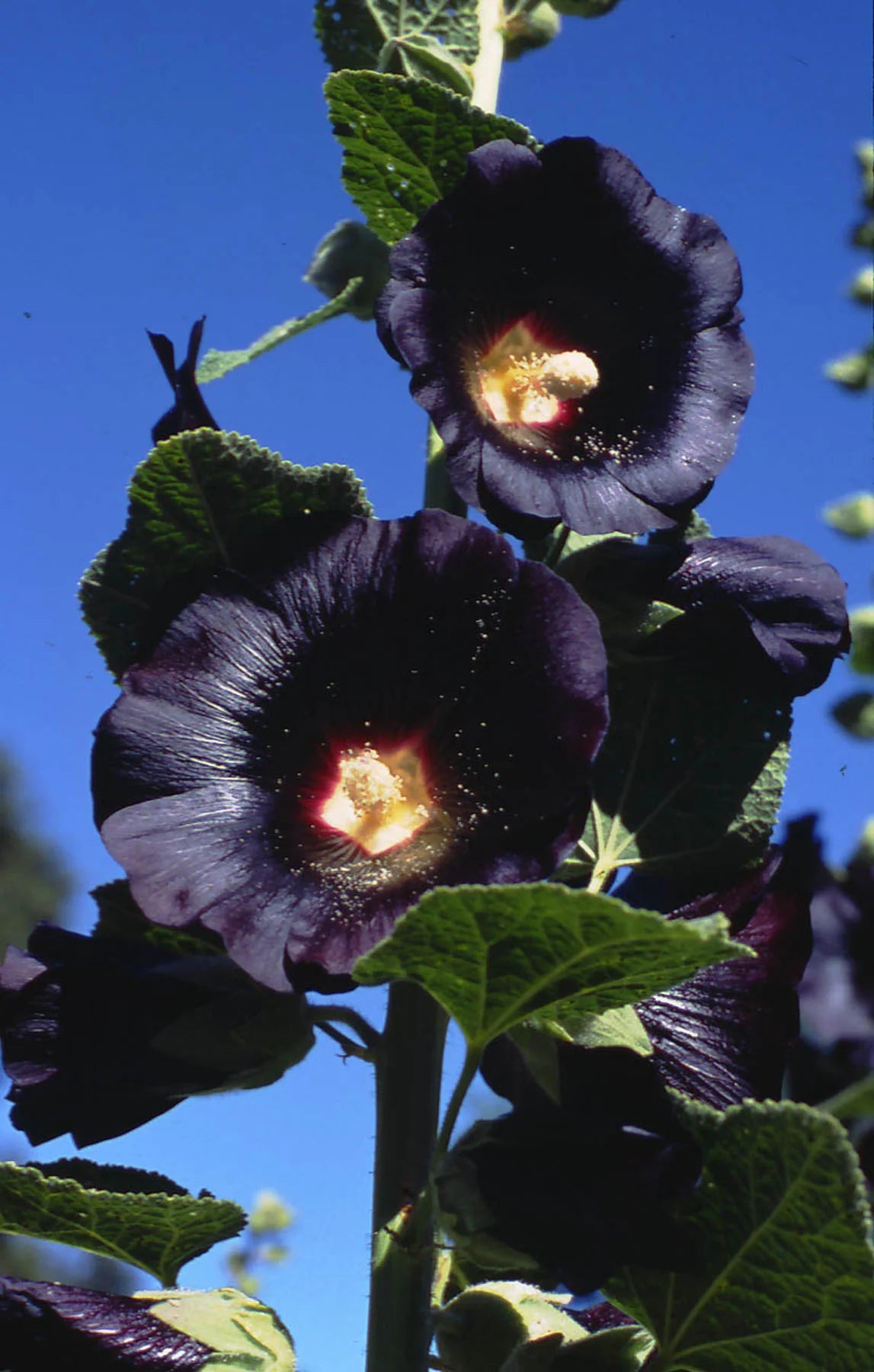
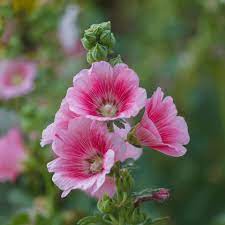
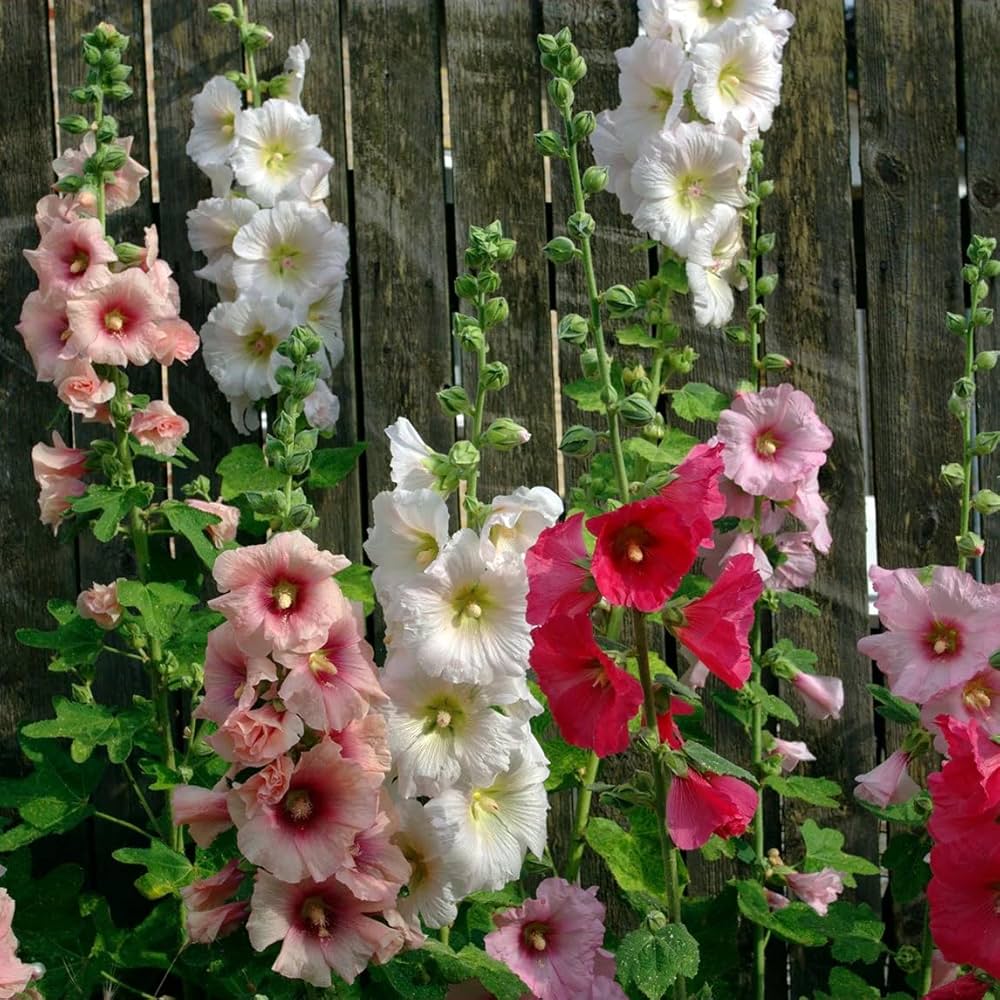
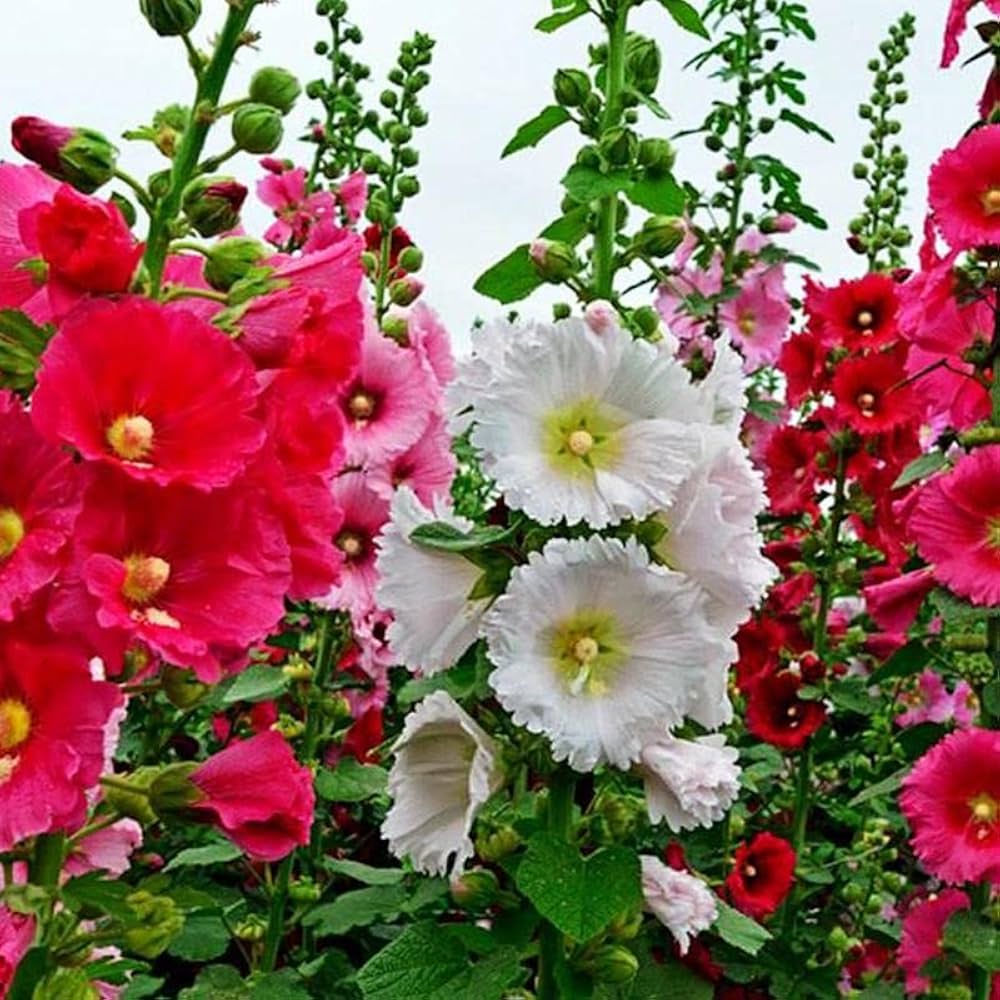
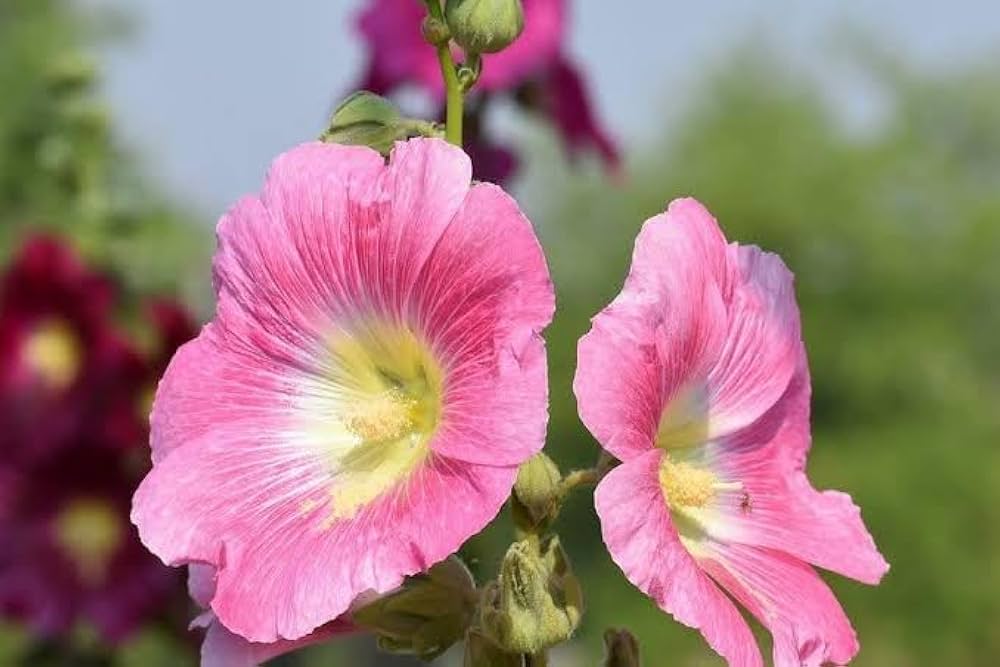
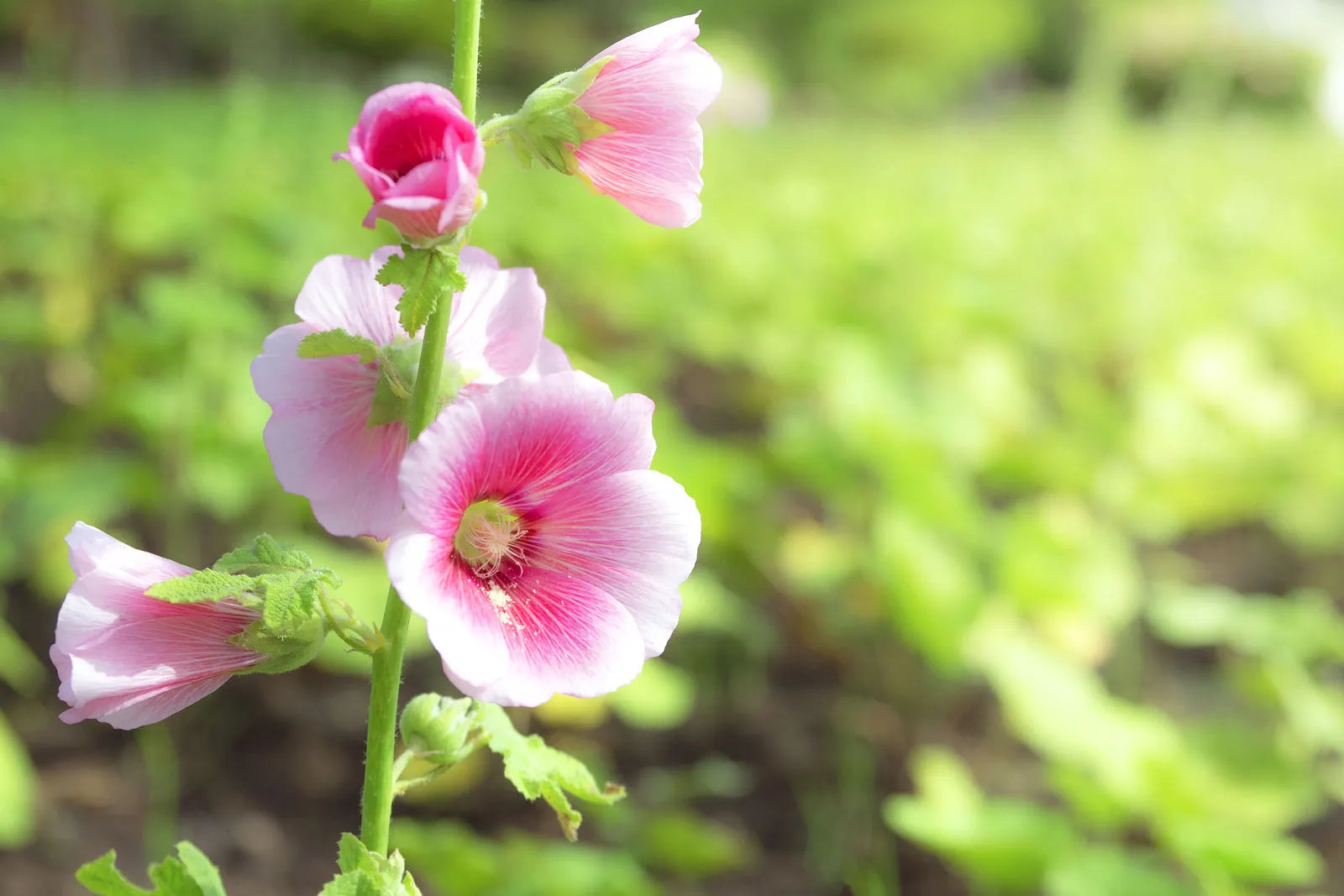
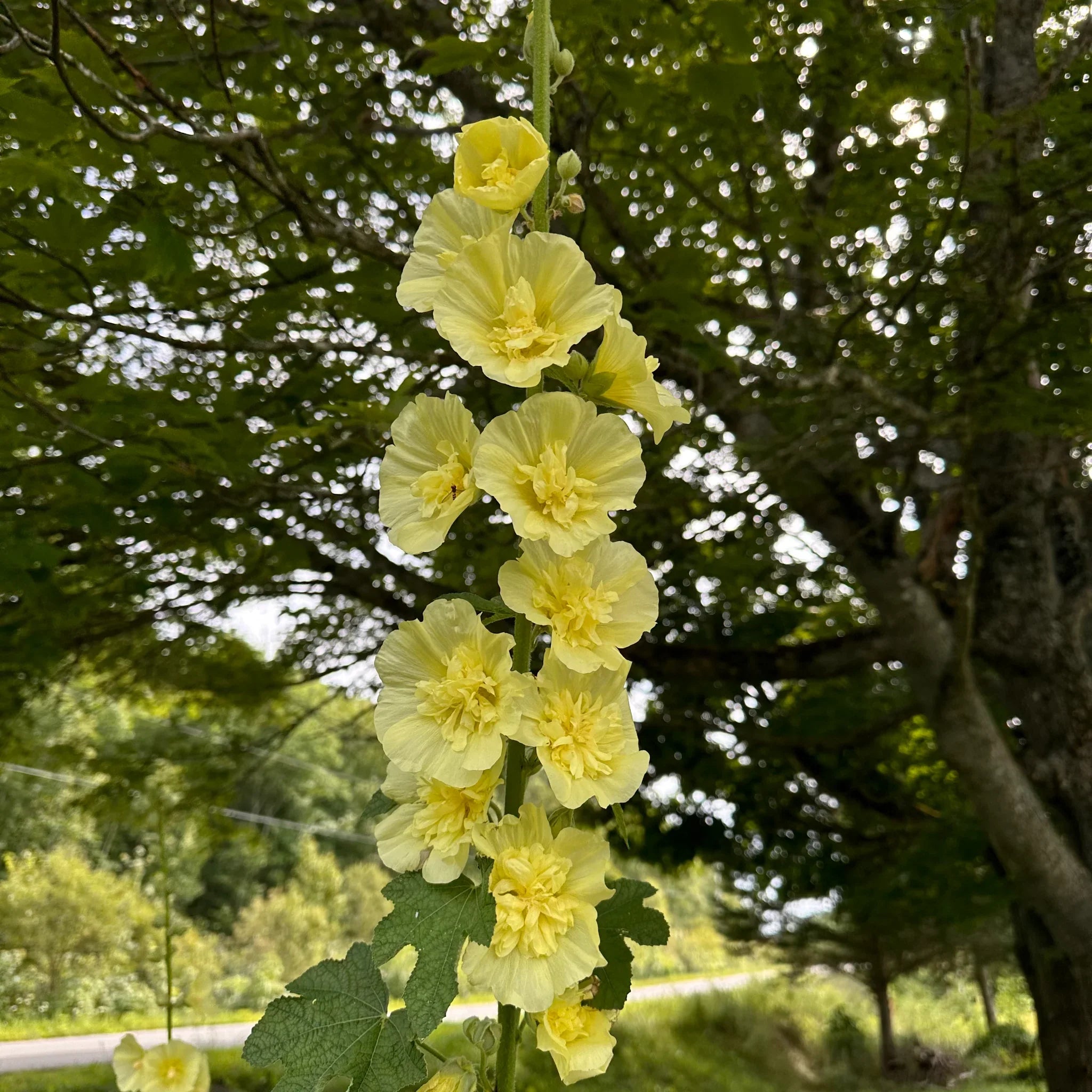
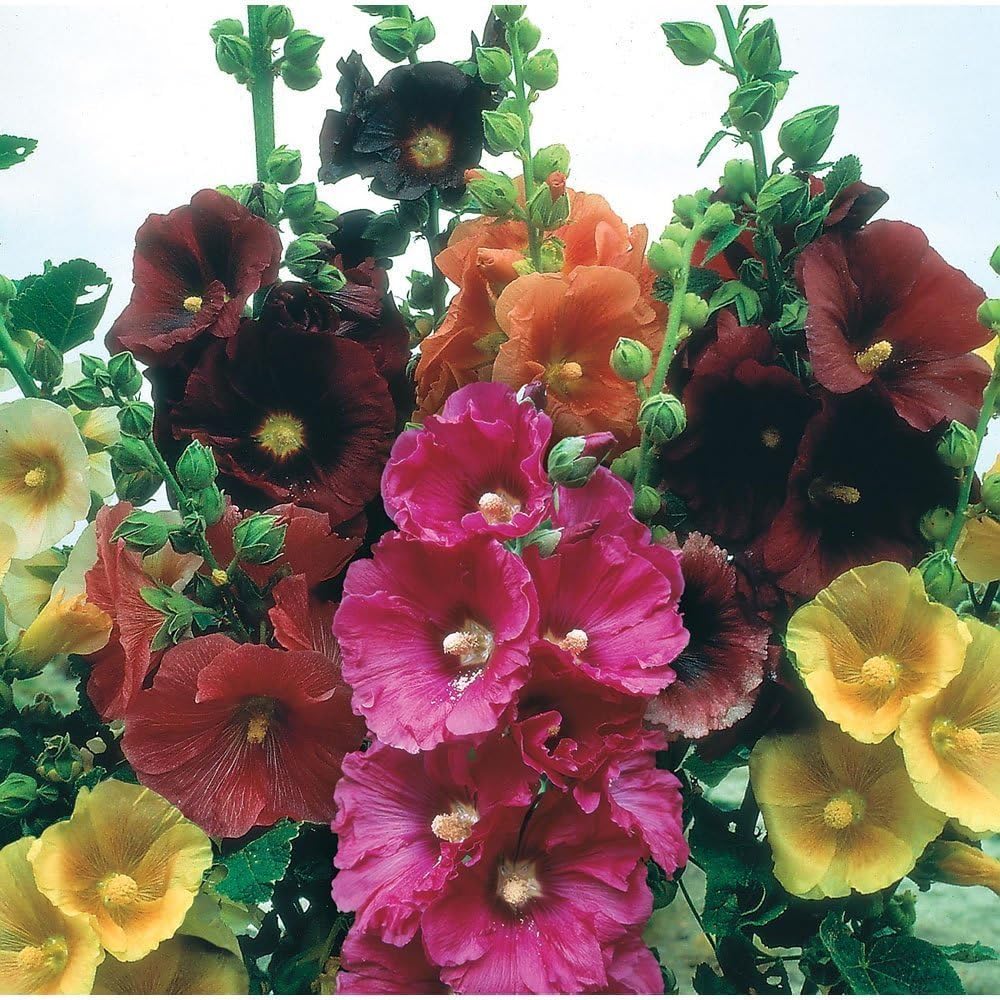
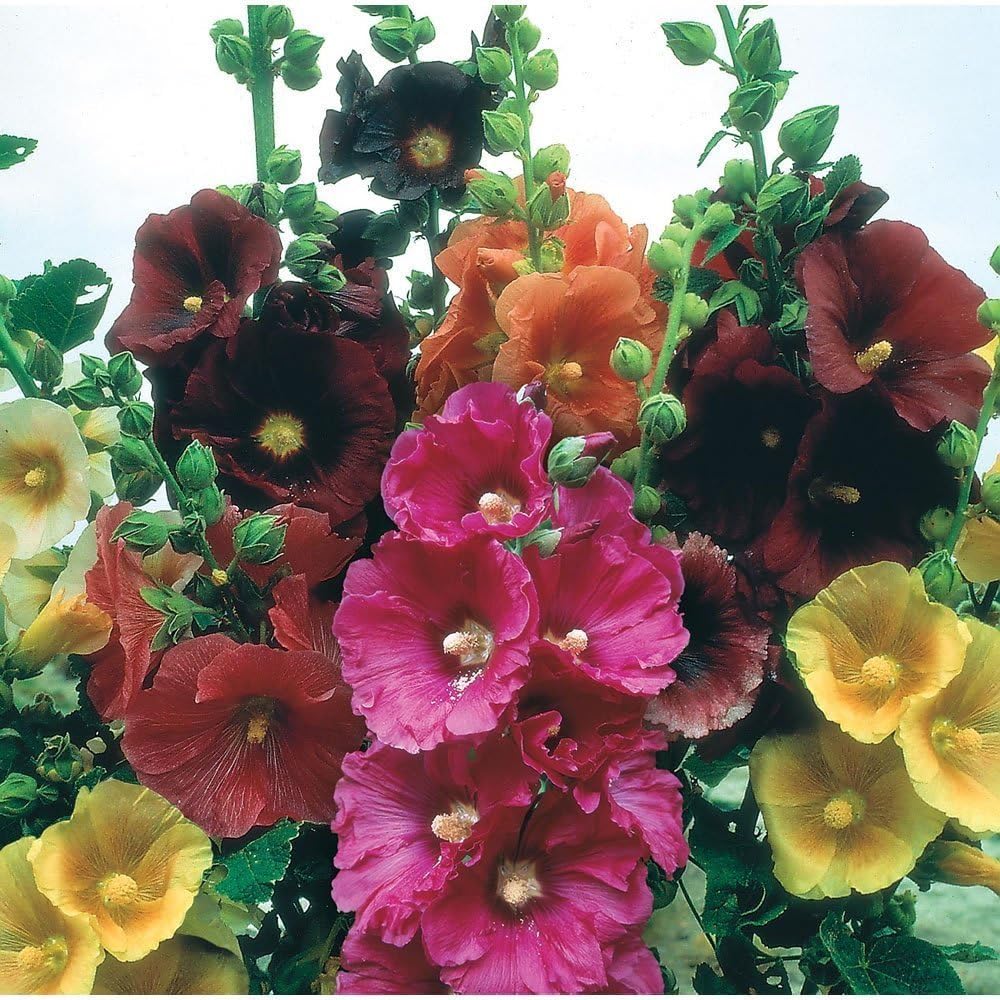
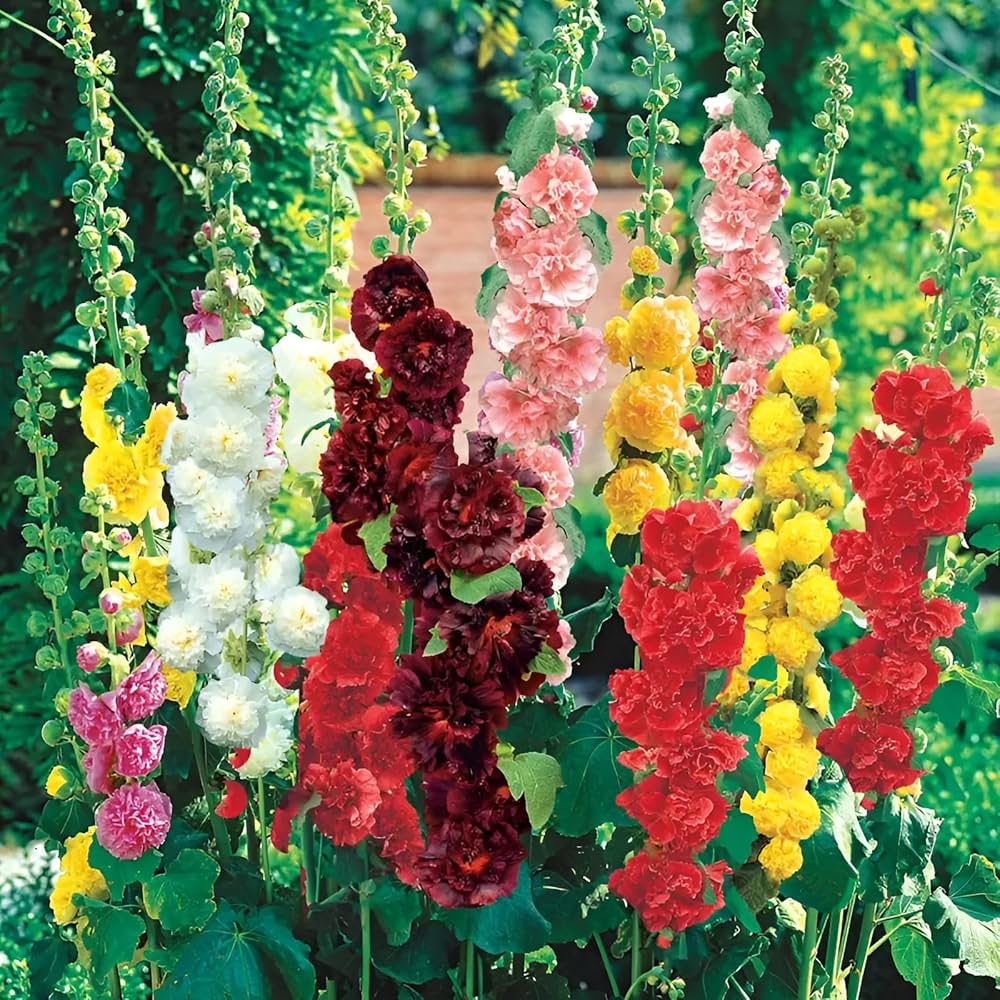
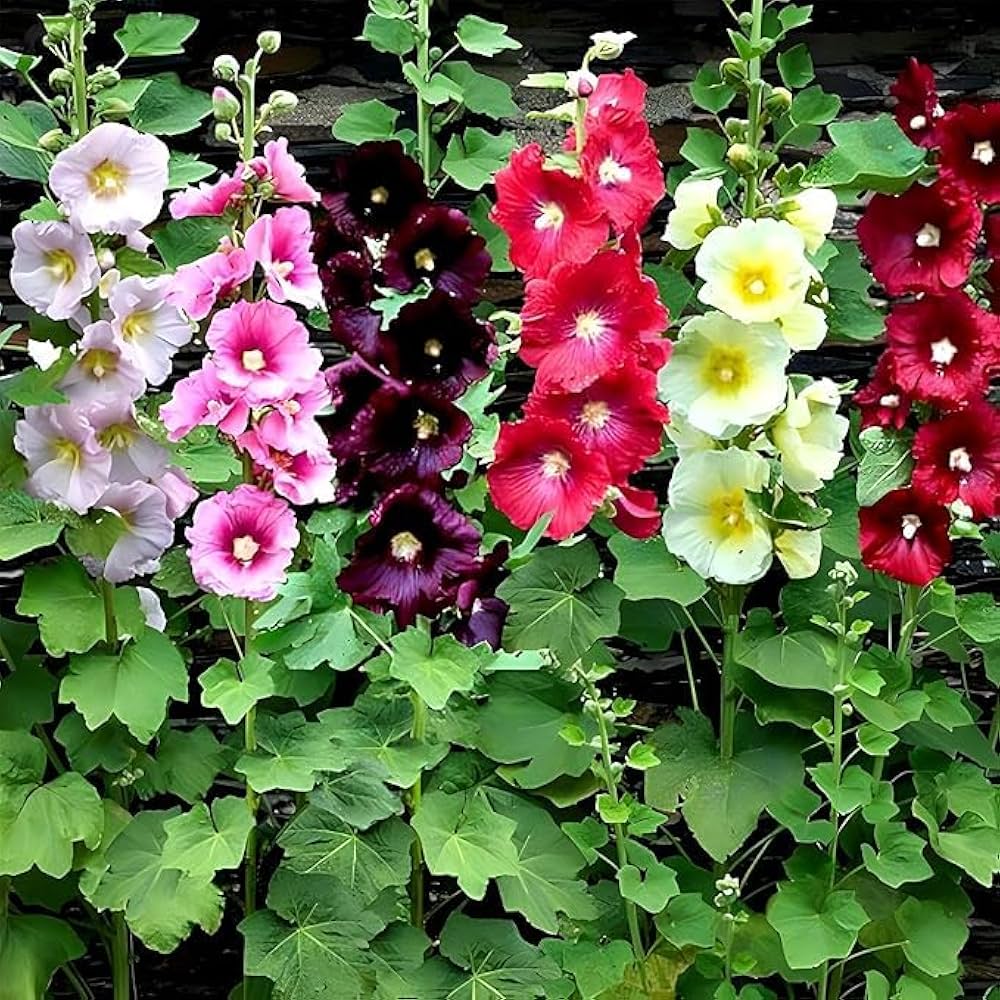
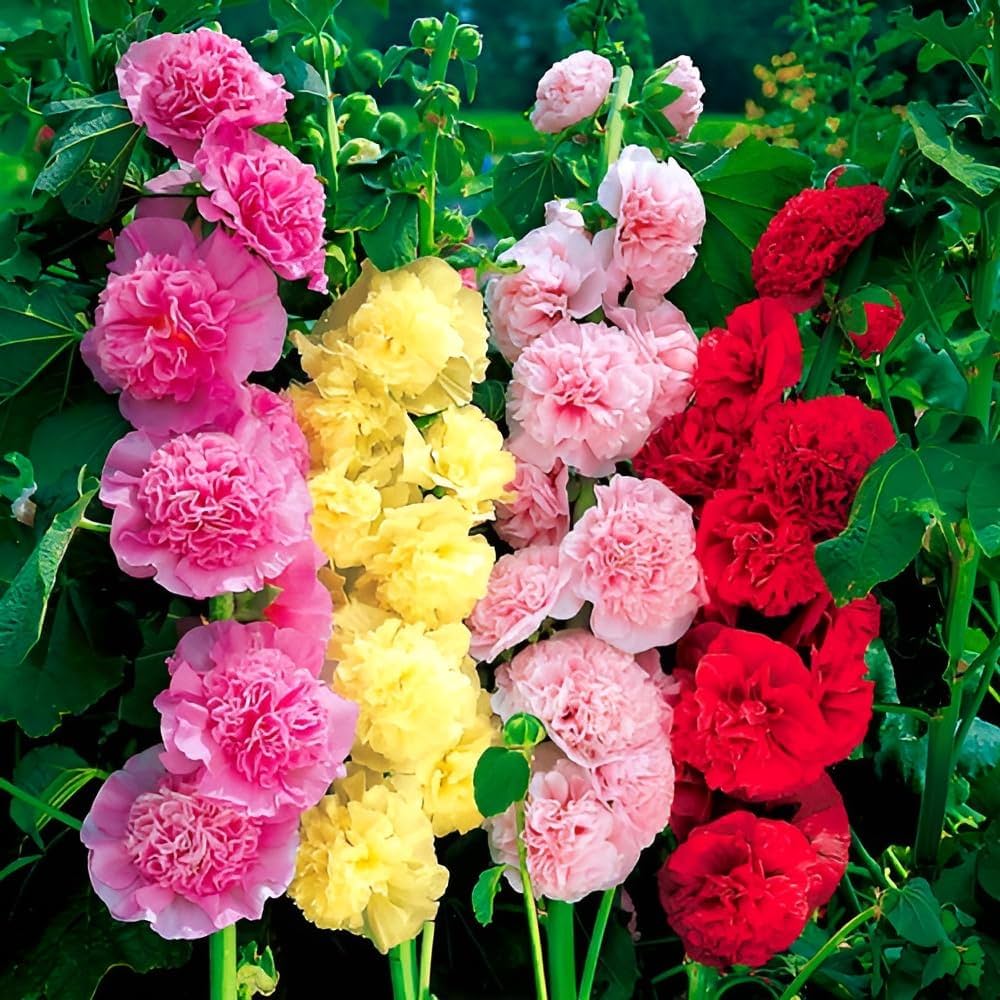
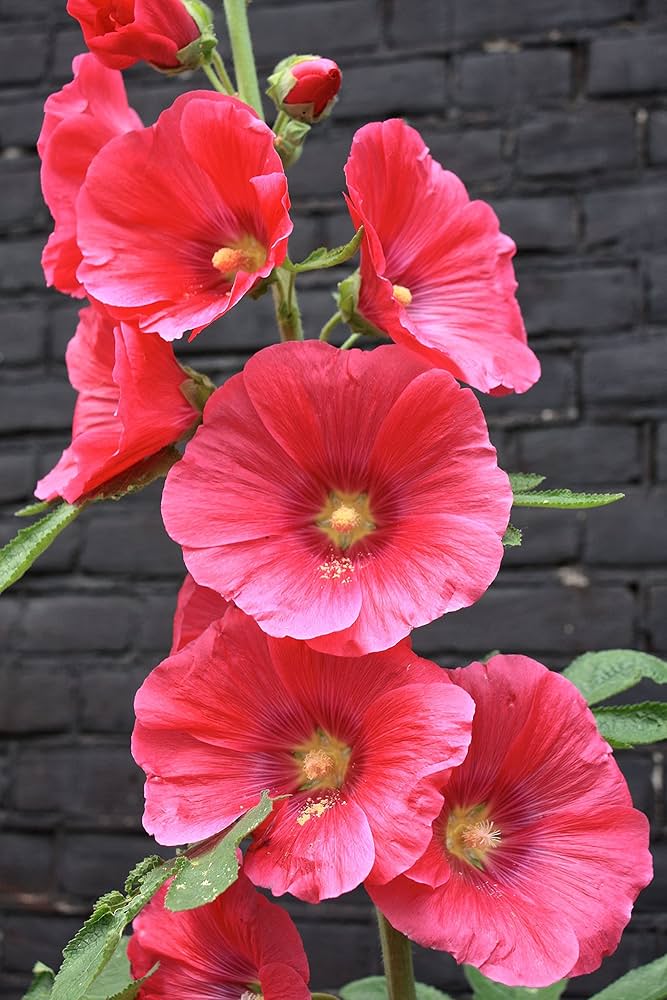
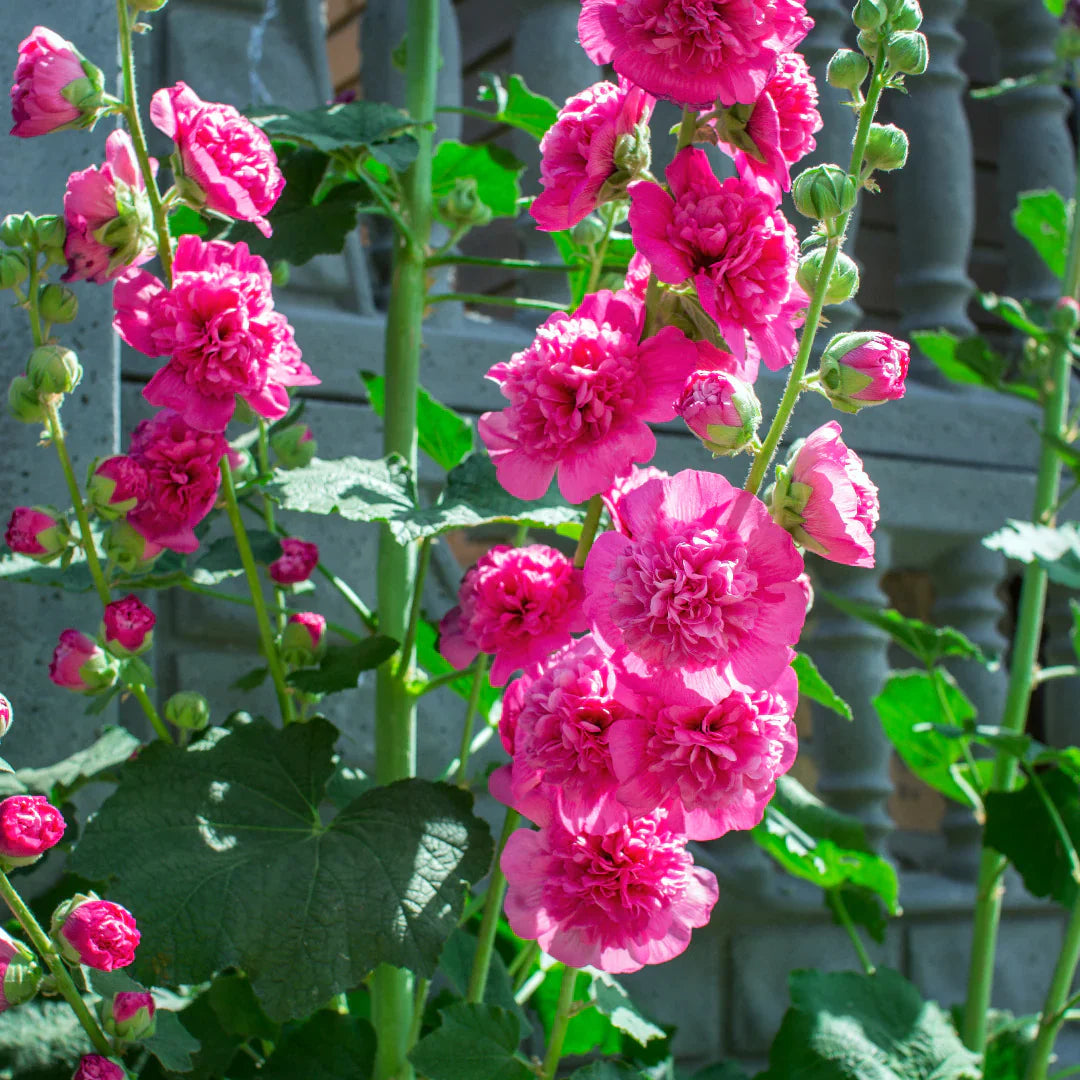
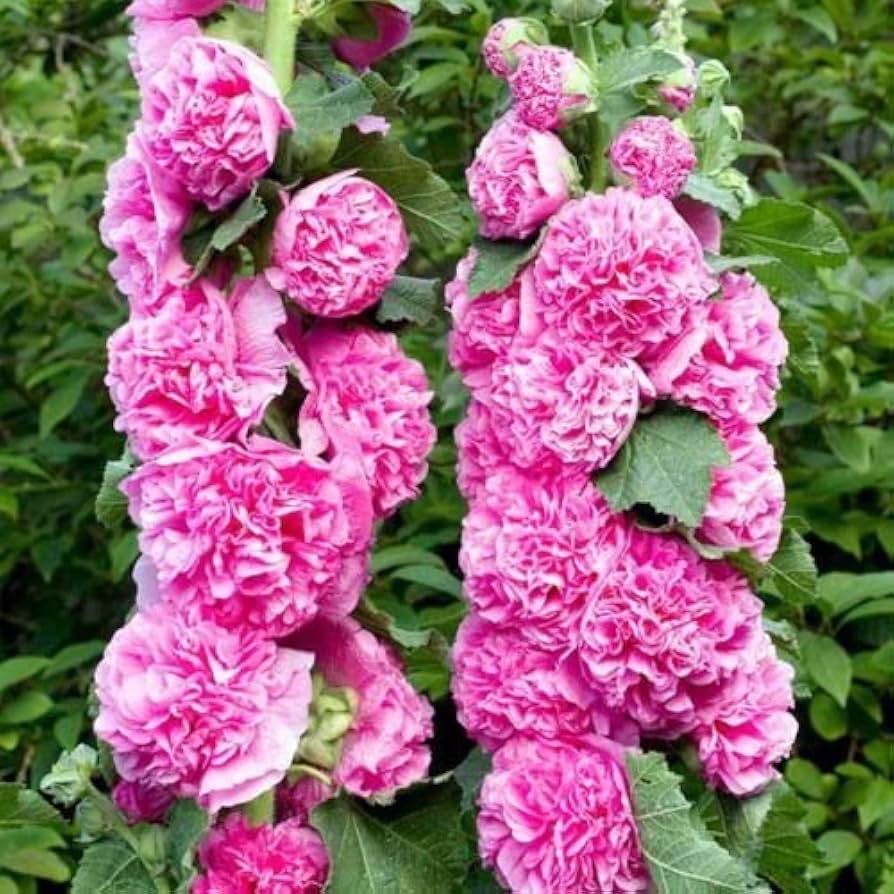
Depending on variety, Hollyhock flowers may appear in shades of white, cream, yellow, peach, apricot, pink, rose, red, burgundy, lavender, purple, or nearly black.
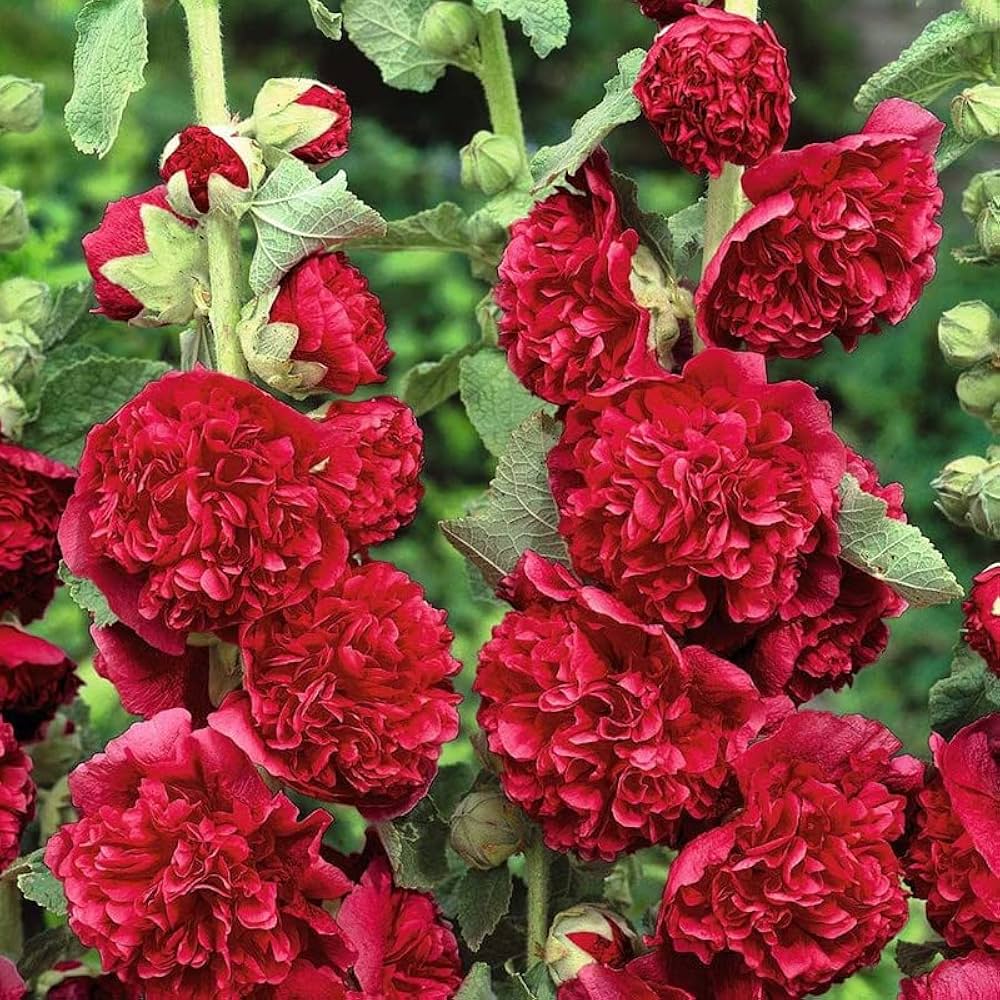
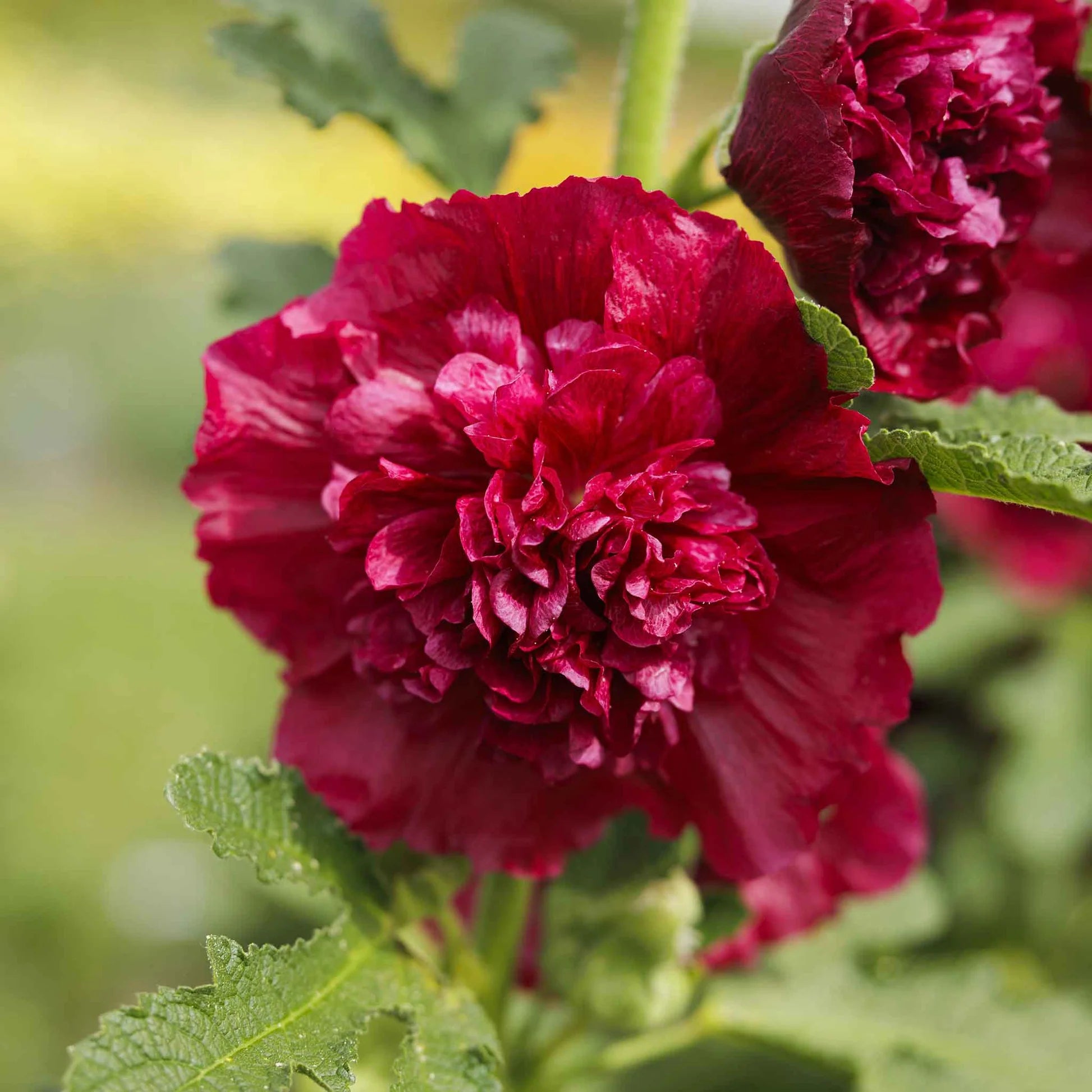
Flowers can be single, semi-double, or richly double, creating beautiful displays along cottage fences, walls, perennial borders, and informal garden pathways.
Plant Care Insights
Sunlight: Hollyhocks generally perform best in full sun.
Soil: Choose fertile, well-drained soil with suitable organic matter.
Watering: Maintain moderate moisture while avoiding prolonged waterlogging.
Spacing: Provide good airflow between plants to support healthy foliage.
Maintenance: Remove declining leaves and spent flower stalks or leave selected heads for seed.
Frequently Asked Questions
Can Hollyhocks grow across different US climates?
Hollyhocks grow successfully across many temperate regions of the United States.
Performance and longevity vary according to variety and regional conditions.
How large can mature Hollyhocks become?
Hollyhocks are known for tall upright flower stalks that can reach several feet.
Final height depends on variety, climate, and growing conditions.
When do Hollyhocks typically produce flowers?
Hollyhocks commonly flower during summer after reaching sufficient maturity.
Many biennial types bloom primarily during their second growing season.
Do Hollyhocks naturally reseed?
Yes, Hollyhocks can self-seed when mature flower heads remain on the plant.
Leaving selected seed heads can encourage future volunteer plants.
Shop By Category