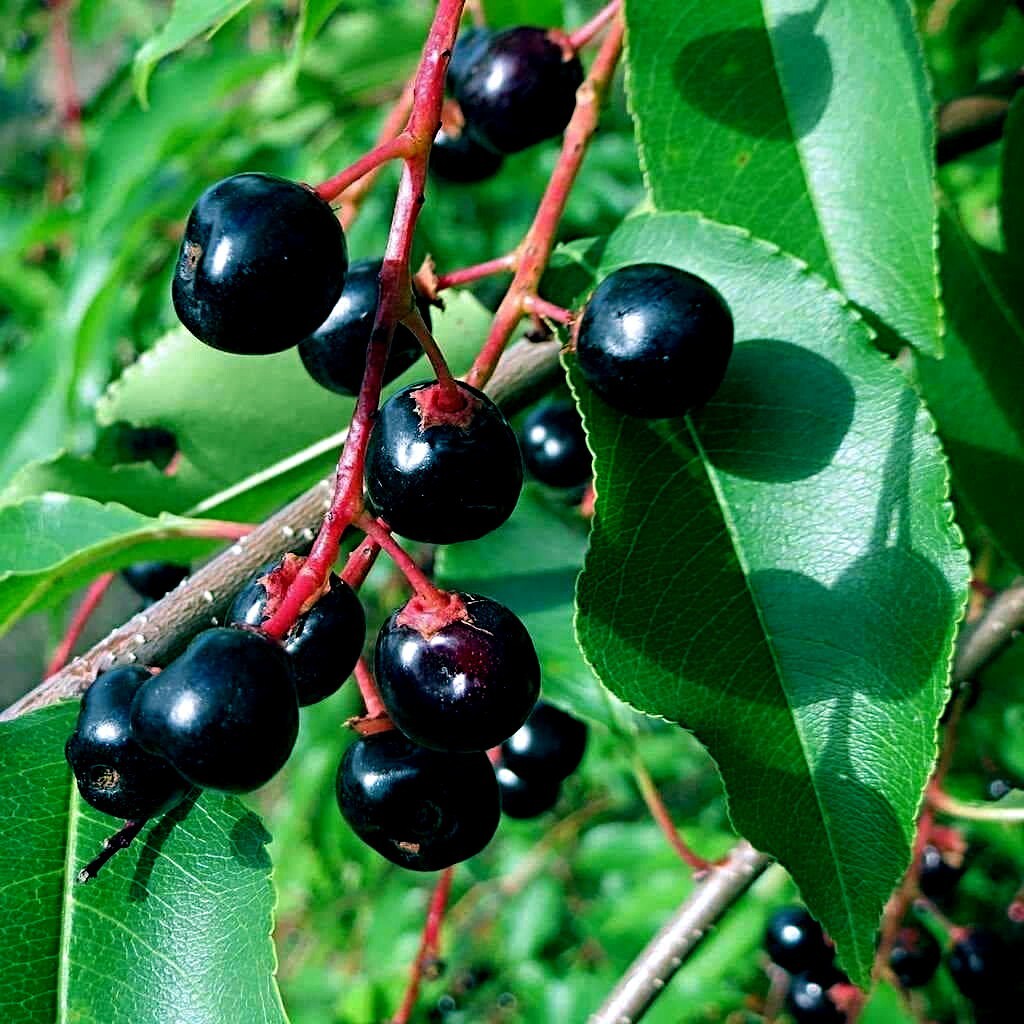
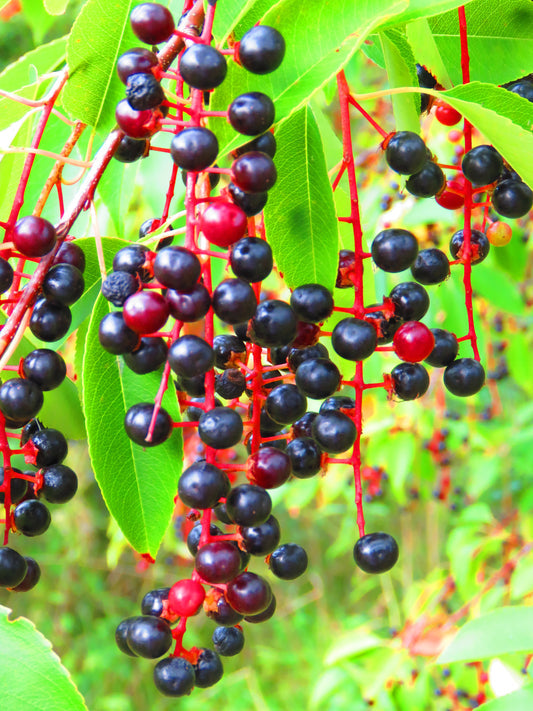
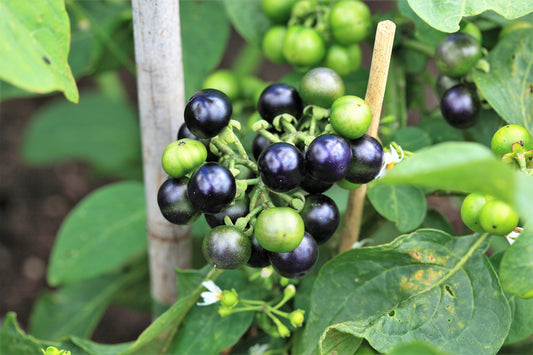

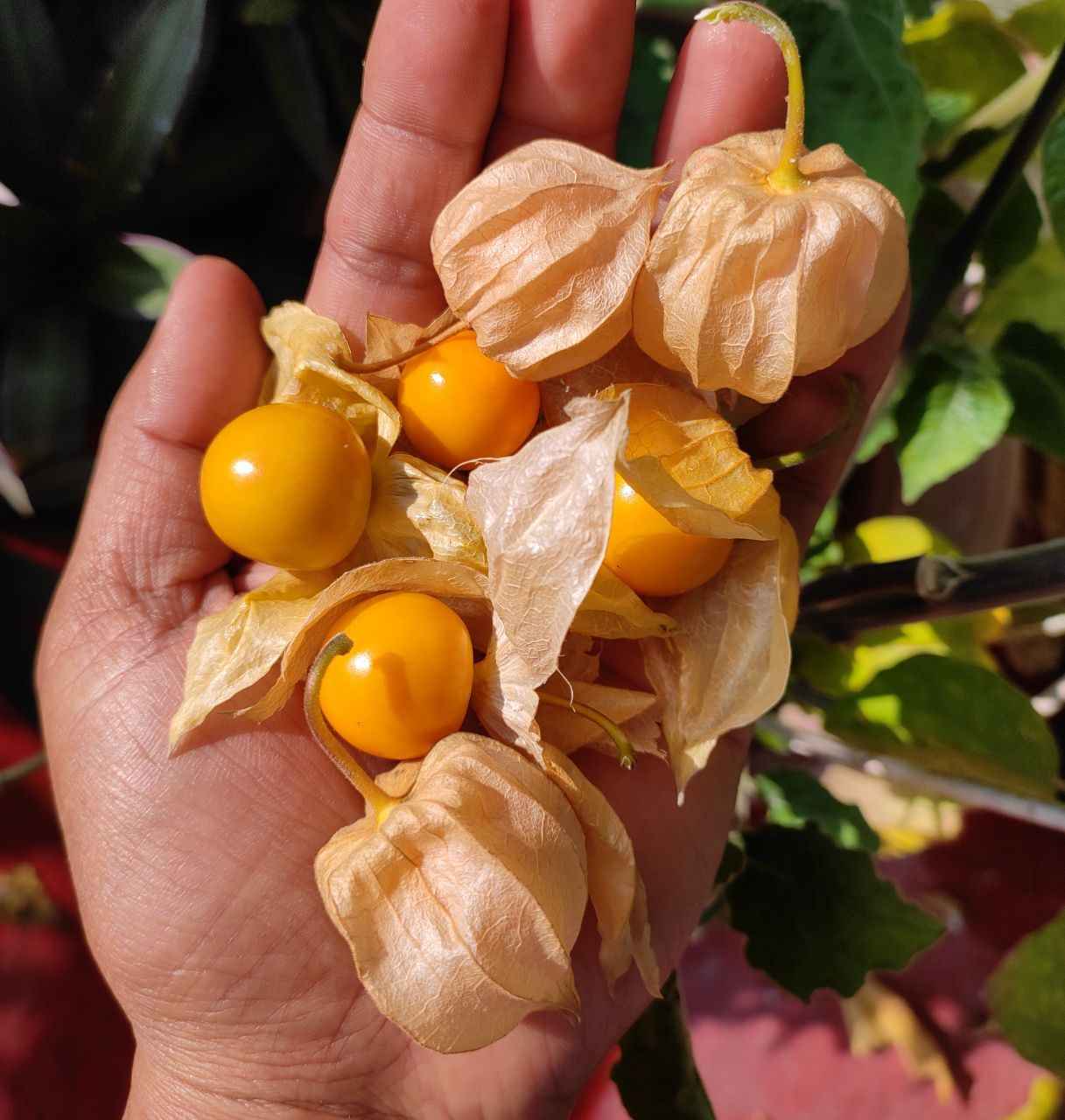

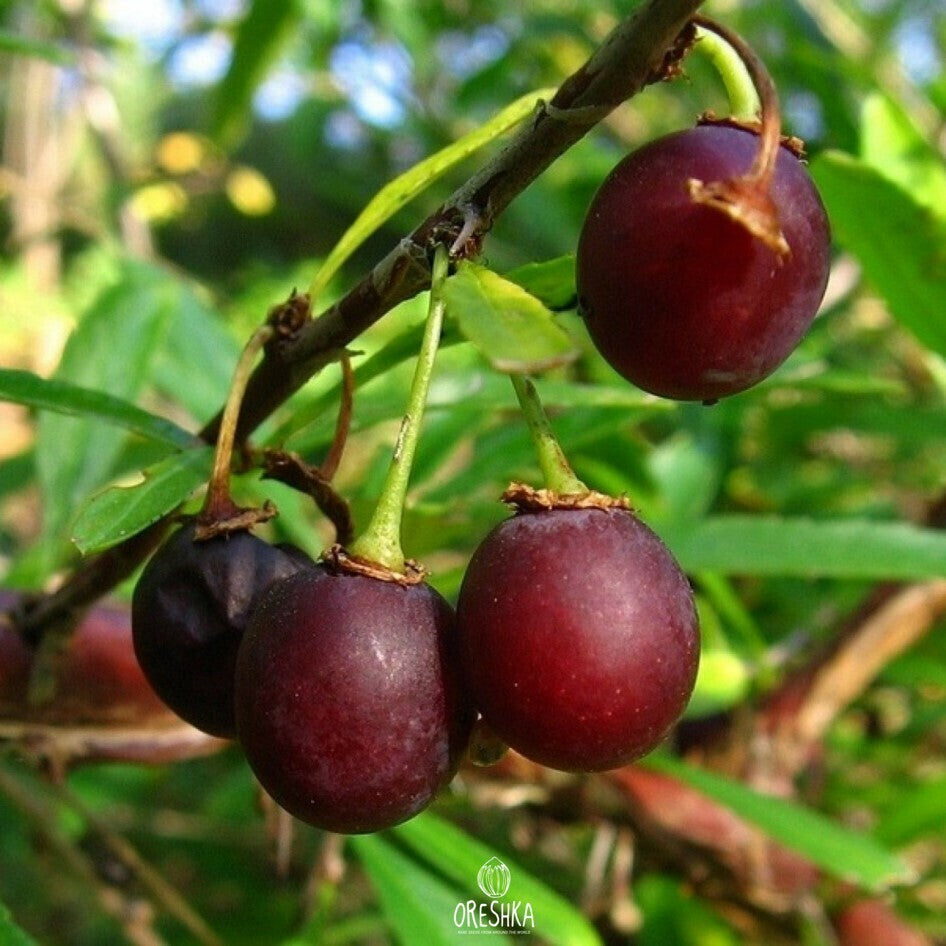
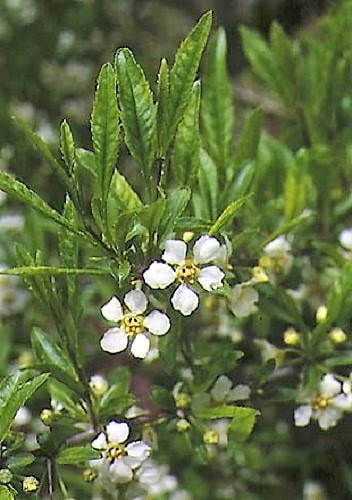
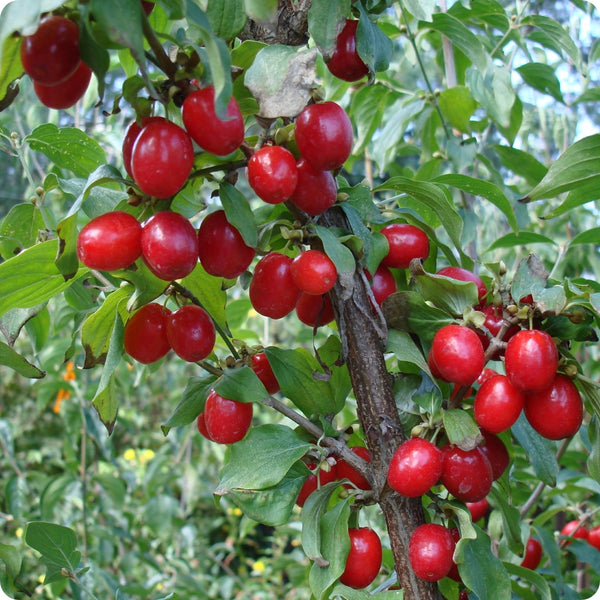
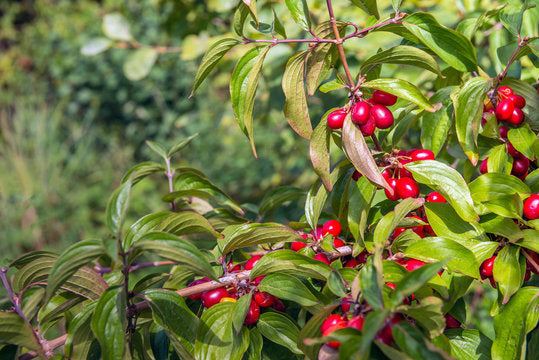
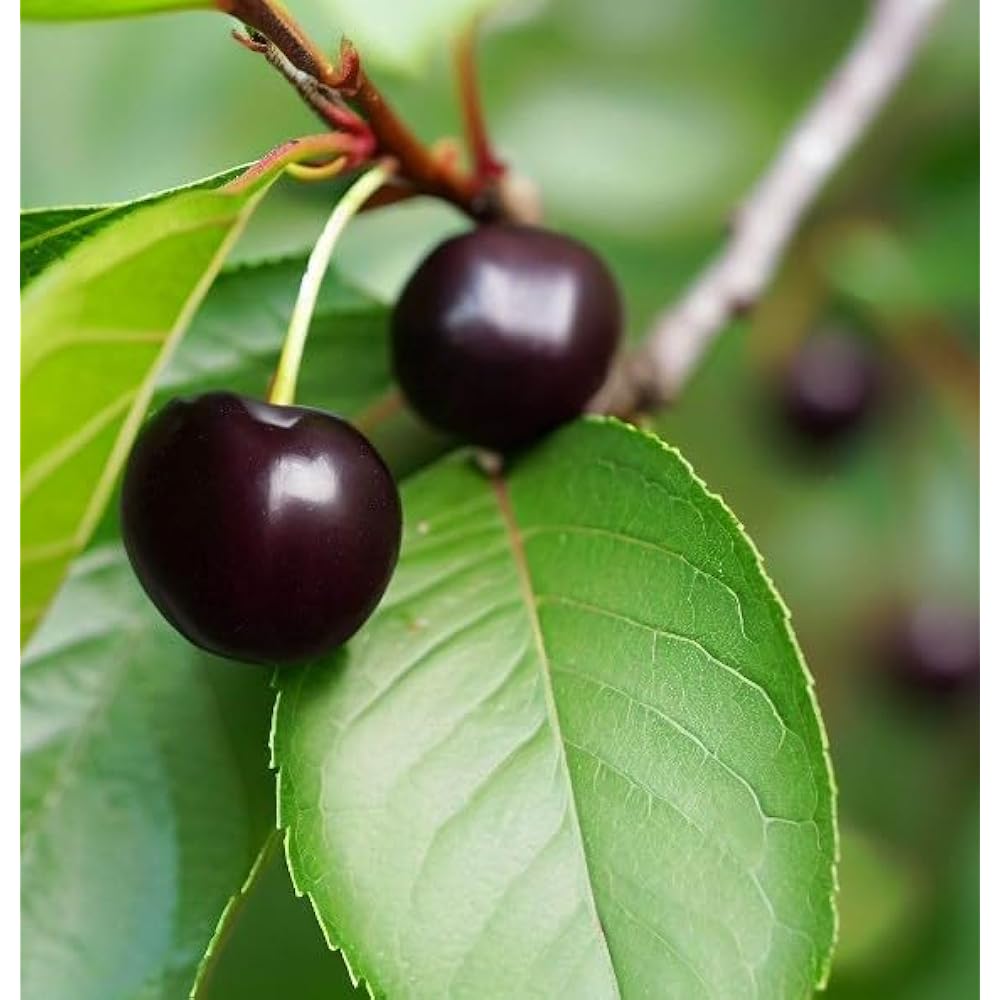
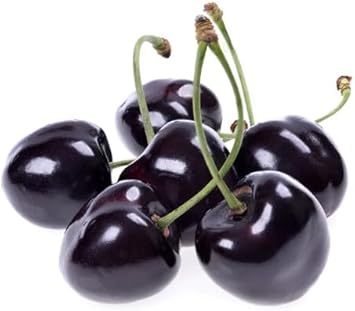
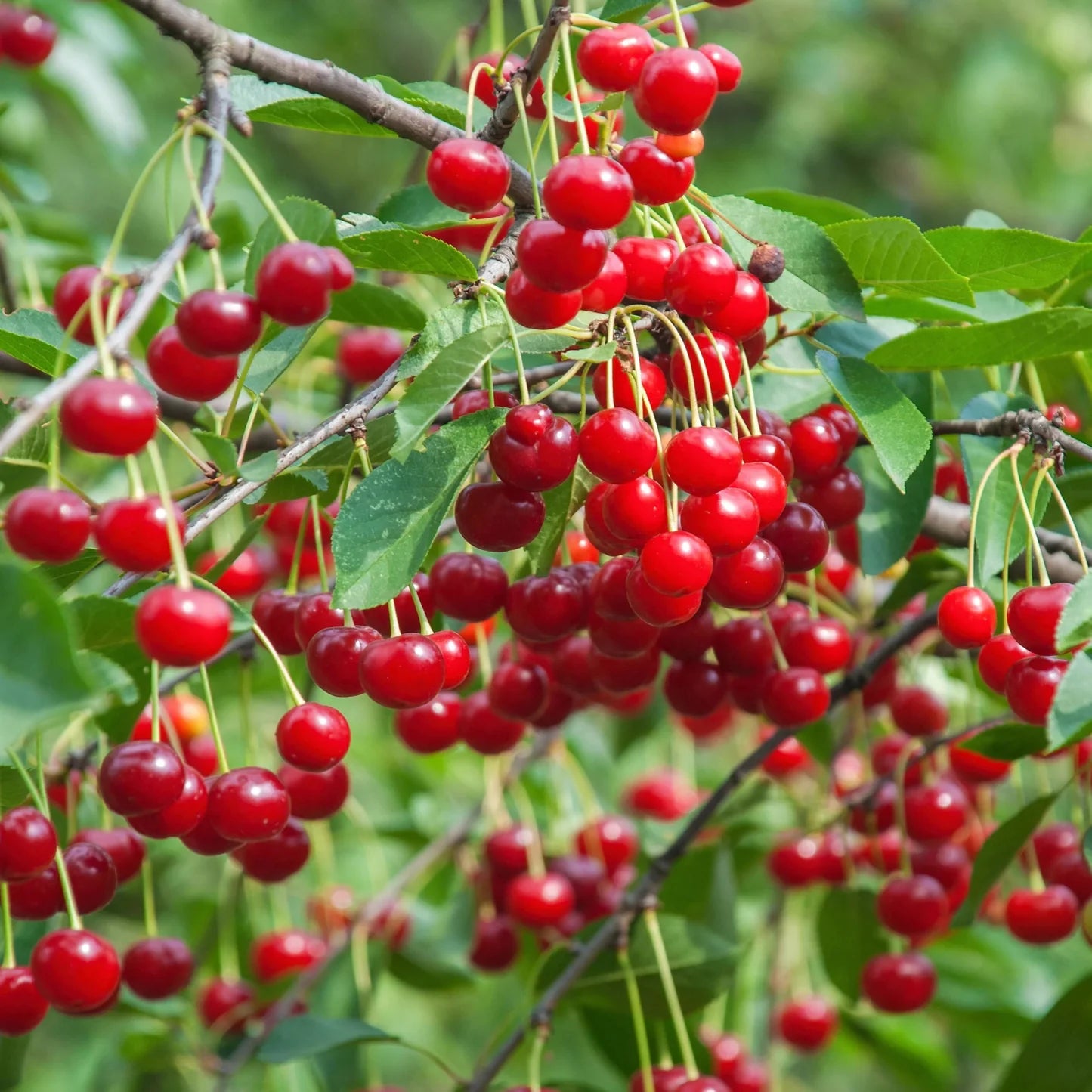
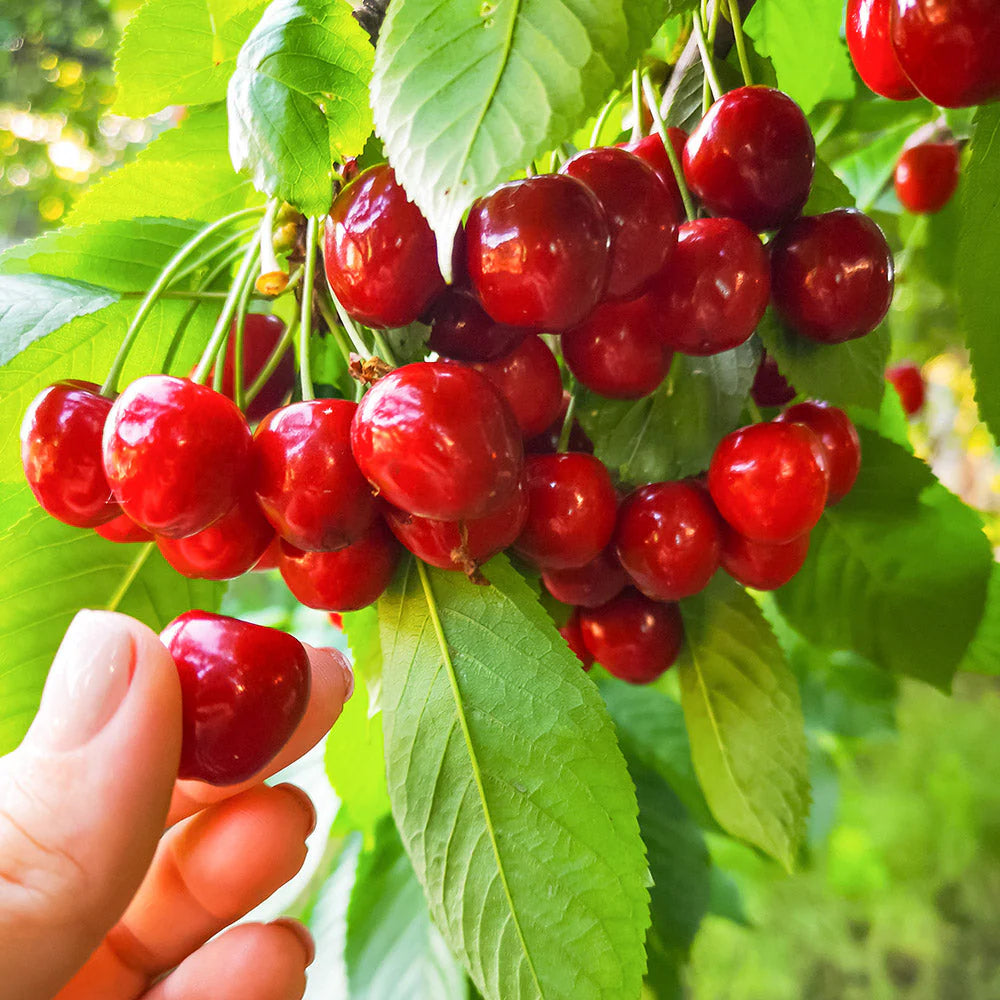
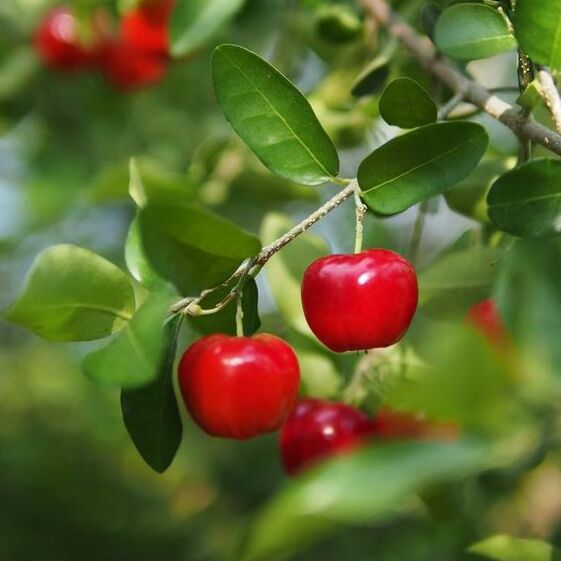
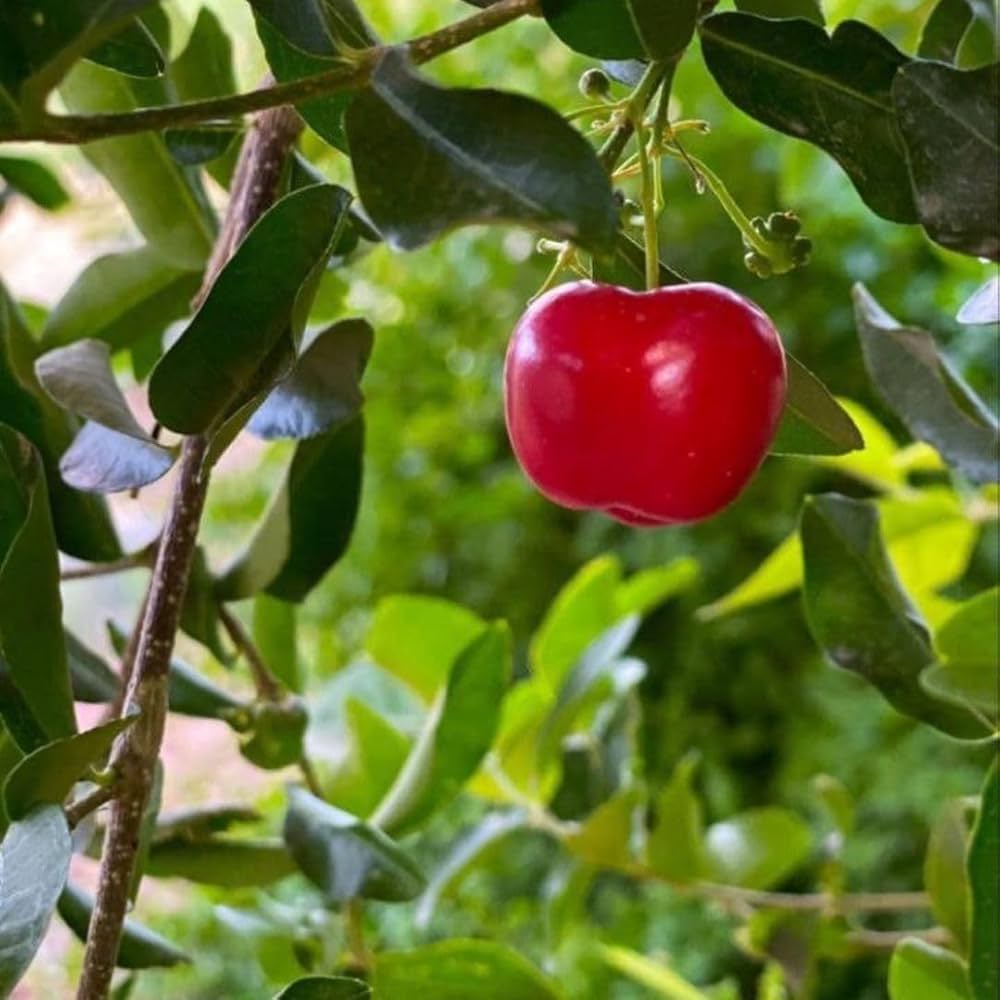
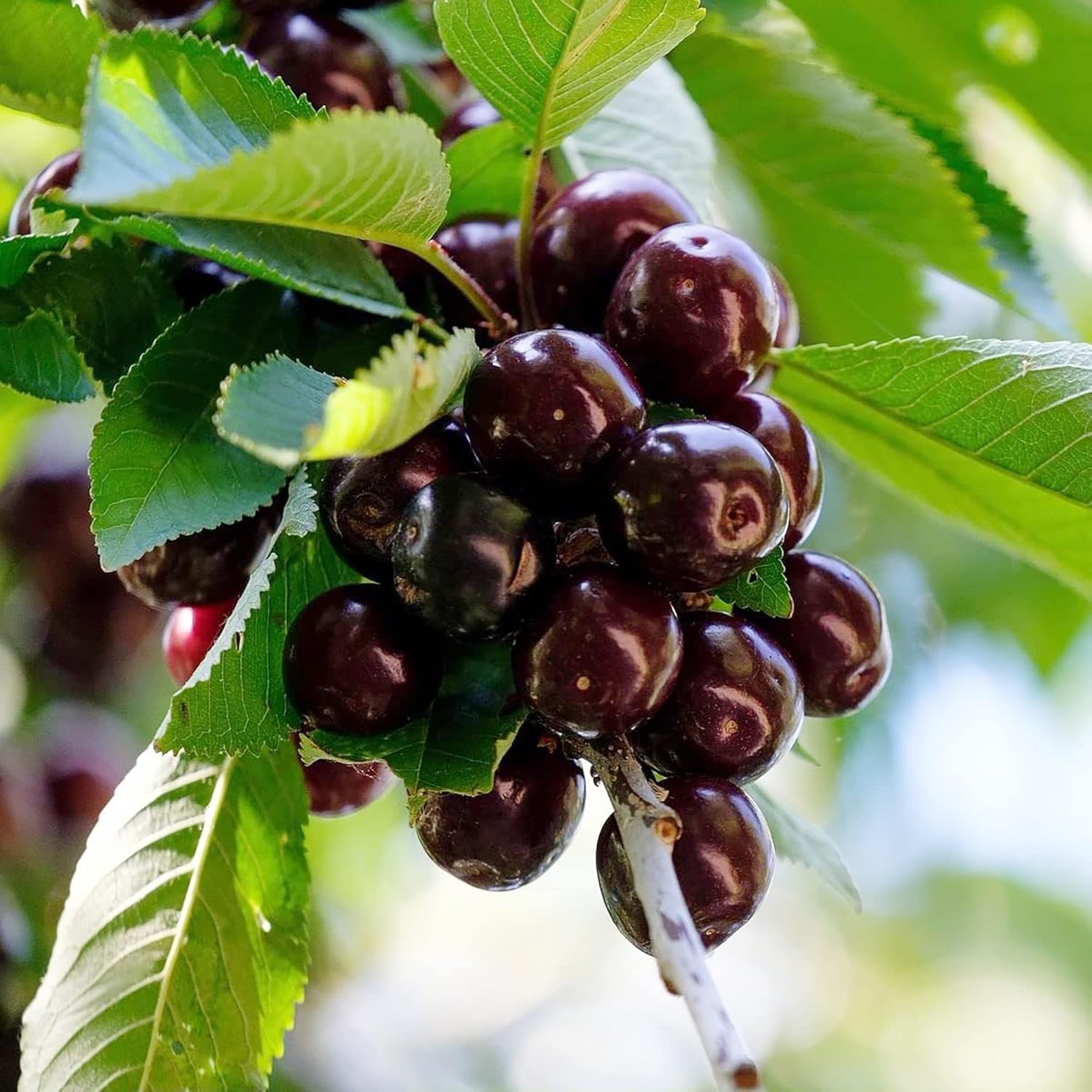
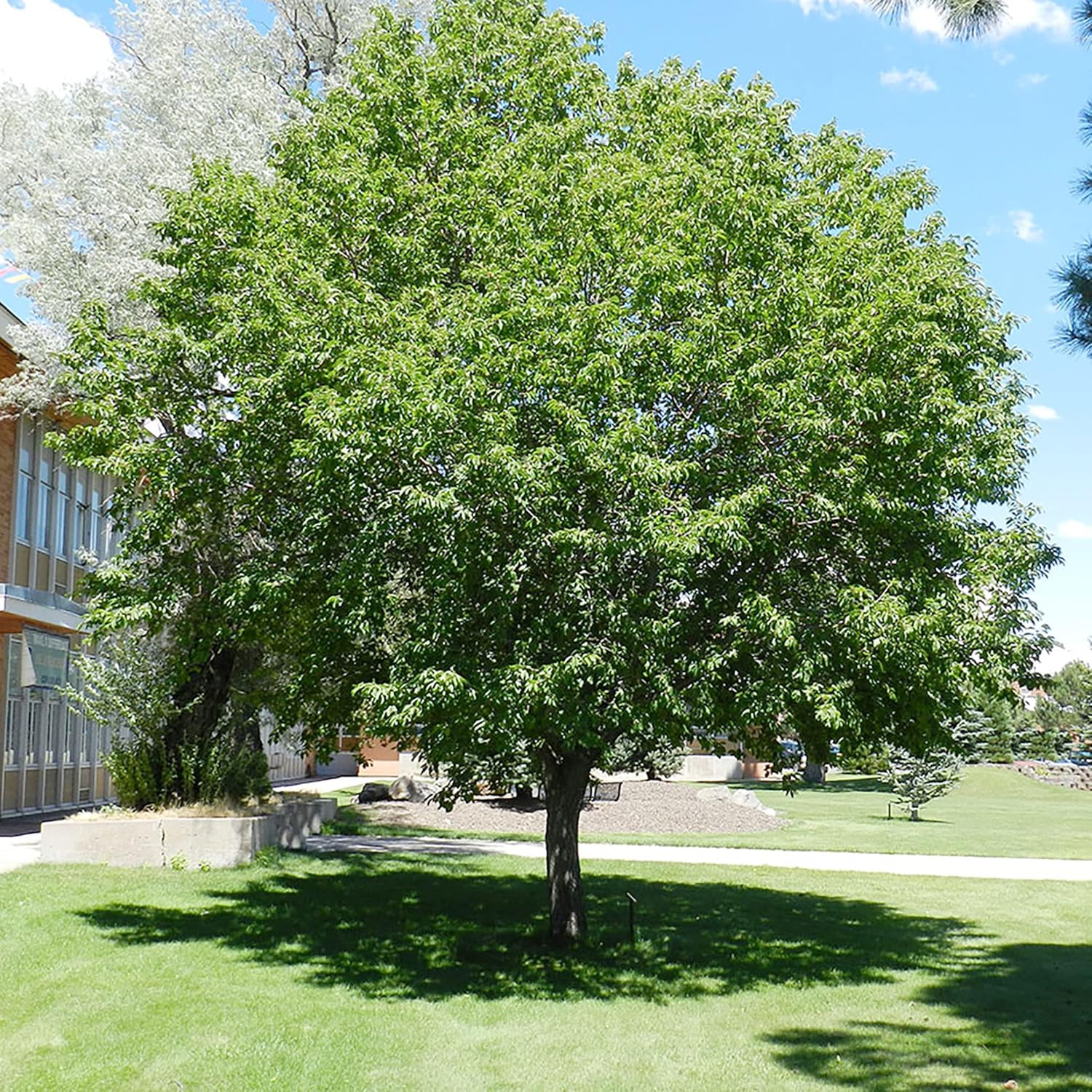
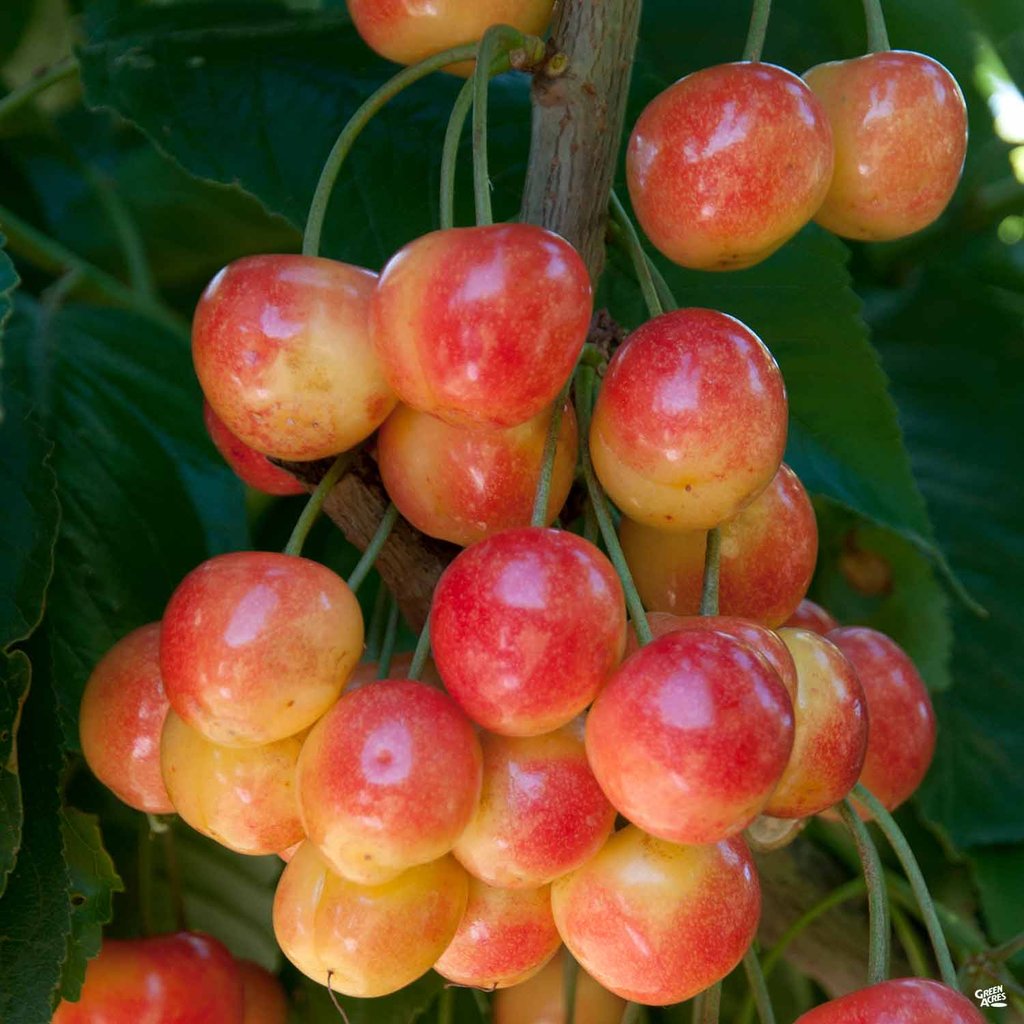
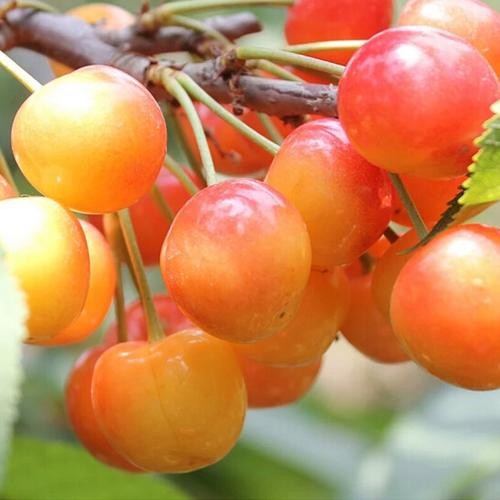
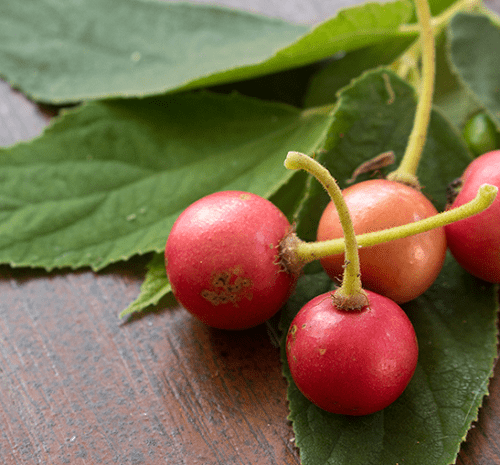
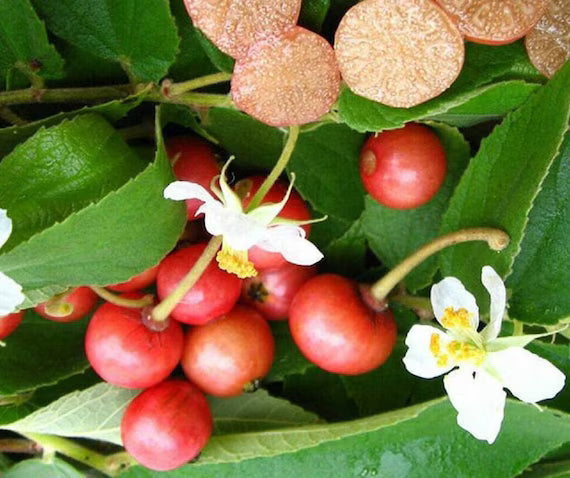
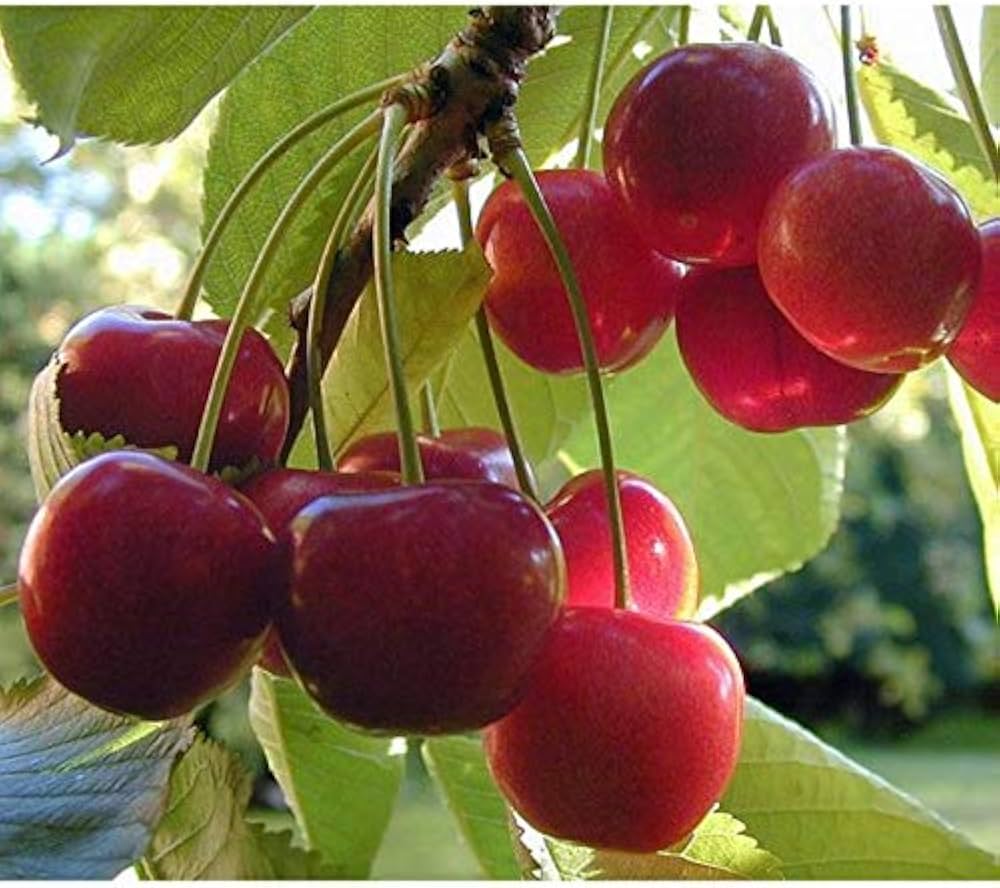
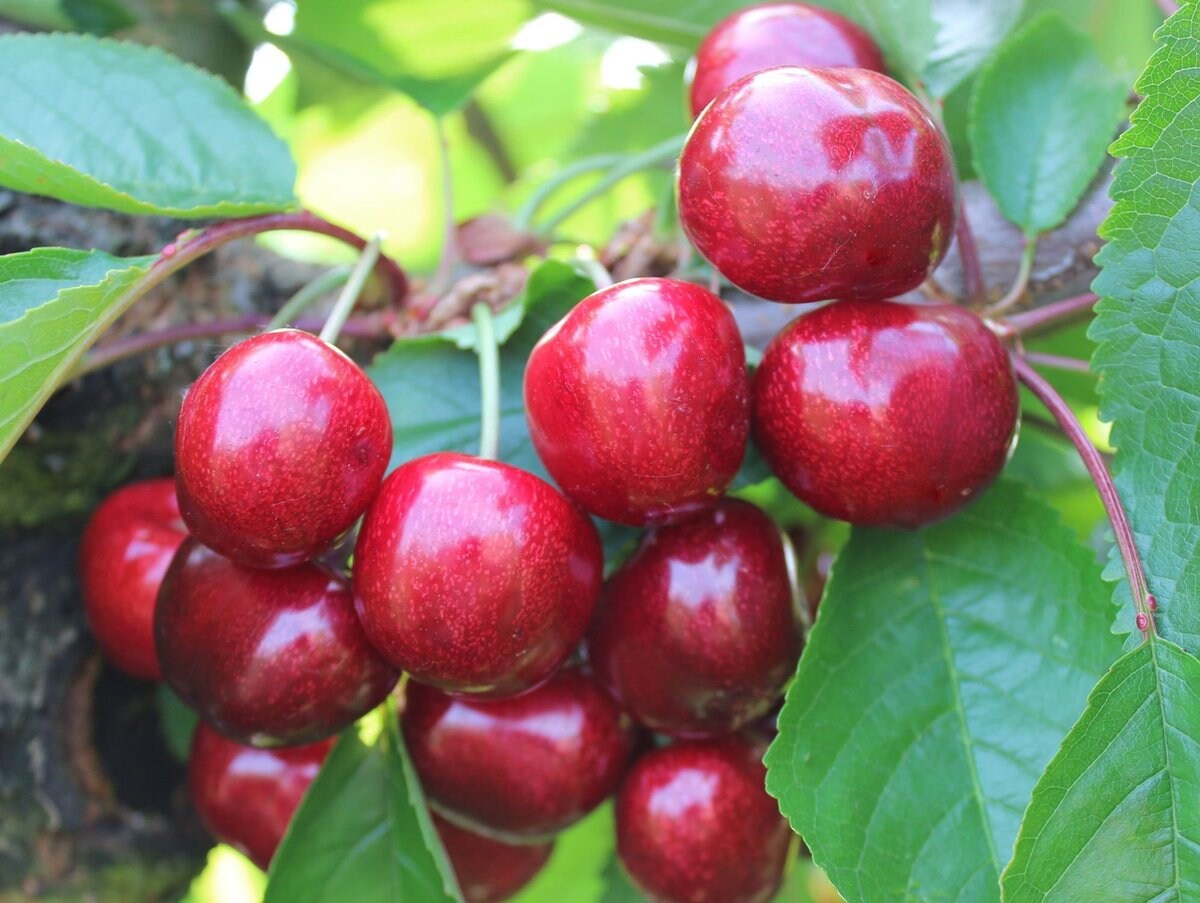
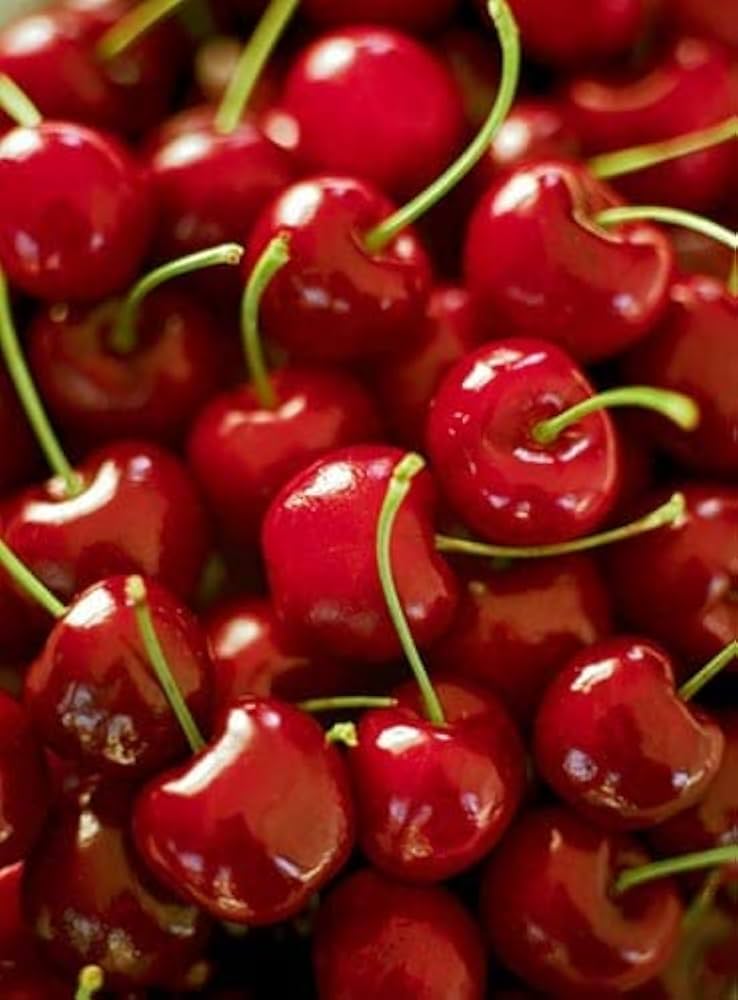
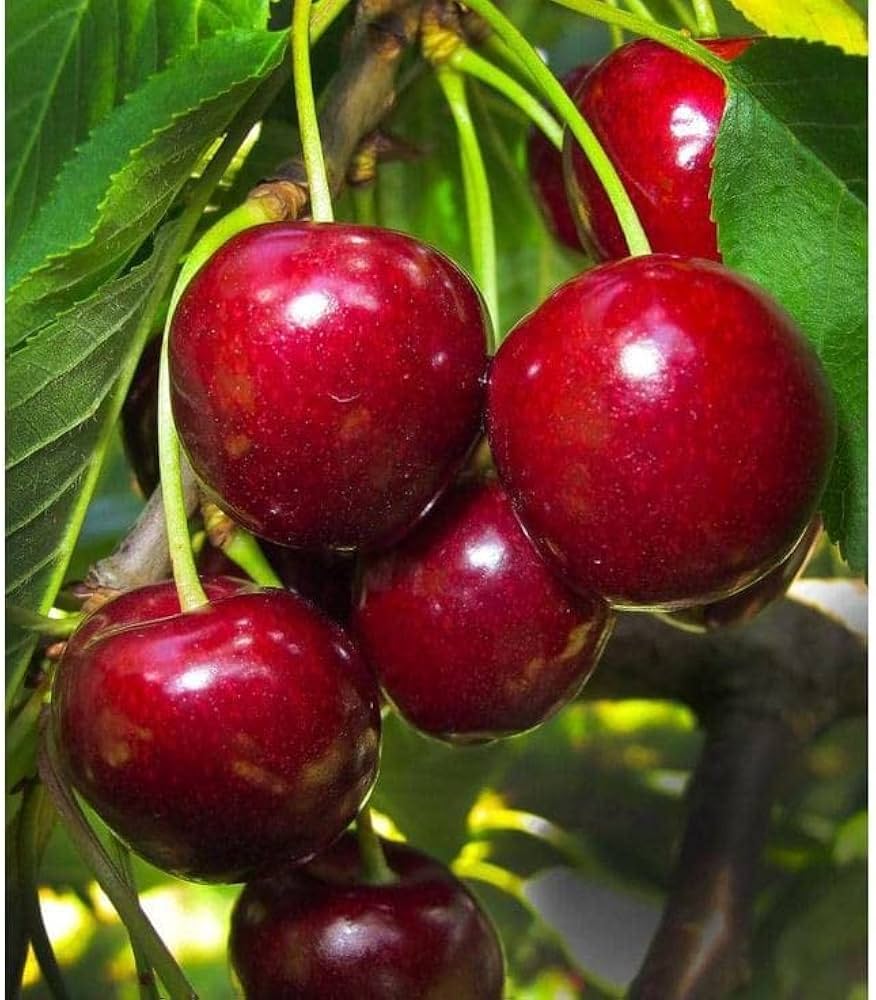

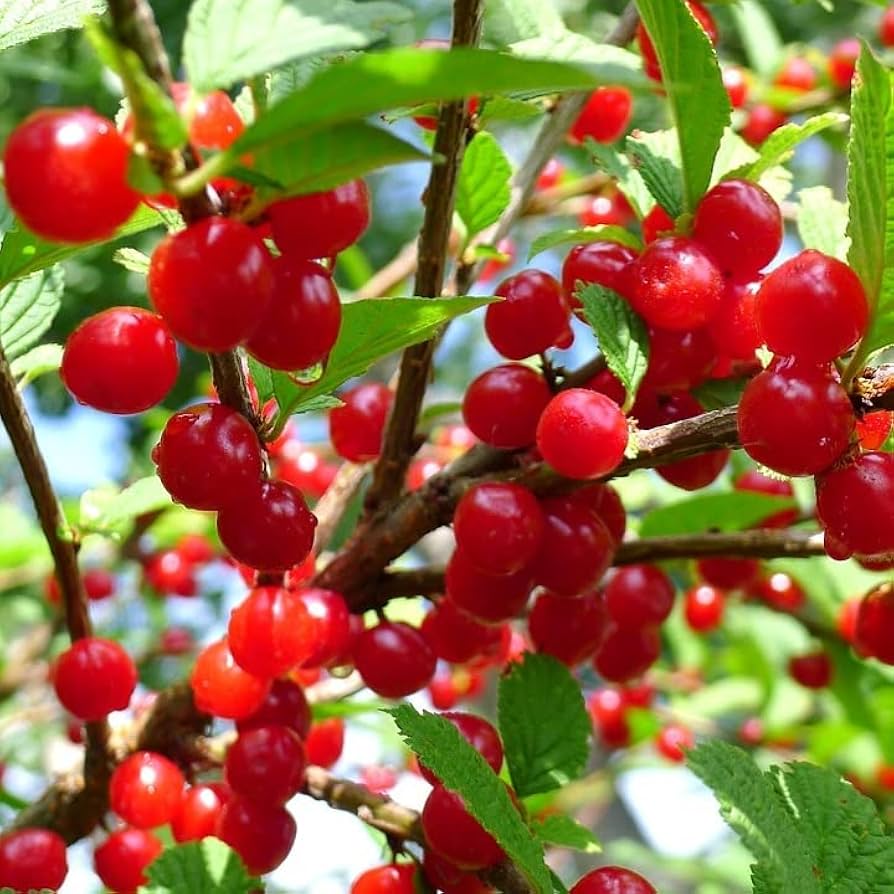
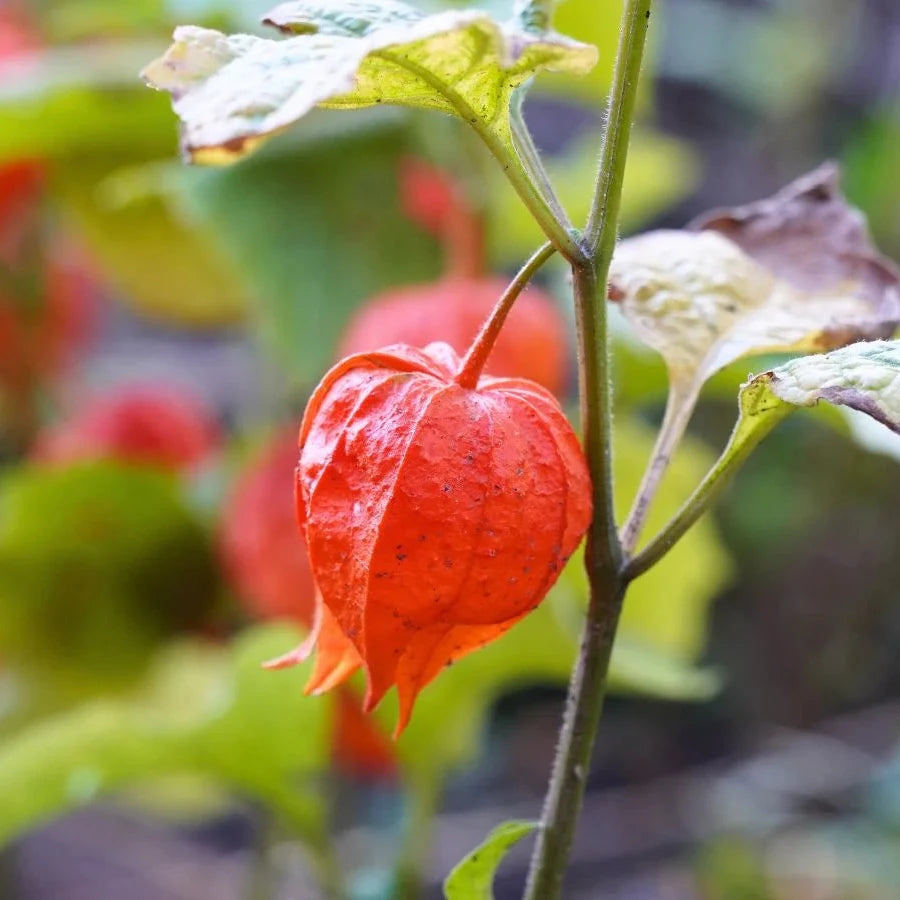
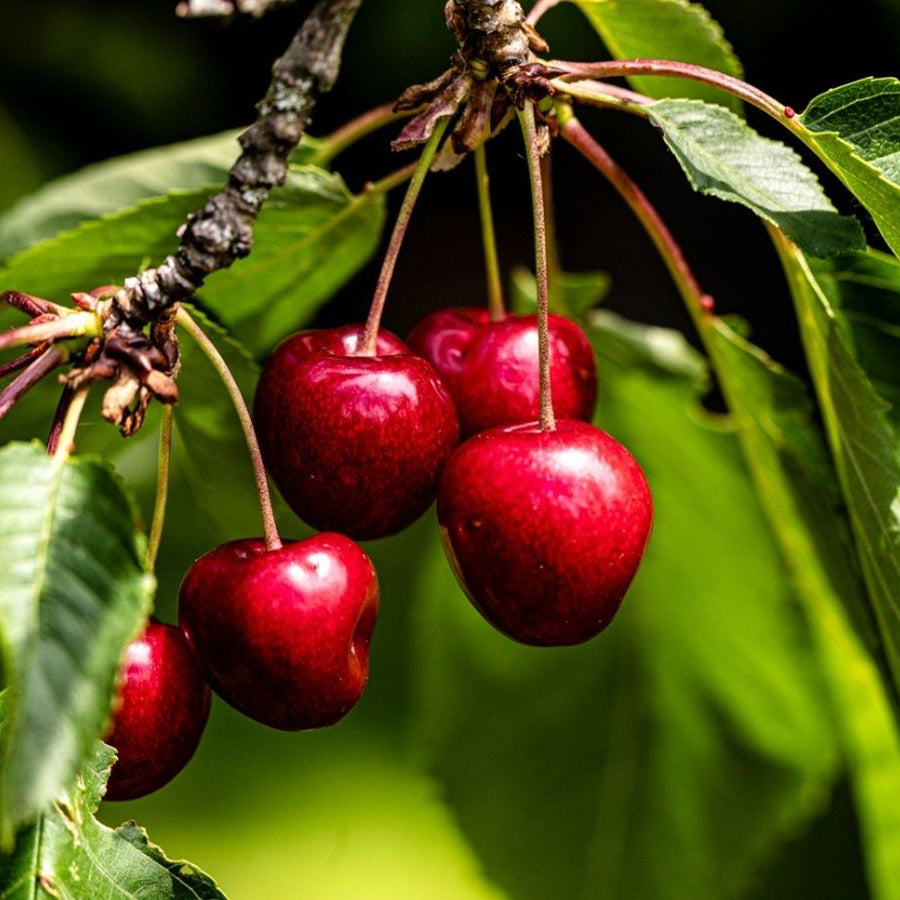
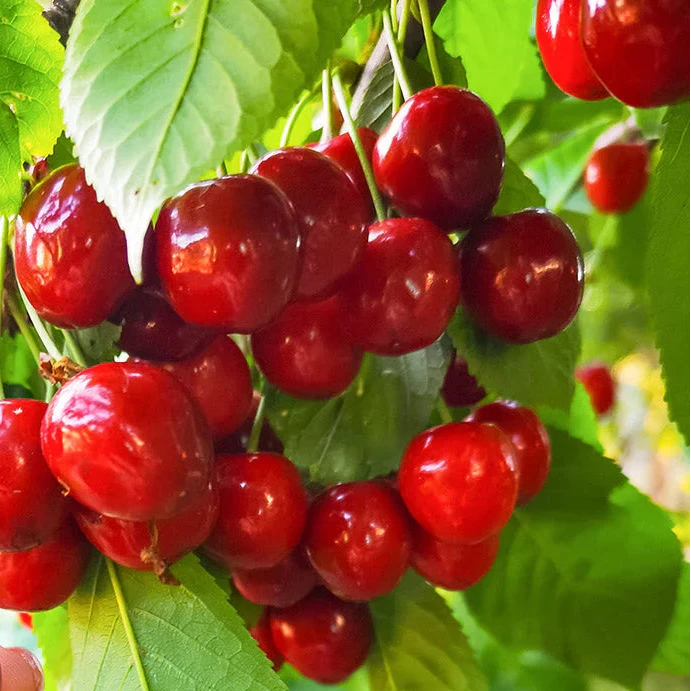
Few fruit trees capture the romance of a cottage garden quite like a cherry tree. Graceful branches dressed in delicate spring blossoms create a storybook atmosphere reminiscent of old orchards, quiet garden paths, and peaceful country mornings.
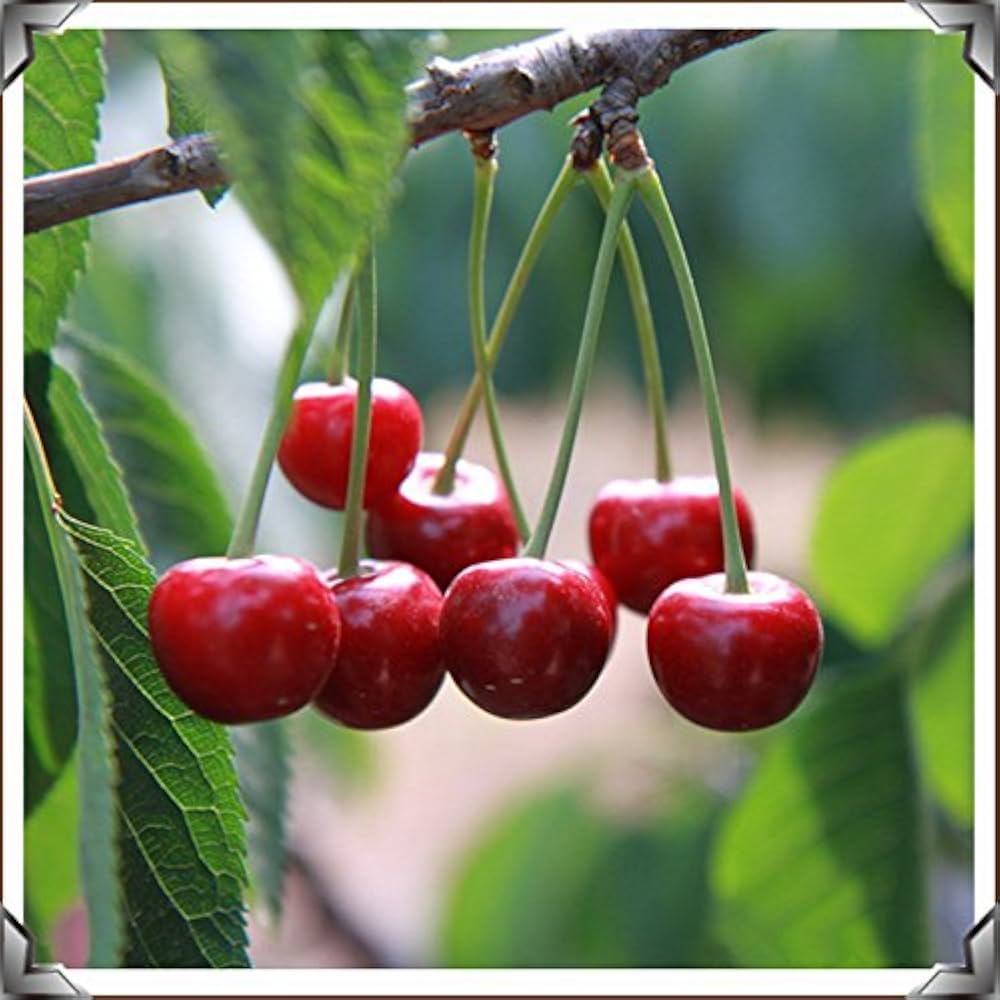
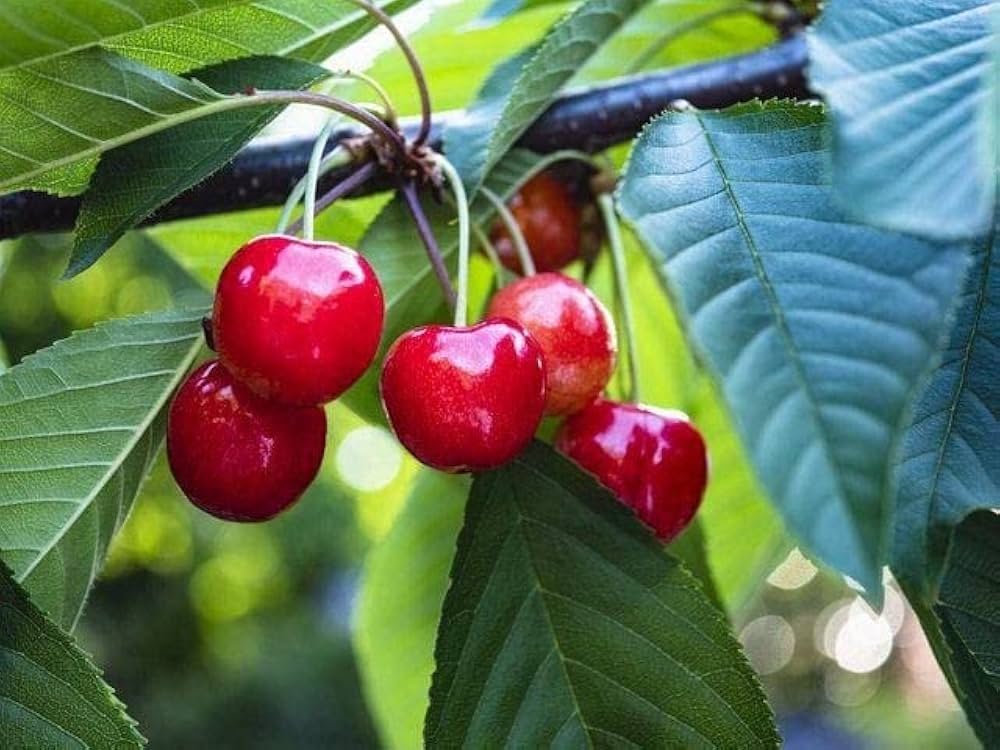
Cherry Fruit Seeds are available from Evergrow Seeds at evergrowseeds.com, offering home gardeners a lovely way to begin a long-term fruit-tree project while adding seasonal beauty and traditional orchard character to the landscape.
Browse Our Cherry Fruit Seeds
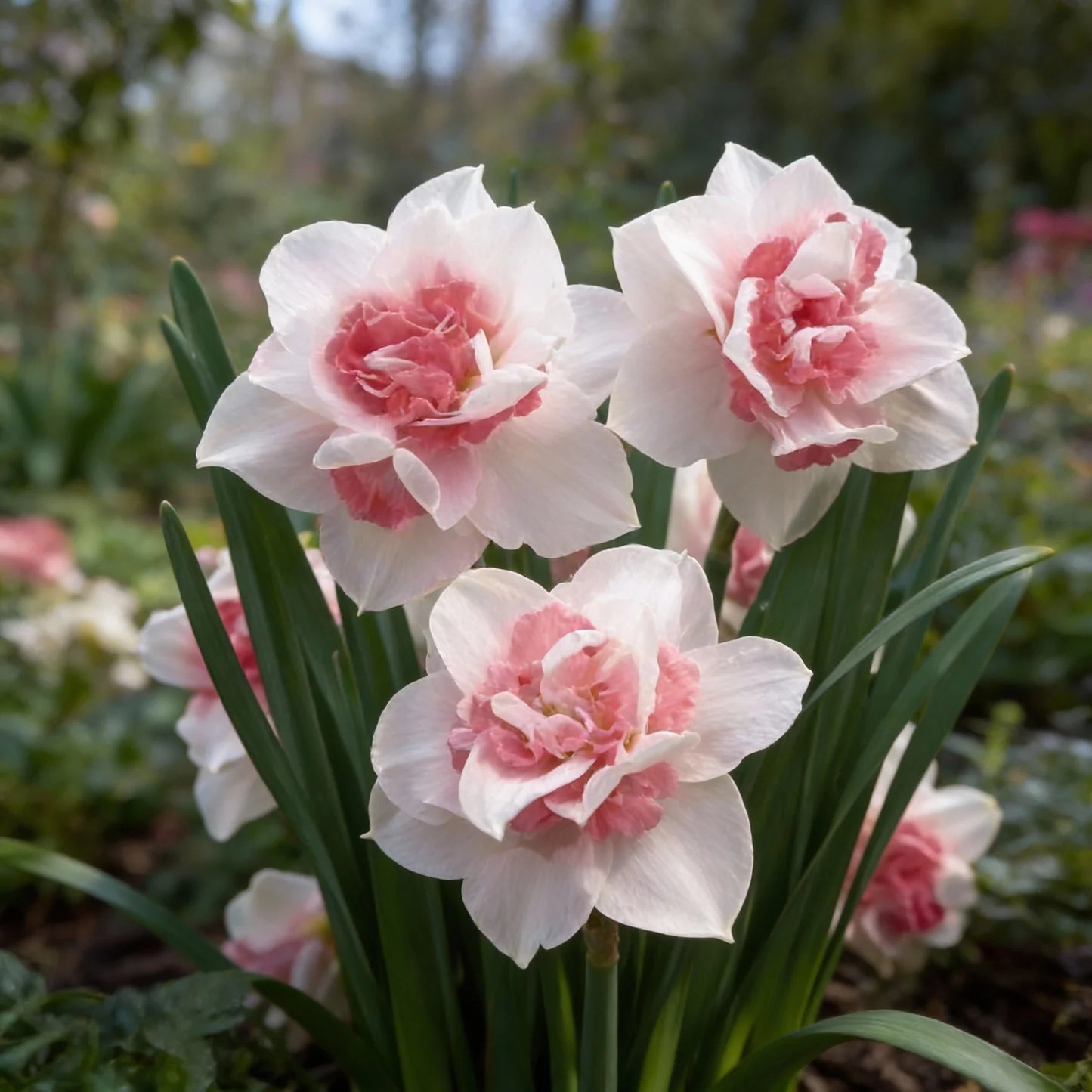
Cherry blossoms can appear in beautiful shades of white, creamy white, blush pink, or soft pink, depending on genetics and the type of cherry. Seed-grown trees may naturally vary from their parent plants. Their graceful flowering habit suits cottage gardens, backyard orchards, flowering borders, wildlife-friendly landscapes, and informal garden spaces.
Plant Care Insights
Sunlight: Choose an open garden location receiving abundant direct sunlight.
Soil: Plant in fertile, well-draining soil with suitable organic matter.
Watering: Maintain steady moisture for young trees without leaving roots waterlogged.
Companion Plants: Consider suitable flowering herbs and low-growing plants that attract pollinators.
Maintenance: Remove damaged or crossing branches and maintain an open, balanced canopy.
Frequently Asked Questions
How large can a mature cherry tree become?
Mature size varies significantly according to genetics and cherry type.
Seed-grown trees may become larger than grafted dwarf orchard varieties.
Which climates are suitable for growing cherry trees?
Many cherries perform well in temperate regions with distinct seasonal changes.
Climate requirements and winter hardiness vary among different cherry types.
What colors can cherry blossoms display?
Cherry flowers commonly range from pure white to delicate pink shades.
Seed-grown trees may naturally develop different floral characteristics.
Which pests may occasionally affect cherry trees?
Aphids, mites, caterpillars, and other orchard pests can occasionally appear.
Routine tree inspections help gardeners identify developing problems early.
Shop By Category