









Hosta Seeds for Planting – Lush Foliage for a Romantic Woodland Garden
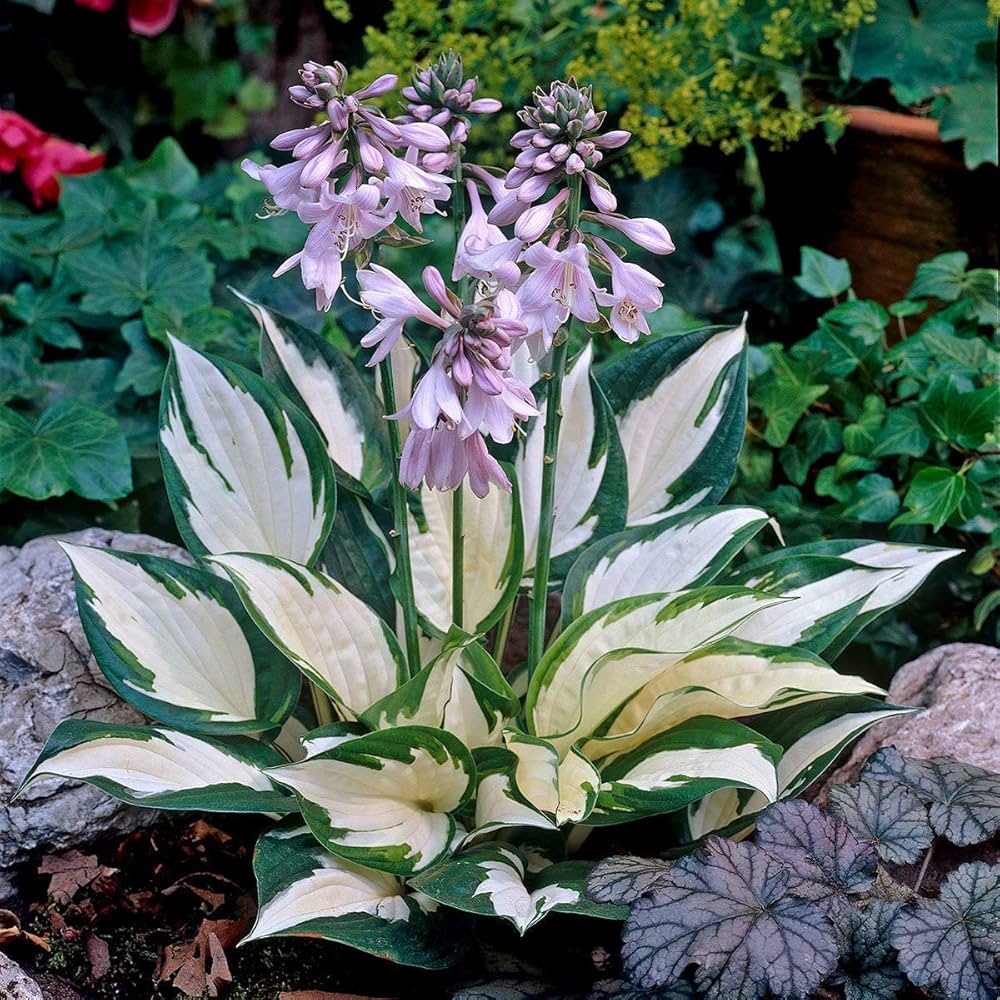
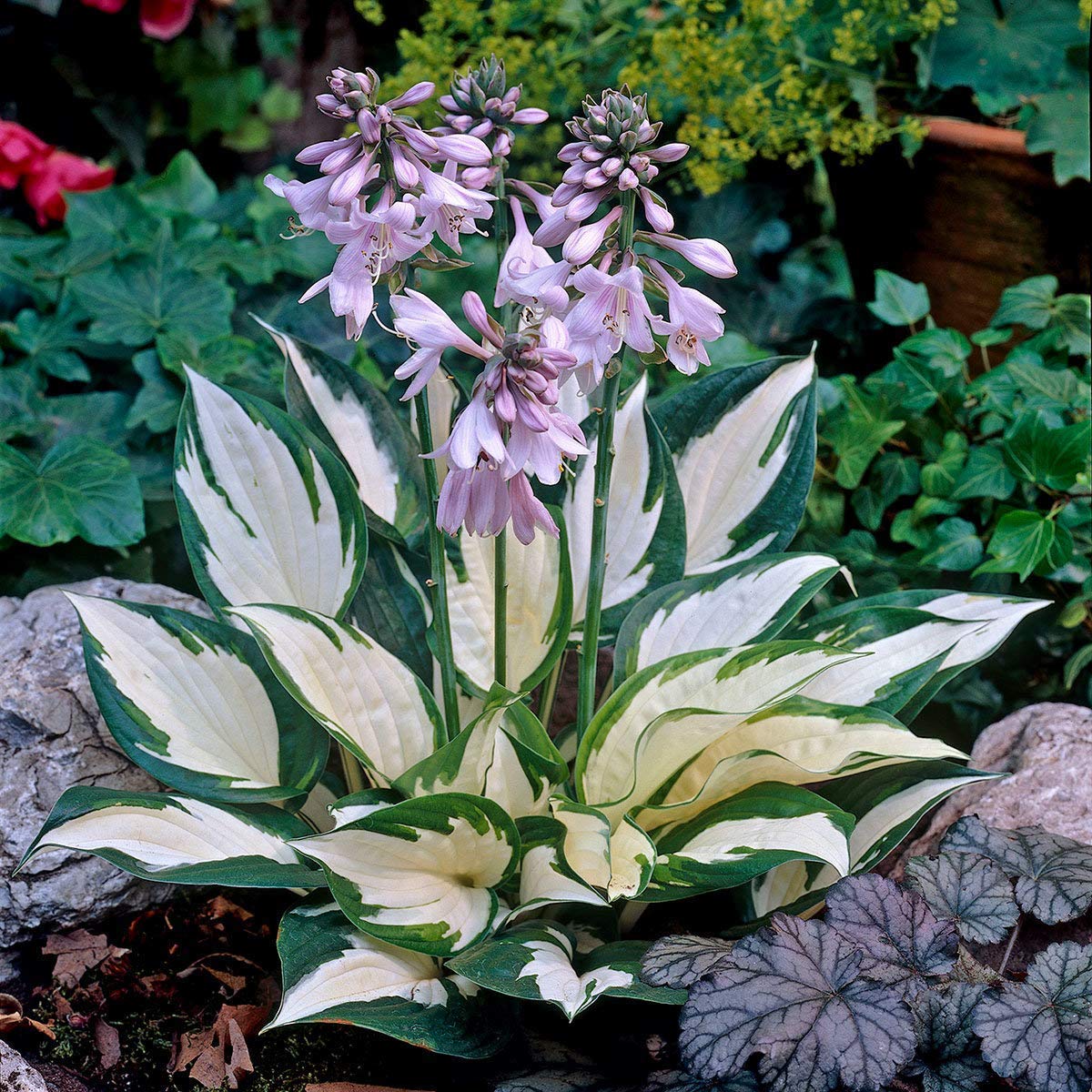
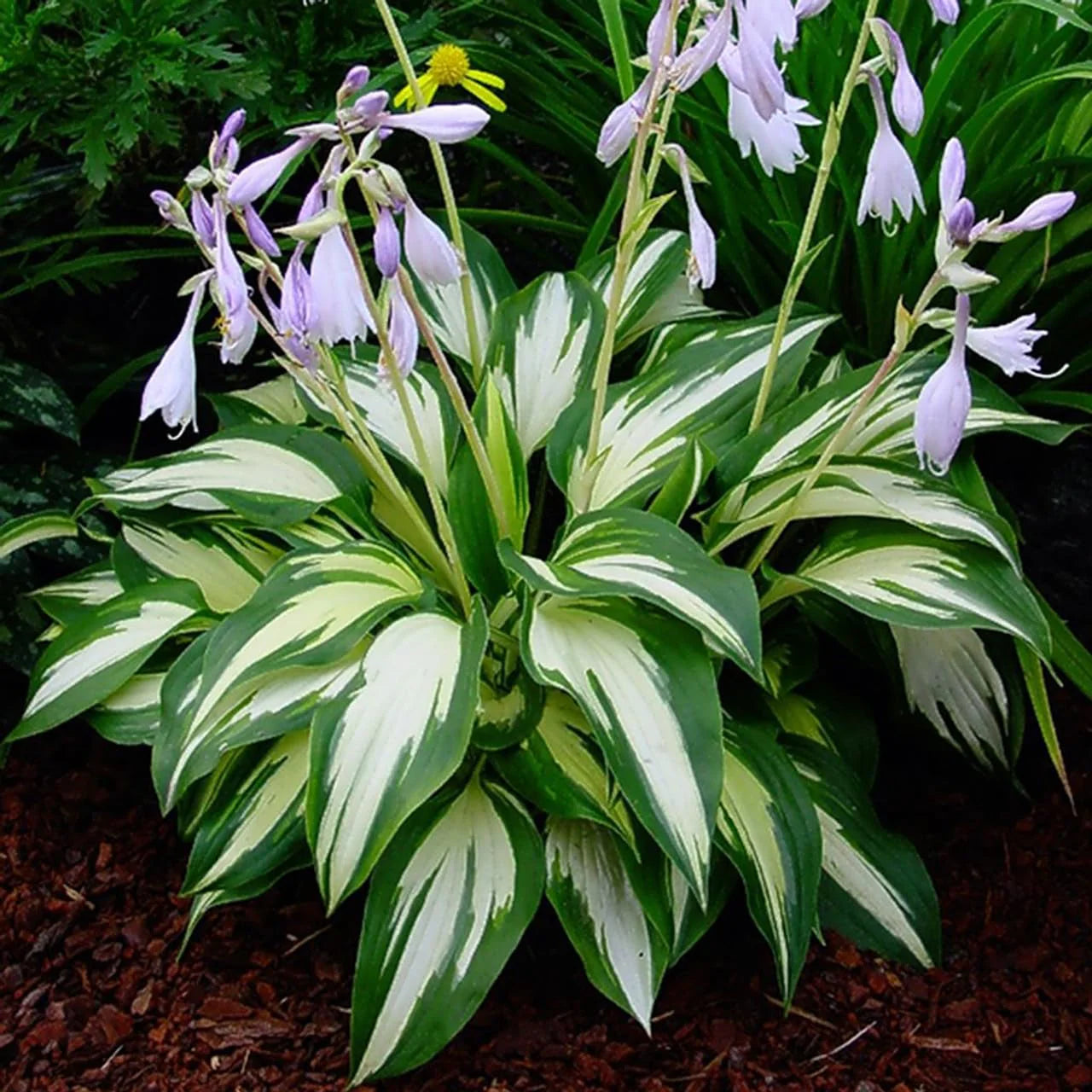
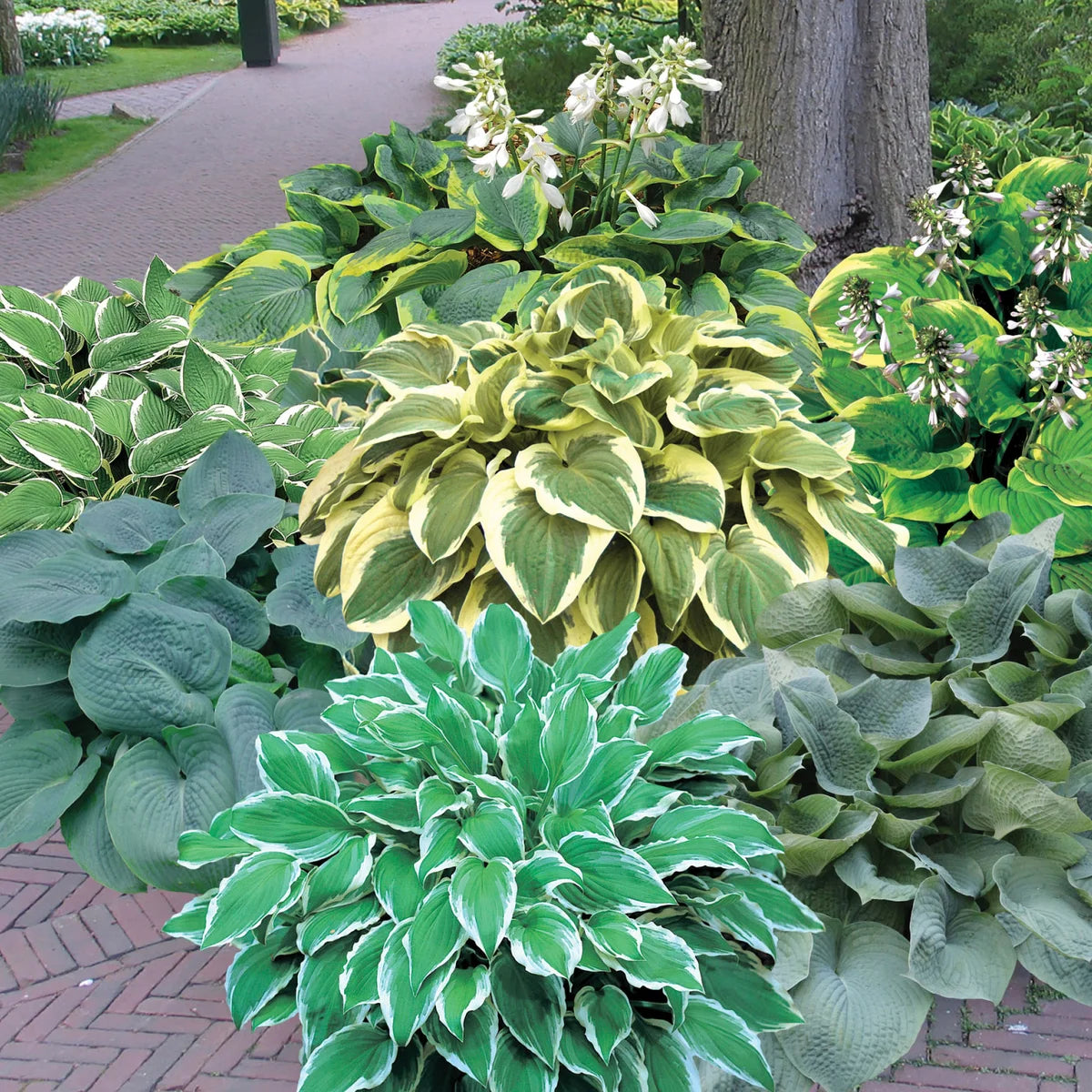
Hostas bring the quiet romance of a shaded woodland garden to the landscape, forming generous clumps of beautifully shaped leaves beneath trees and alongside winding pathways. When slender flower stalks rise above the foliage, their delicate blossoms add another graceful layer to the peaceful, old-fashioned atmosphere of a cottage shade garden.
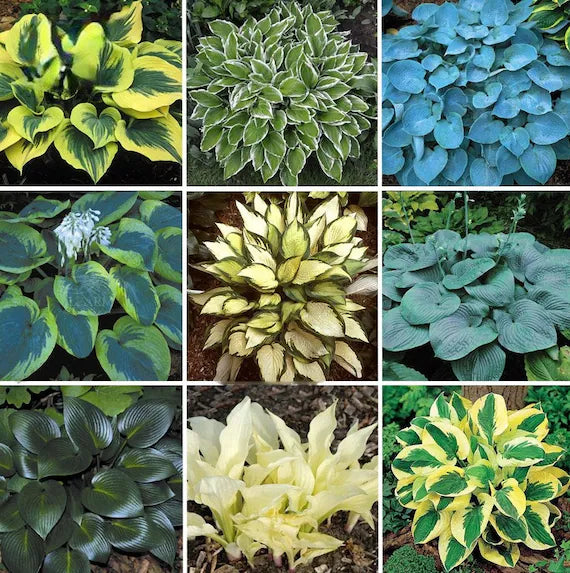
Hosta Seeds from Evergrow Seeds are available at evergrowseeds.com for US home gardeners who appreciate foliage-rich ornamental plants. Hostas are herbaceous perennials, and their tremendous diversity in leaf shape, texture, coloring, and mature size makes them especially useful for woodland-inspired beds, shaded borders, and informal garden designs.
Browse Our Hosta Seeds
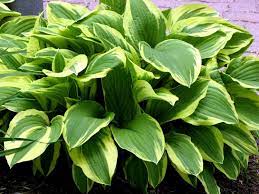
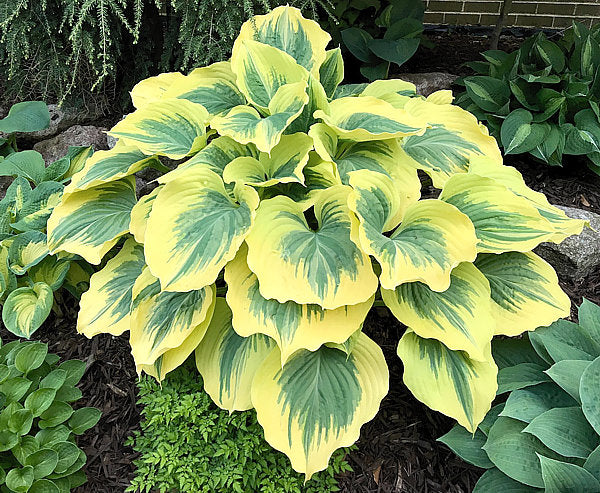
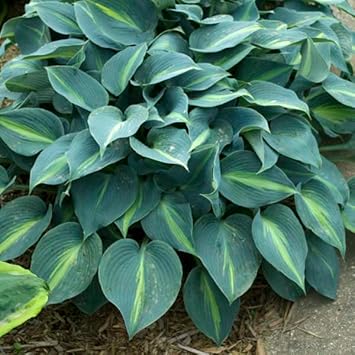
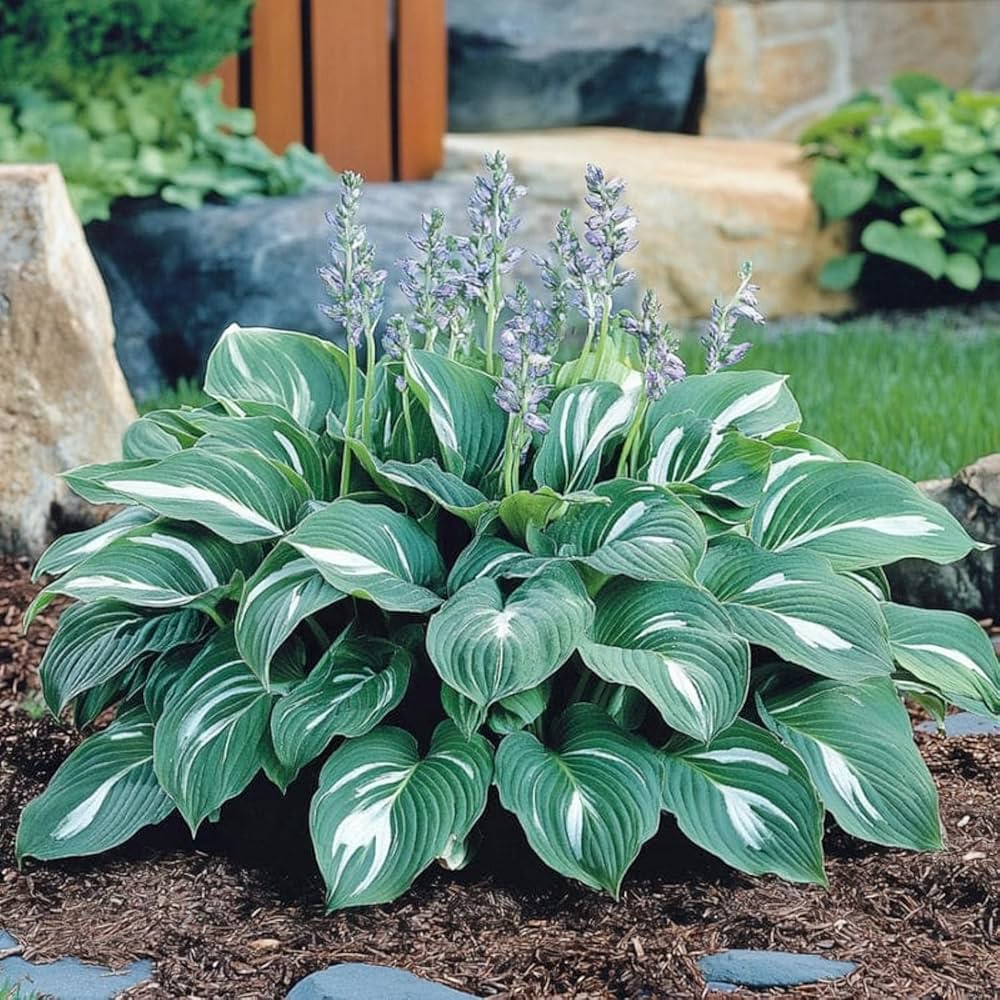
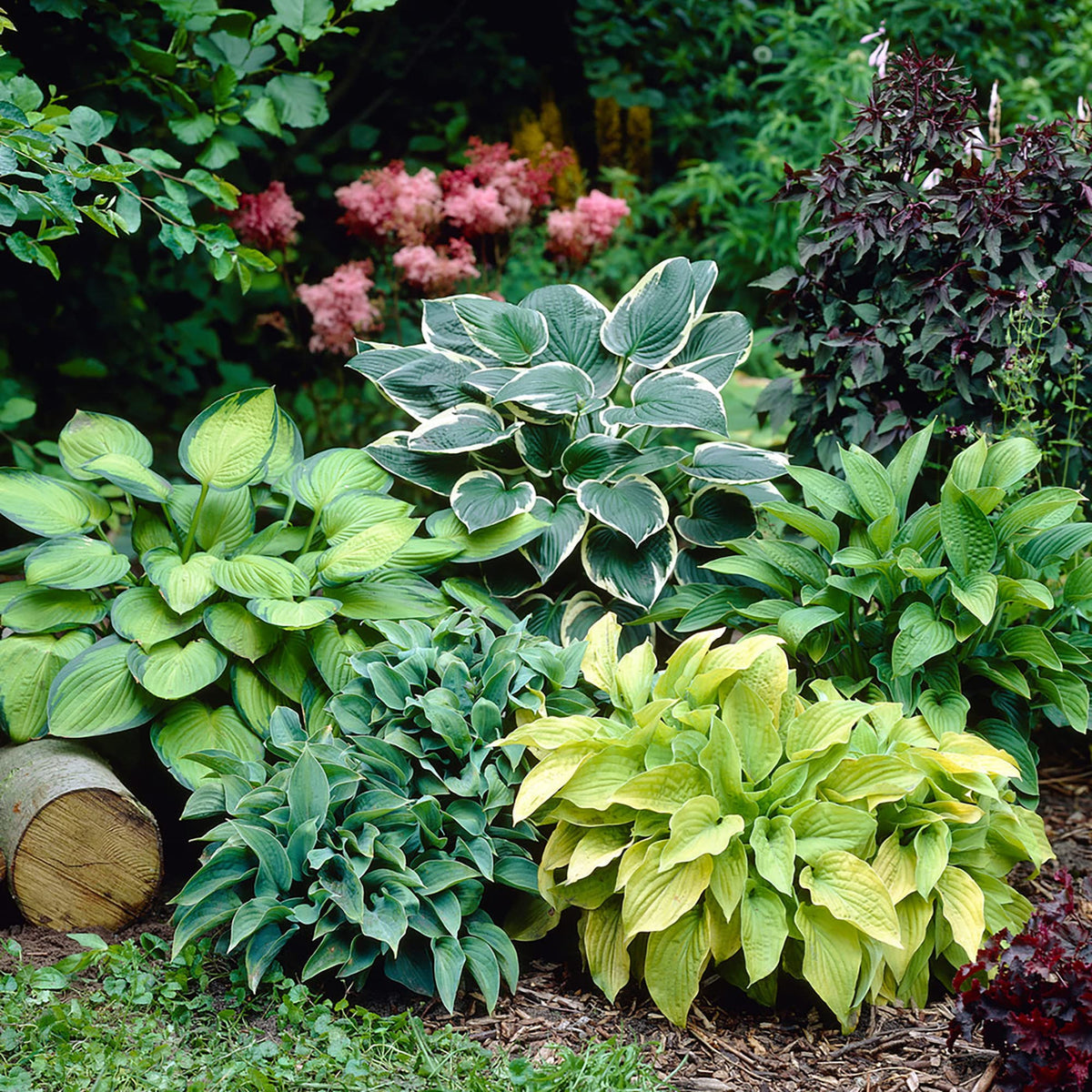
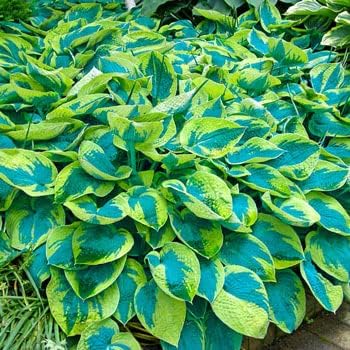
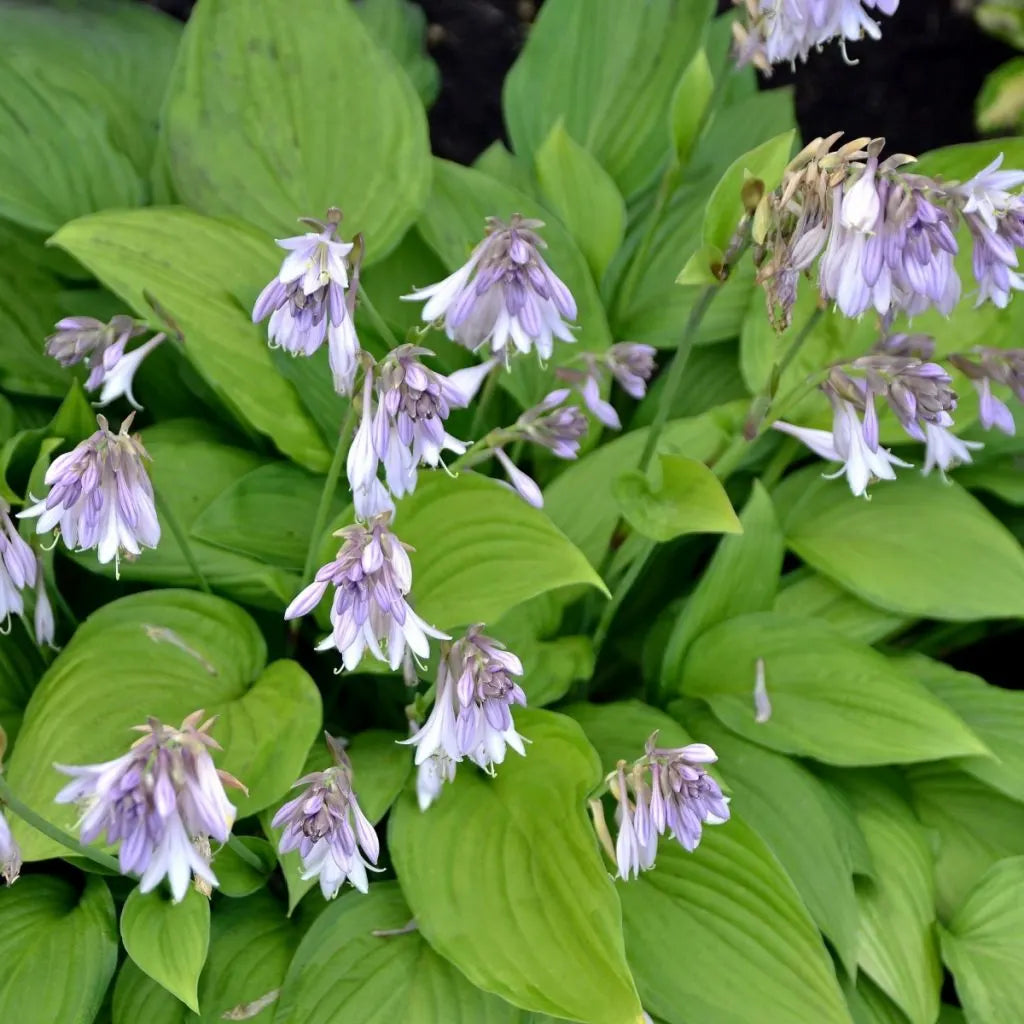
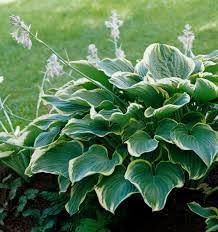
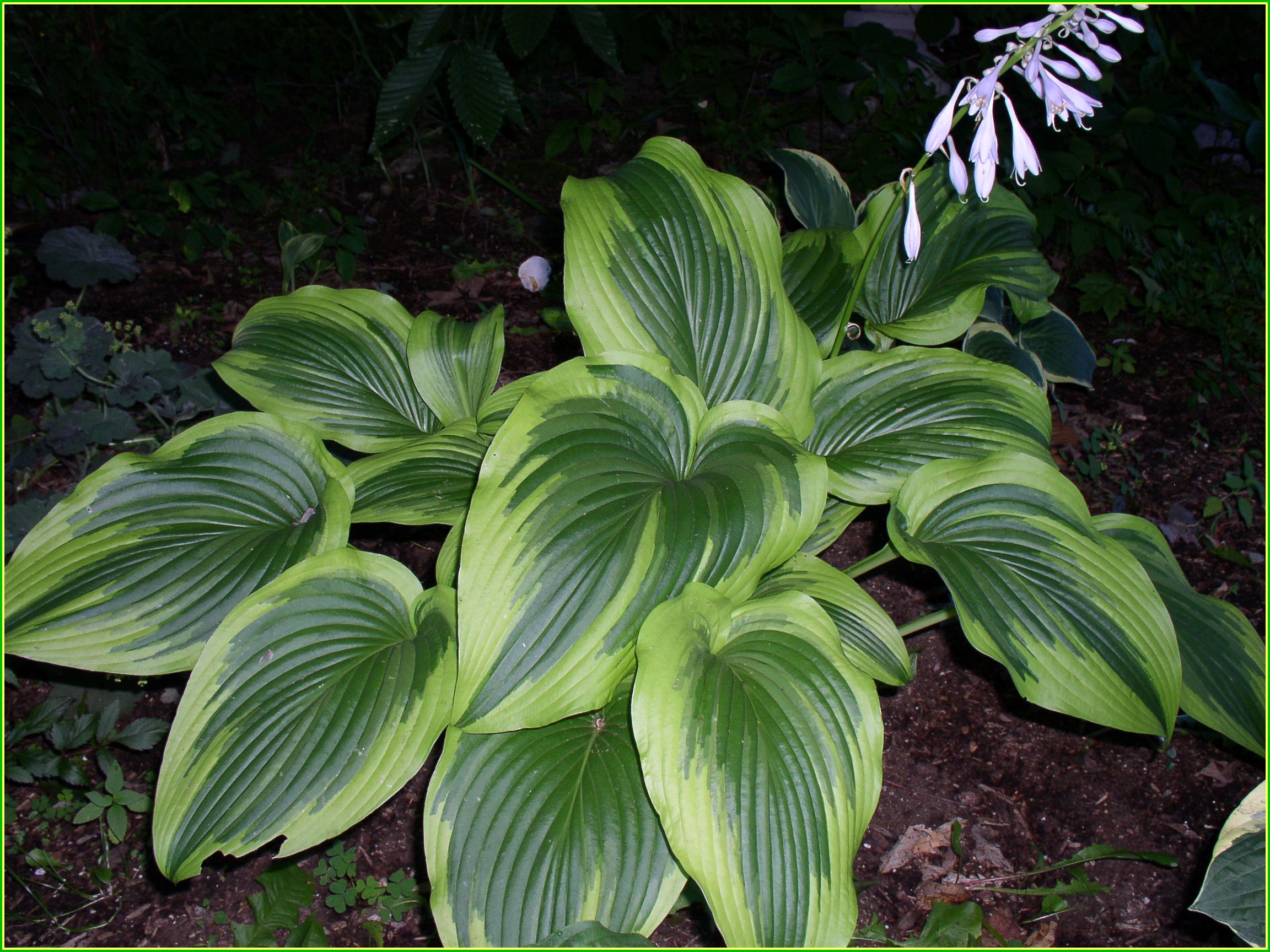
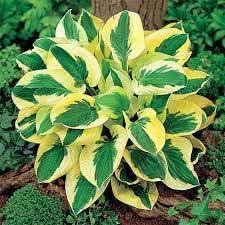
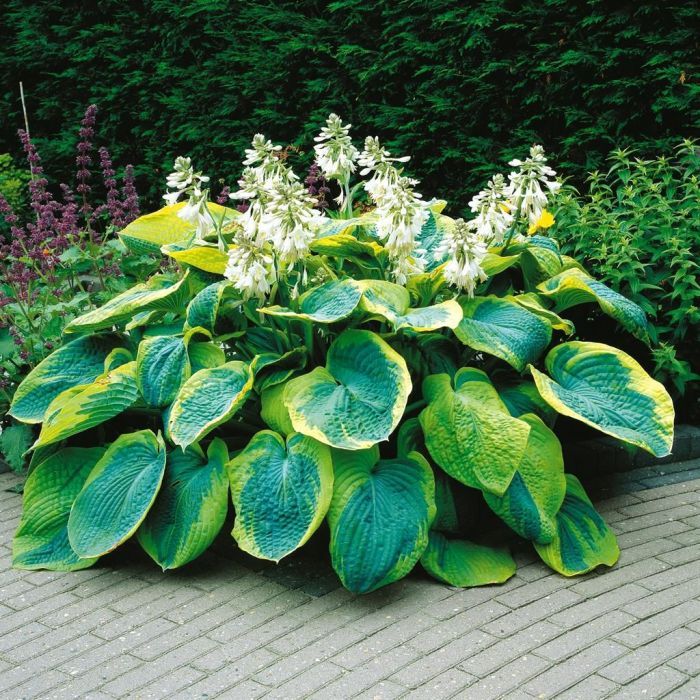
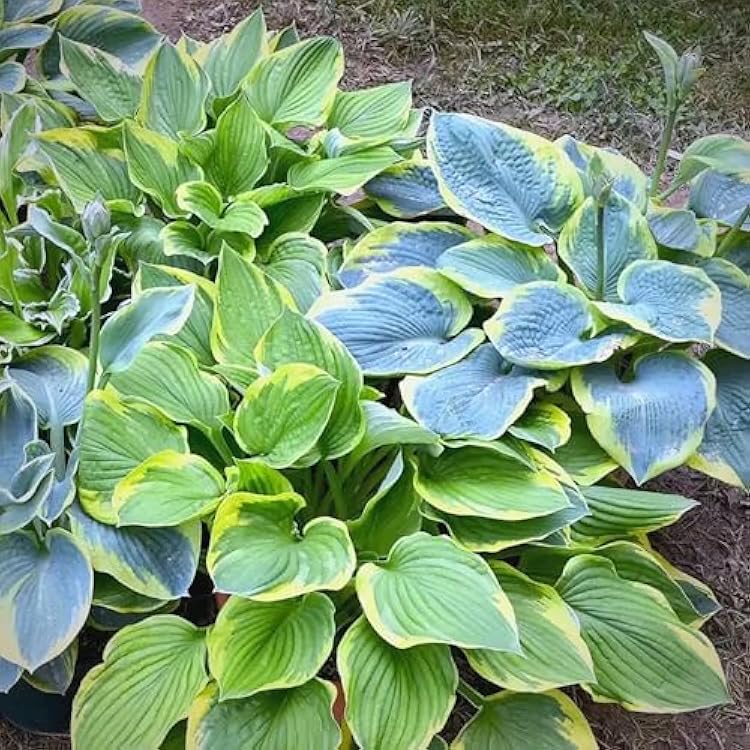
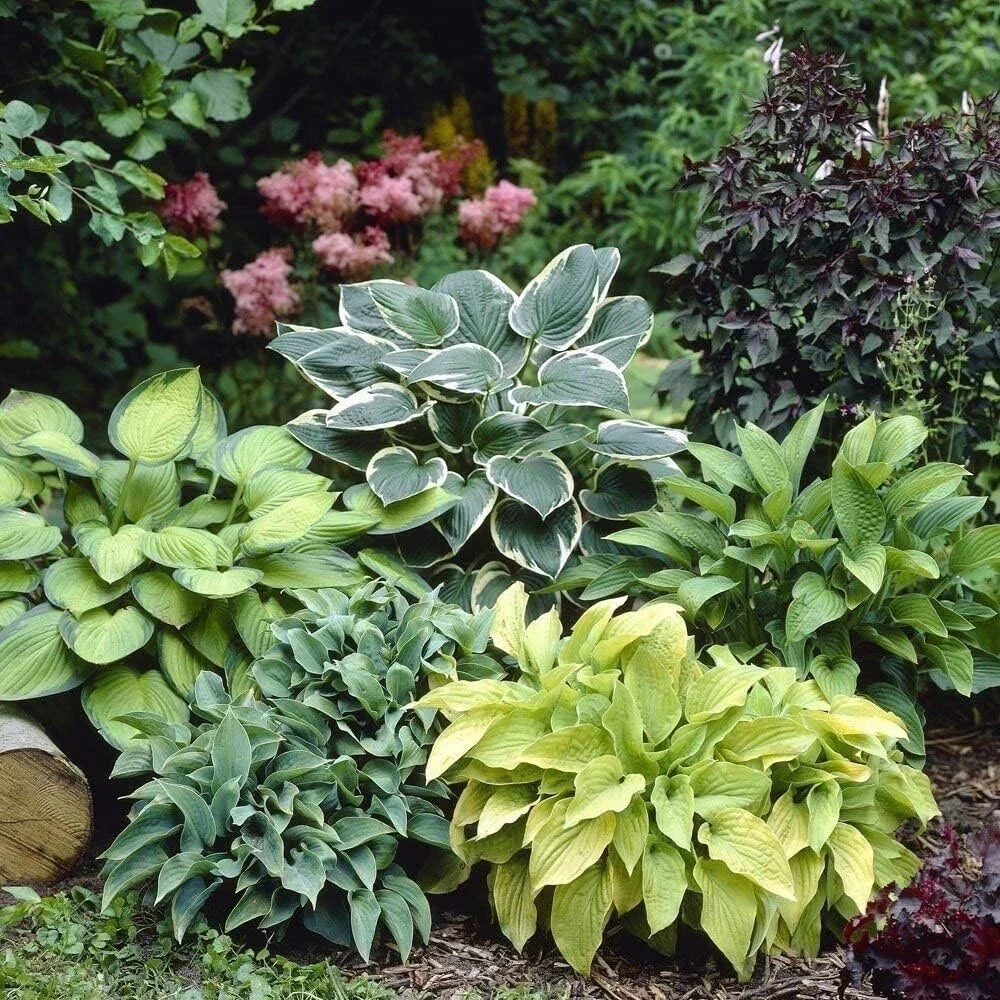
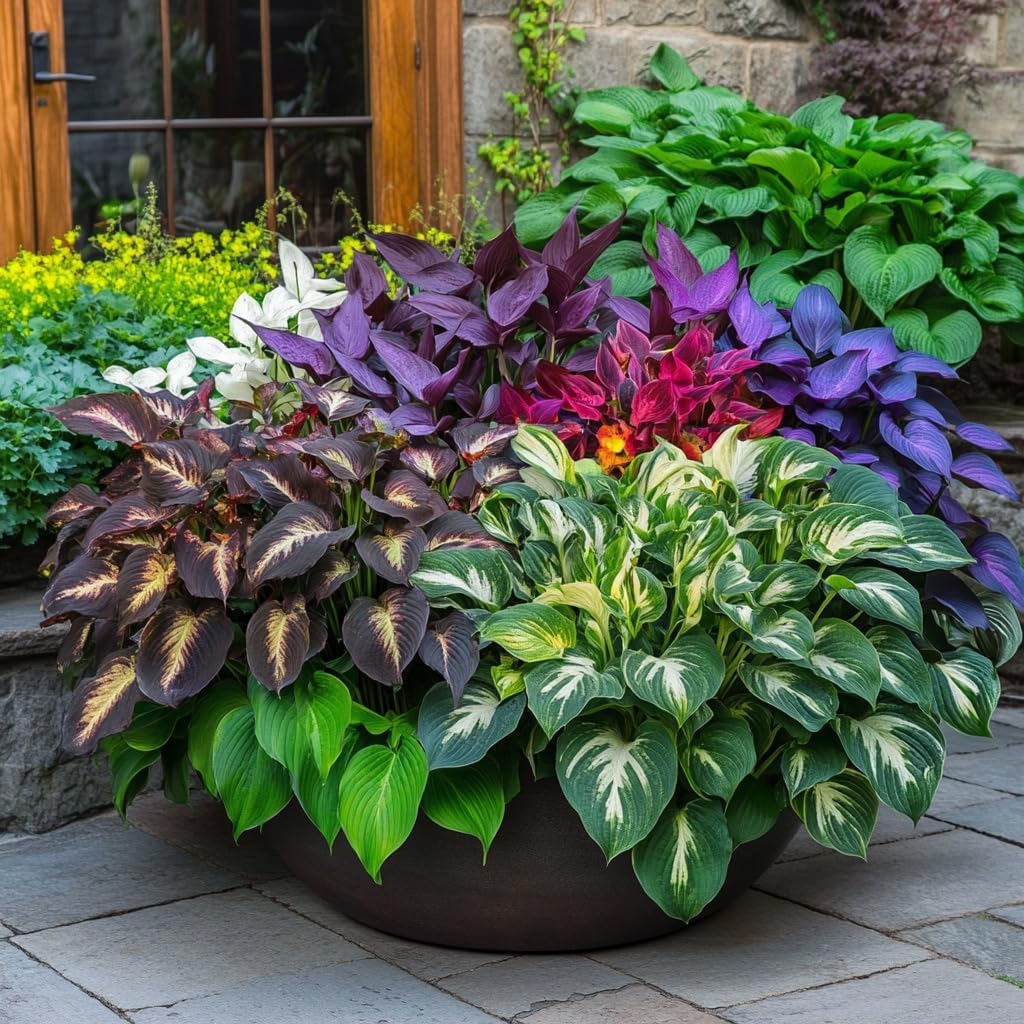
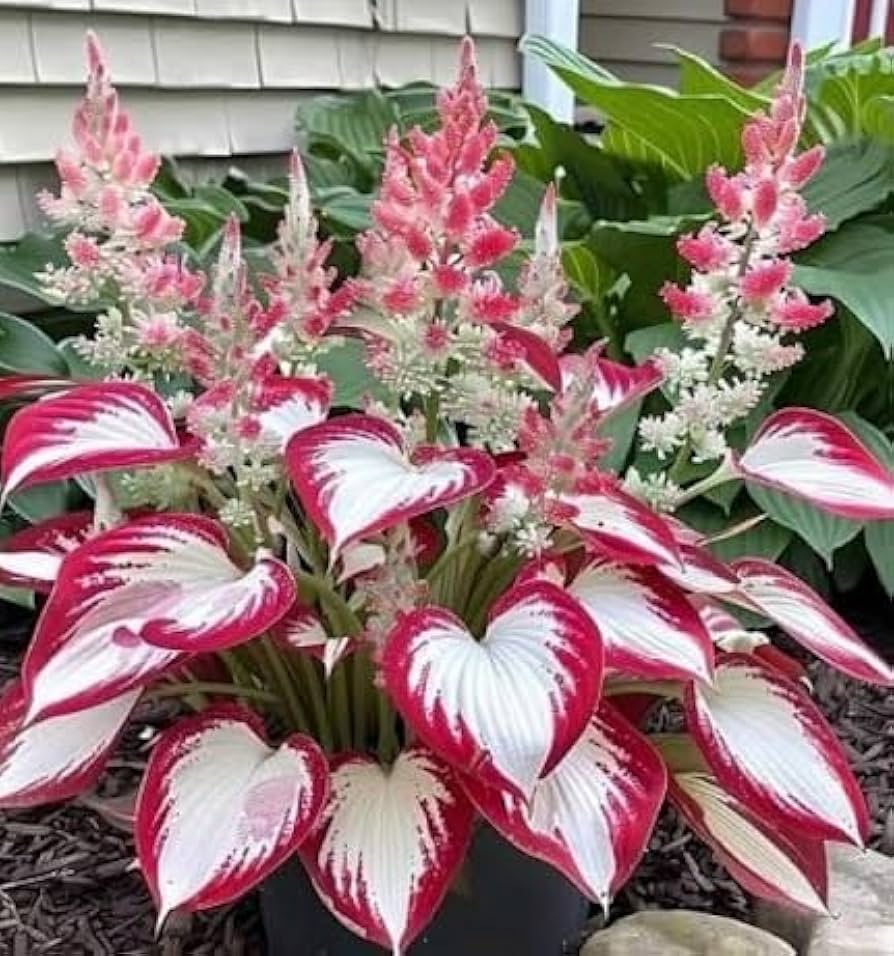
Hostas are celebrated for foliage that can appear in shades of deep green, blue-green, chartreuse, yellow-green, golden yellow, creamy white, or variegated combinations. Leaves may be smooth, deeply ribbed, puckered, rounded, heart-shaped, narrow, or broadly oval depending on genetics.
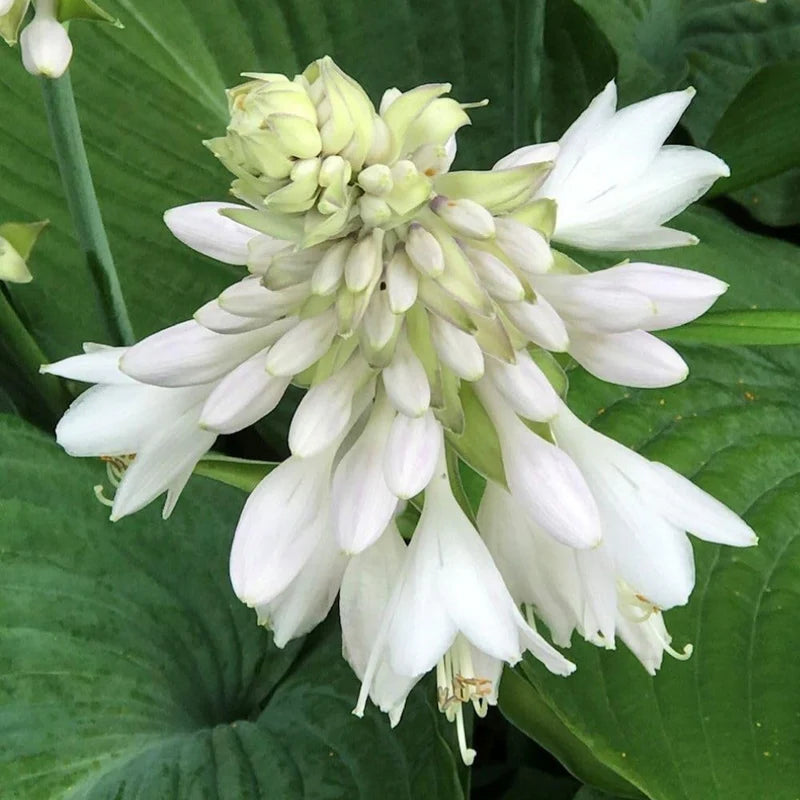
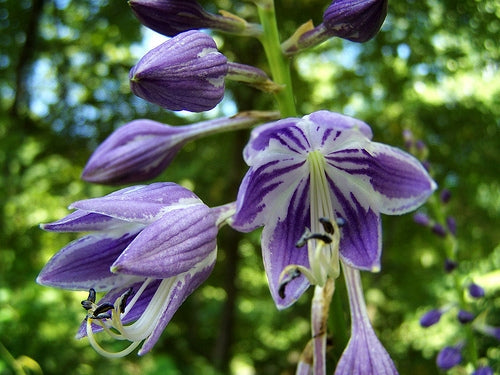
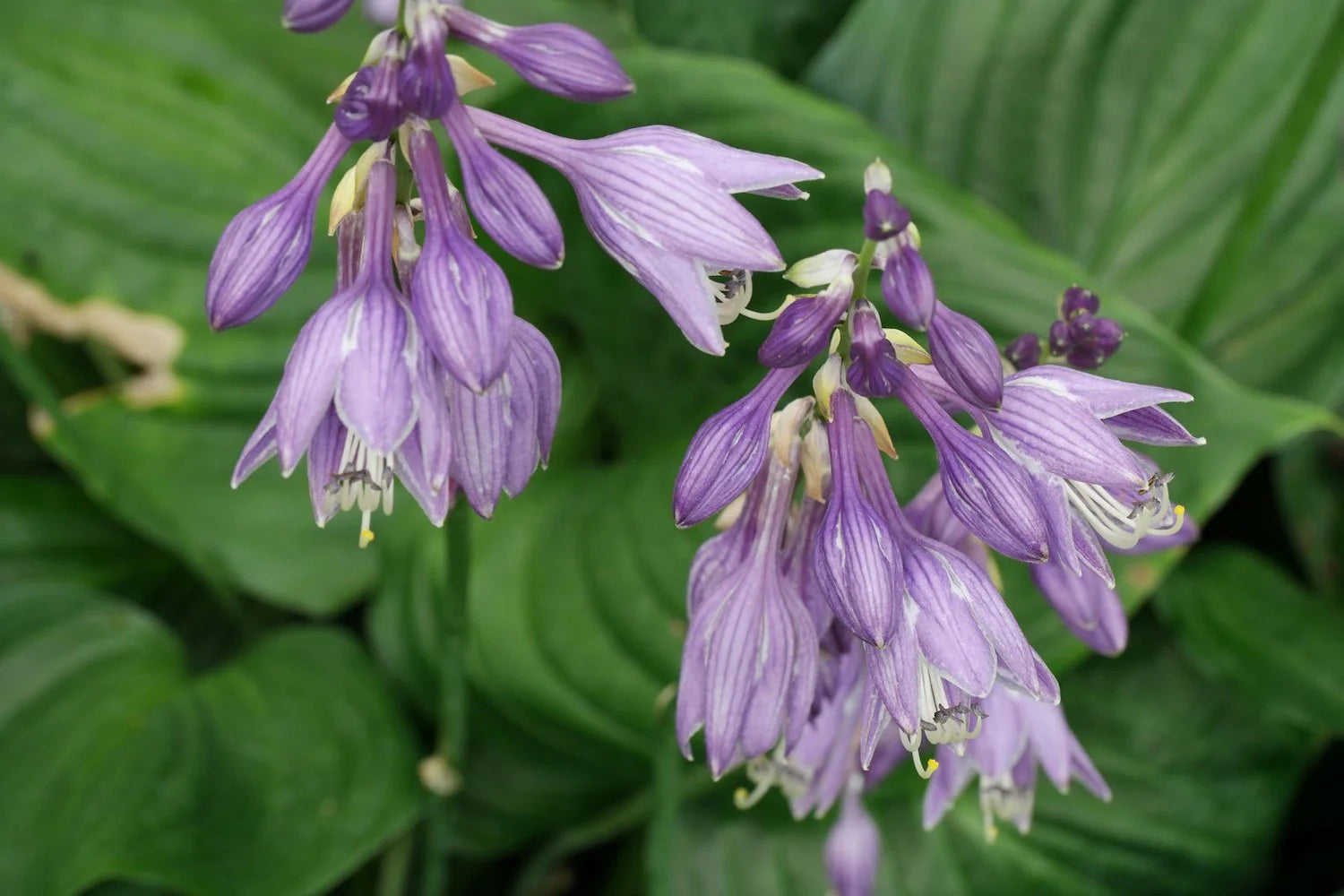
Flower stalks rise above the foliage and may carry trumpet or bell-shaped blossoms in white, creamy white, pale lavender, lilac, or purple tones. Because hostas grown from seed may not reproduce the exact characteristics of a parent cultivar, individual seedlings can display interesting natural variation.
Hostas work beautifully beneath compatible trees, along woodland pathways, toward the front or middle of shaded borders, and beside ferns and other shade-loving ornamentals.
Plant Care Insights
Sunlight
Most hostas prefer partial to full shade, although light requirements vary among varieties. Protection from intense afternoon sun is generally beneficial.
Soil
Choose fertile, well-drained soil enriched with organic matter. Hostas generally appreciate soil that retains some moisture without becoming persistently waterlogged.
Watering
Maintain reasonably consistent soil moisture, particularly during hot or dry periods, while ensuring adequate drainage around the roots.
Companion Plants
Hostas pair beautifully with ferns, astilbe, heuchera, bleeding heart, and other compatible shade-loving garden plants.
Maintenance
Remove damaged or declining leaves when necessary. Old flower stalks can be trimmed after flowering, while declining foliage may be cleaned up seasonally.
Frequently Asked Questions
Can hostas grow across different US climates?
Hostas perform well across many temperate regions of the United States.
Winter hardiness and summer performance vary according to variety and climate.
How large can mature hosta plants become?
Hostas range from miniature plants to exceptionally large leafy specimens.
Final height and spread depend greatly on genetics and growing conditions.
When do hosta plants typically produce flowers?
Hostas generally develop tall flower stalks from summer into early fall.
Exact flowering periods vary according to variety and regional conditions.
What pests may occasionally affect hosta plants?
Slugs, snails, and some insects may occasionally damage hosta foliage.
Regular garden inspection can help identify pest activity before damage increases.
Shop By Category