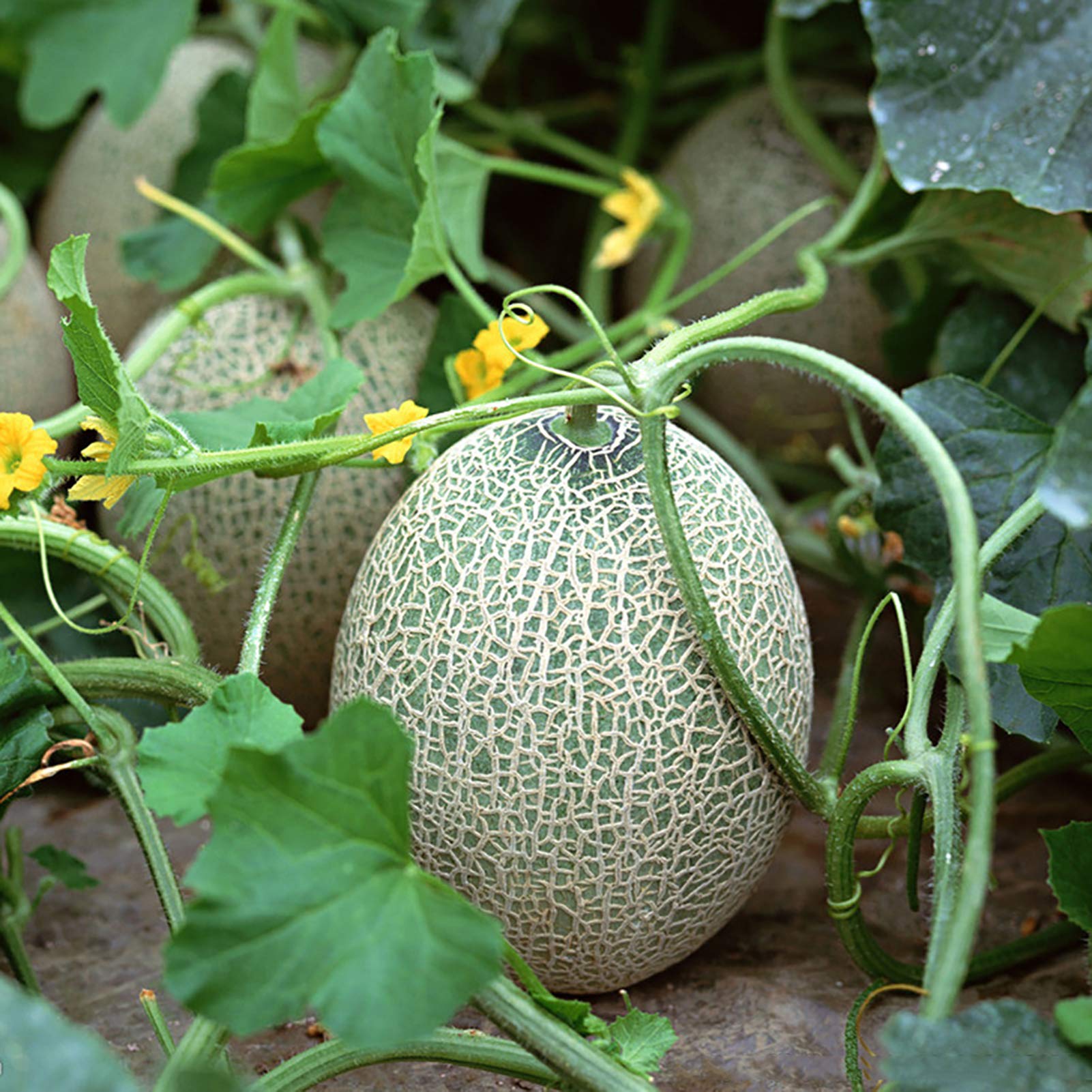
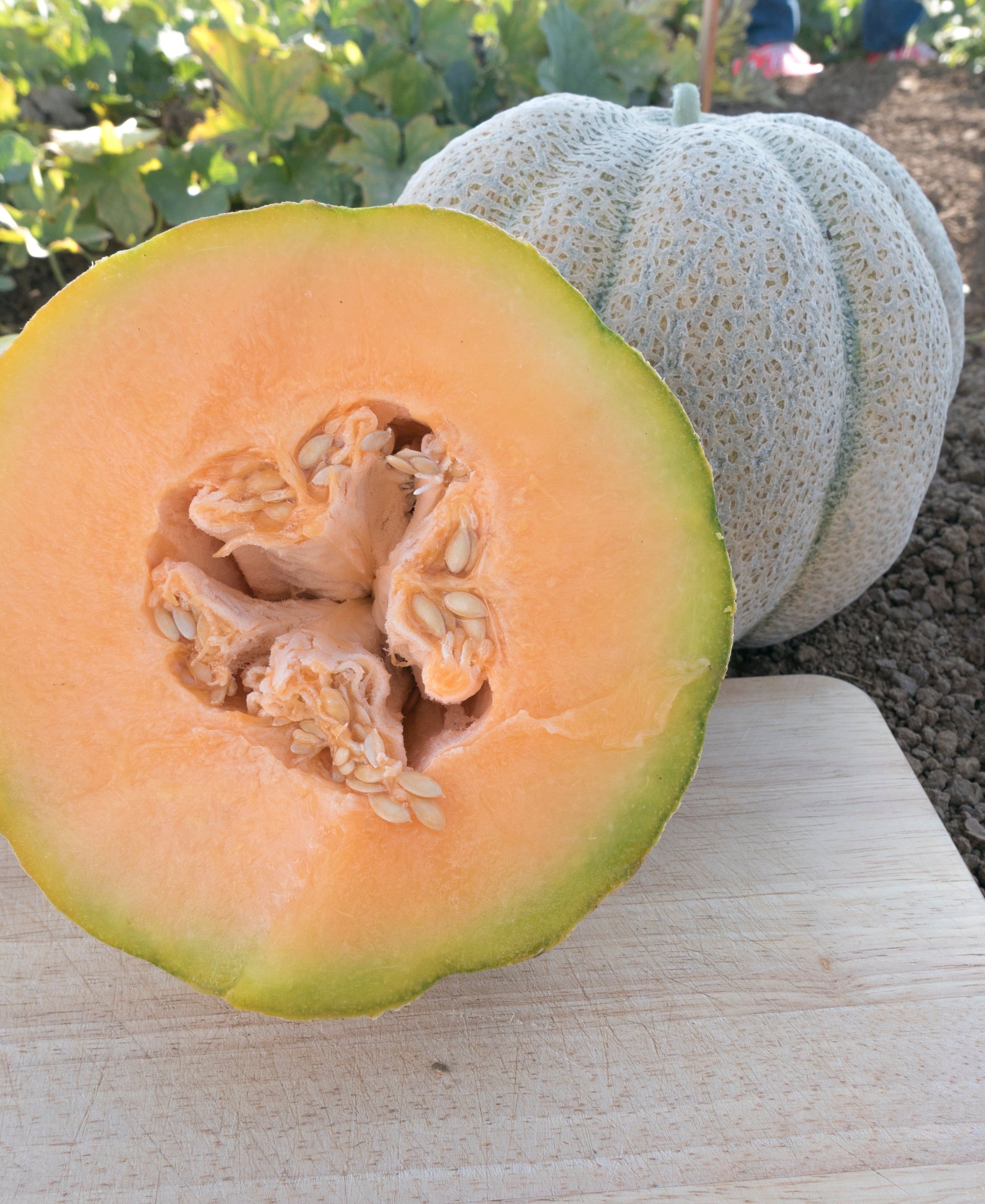
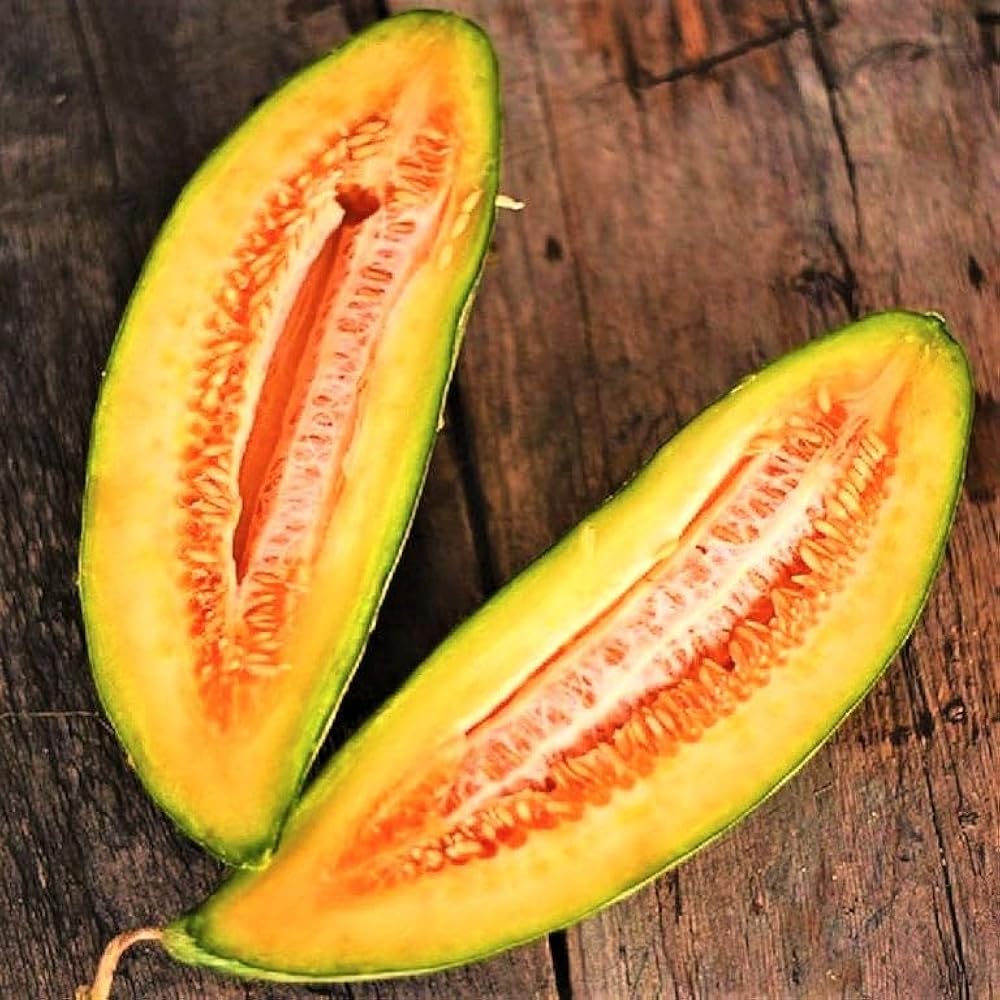
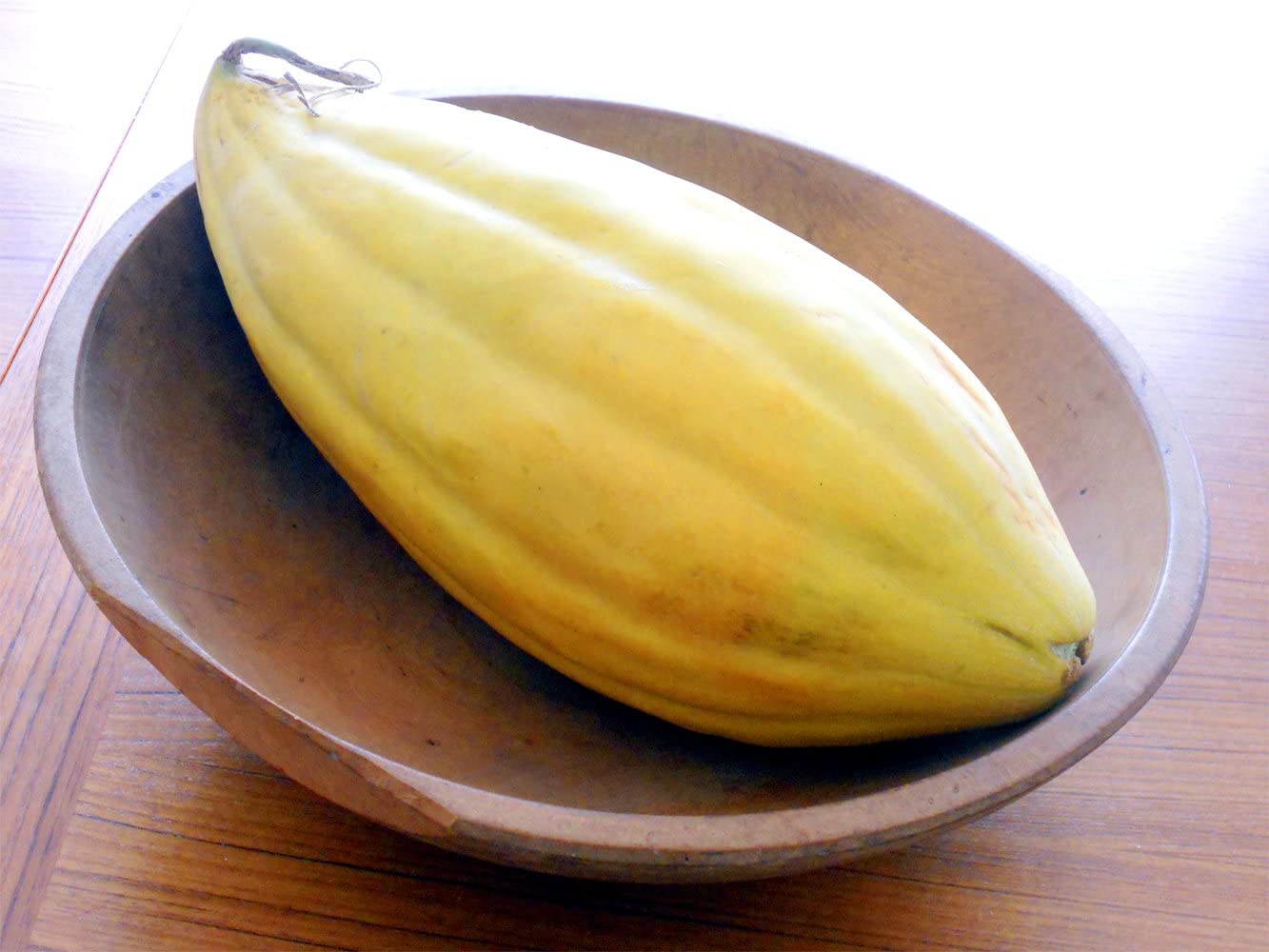






Melon & Vine Fruit Seeds for Planting – Grow Sweet Summer Harvests
Few garden experiences capture summer quite like watching vigorous vines spread across the garden before revealing colorful fruits beneath their leaves. From refreshing melons to unusual climbing fruits, vine-grown crops bring excitement, productivity, and delicious variety to backyard gardens.
Melon & Vine Fruit Seeds from Evergrow Seeds are available at evergrowseeds.com for US home gardeners looking to grow productive warm-season fruiting vines in backyard plots, raised beds, and other suitable garden spaces.
Browse Our Melon & Vine Fruit Seeds
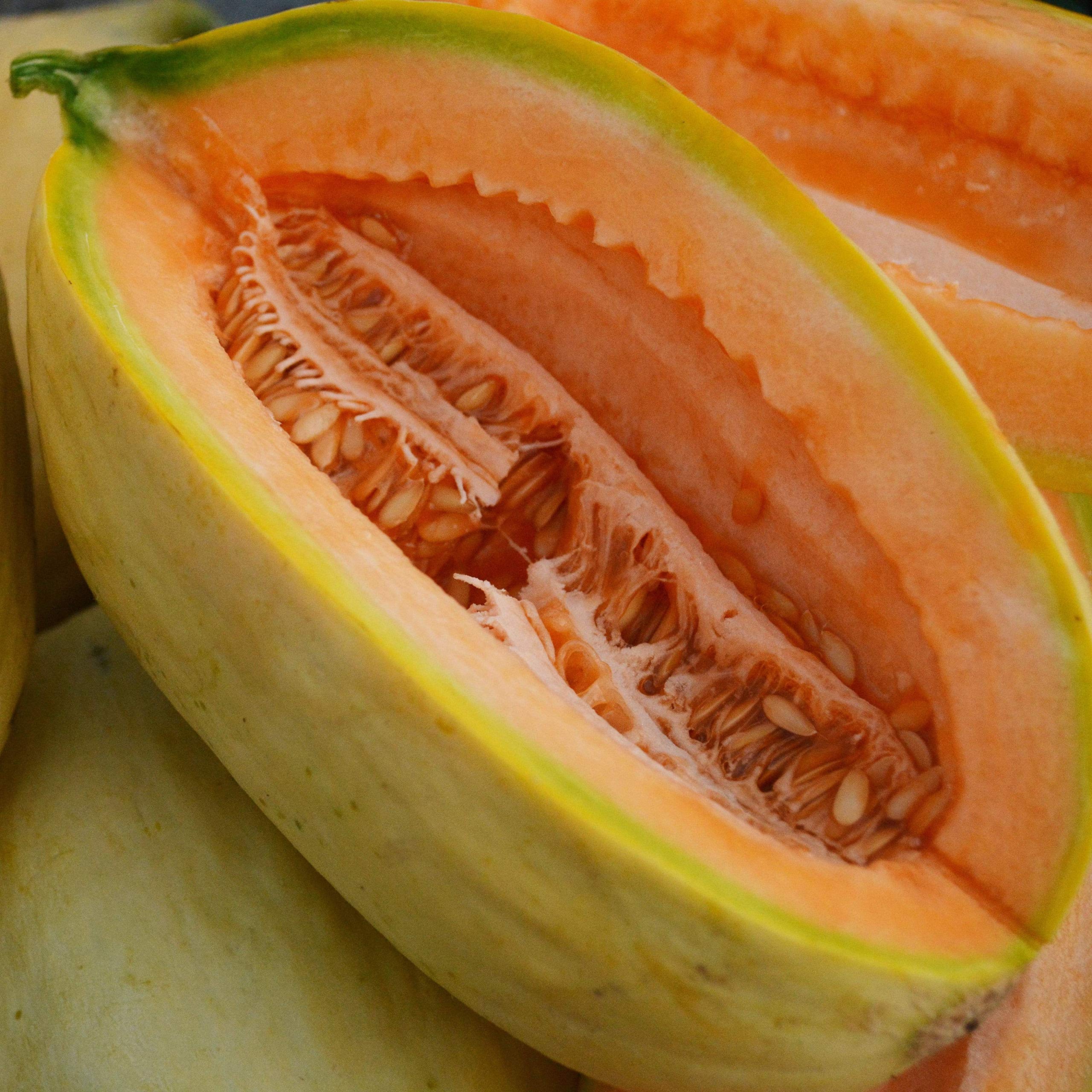
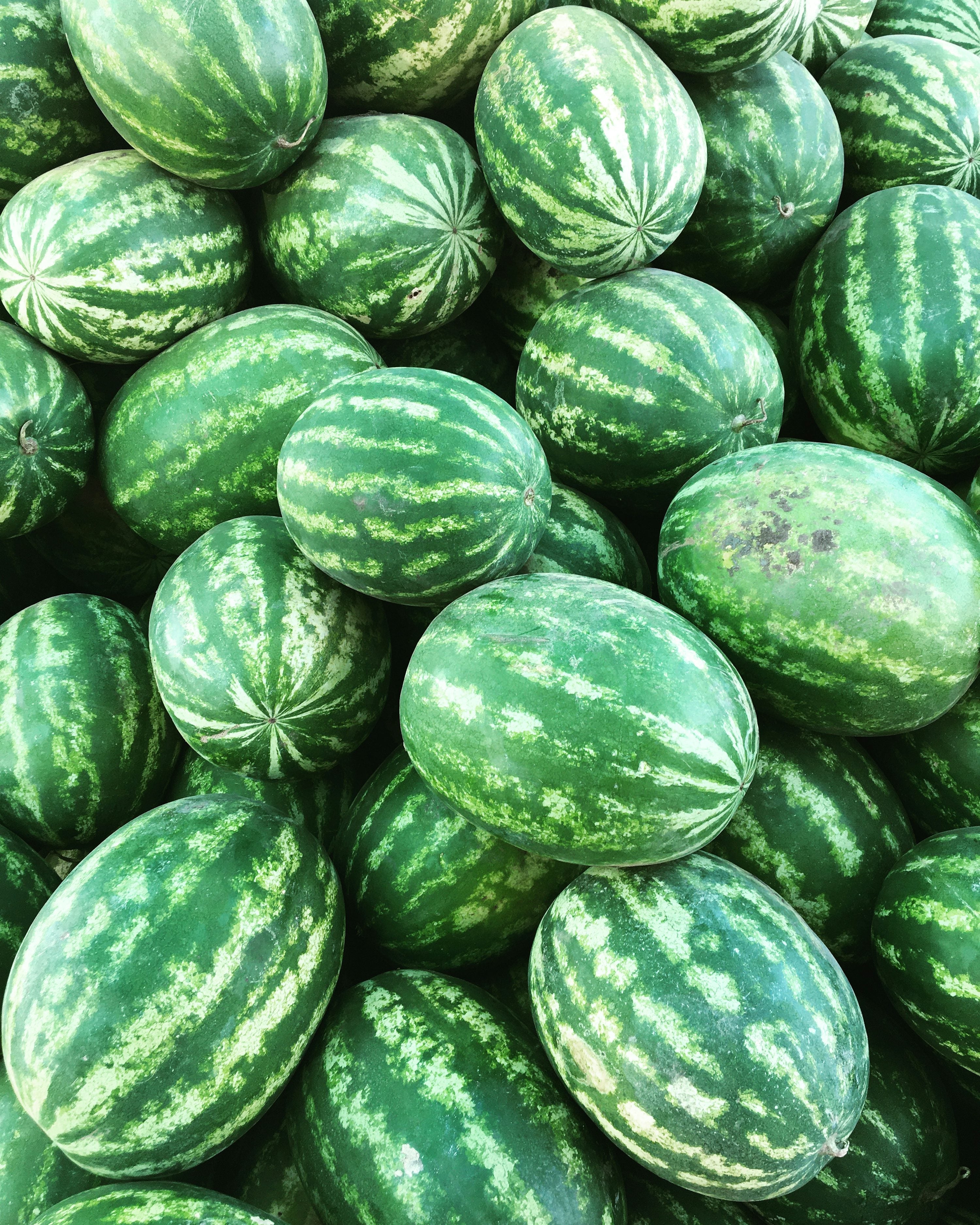
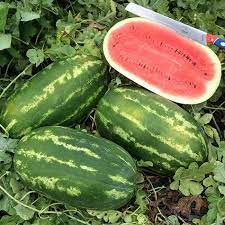
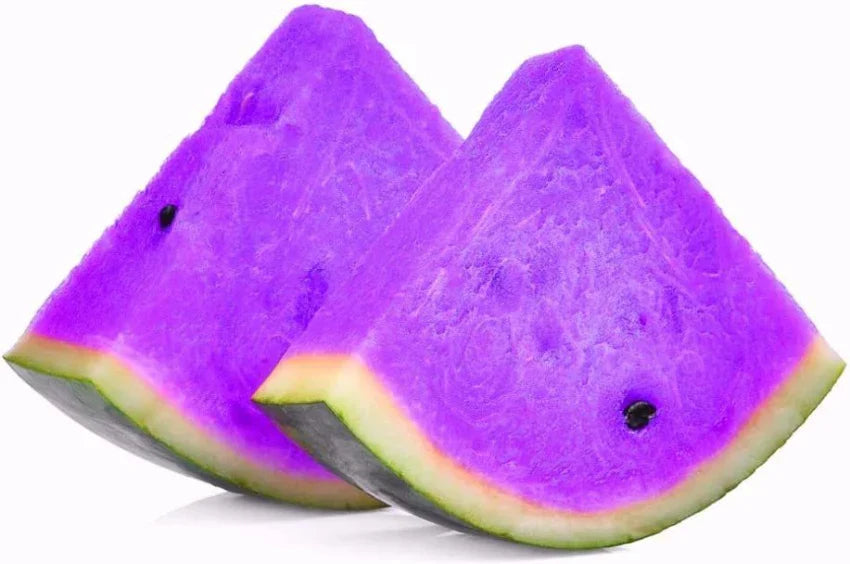
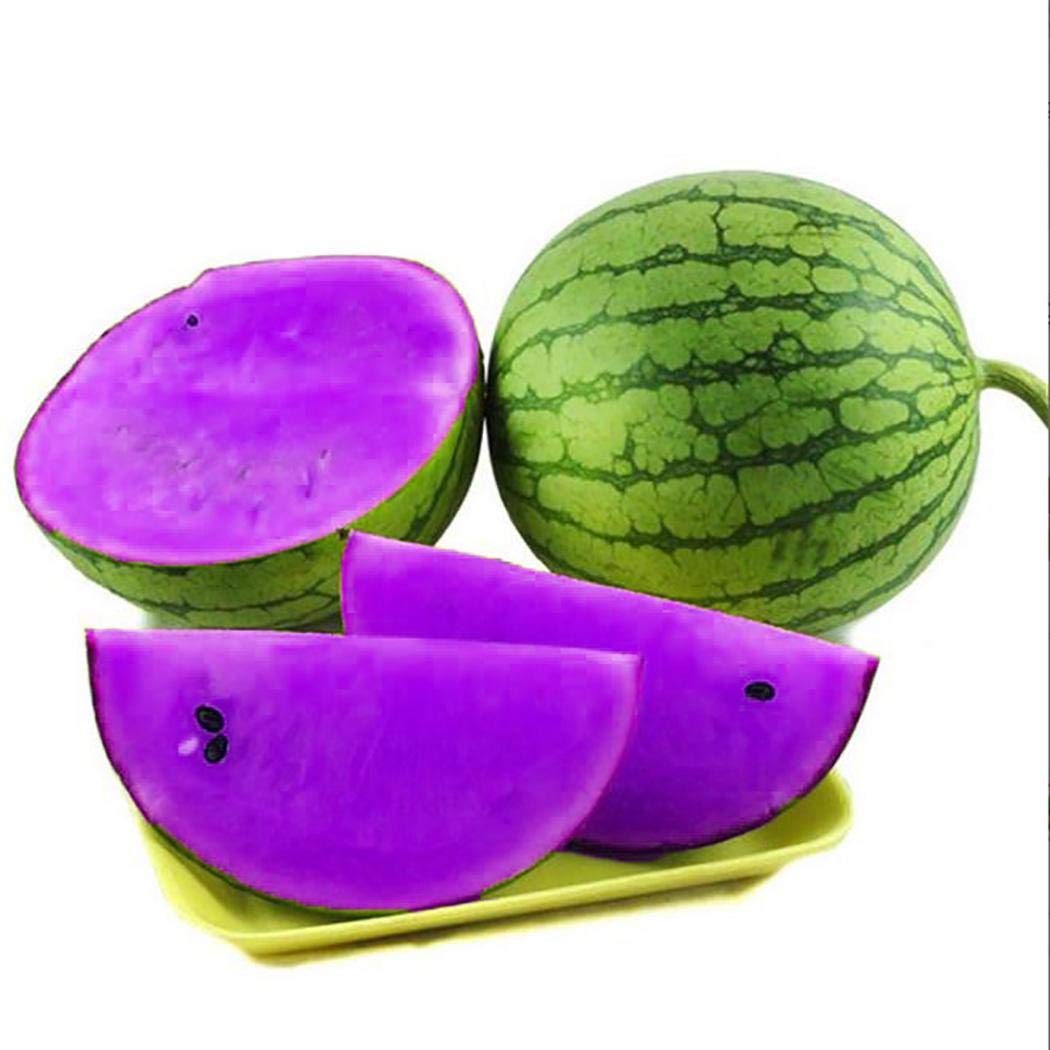
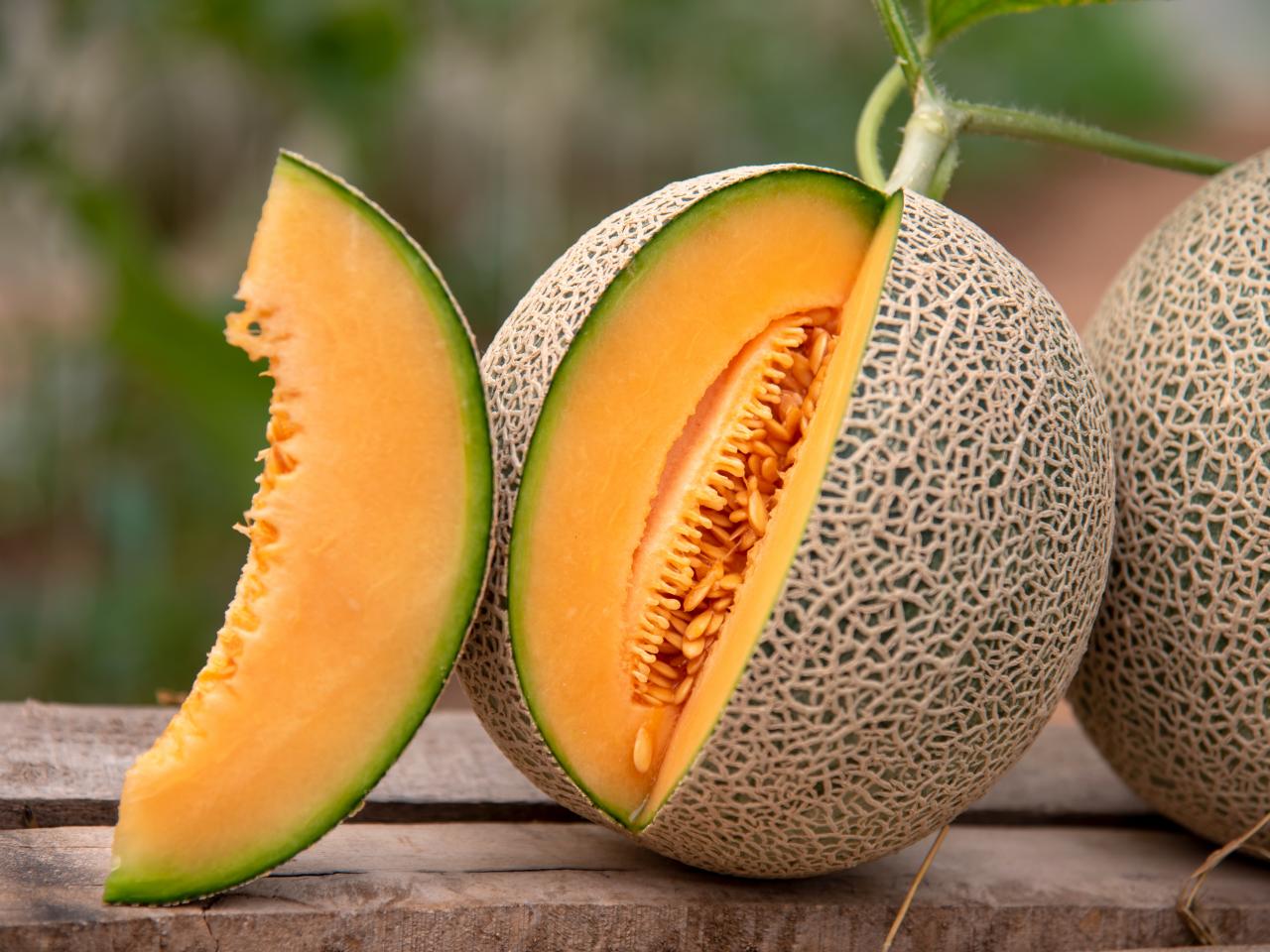
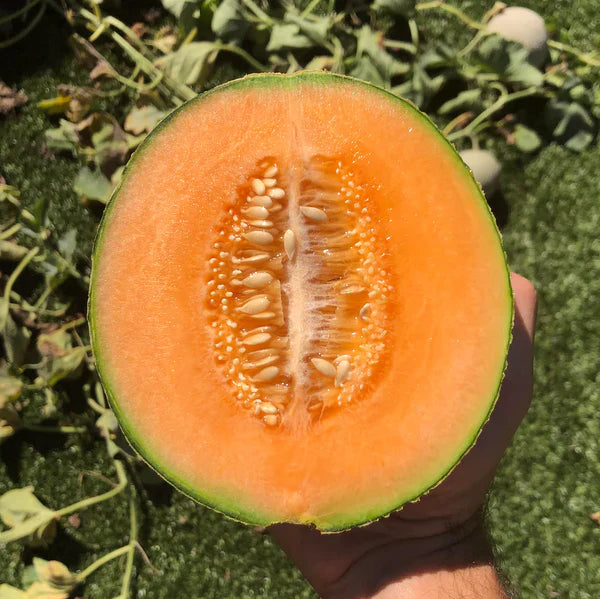
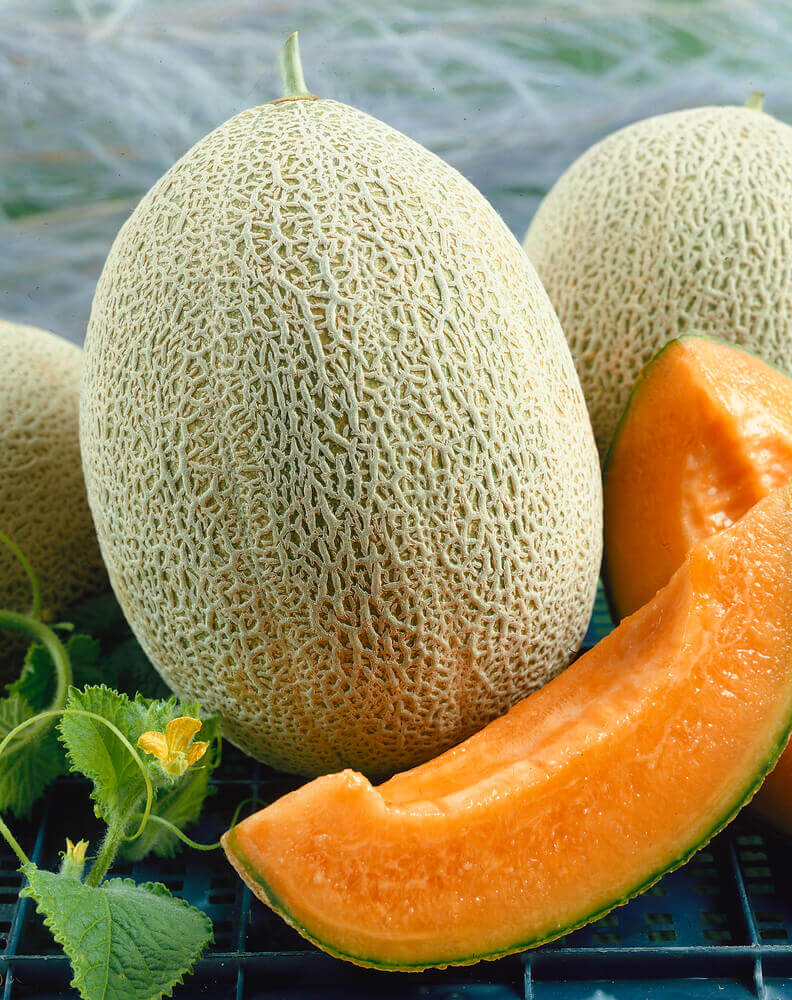
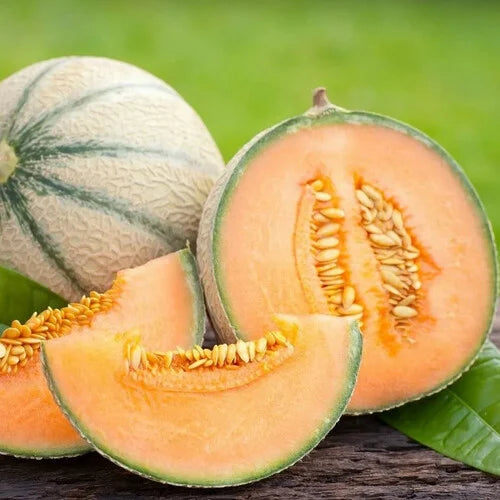
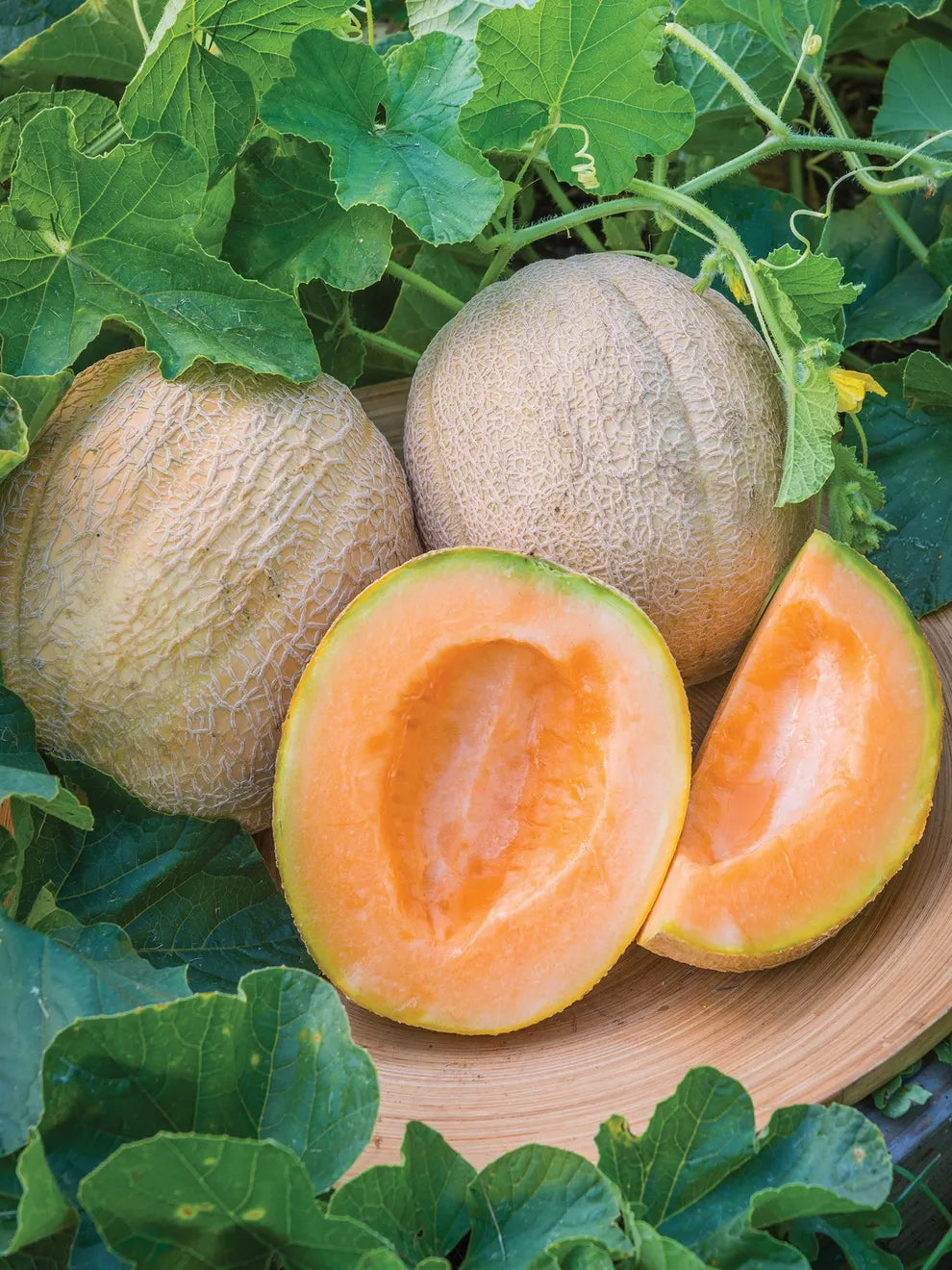
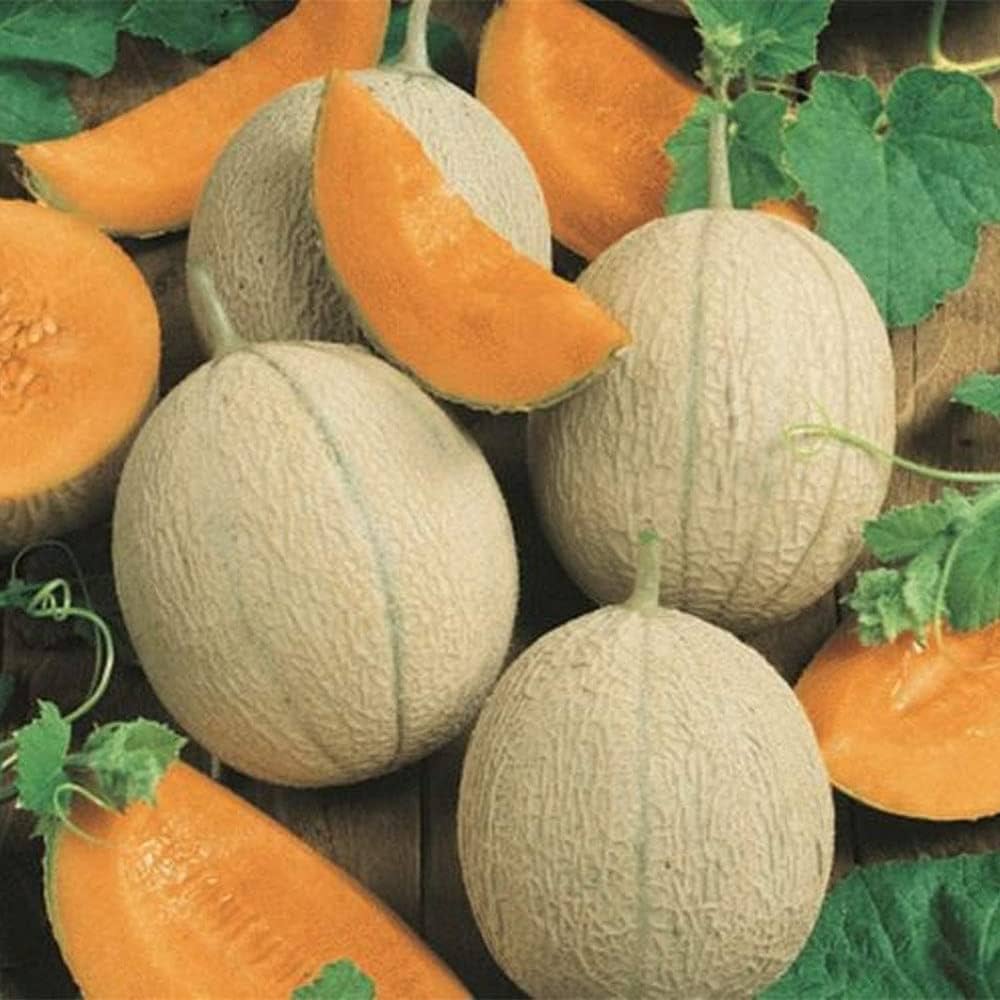
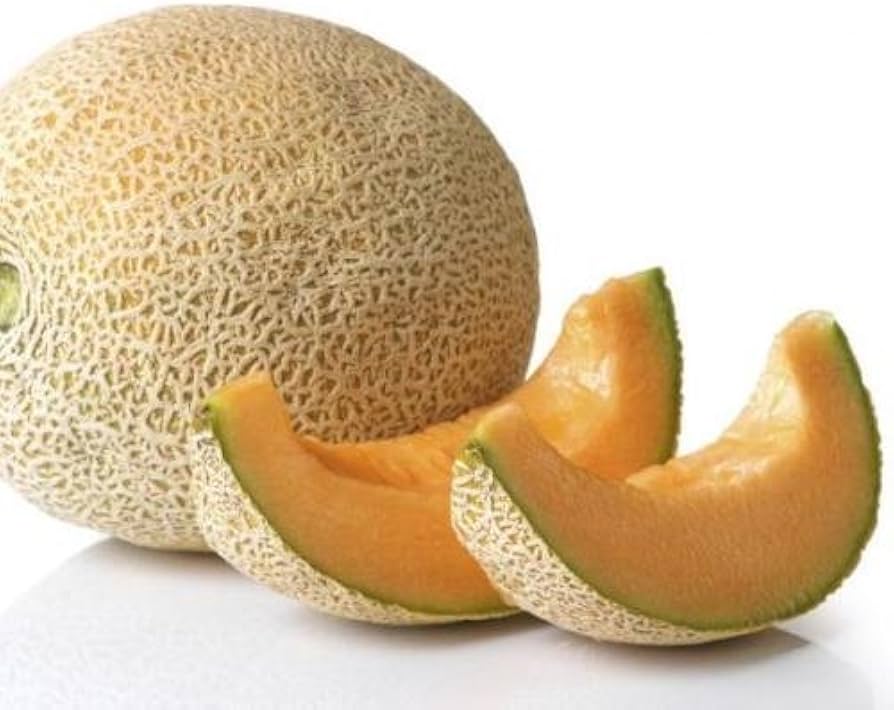
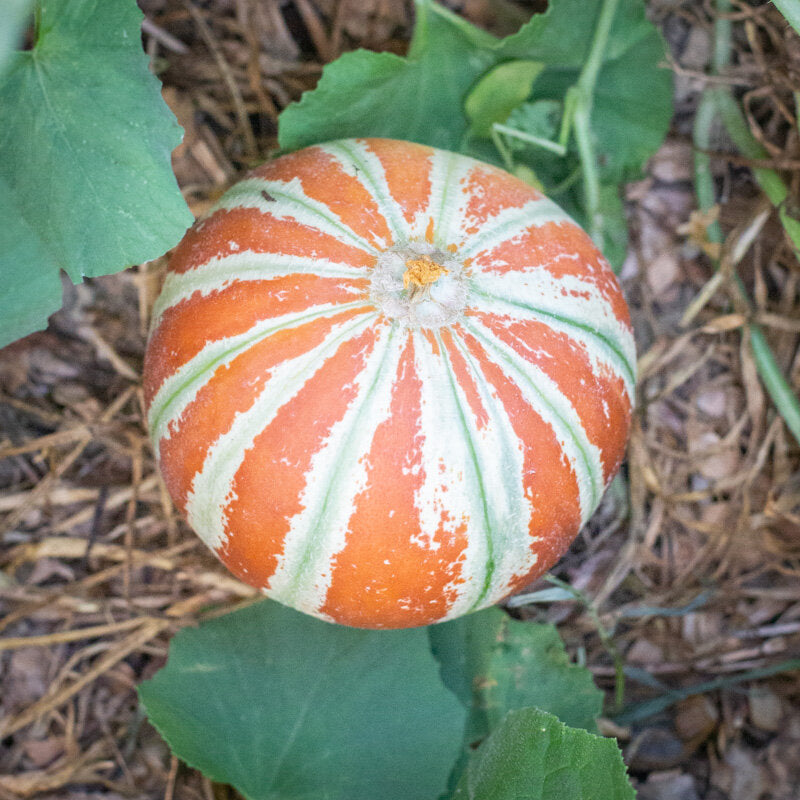
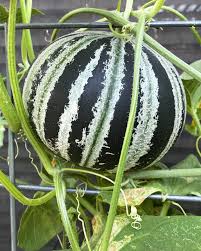
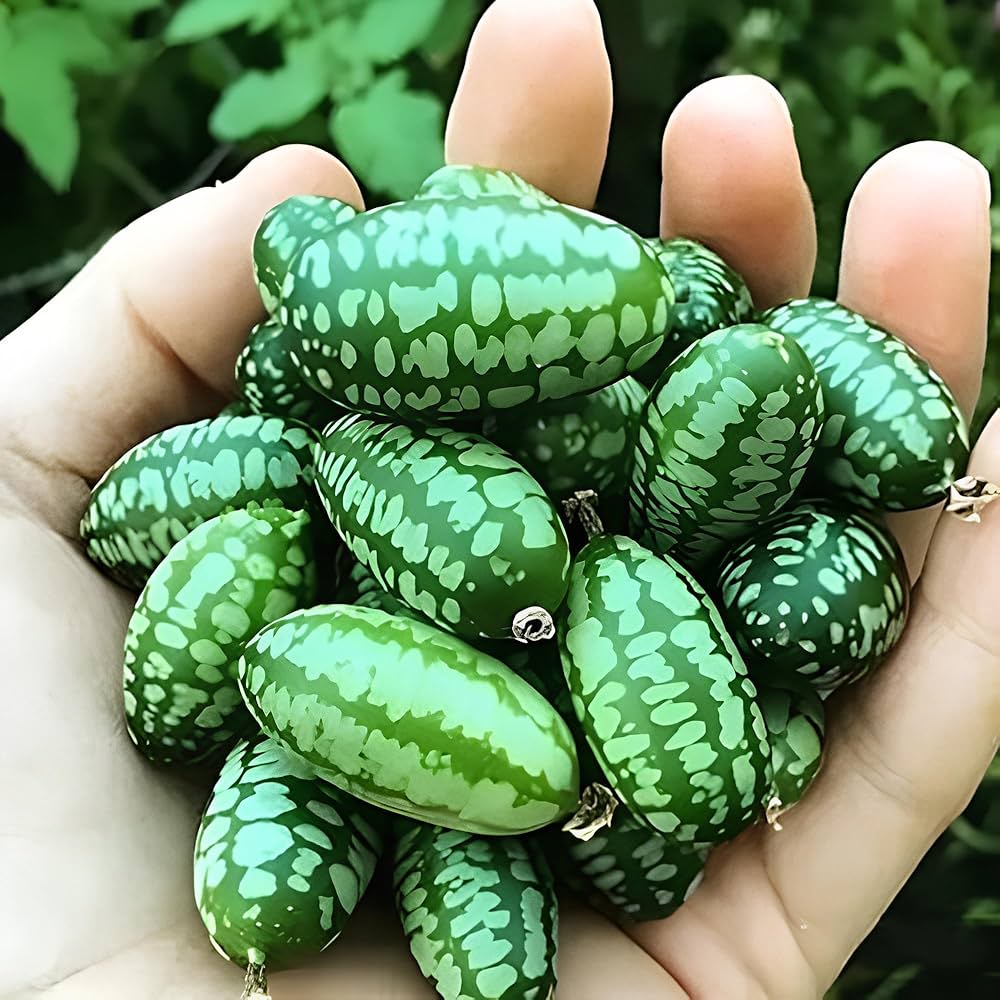
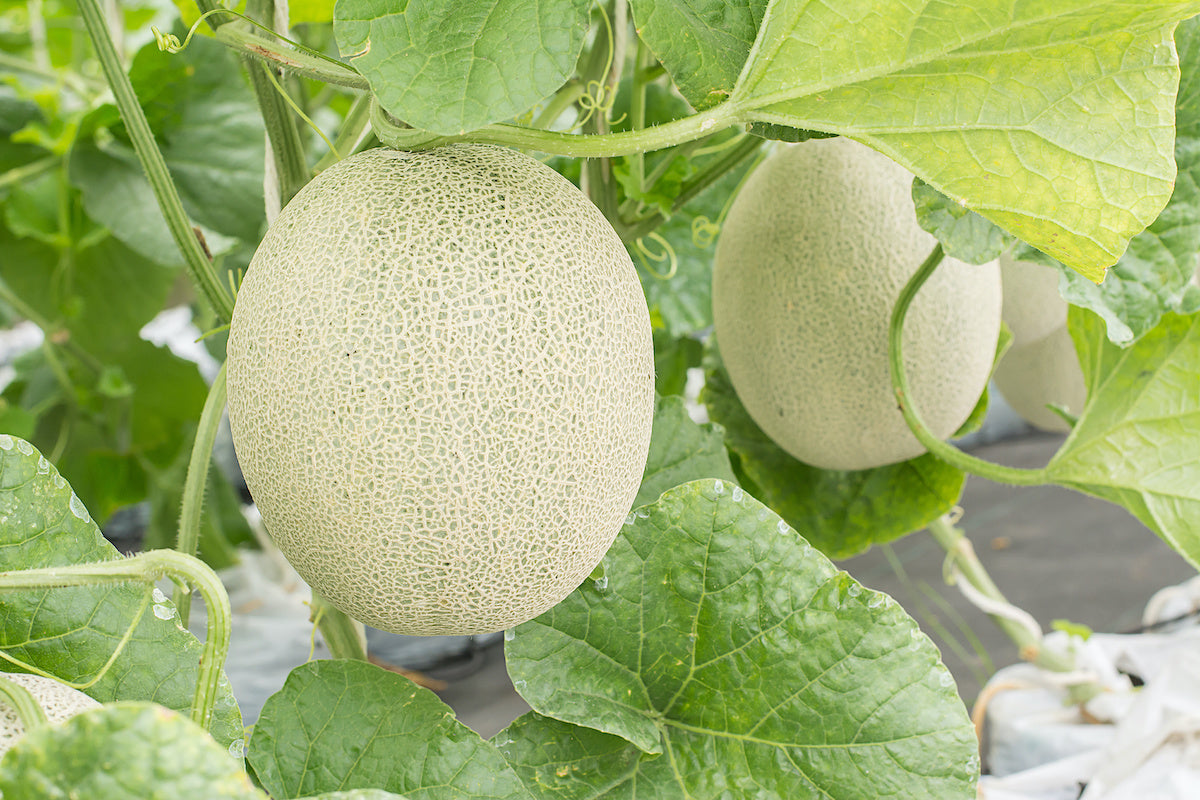
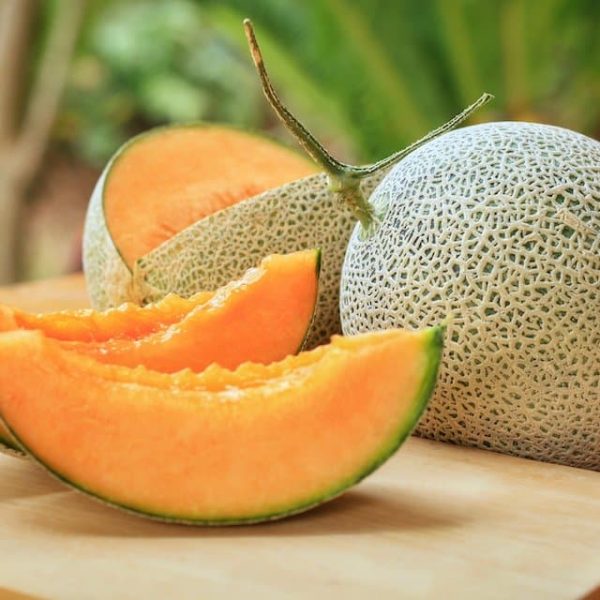
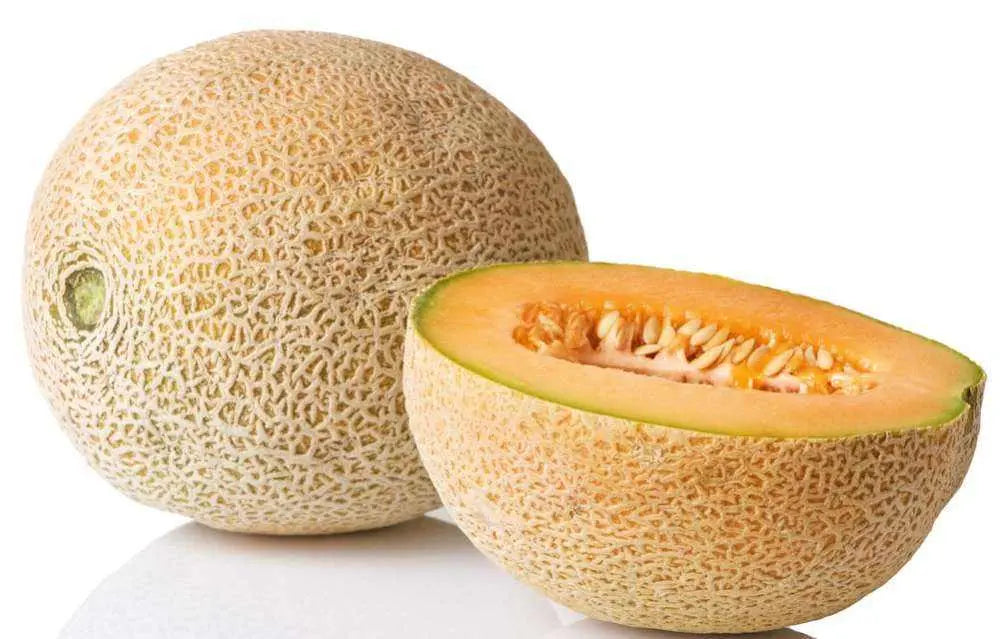
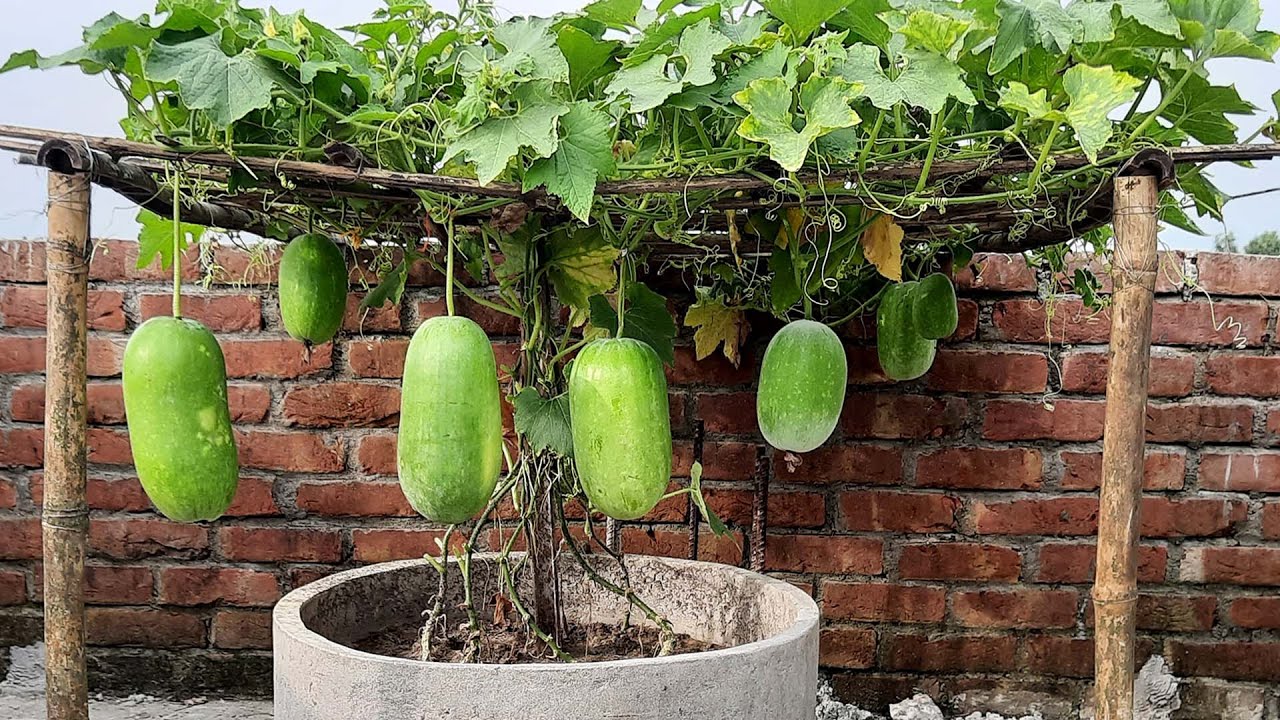
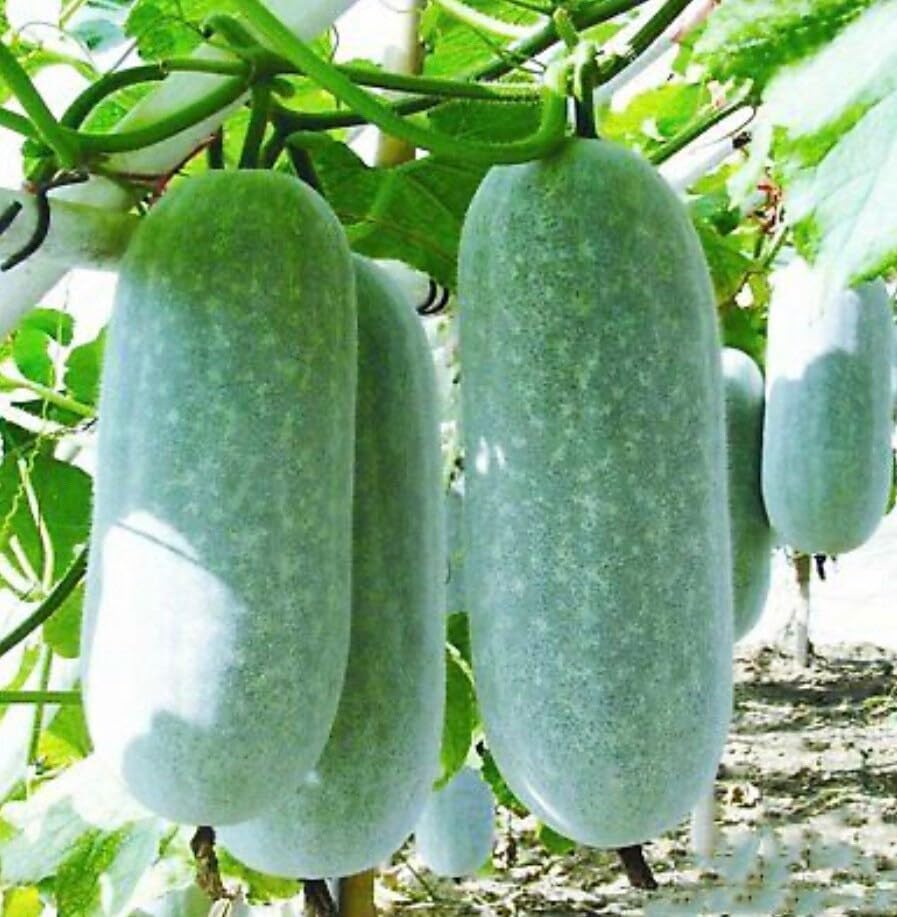
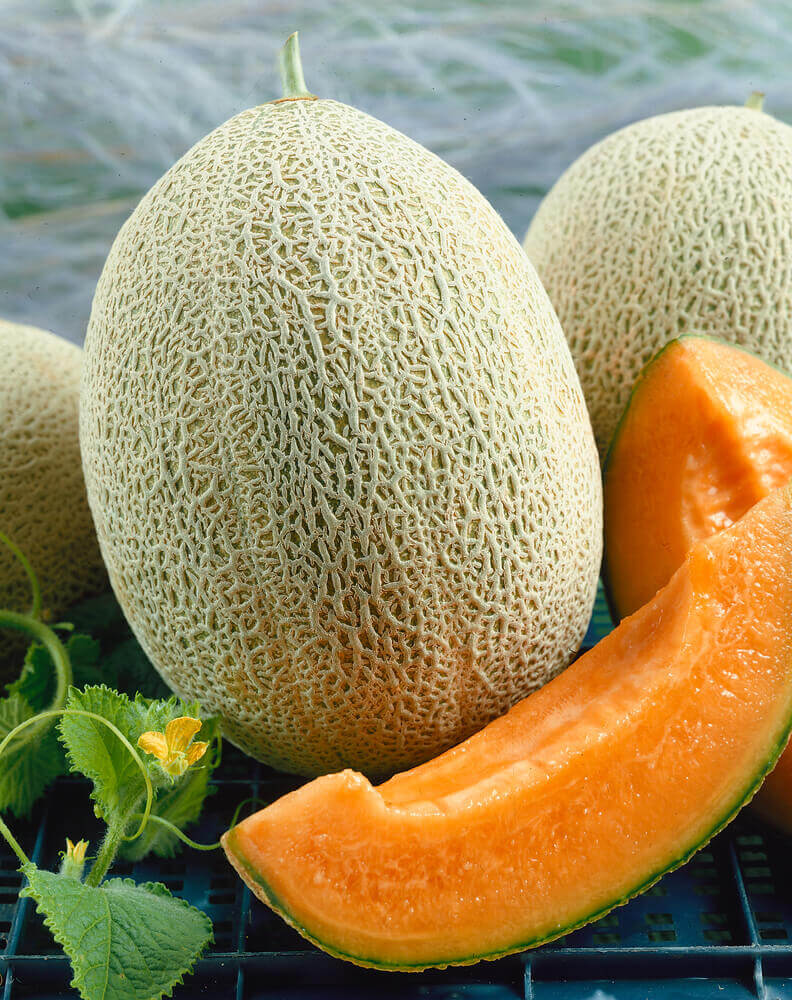
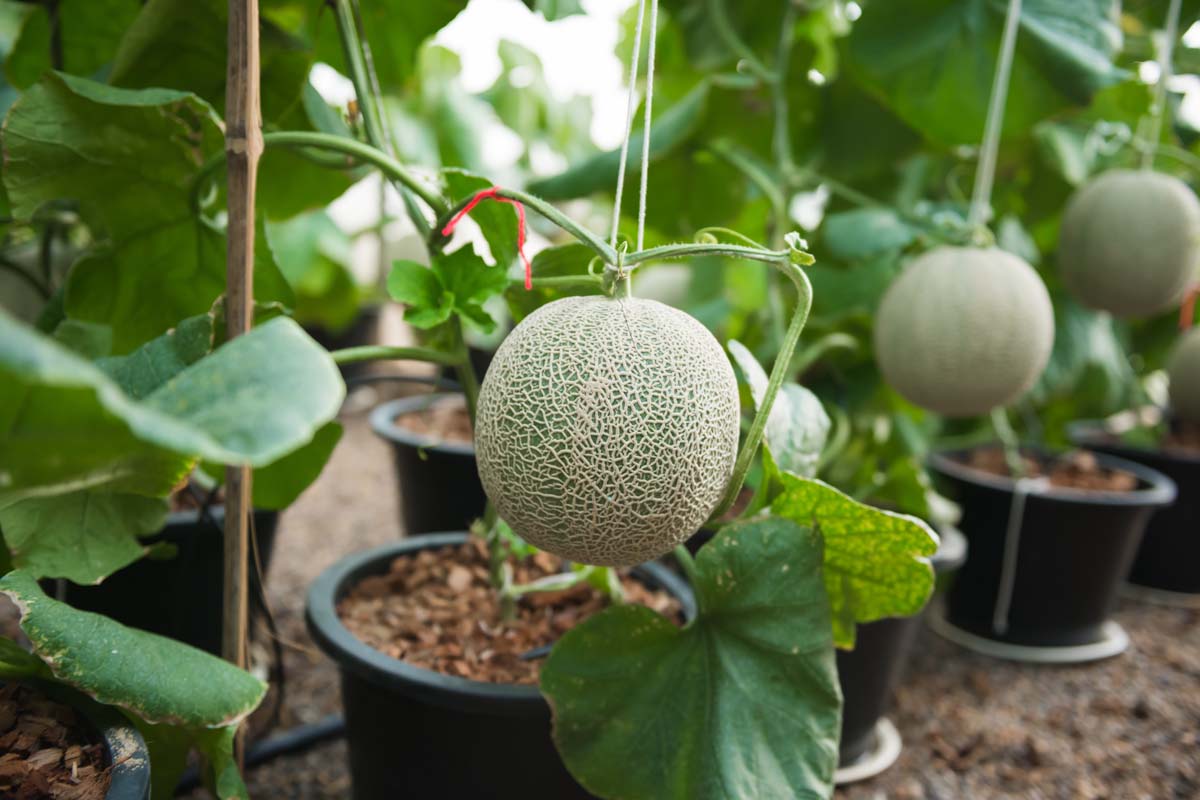
This collection can include watermelon, cantaloupe, muskmelon, honeydew, specialty melons, Korean melon, Canary melon, Hami melon, Charentais melon, Kiwano, Gac melon, passion fruit, and other suitable vining fruit varieties.
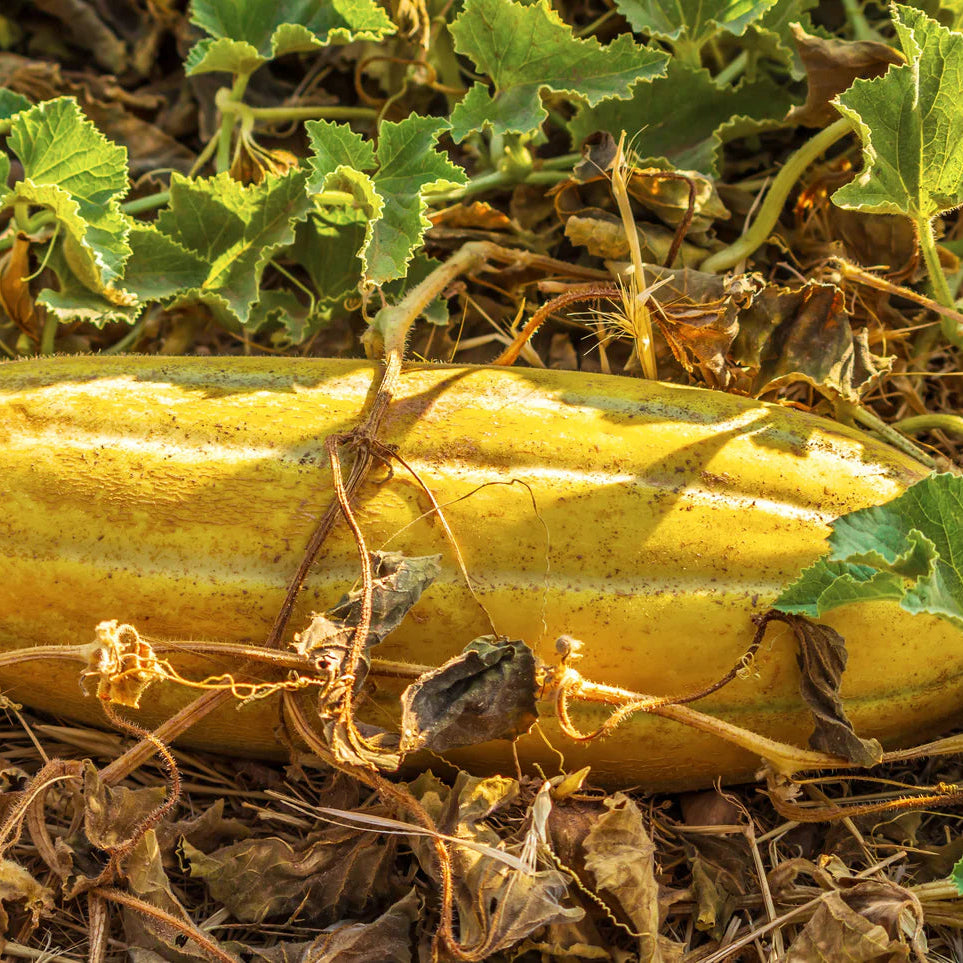
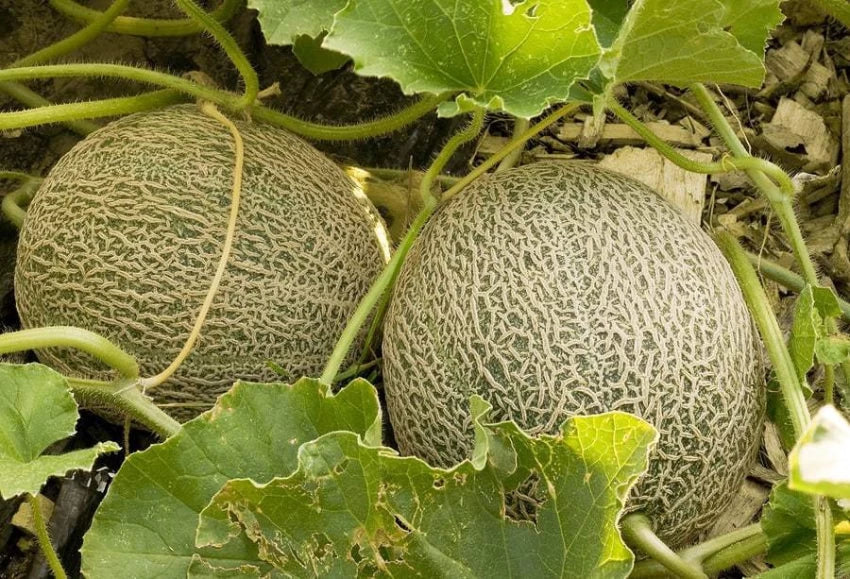
Growth habits vary considerably, from sprawling ground vines to vigorous climbers requiring sturdy support.
Plant Care Insights
Sunlight: Most melon and fruiting vines perform best in abundant full sun.
Soil: Choose fertile, loose, well-drained soil with suitable organic matter.
Watering: Maintain consistent moisture during establishment, flowering, and early fruit development.
Support: Provide sturdy trellises for climbing varieties when appropriate.
Harvesting: Harvest when fruits reach the characteristic size, color, aroma, or maturity indicators of their variety.
Frequently Asked Questions
Can Melon & Vine Fruits grow across different US climates?
Yes, but many melons require warm temperatures and a sufficiently long frost-free season. Tropical vines may need considerably longer warmth or protected growing conditions in cooler regions.
Do all Melon & Vine Fruit plants need trellises?
No. Watermelons and many large melons are commonly allowed to spread along the ground, while lighter climbing fruits can benefit from sturdy vertical support.
When should Melon & Vine Fruit Seeds be planted?
Most warm-season varieties are planted after frost danger has passed and soil temperatures have warmed. Exact timing depends on the individual species and local climate.
How do I know when melons are ready to harvest?
Ripeness indicators vary by variety and can include changes in skin color, aroma, tendril condition, ground spot, or ease of separation from the vine.
Shop By Category