





Pollinator-Friendly Flower Seeds for Planting – Grow a Garden Alive with Color
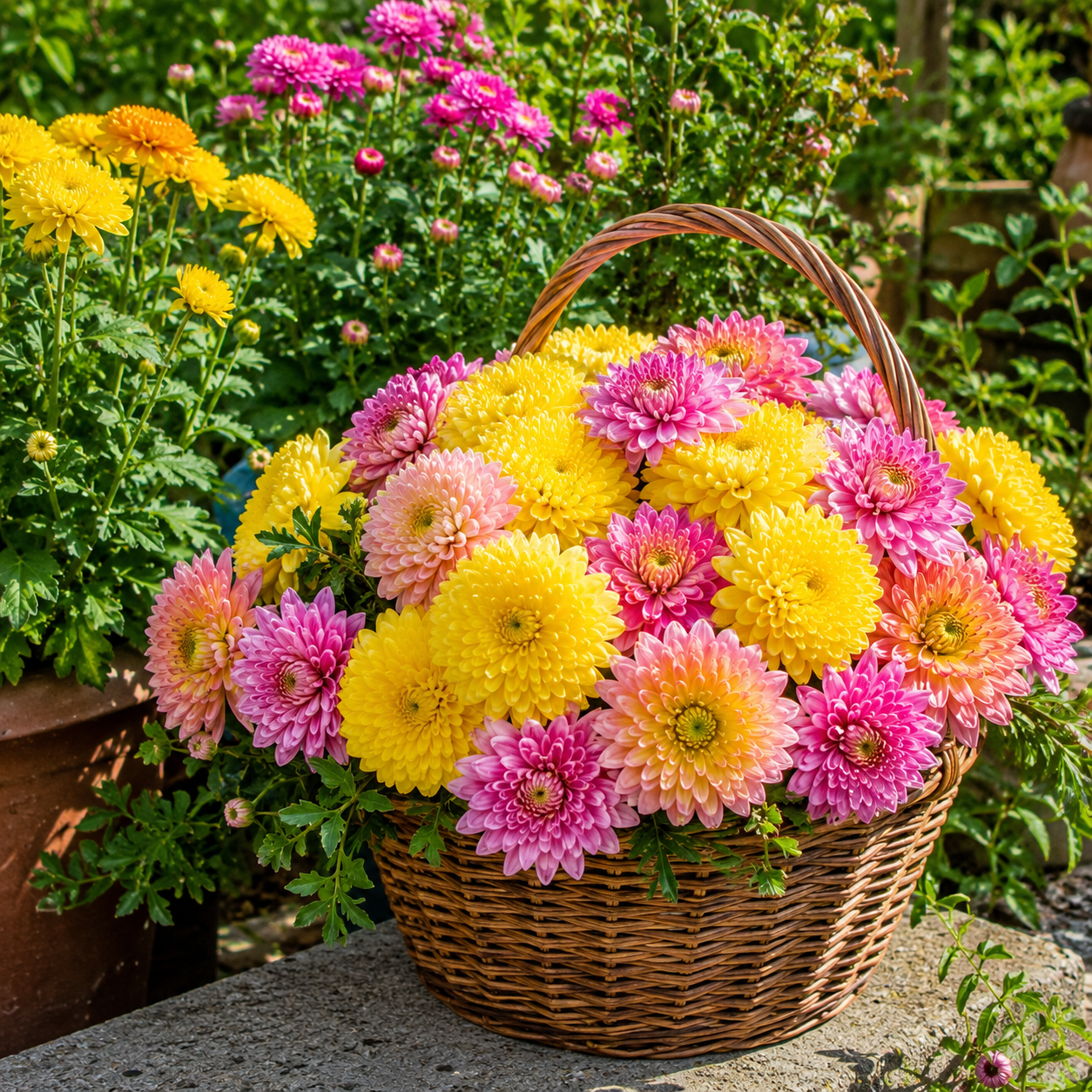
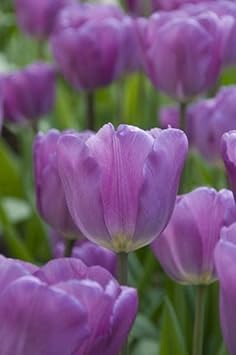
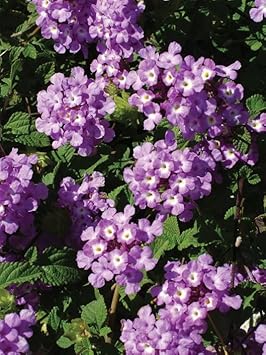
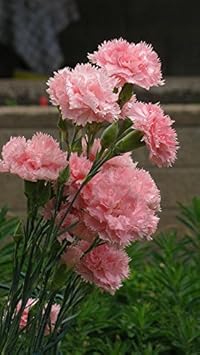
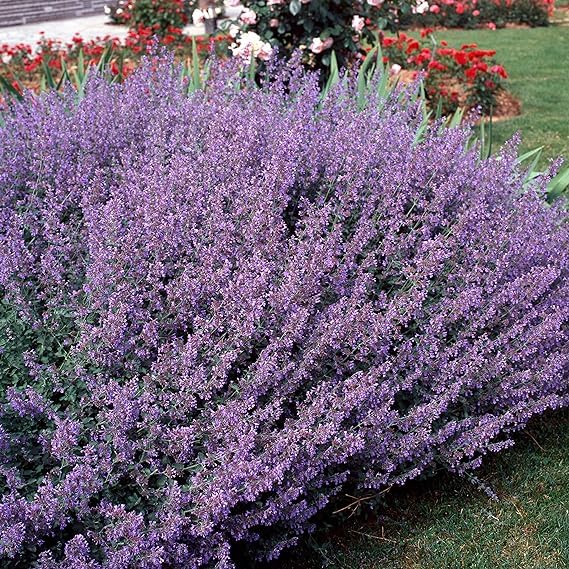
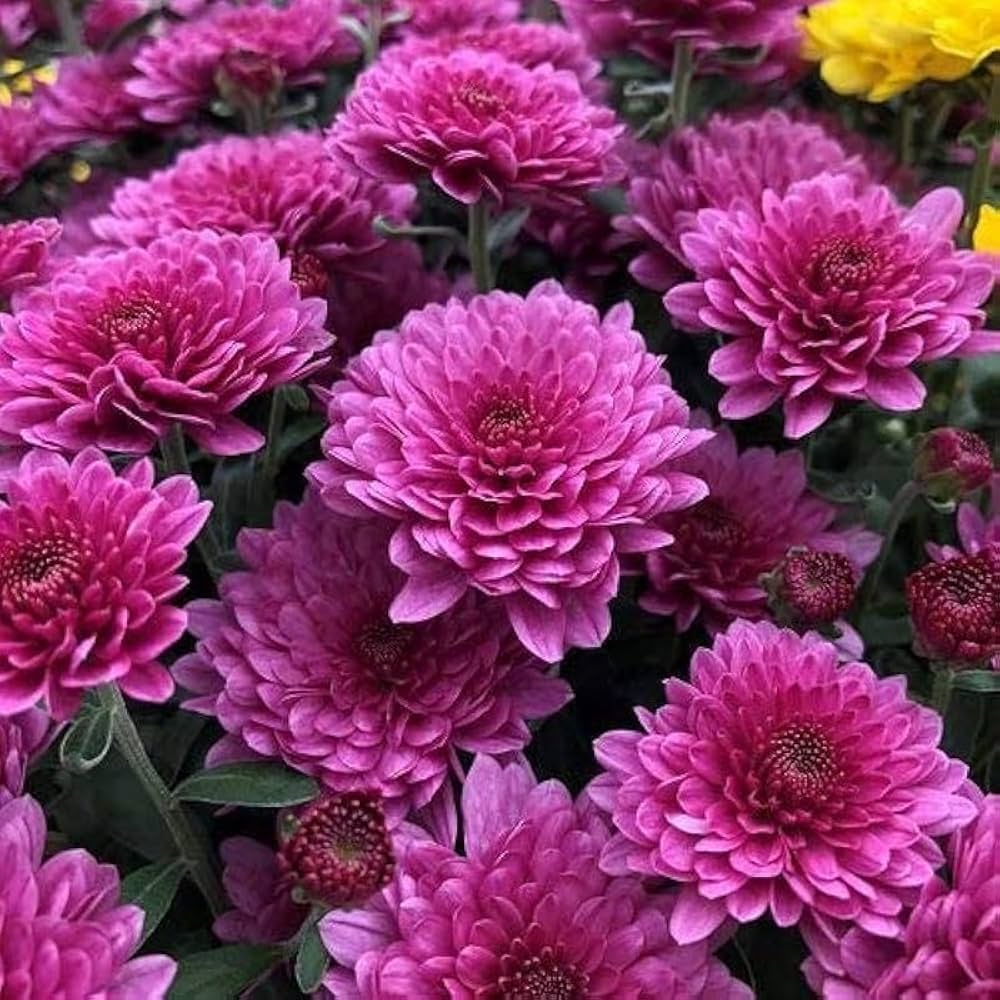
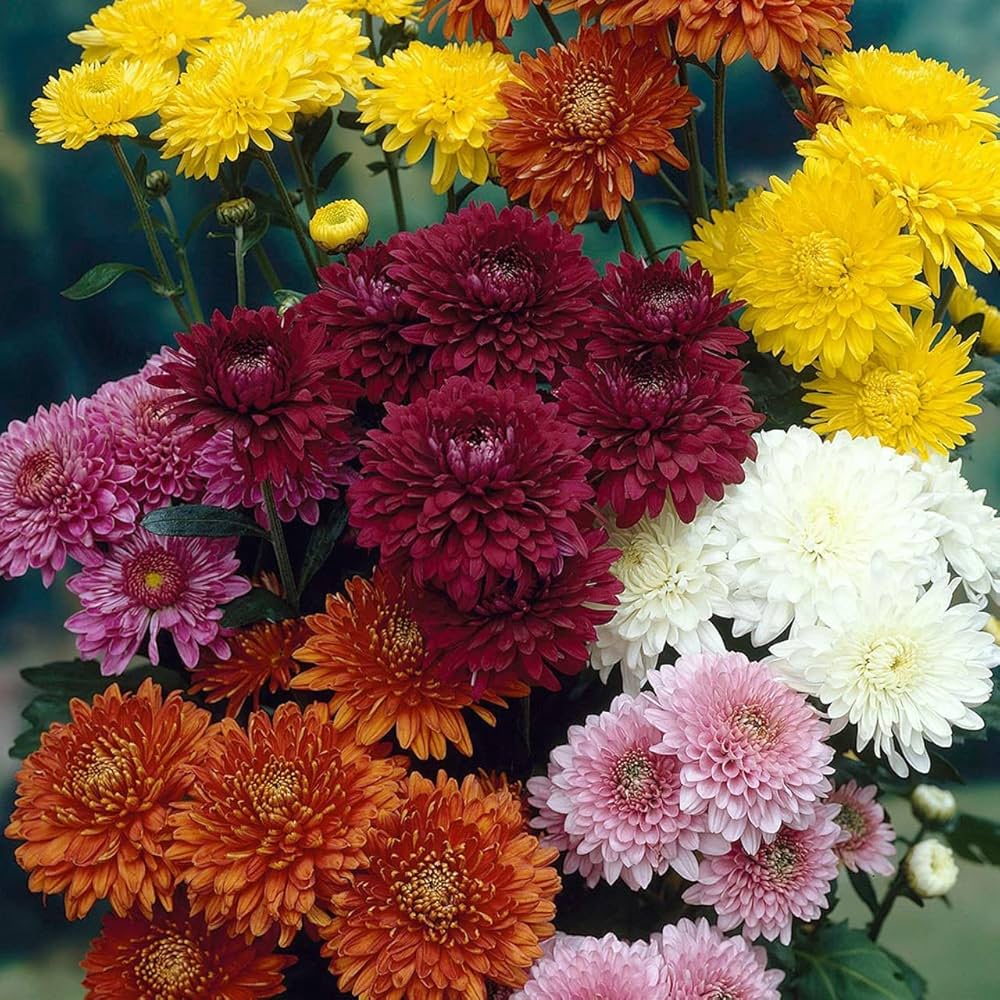
A pollinator garden is more than a beautiful collection of flowers. It is a lively landscape where colorful blossoms can provide nectar and pollen while bees, butterflies, hummingbirds, and other visitors move among the blooms.
Pollinator-Friendly Flower Seeds from Evergrow Seeds are available at evergrowseeds.com for US home gardeners looking to create colorful cottage borders, wildflower areas, native-style landscapes, and pollinator-focused garden spaces.
Browse Our Pollinator-Friendly Flower Seeds
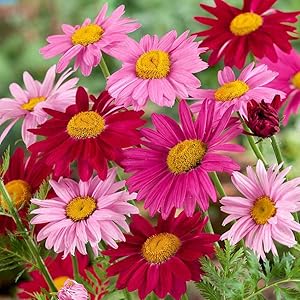
This collection can include favorites such as milkweed, coneflower, coreopsis, black-eyed Susan, penstemon, phlox, lupine, bee balm, salvia, asters, sunflowers, zinnias, cosmos, and other nectar- or pollen-producing flowers.
Combining species with different flower shapes and bloom periods can help provide greater seasonal variety for visiting pollinators.
Plant Care Insights
Planting: Follow each flower species' recommended sowing depth and germination requirements.
Sunlight & Soil: Select species suited to your garden's light, drainage, and soil conditions.
Watering: Maintain suitable moisture during germination and establishment without prolonged waterlogging.
Best Season: Sowing periods vary by species, climate, and regional frost dates.
Garden Planning: Combine spring, summer, and fall bloomers to extend flowering interest across the growing season.
Frequently Asked Questions
Which flowers are best for pollinator gardens?
Native and regionally appropriate flowers are often excellent choices. Milkweeds, coneflowers, asters, penstemons, coreopsis, and other species can provide valuable floral resources.
Do Pollinator-Friendly Flowers attract butterflies?
Many do. Butterflies visit suitable nectar-producing flowers, while certain plants, such as native milkweeds, can also serve as host plants for specific butterfly caterpillars.
Can these Flower Seeds grow across different US climates?
Yes, but individual species have different hardiness, moisture, and temperature requirements. Selecting regionally appropriate varieties generally provides the best results.
How can I create a better pollinator garden?
Grow several compatible flower species, provide blooms across multiple seasons, include locally native plants when possible, and choose a sunny, suitable garden location for the selected varieties.
Shop By Category