







Sedum Seeds for Planting – Succulent Beauty for a Charming Garden
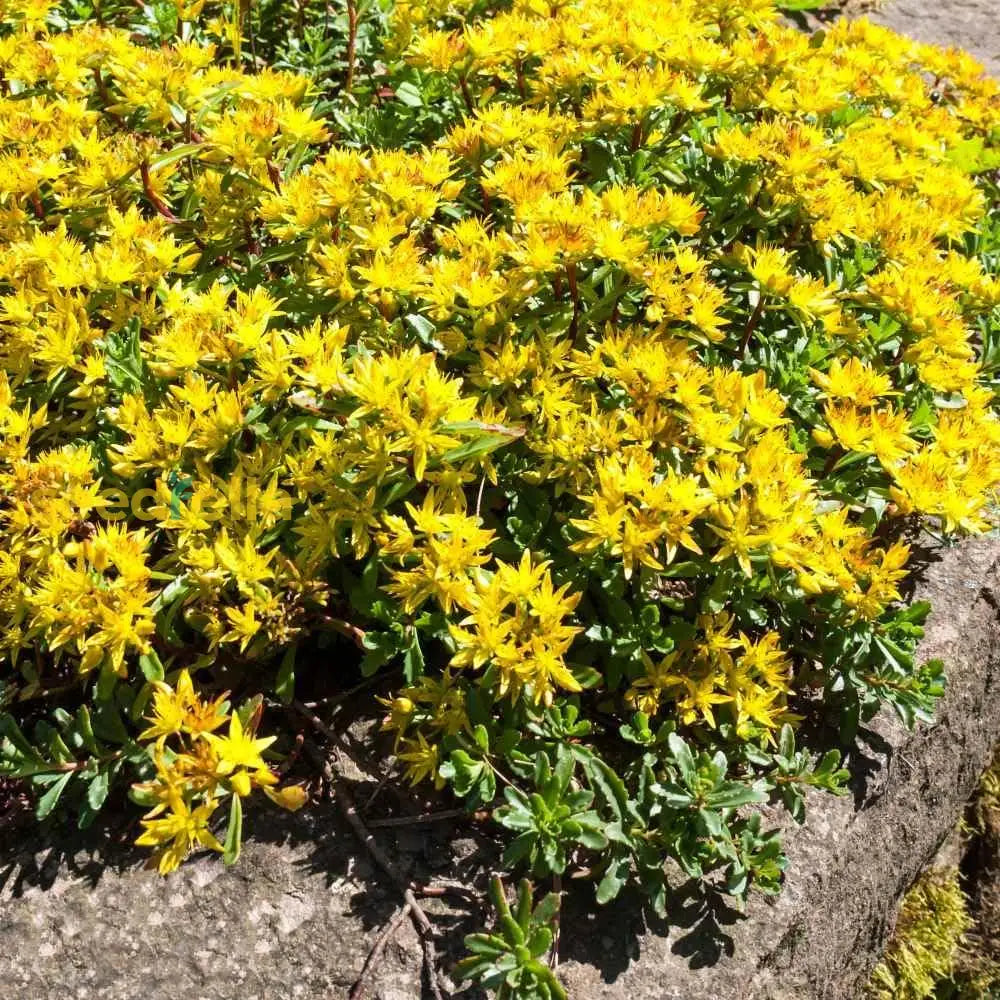
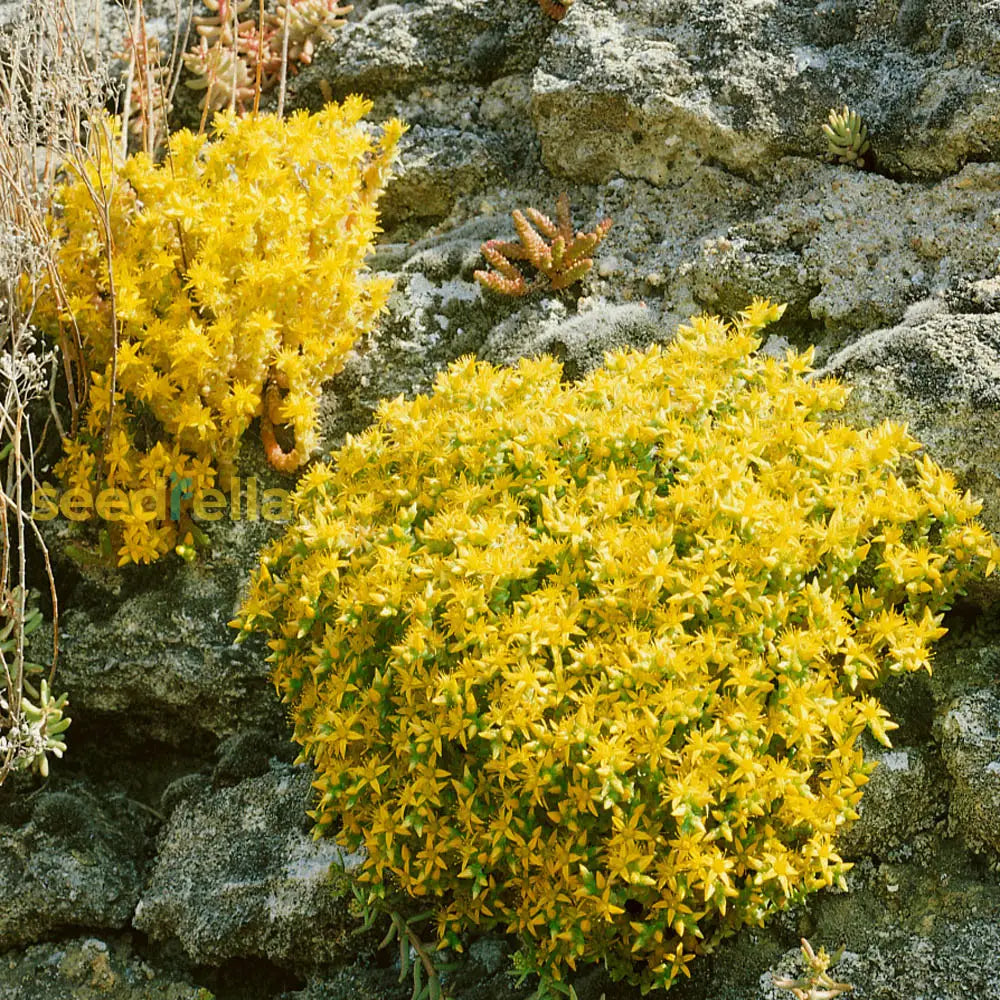
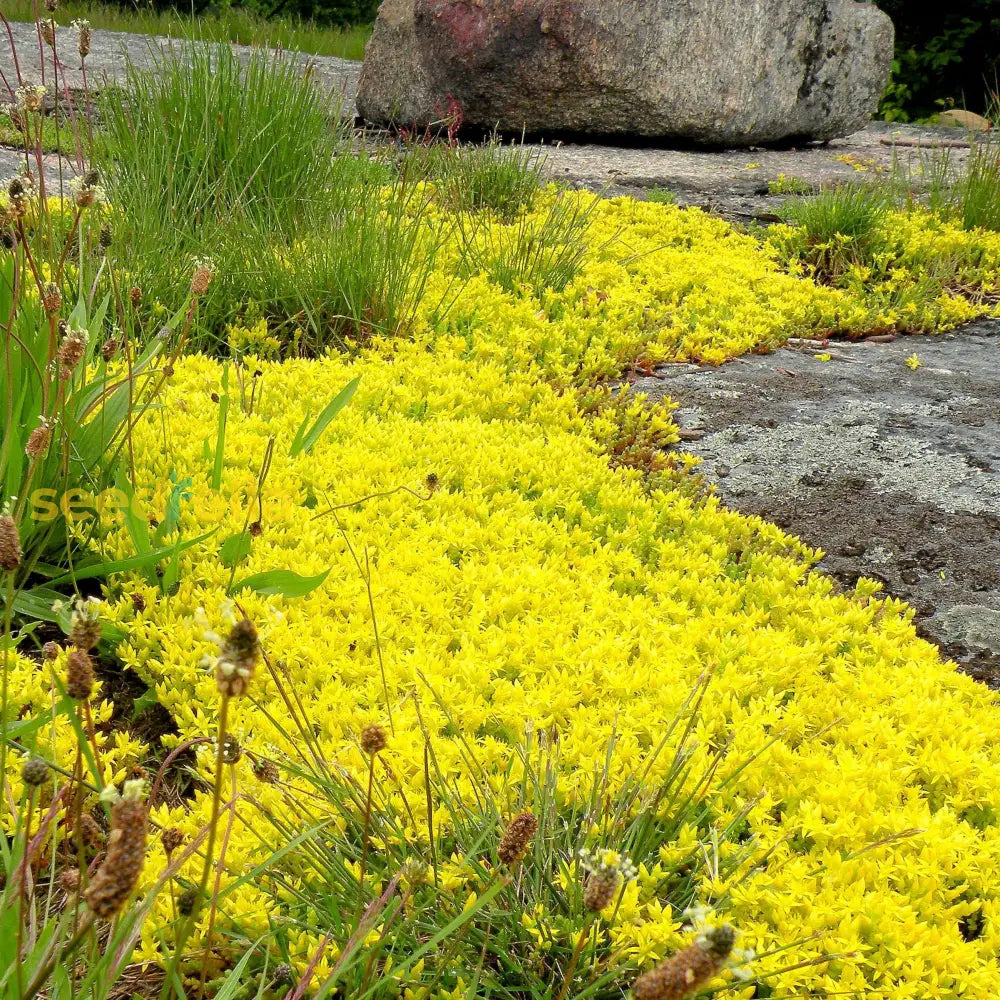
Sedum brings wonderful texture to the landscape, combining fleshy foliage with clusters of tiny, star-shaped flowers. From low-growing carpets spilling across stones to upright forms rising through perennial borders, these versatile plants create a relaxed and naturally beautiful garden display.
Sedum Seeds from Evergrow Seeds are available at evergrowseeds.com for US home gardeners interested in ornamental stonecrops. The broad group commonly sold as Sedum includes many species with different sizes, foliage colors, flowering habits, and climate preferences.
Browse Our Sedum Seeds
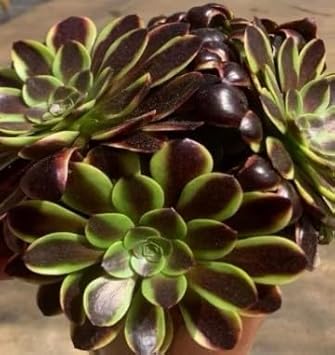
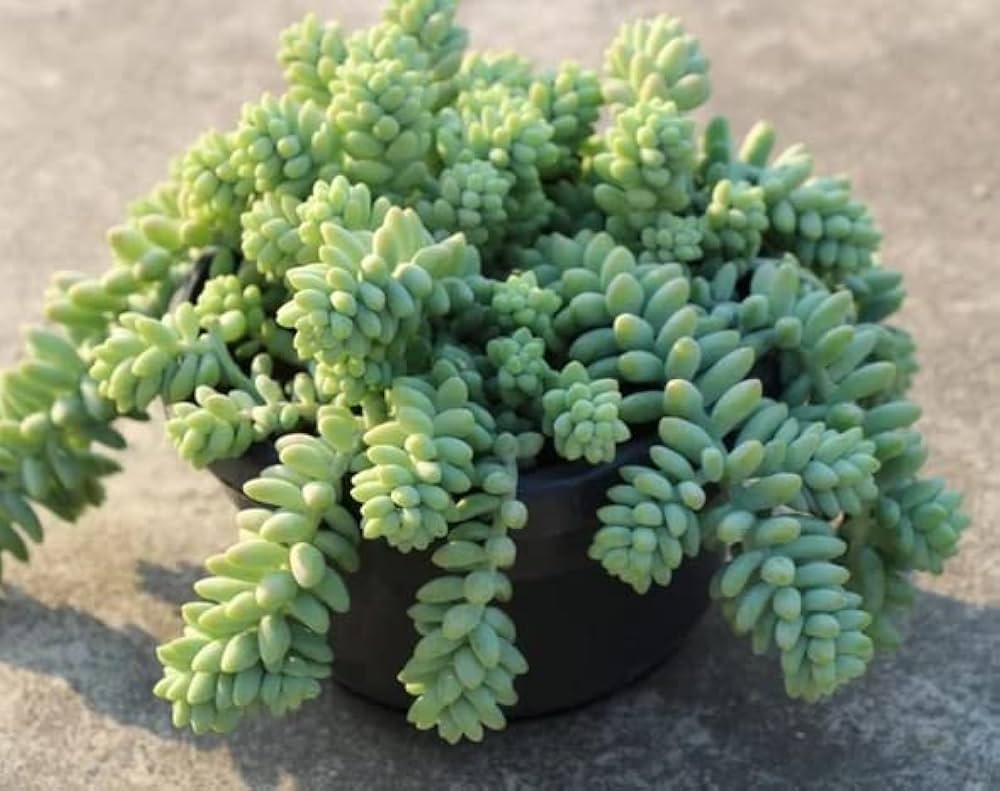
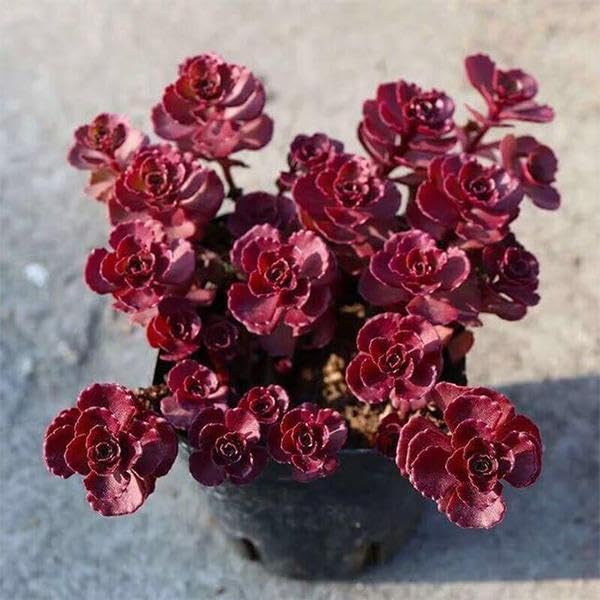
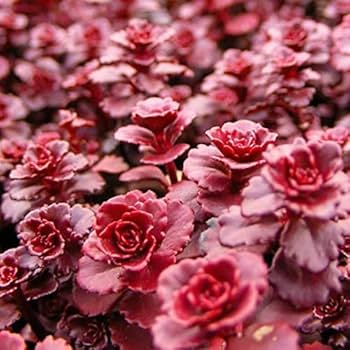
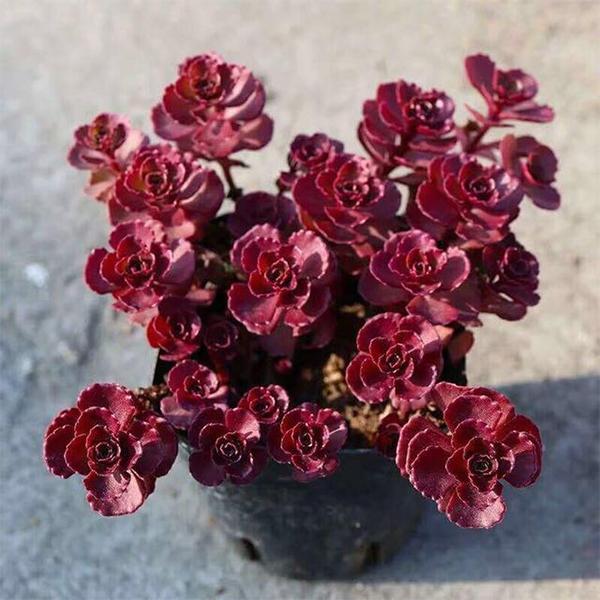
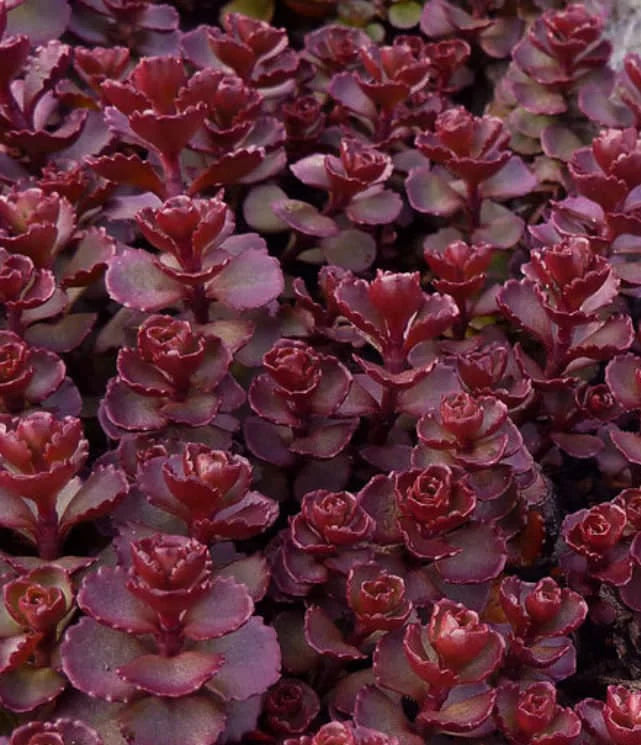
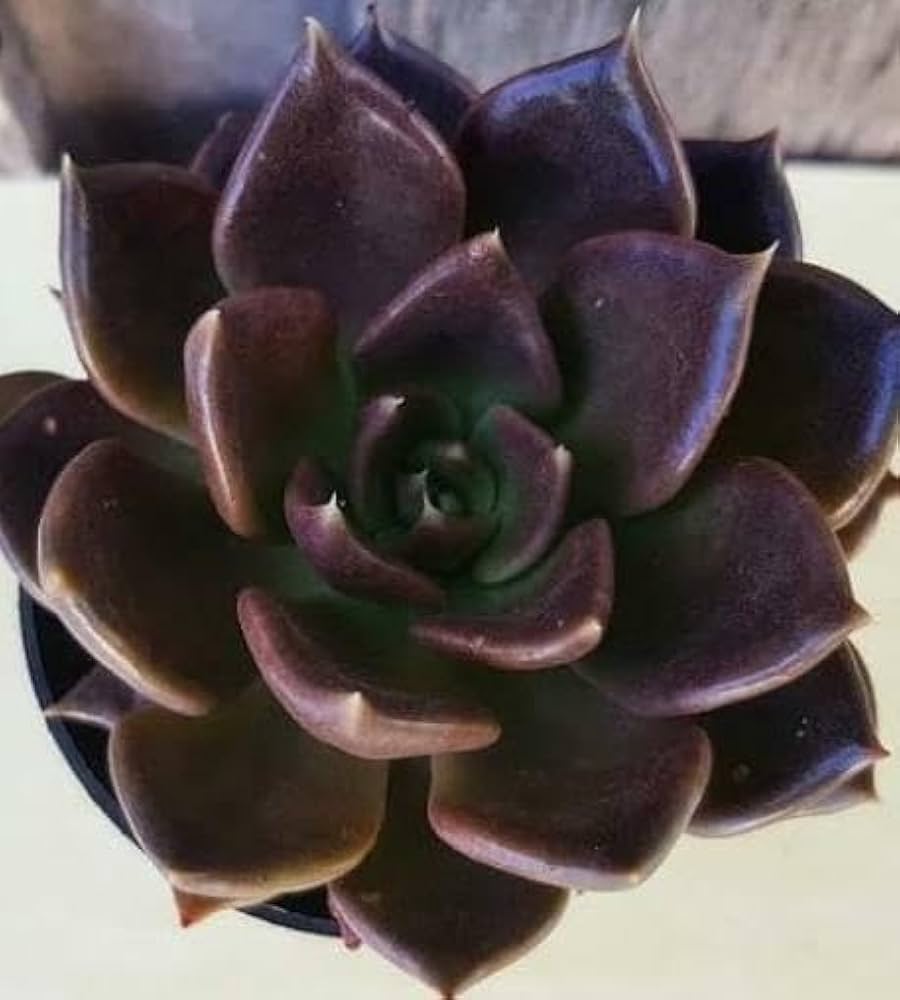
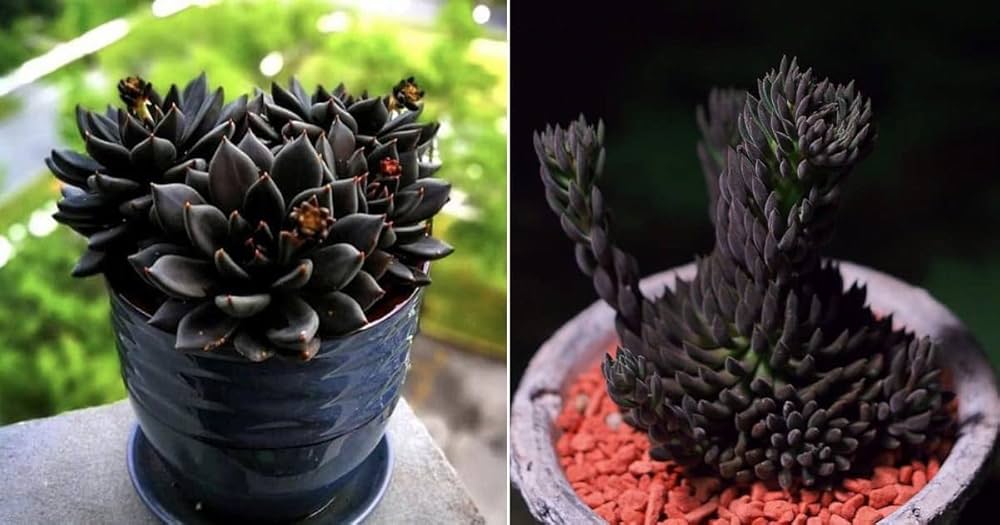
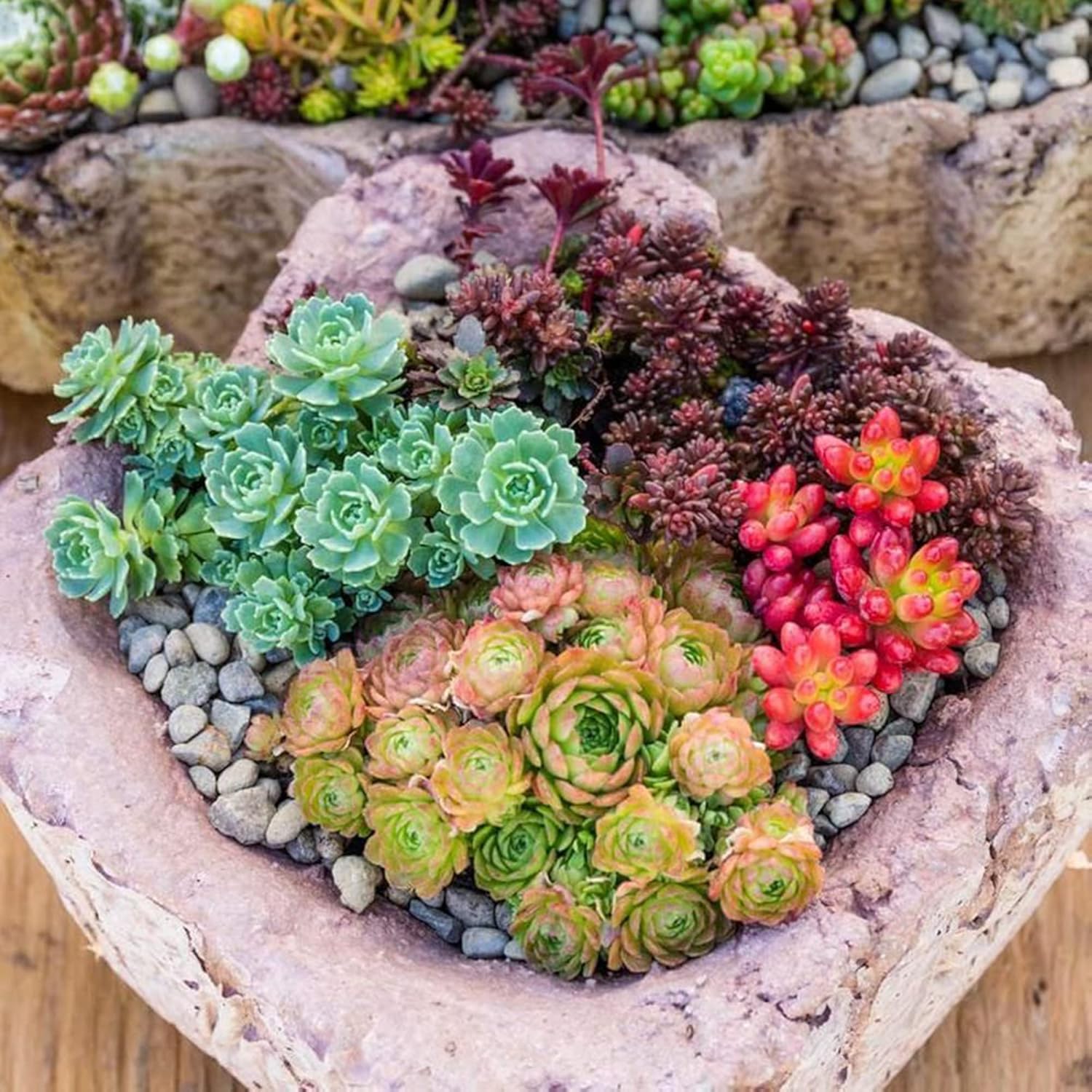
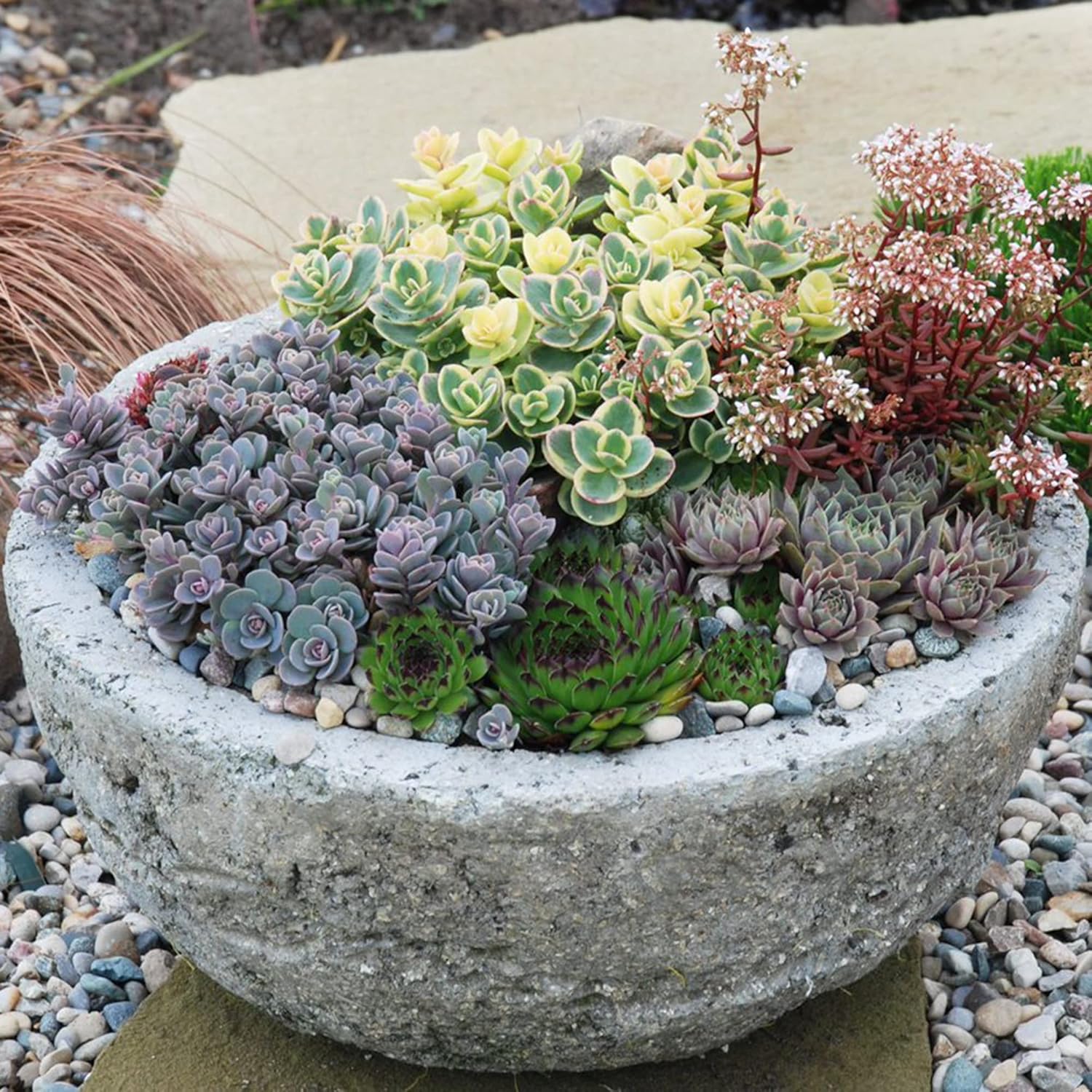
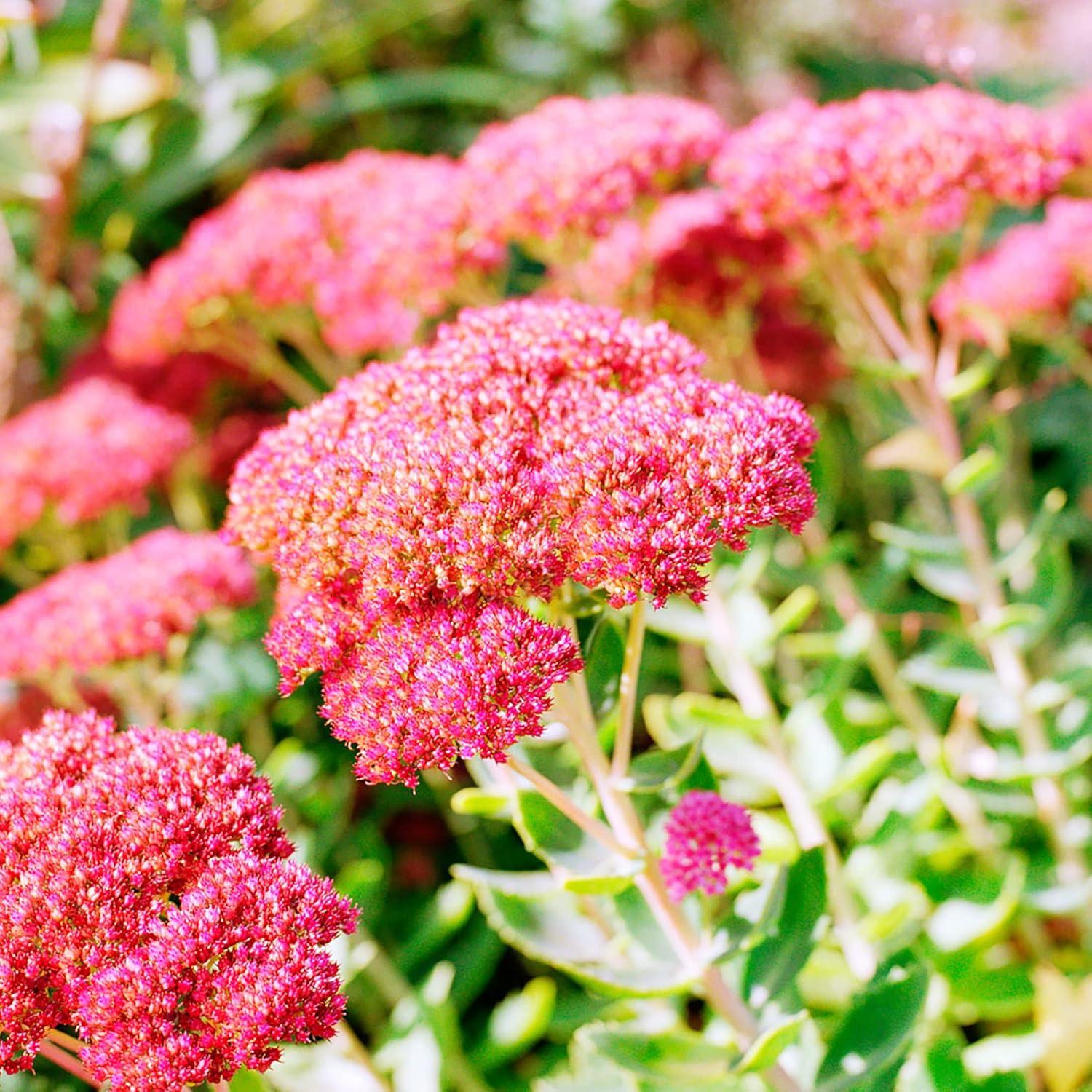
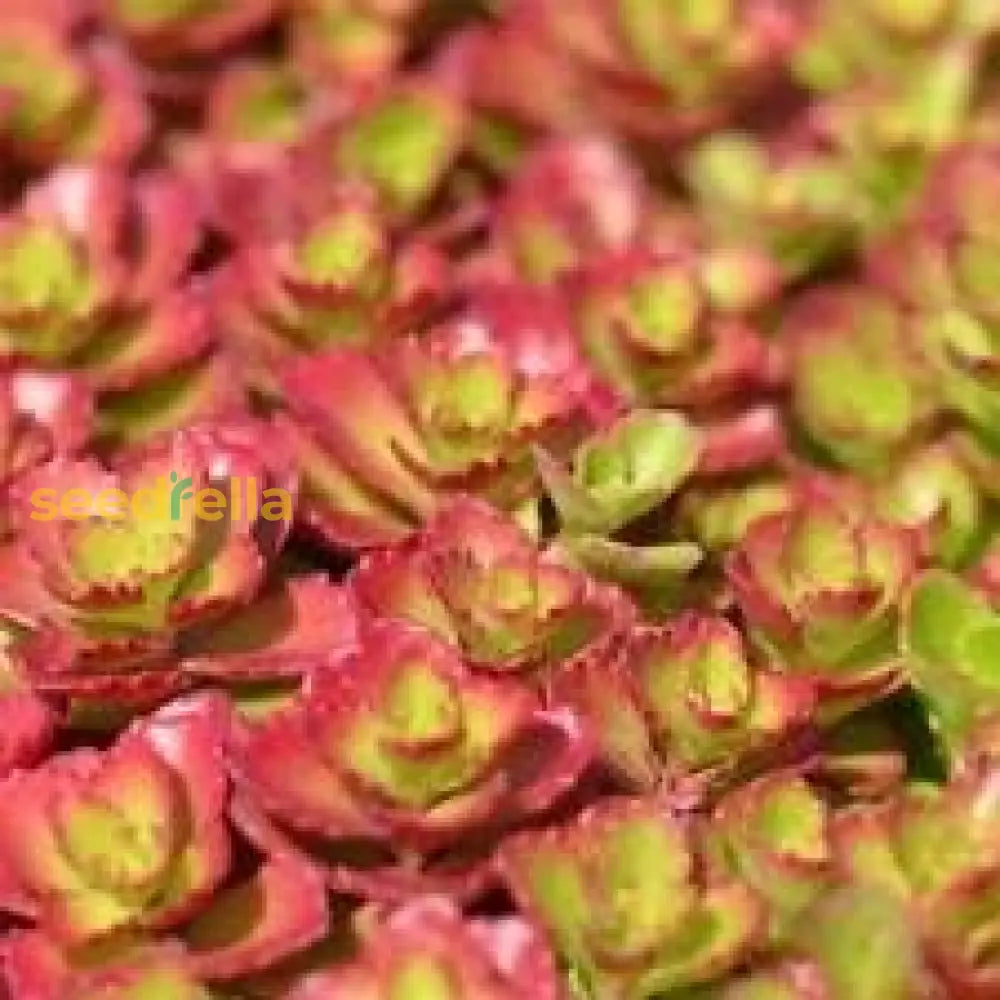
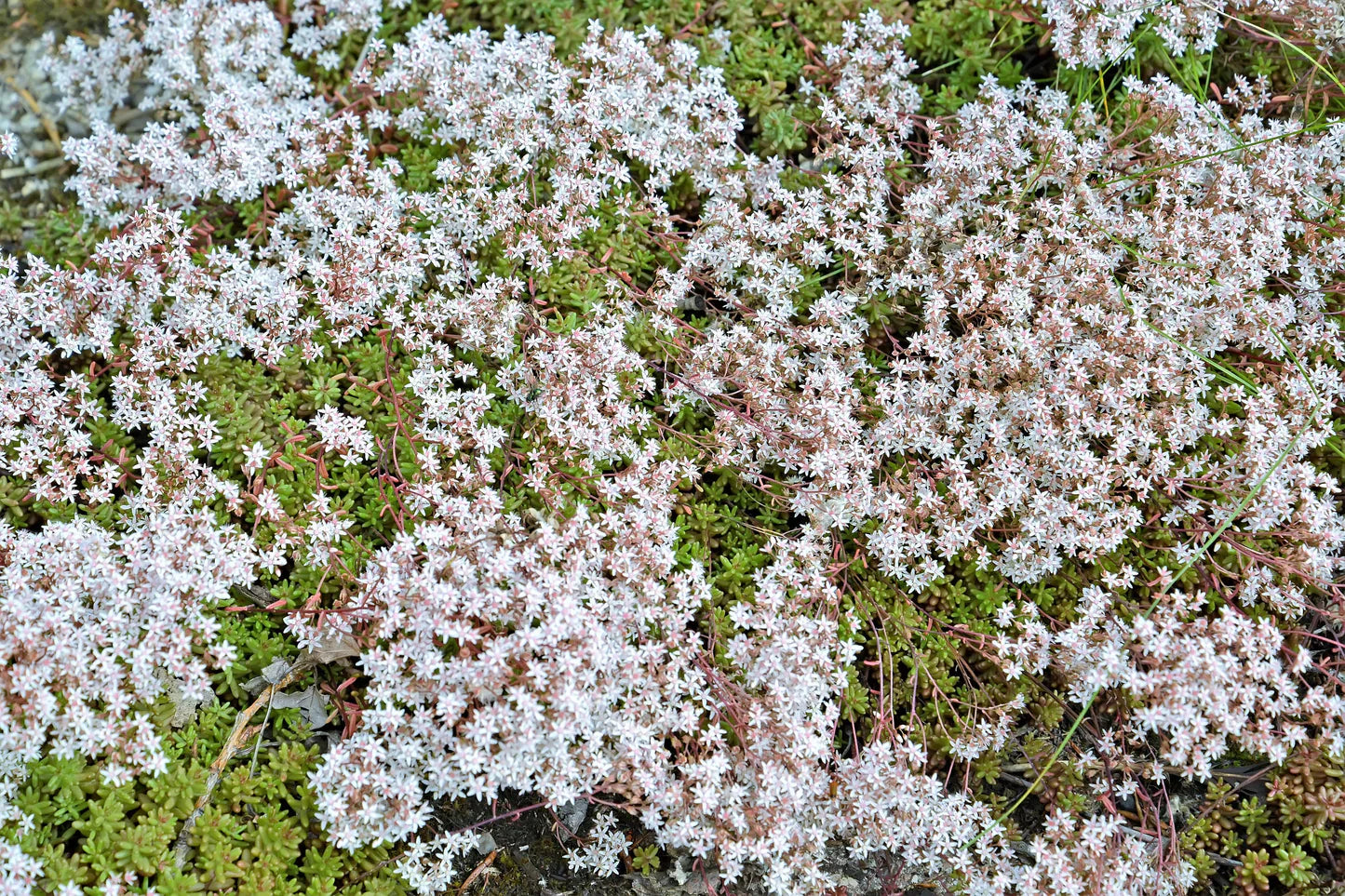
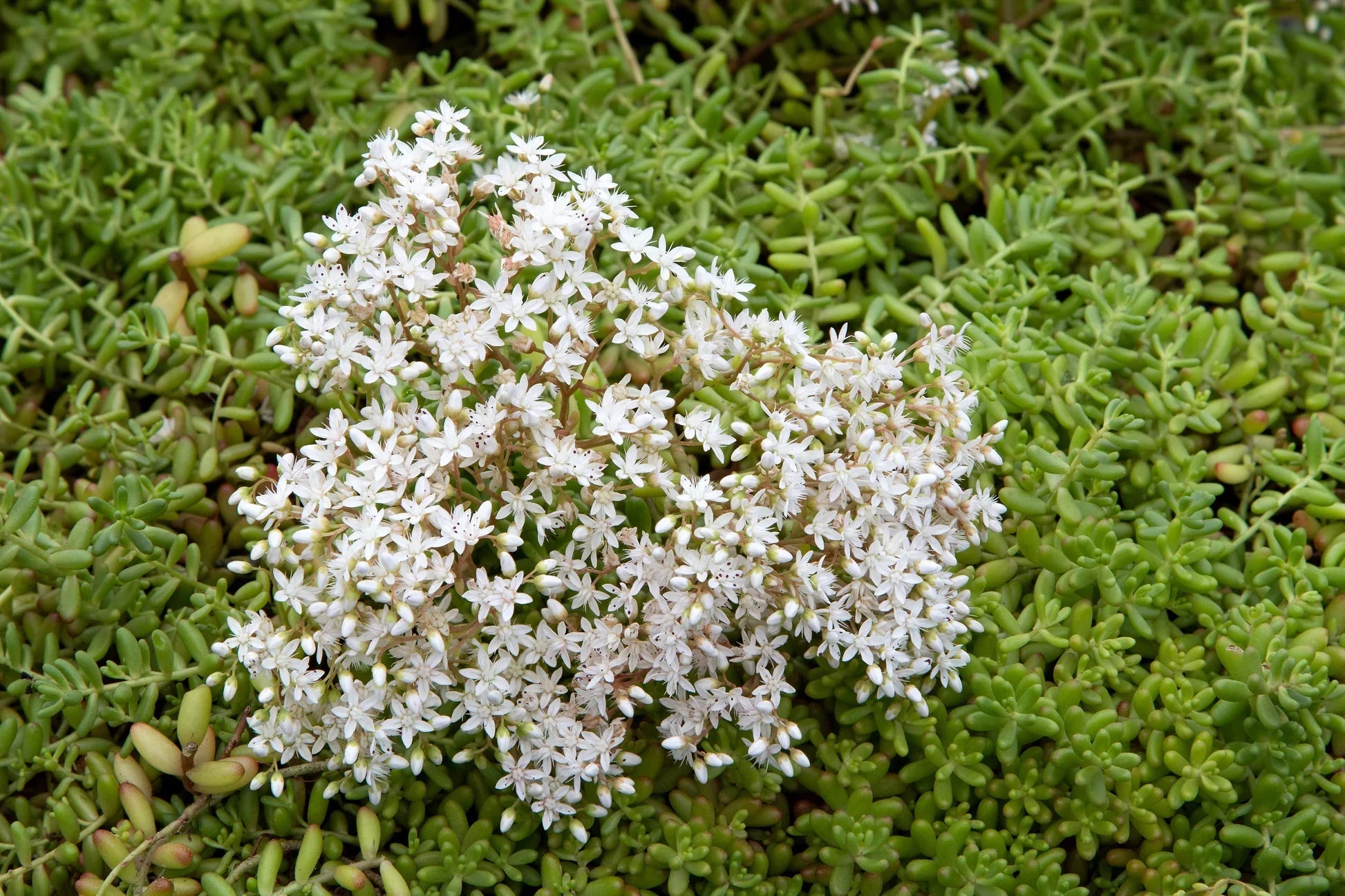
Depending on species and variety, Sedum foliage may appear in shades of green, blue-green, gray-green, golden yellow, bronze, burgundy, or reddish tones. Flowers may be white, yellow, pink, rose, red, or creamy white.
Low-growing varieties work beautifully in rock gardens, pathway edges, and between stones, while taller forms add structure to cottage borders and pollinator-friendly perennial beds.
Plant Care Insights
Sunlight: Most Sedum varieties perform best in full sun.
Soil: Choose gritty, well-drained soil and avoid persistently wet conditions.
Watering: Water moderately during establishment; many established types tolerate dry periods.
Companion Plants: Pair with lavender, thyme, dianthus, and compatible rock-garden plants.
Maintenance: Remove declining stems and divide crowded perennial clumps when necessary.
Frequently Asked Questions
Can Sedum grow across different US climates?
Many Sedum species adapt well to temperate regions across the United States.
Cold and heat tolerance vary considerably according to the species.
How large can mature Sedum plants become?
Sedums range from tiny groundcovers to substantially taller upright perennial plants.
Final height and spread depend on species and growing conditions.
When does Sedum typically produce flowers?
Flowering can occur from spring through fall depending on the species.
Many upright stonecrops provide particularly attractive late-season flower clusters.
Is Sedum suitable for dry garden areas?
Many established Sedum species tolerate relatively dry conditions remarkably well.
Good drainage remains especially important for maintaining healthy plants.
Shop By Category