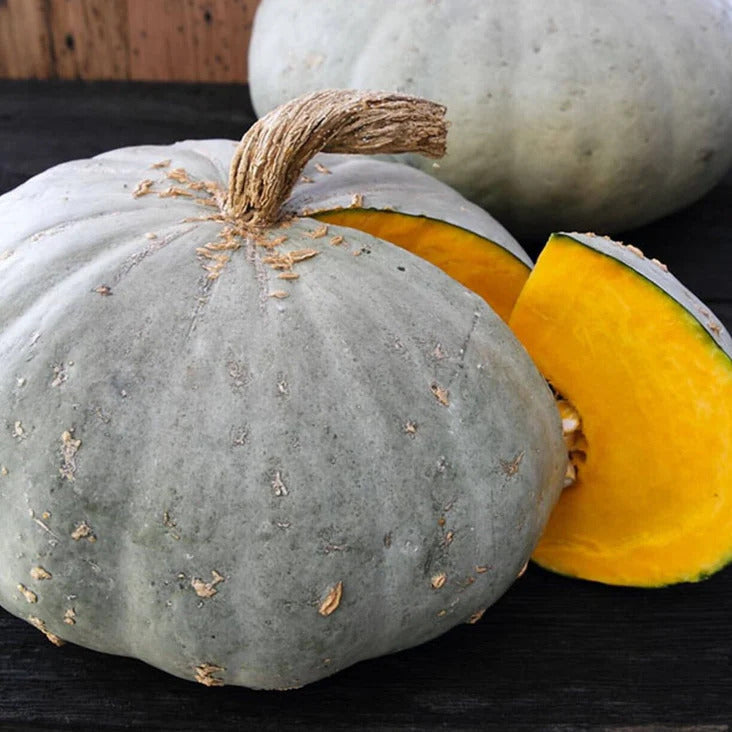
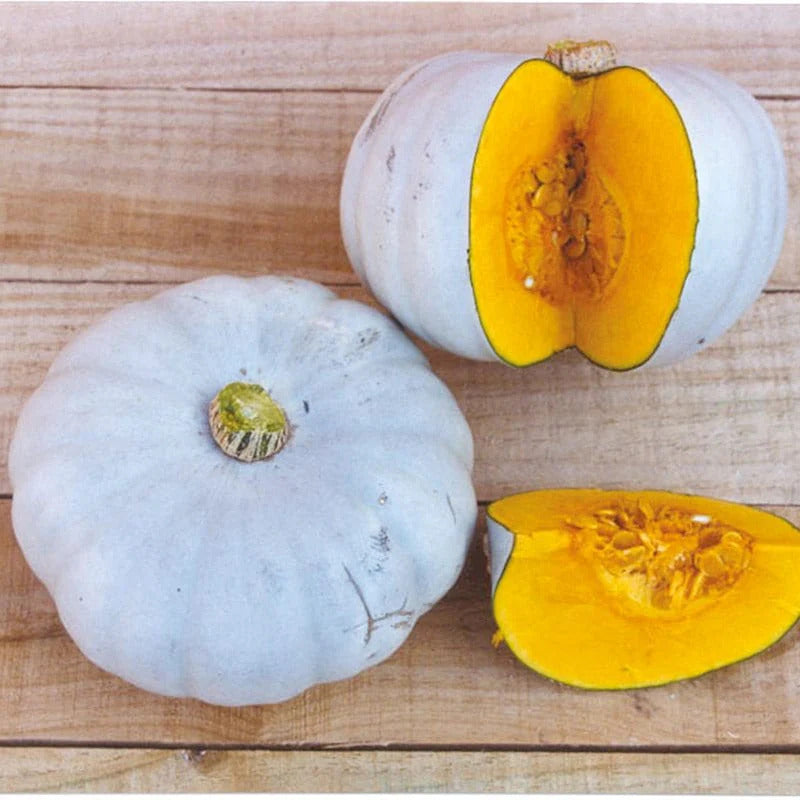
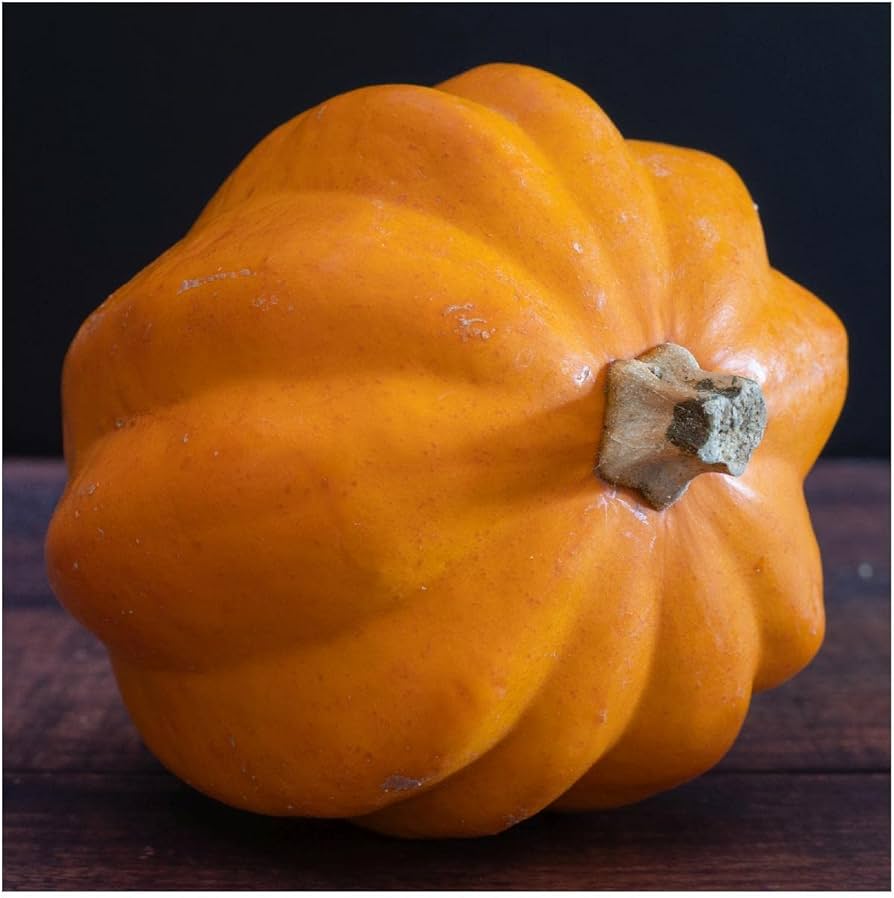
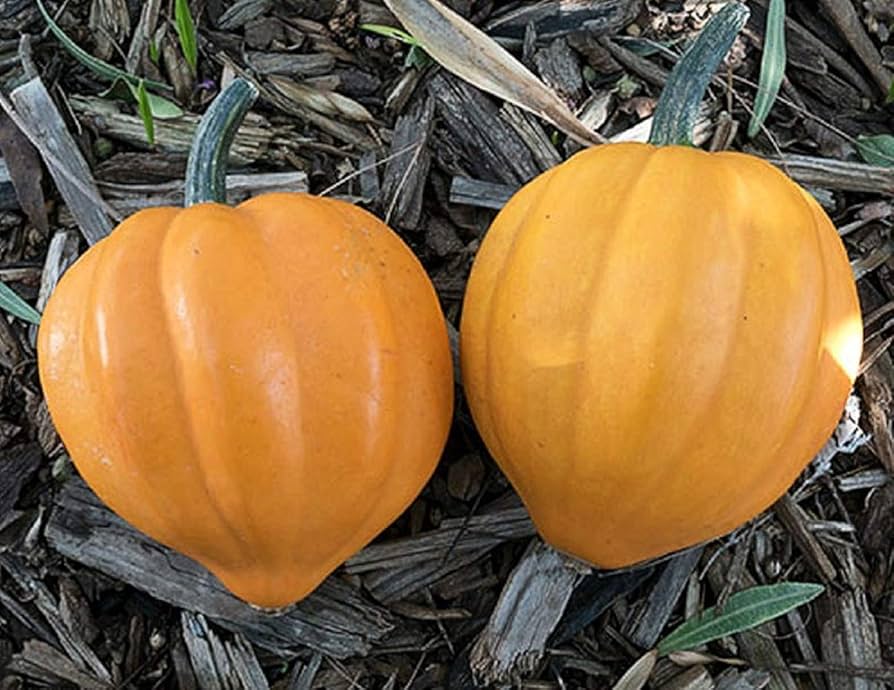

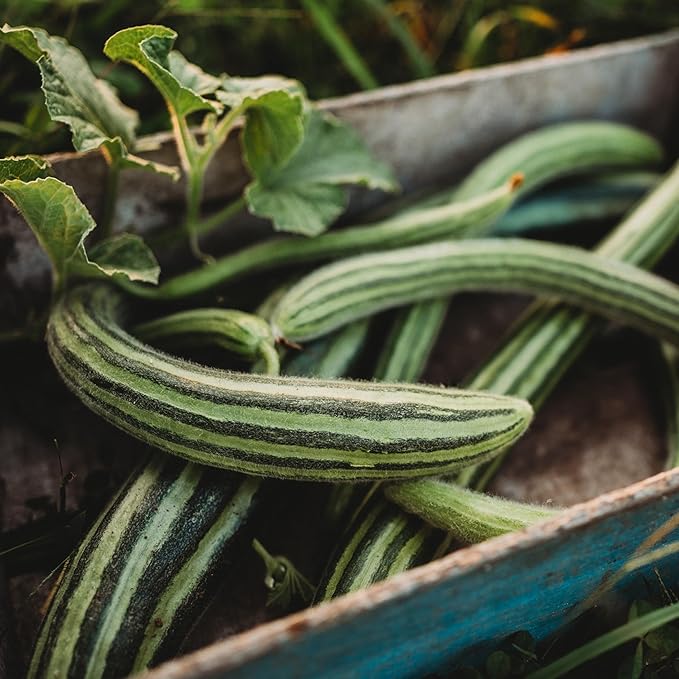
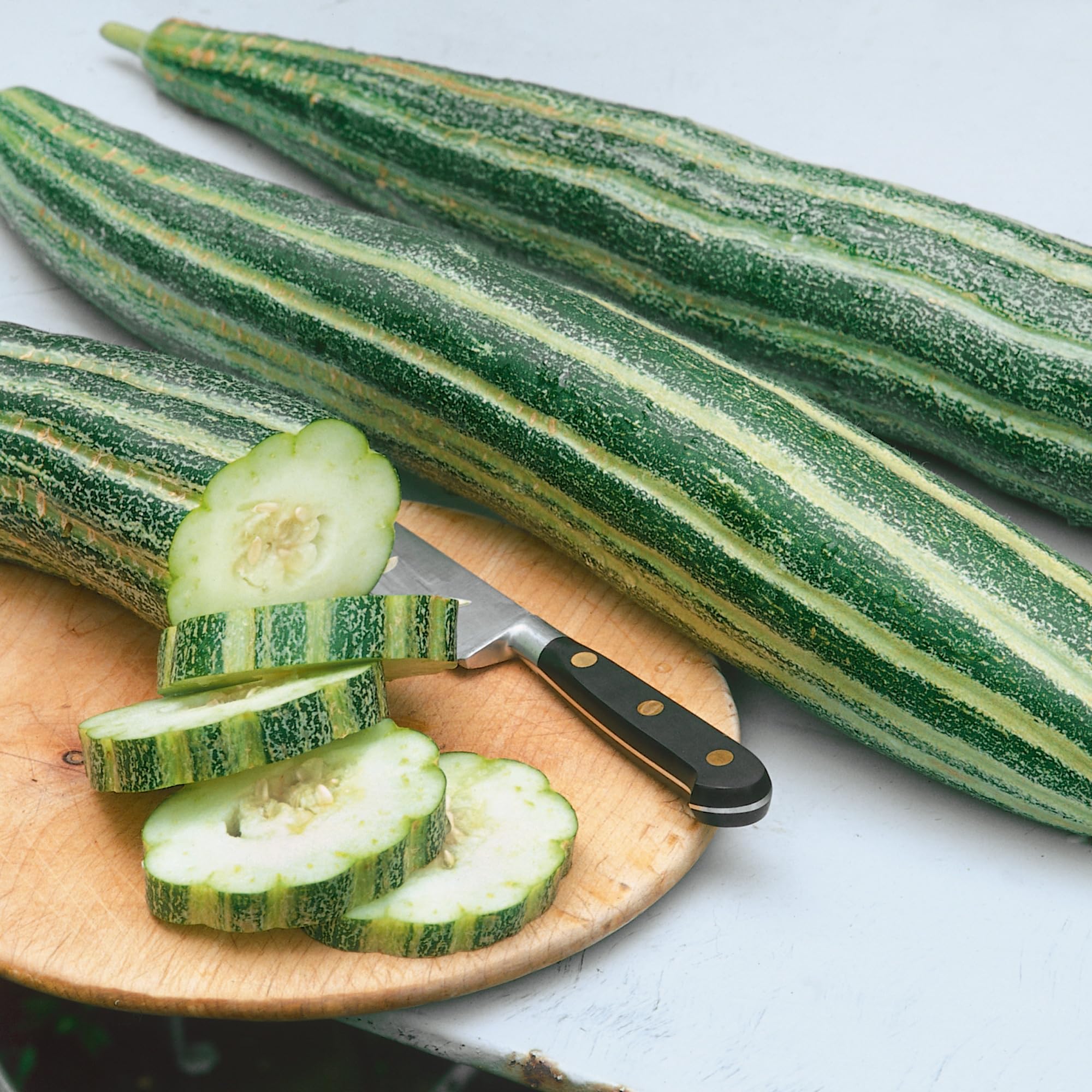
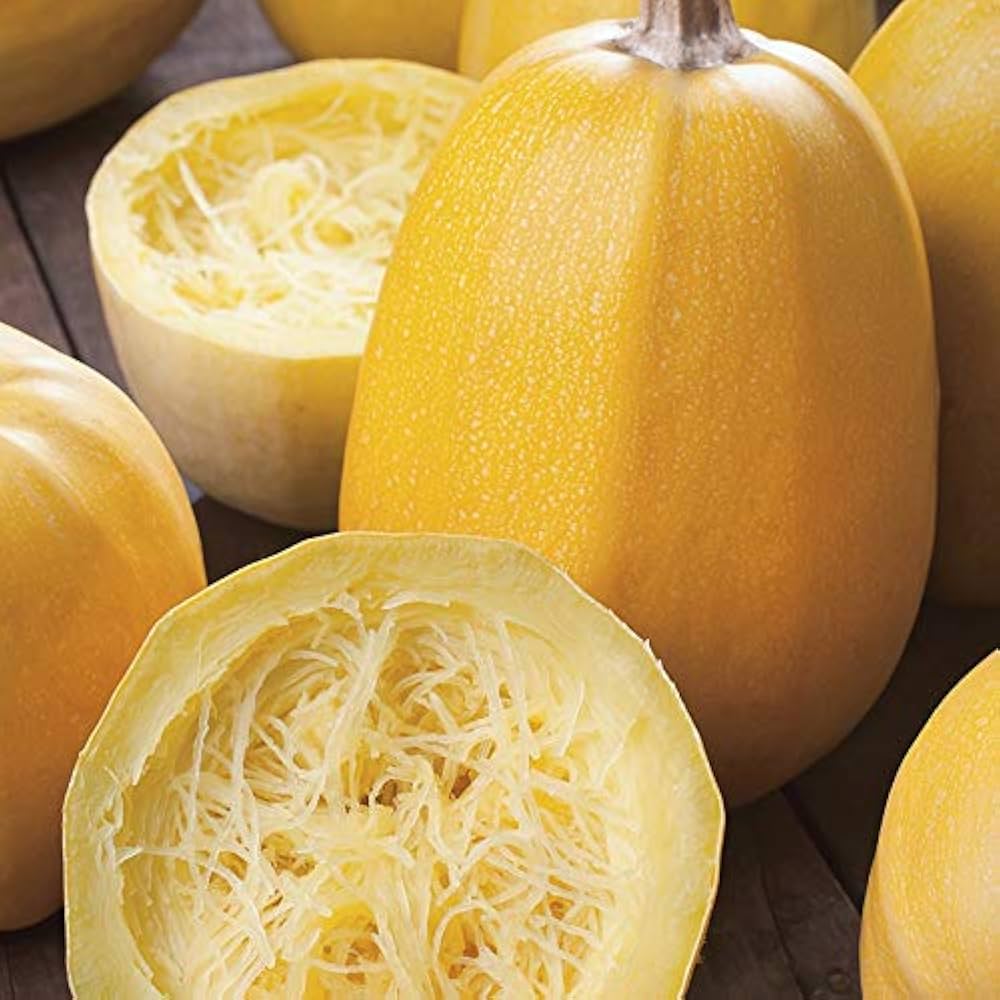
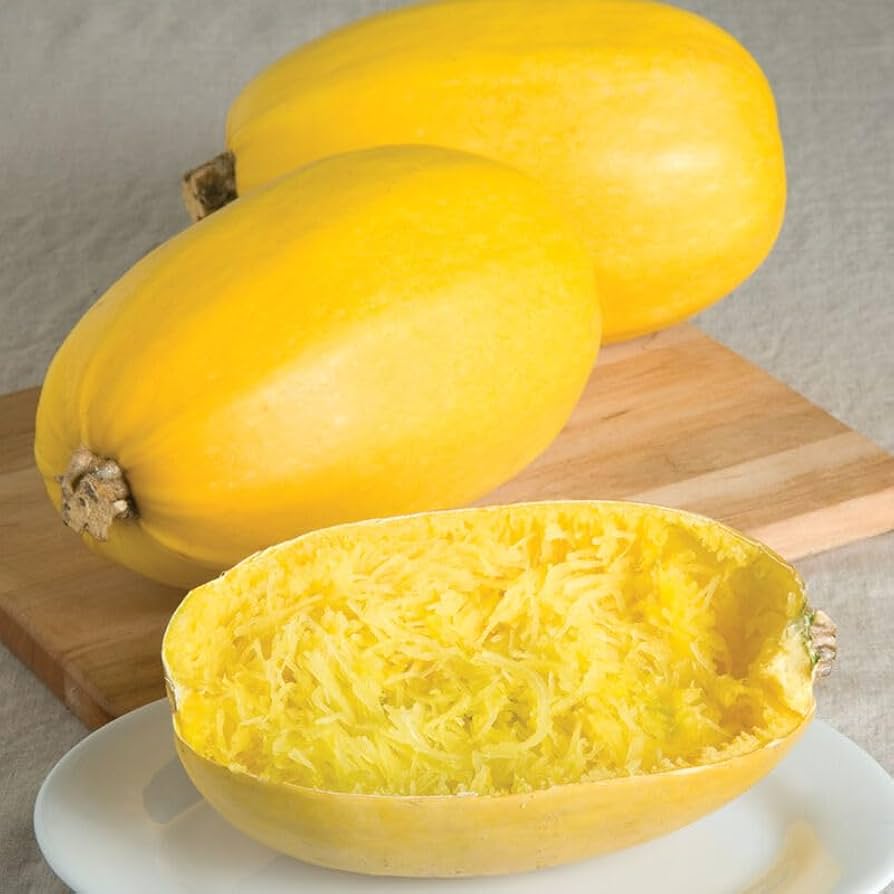

Squash, Cucumber & Gourd Seeds for Planting – Grow a Vibrant and Productive Garden
Few sights capture the abundance of a summer vegetable garden like vigorous vines weaving through beds and trellises, followed by crisp cucumbers, colorful squash, and wonderfully unusual gourds. These warm-season favorites bring productivity, variety, and classic kitchen-garden character to backyard growing spaces.
Squash, Cucumber & Gourd Seeds from Evergrow Seeds are available at evergrowseeds.com for US home gardeners looking to grow diverse members of the cucurbit family.
Browse Our Squash, Cucumber & Gourd Seeds
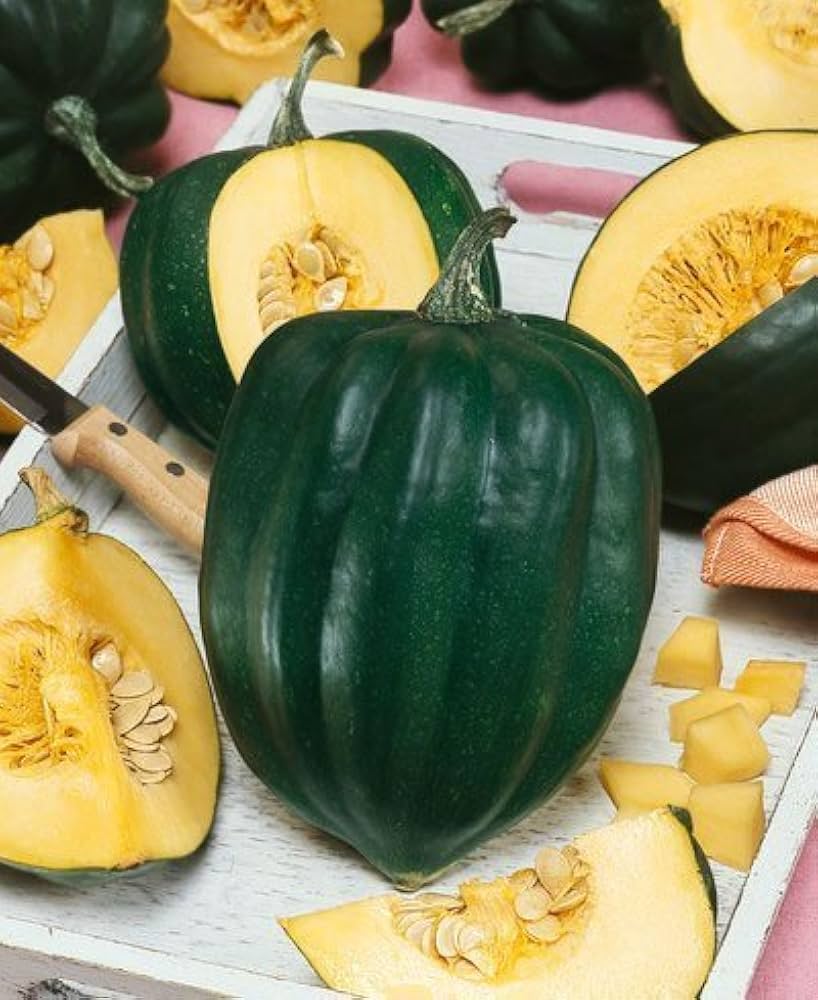
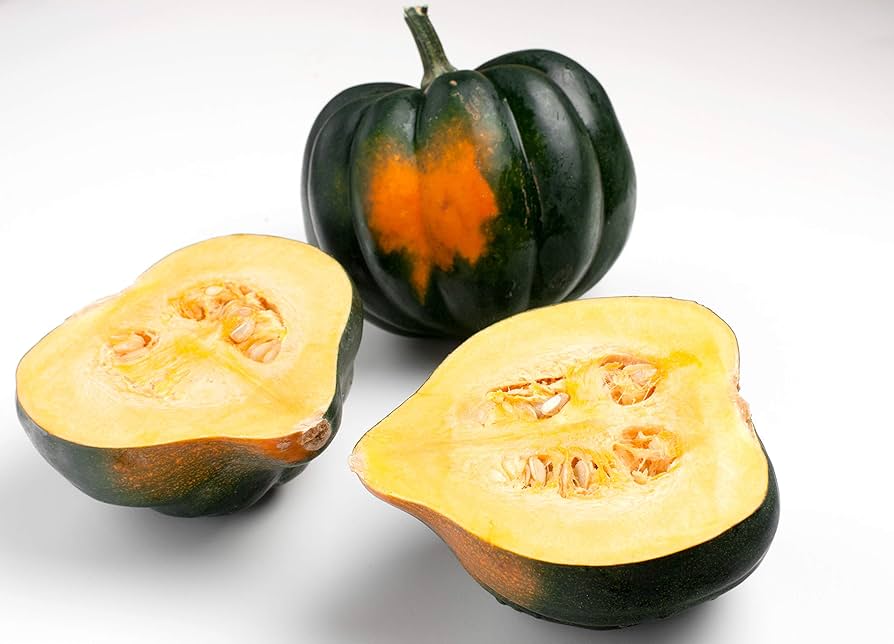
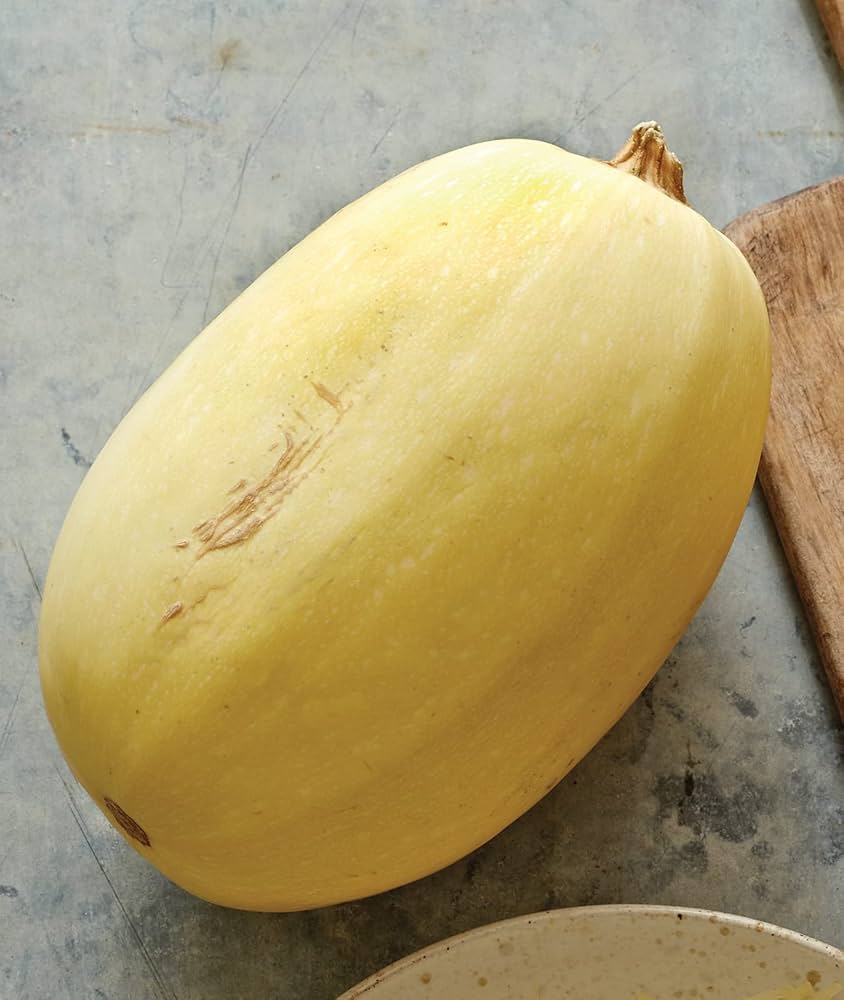
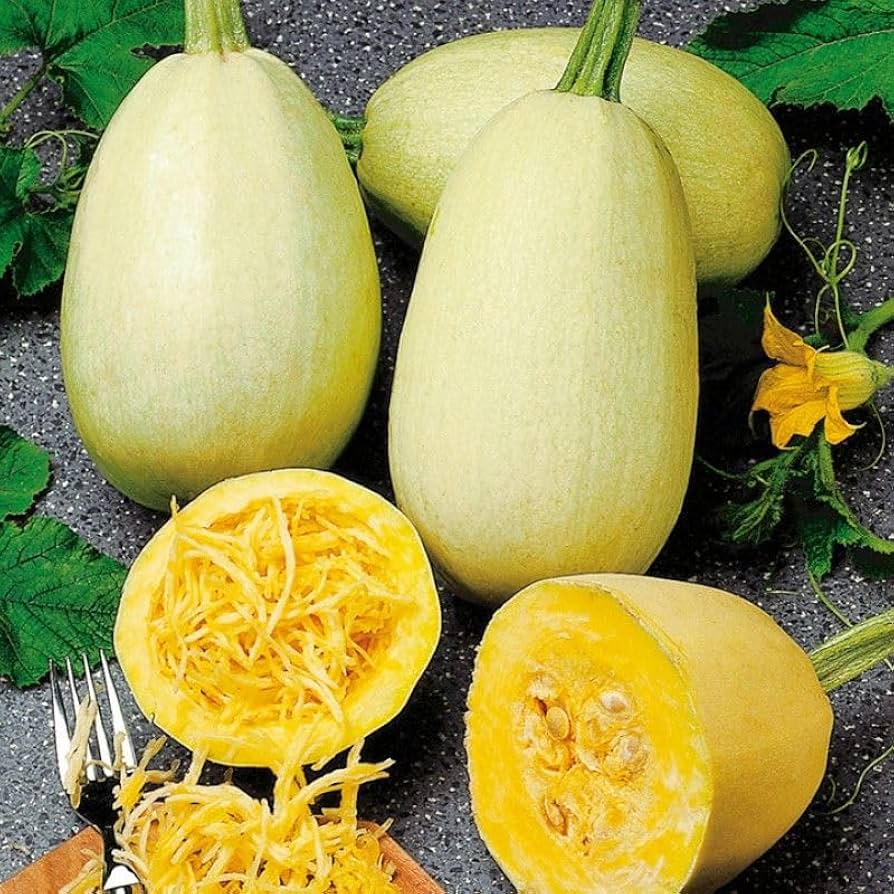
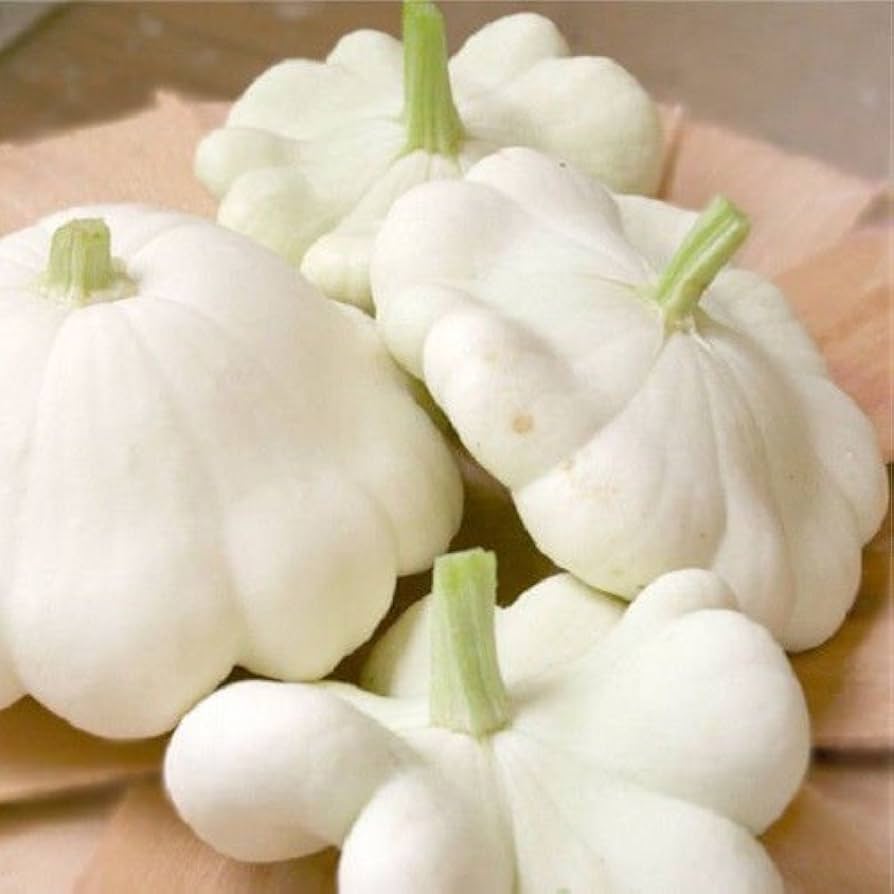
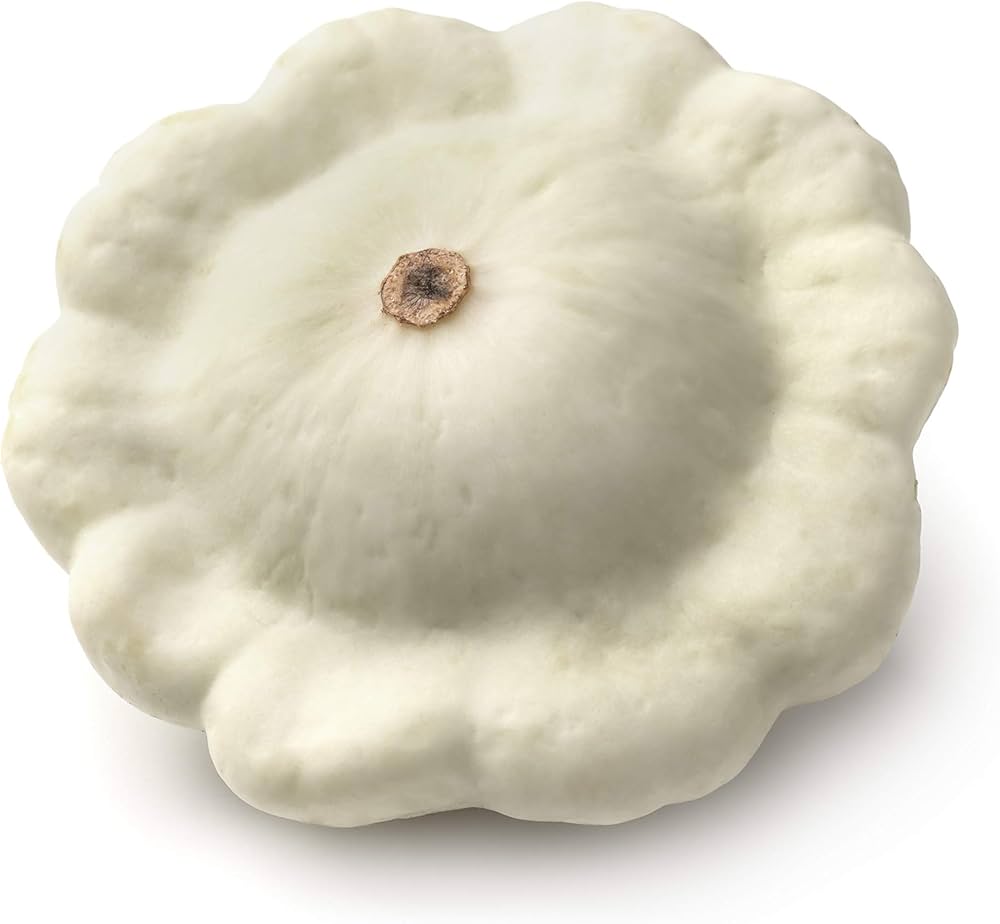
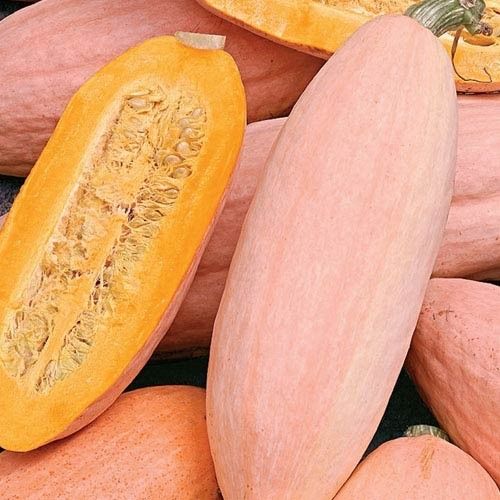
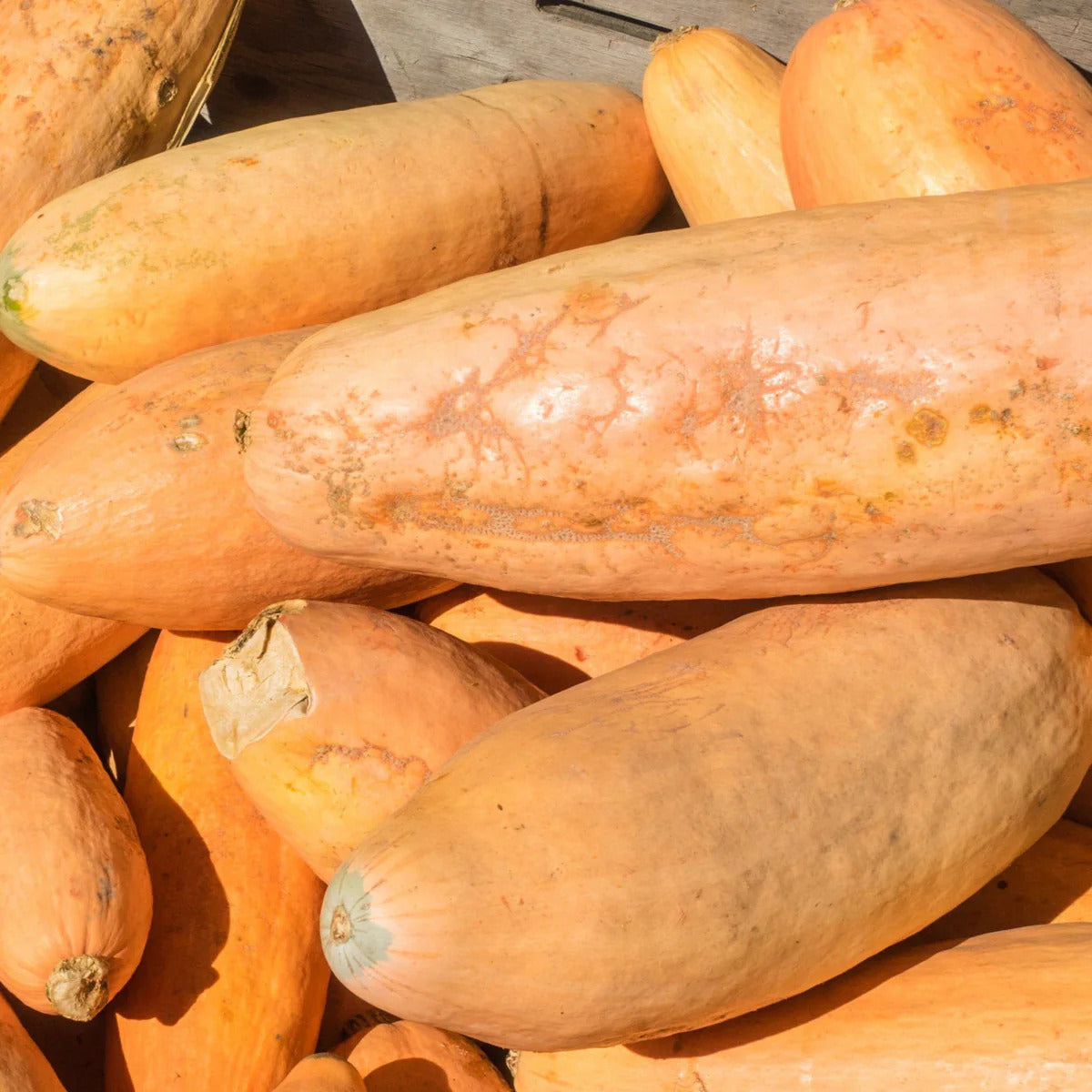
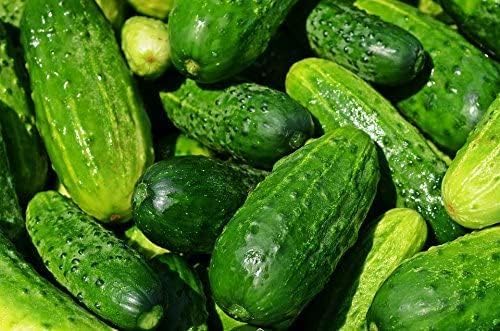
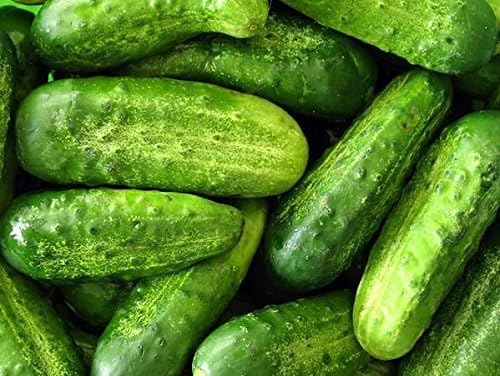
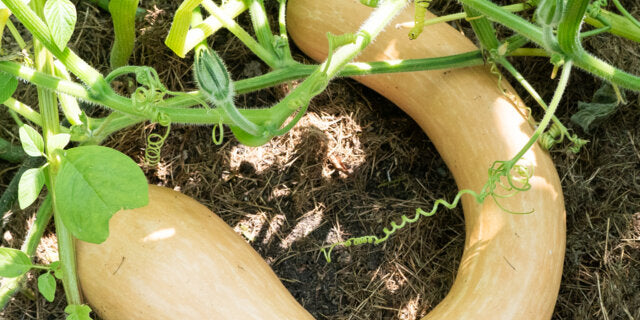
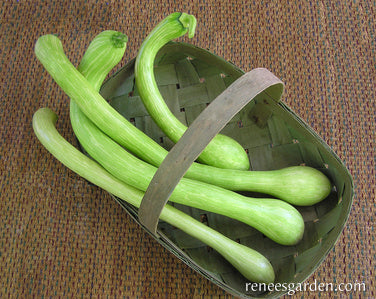
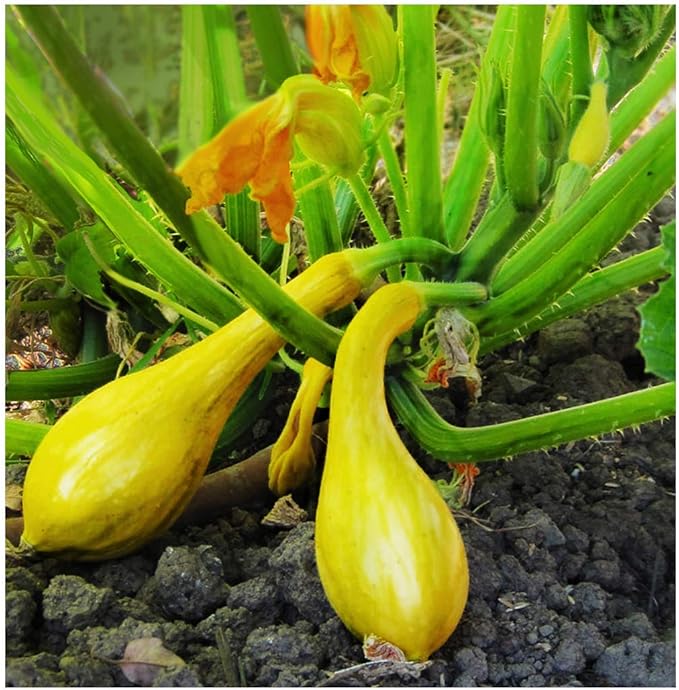
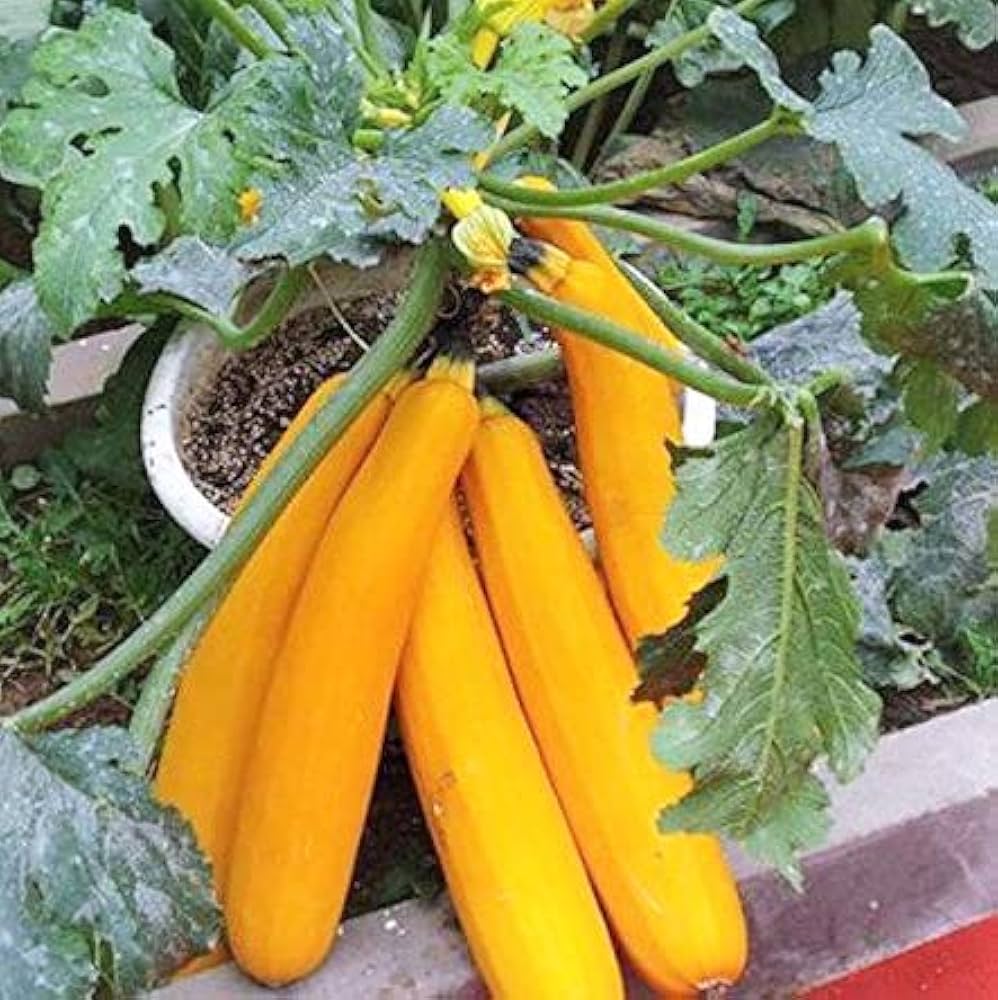
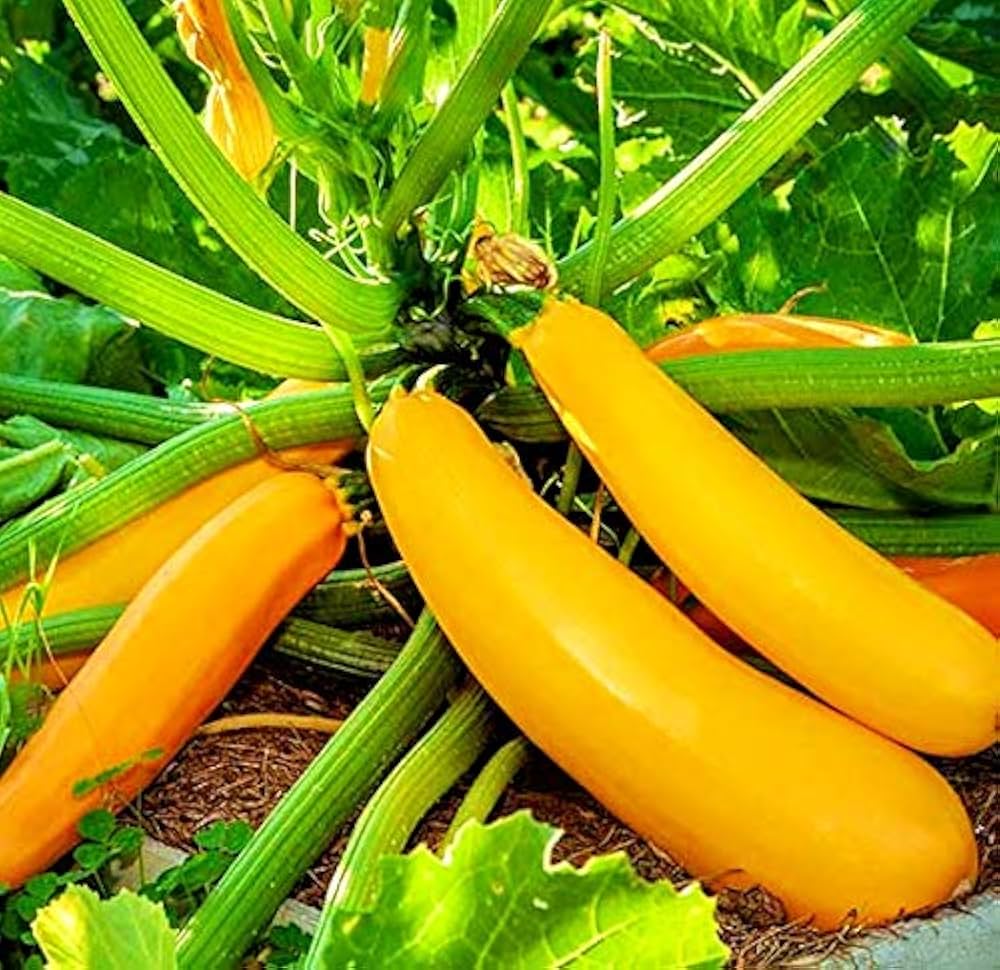
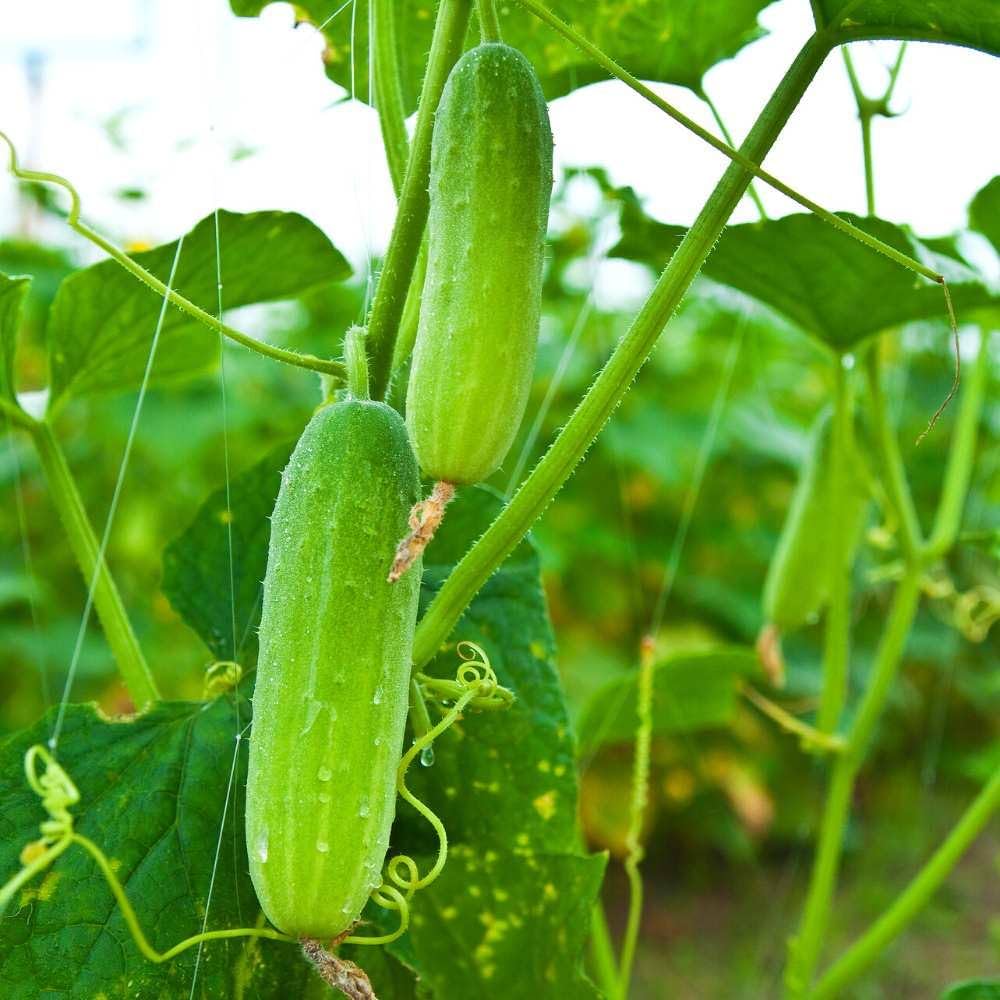
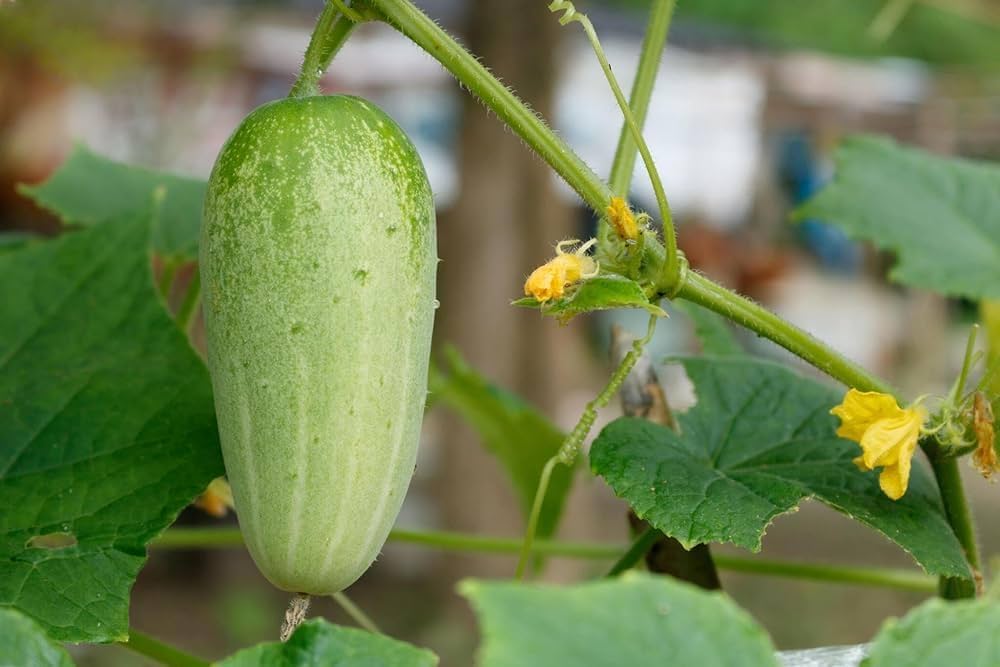
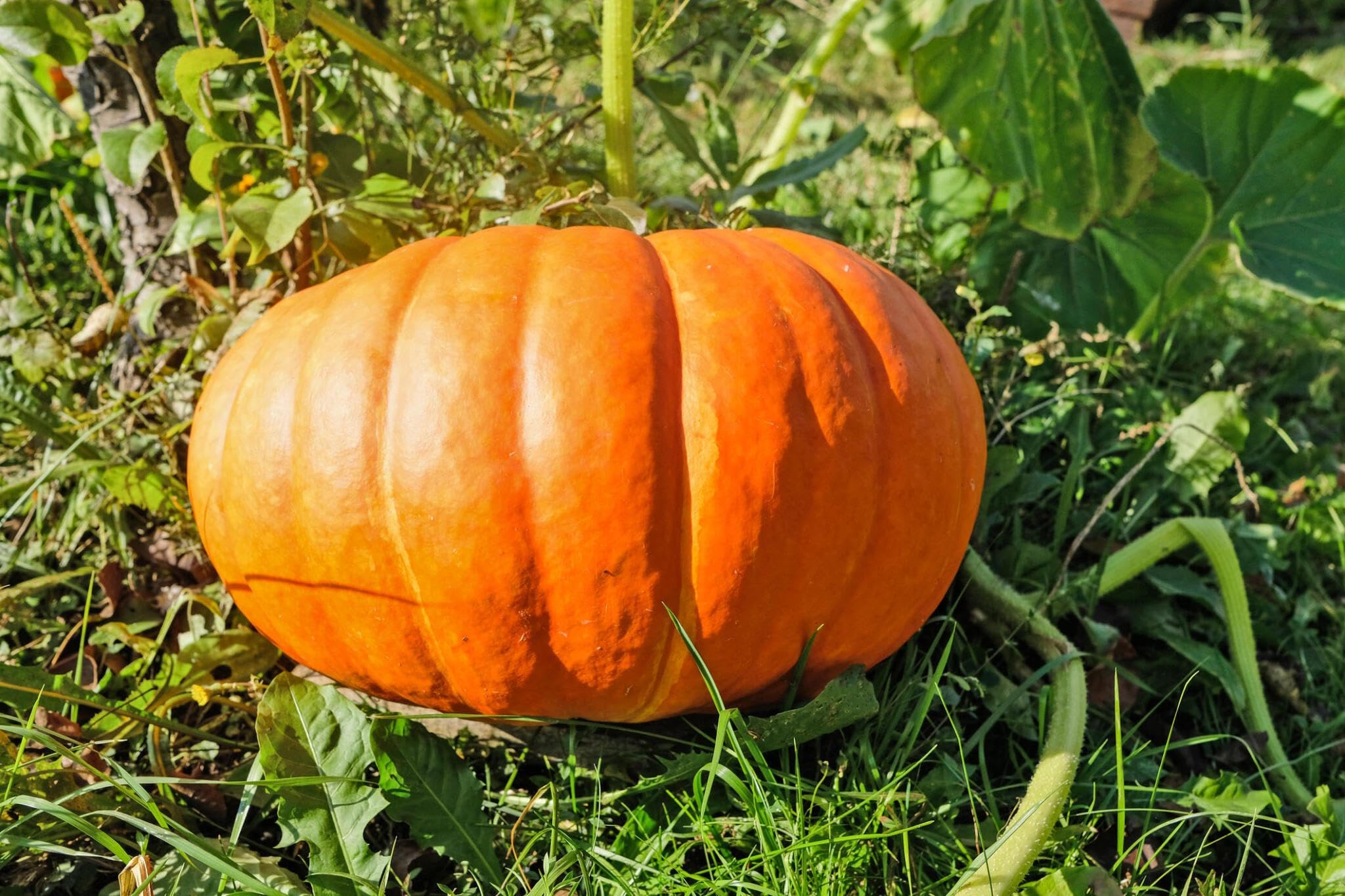
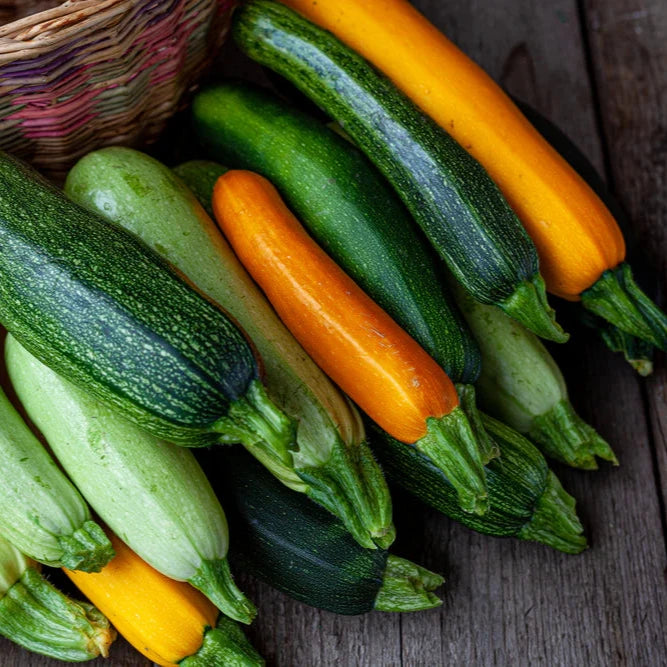
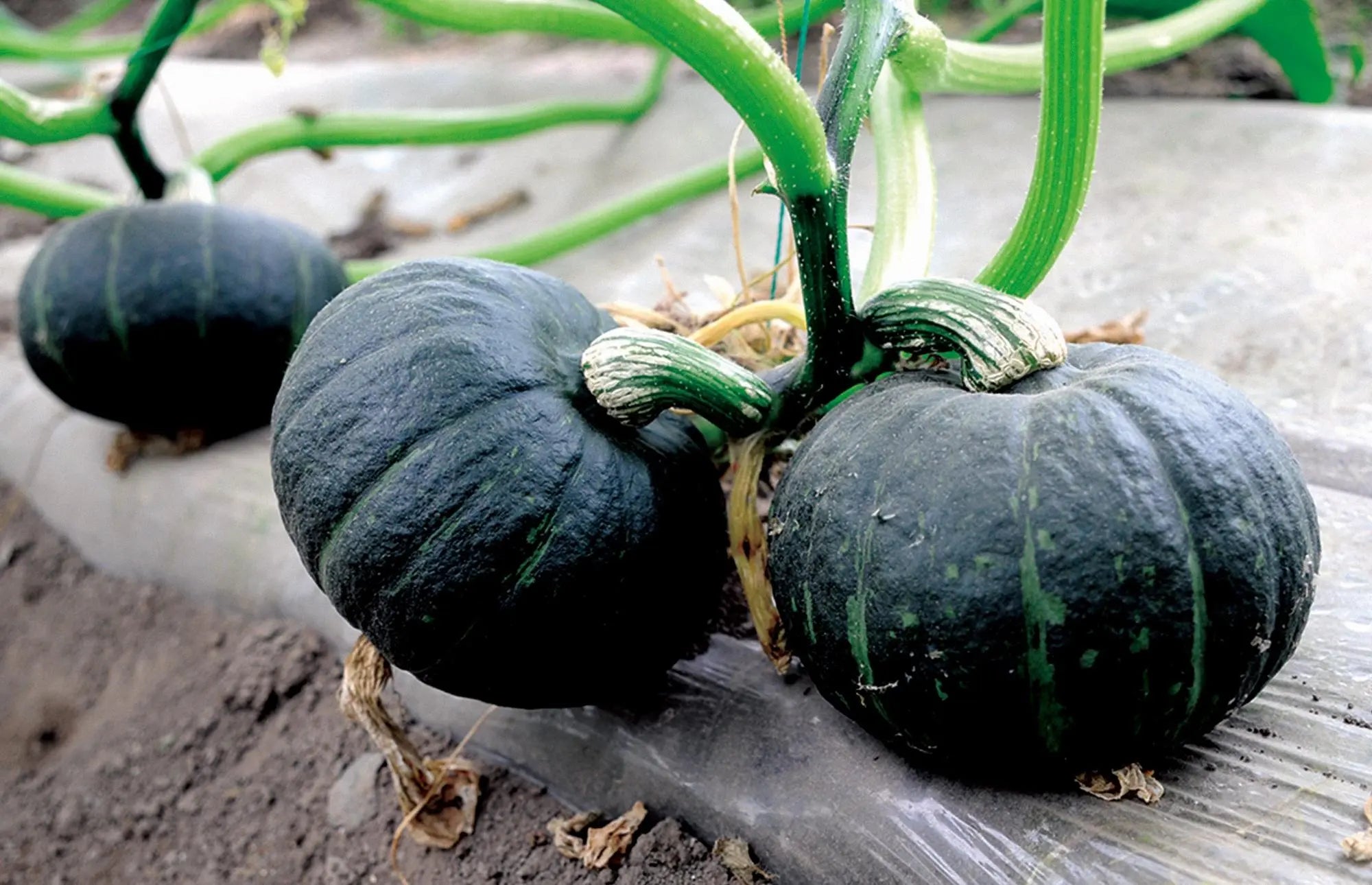
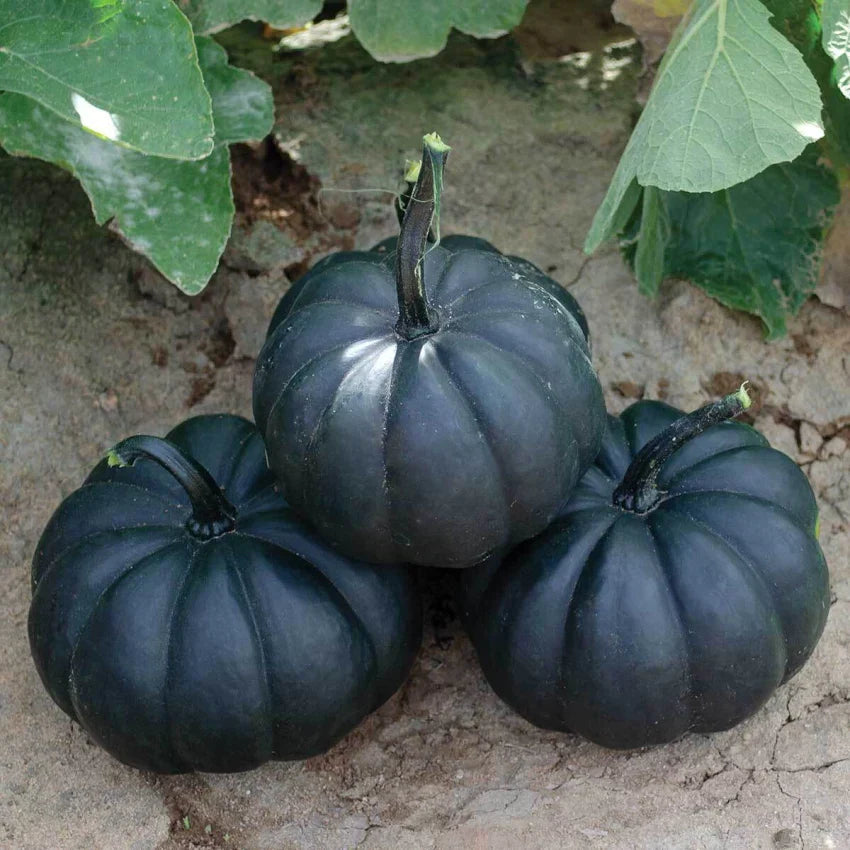
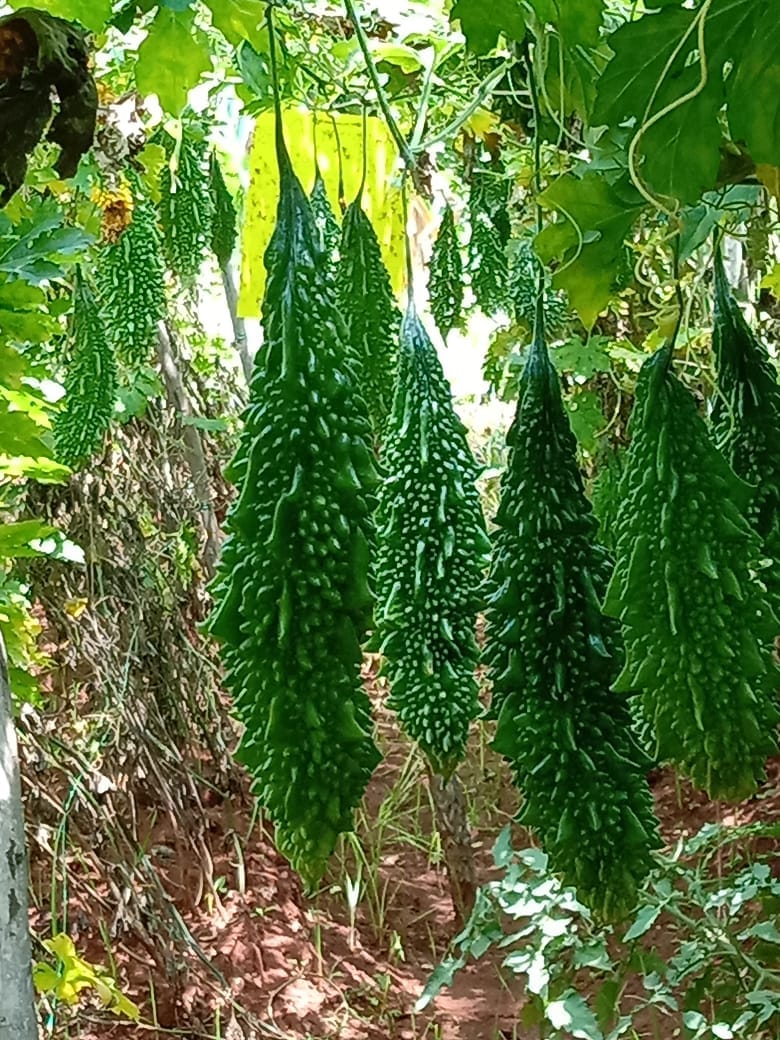
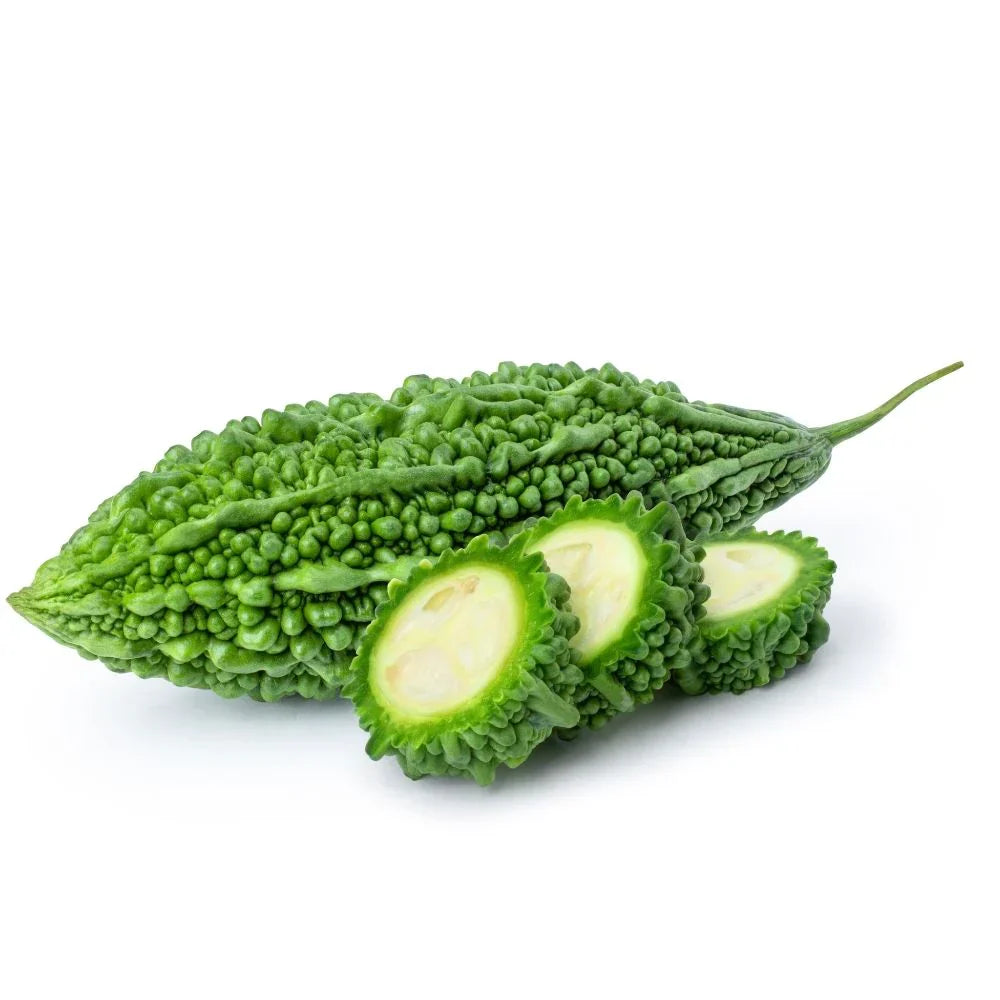
This collection can include summer squash, winter squash, zucchini, slicing cucumbers, pickling cucumbers, specialty cucumbers, edible gourds, bottle gourds, ornamental gourds, and other suitable varieties.
Growth habits range from compact bush forms to vigorous trailing and climbing vines, allowing gardeners to select varieties appropriate for their available space.
Plant Care Insights
Sunlight: Most squash, cucumbers, and gourds perform best in full sun.
Soil: Choose fertile, loose, well-drained soil rich in suitable organic matter.
Watering: Maintain consistent moisture, especially during flowering and fruit development.
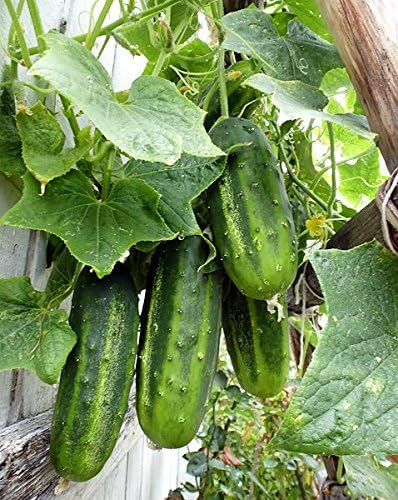
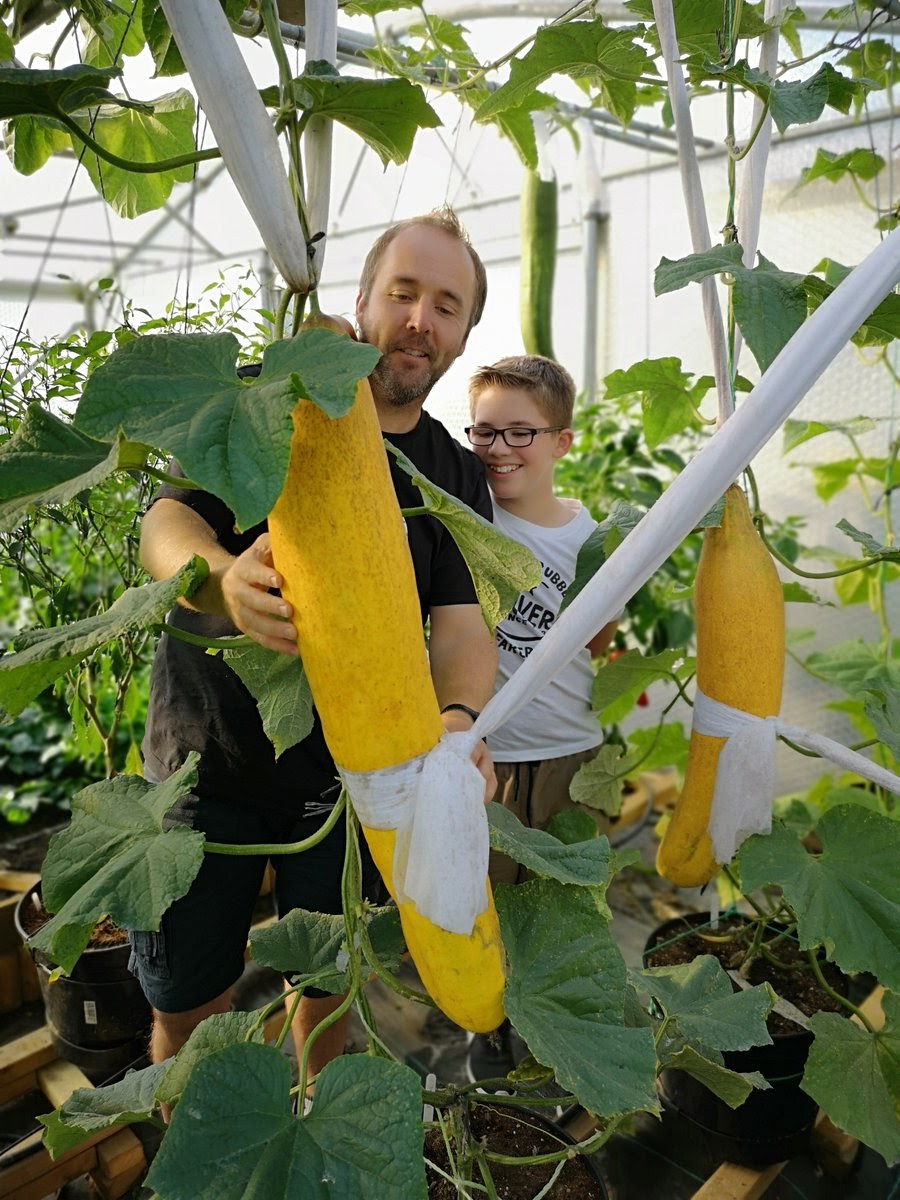
Support: Trellises can support many climbing varieties and help maximize vertical space.
Harvesting: Harvest timing depends on variety, intended use, fruit size, and maturity.
Frequently Asked Questions
Can Squash, Cucumbers & Gourds grow across different US climates?
Yes. These crops are widely grown as warm-season vegetables throughout the United States. Plant after frost danger has passed and soil conditions have warmed sufficiently for the selected variety.
Do Squash, Cucumber & Gourd vines need trellises?
Not always. Bush squash can grow without support, while many cucumbers and smaller-fruited gourds benefit from sturdy trellises. Large, heavy-fruited varieties may be better suited to ground-level growth.
When should these crops be harvested?
Cucumbers and summer squash are generally harvested while relatively young and tender. Winter squash and many gourds remain on the vine longer to reach appropriate maturity.
Do these plants need pollinators to produce fruits?
Many traditional varieties produce separate male and female flowers and rely on pollination for successful fruit development. Bees and other pollinating insects can therefore play an important role in the garden.
Shop By Category