




Thyme Seeds for Planting – Timeless Fragrance for a Romantic Cottage Garden
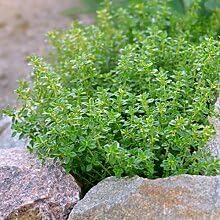
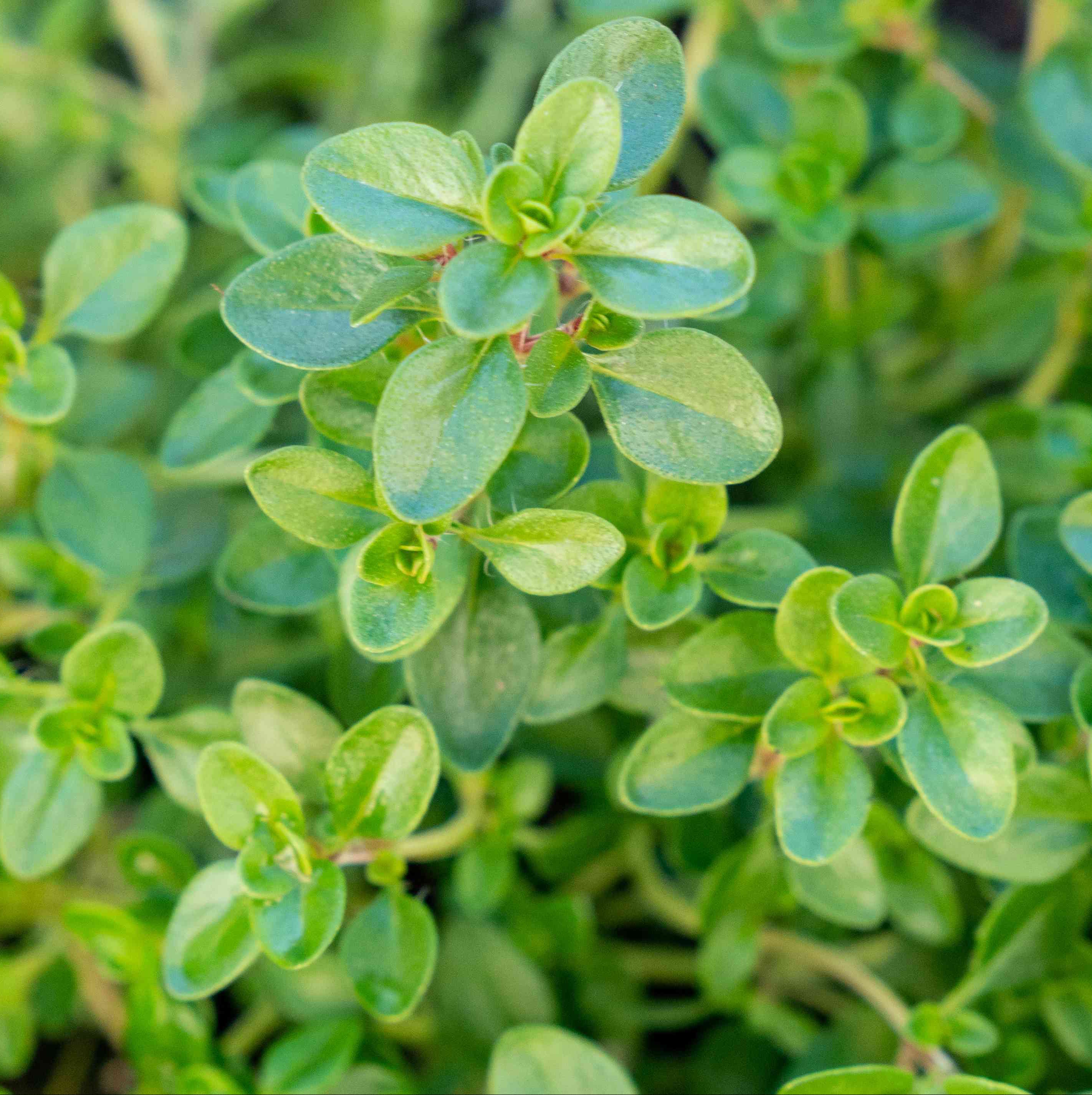
Thyme carries the quiet charm of an old-fashioned kitchen garden, where fragrant herbs spill gently beside pathways and mingle with softly blooming flowers. Its tiny aromatic leaves form neat cushions of greenery, bringing texture and a warm herbal fragrance to relaxed cottage landscapes and everyday garden spaces.
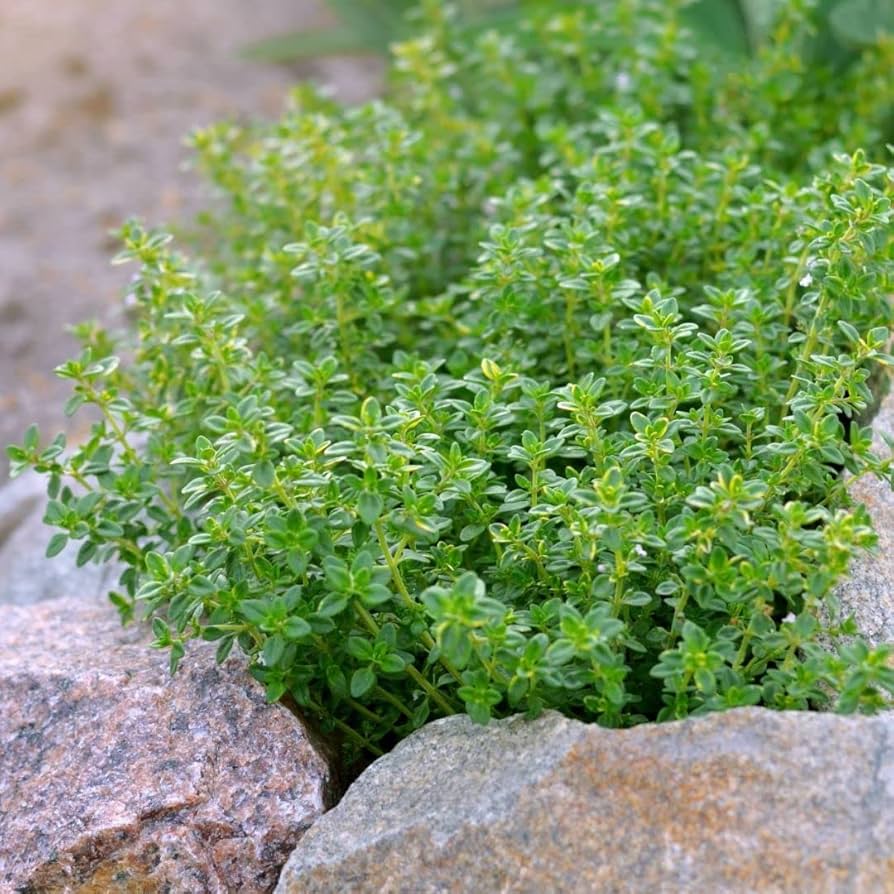
Thyme Seeds from Evergrow Seeds are available at evergrowseeds.com for US home gardeners seeking a classic herb that combines culinary usefulness with ornamental character. Thyme fits naturally into herb gardens, edible landscapes, pathway edges, informal borders, and cottage-inspired plantings where its compact growth can complement taller herbs and flowers.
Browse Our Thyme Seeds
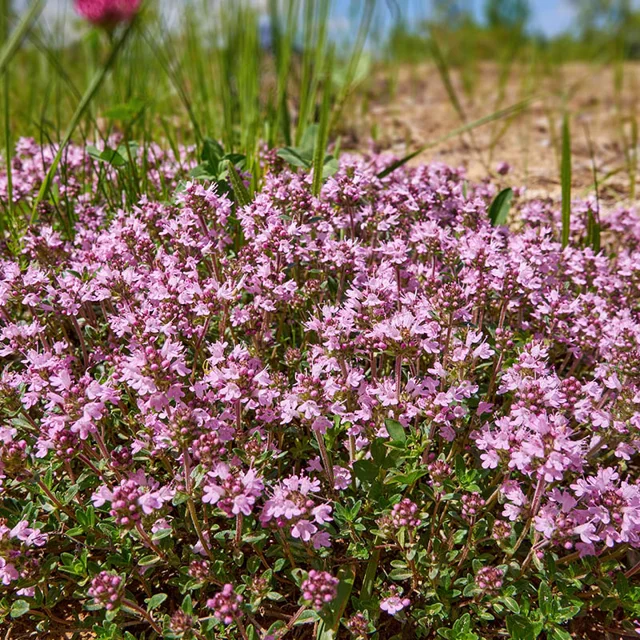
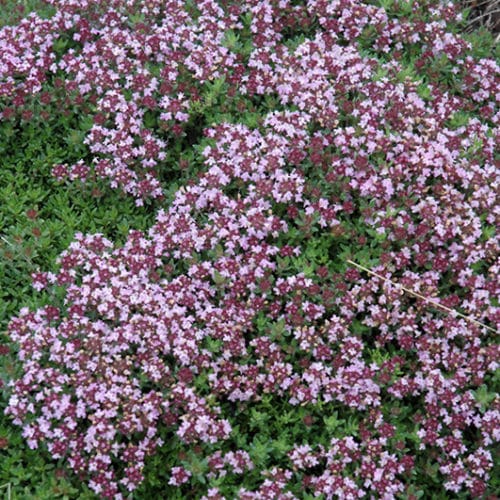
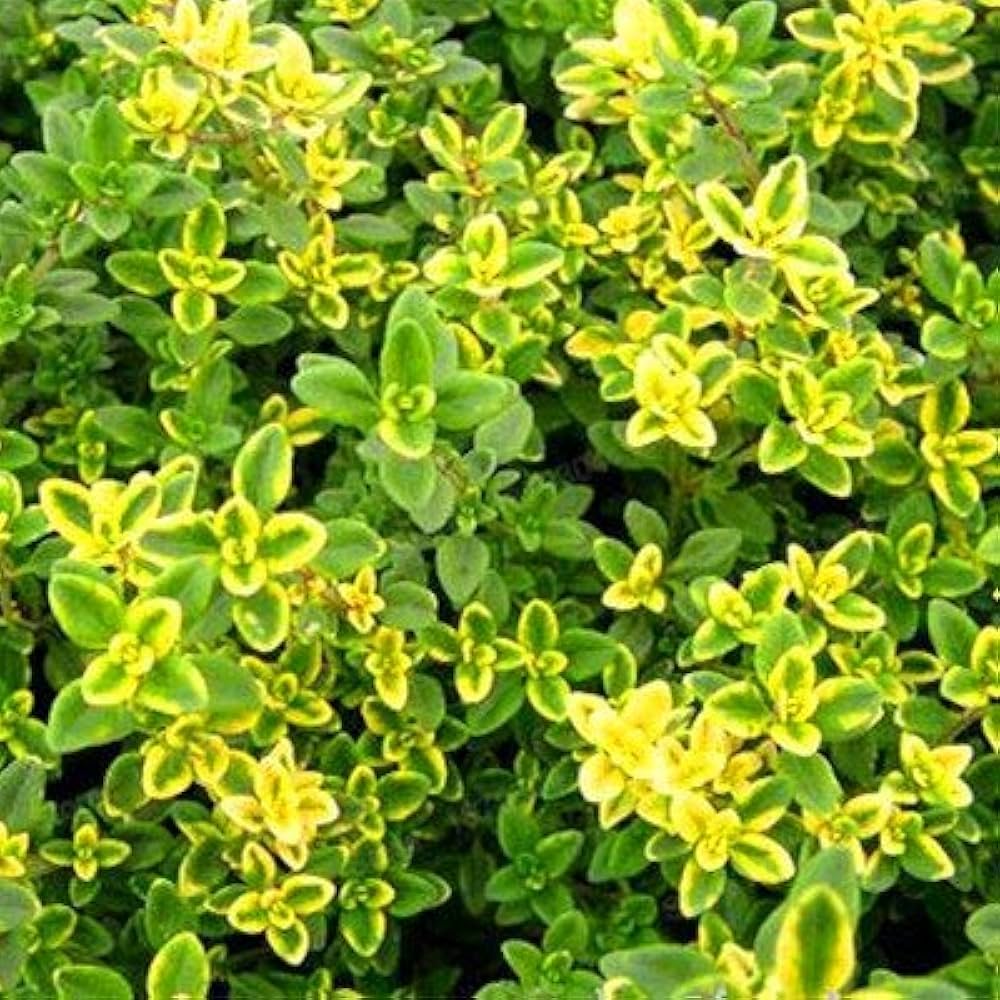
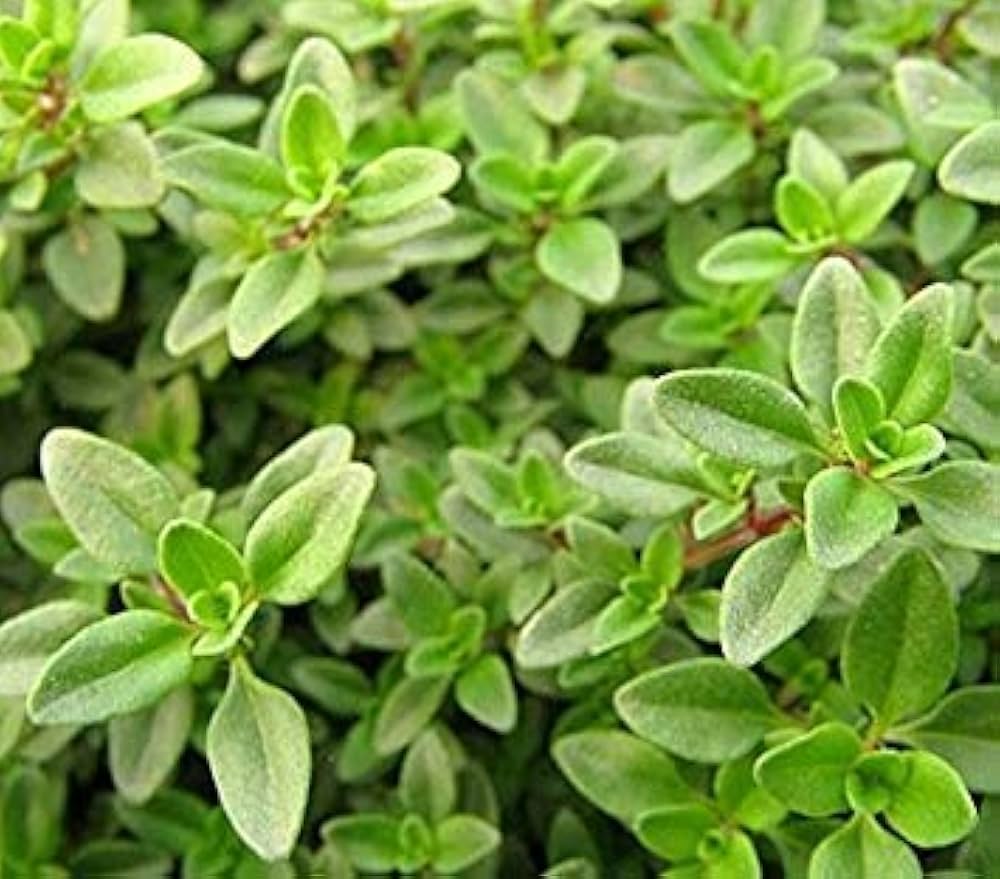
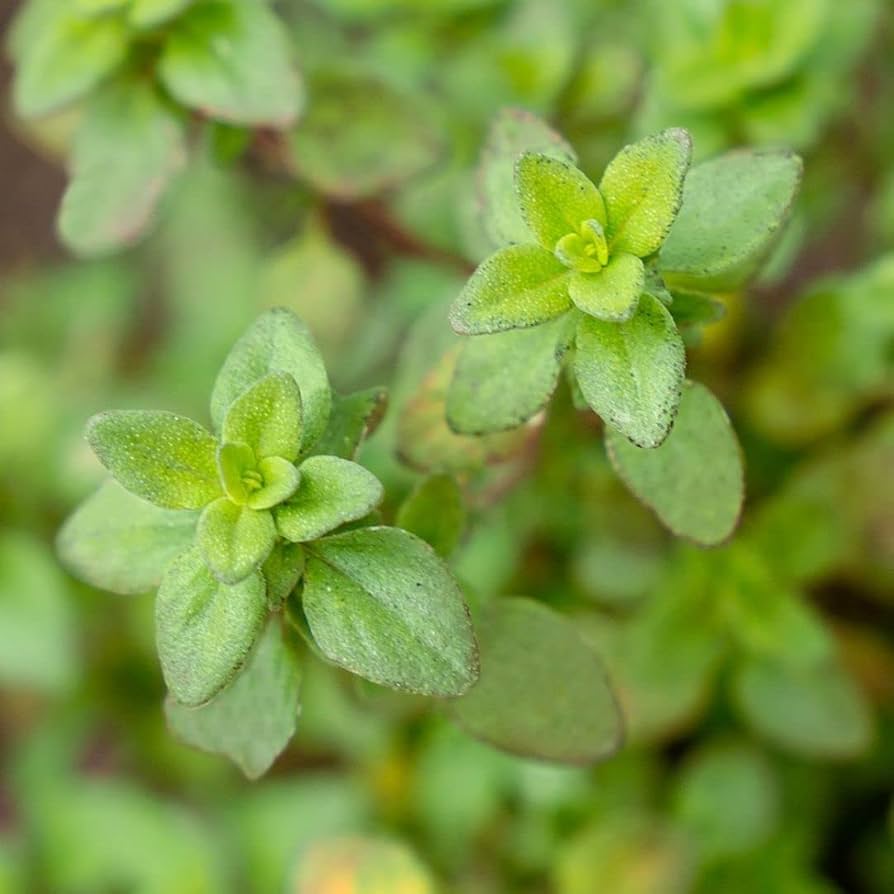
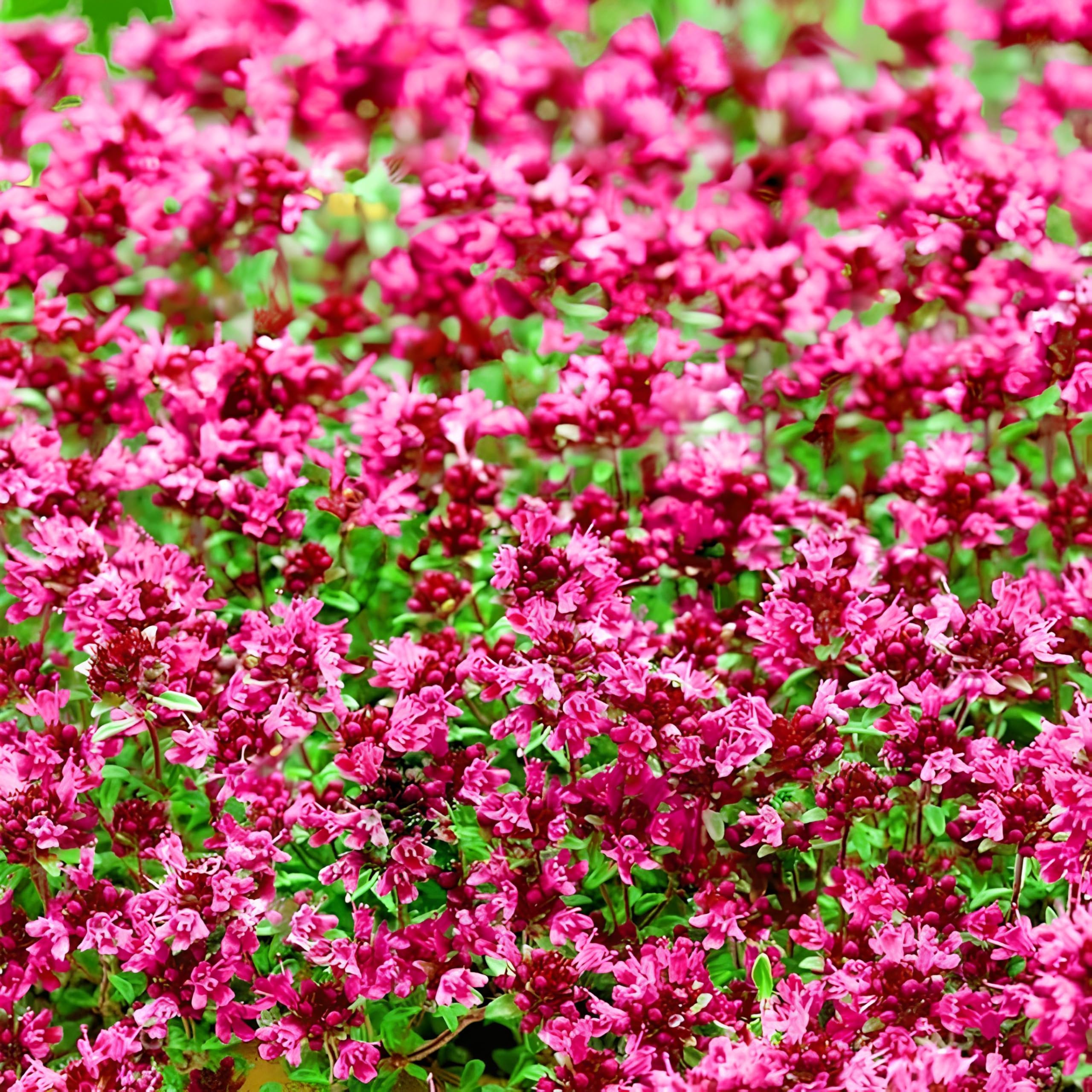
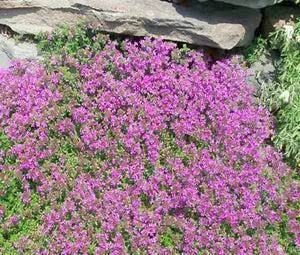
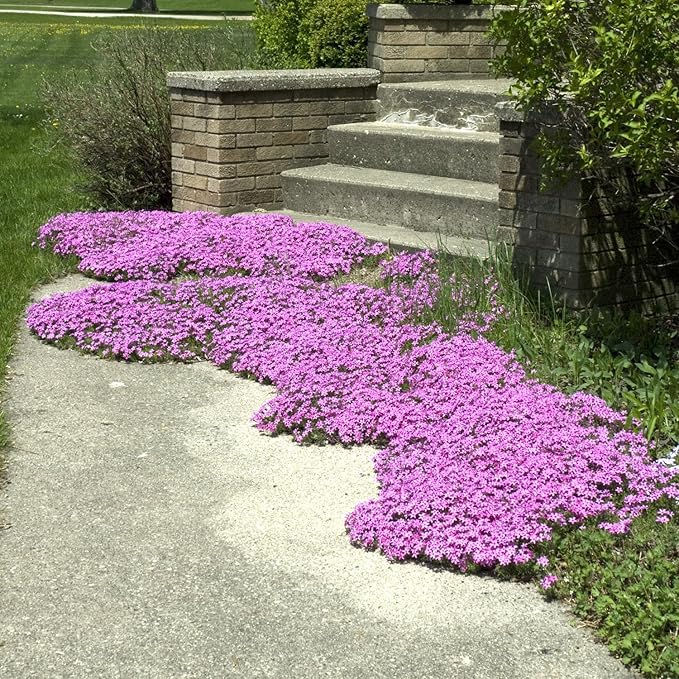
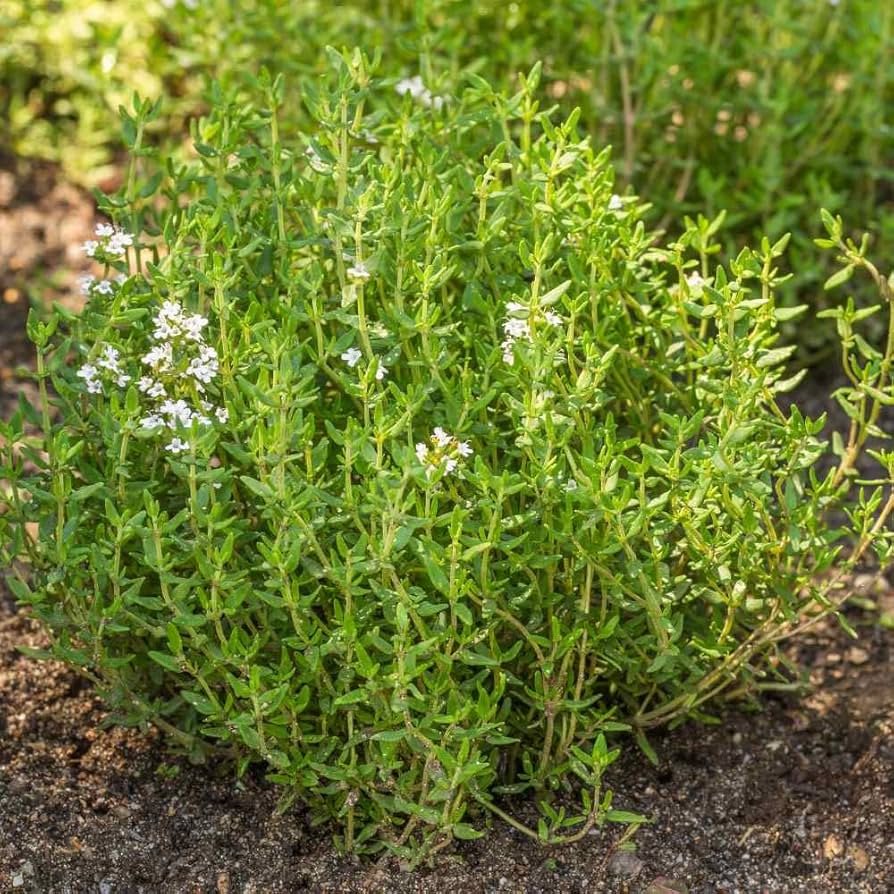
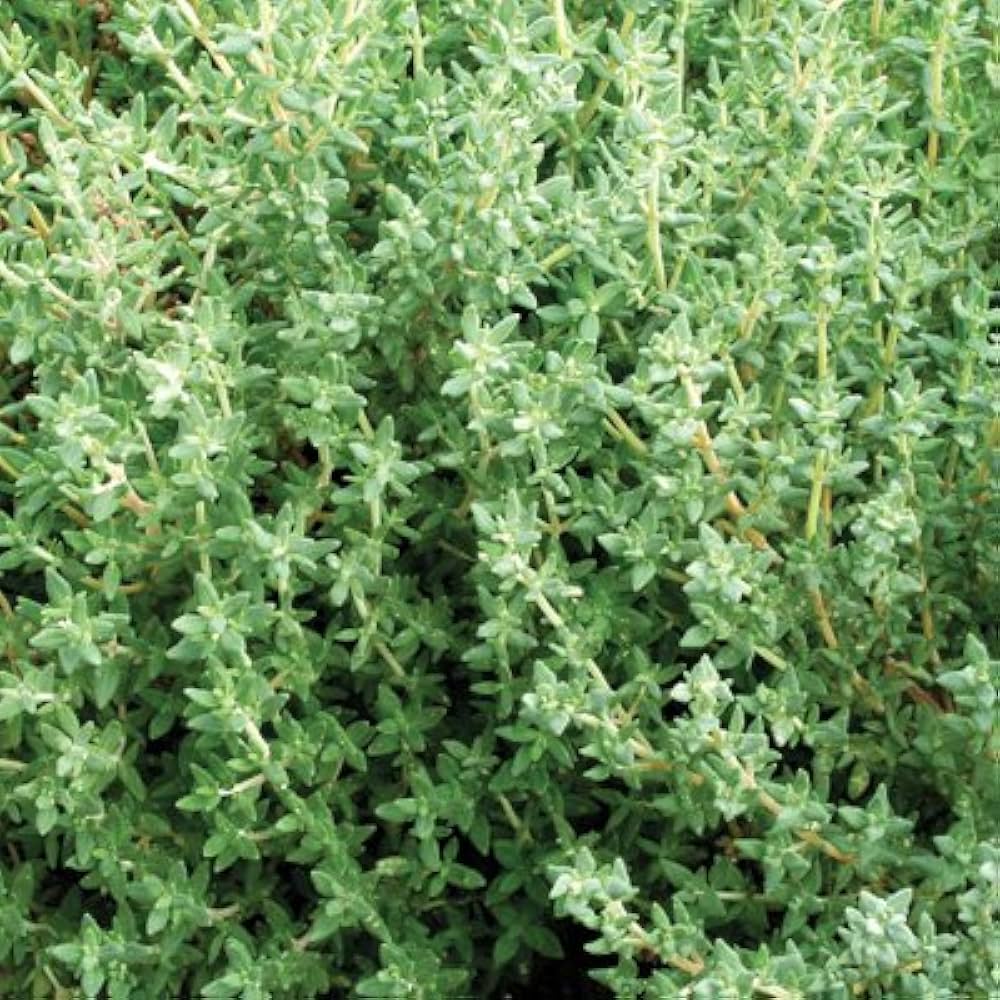
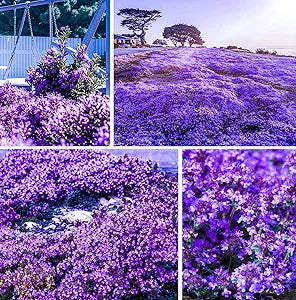
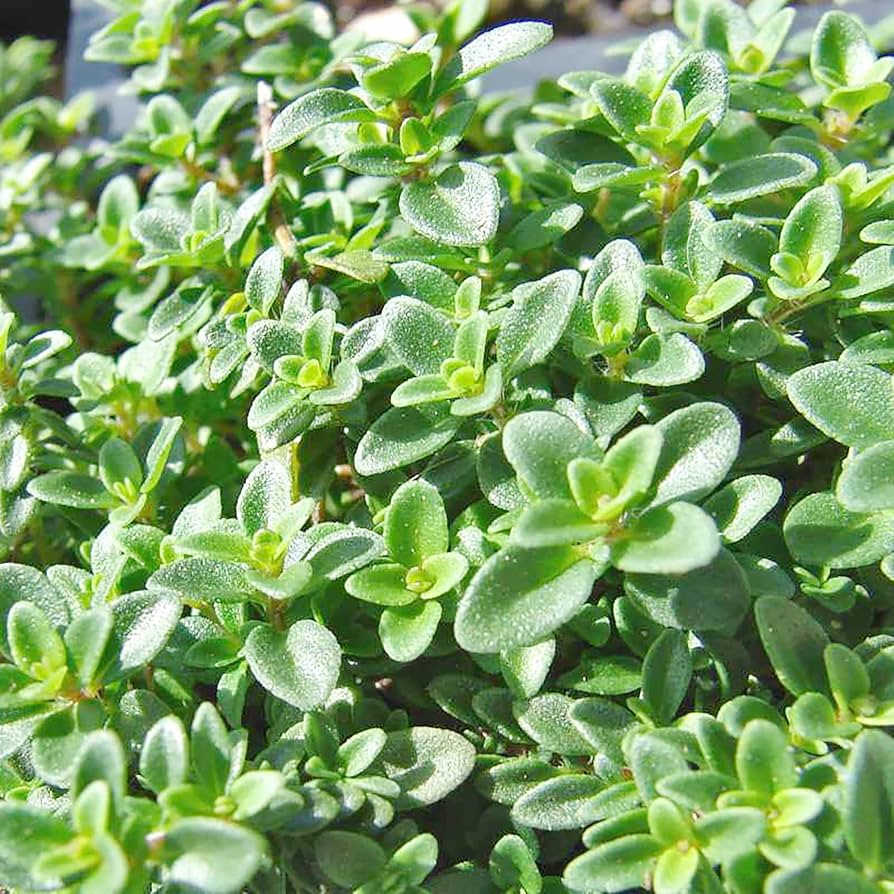
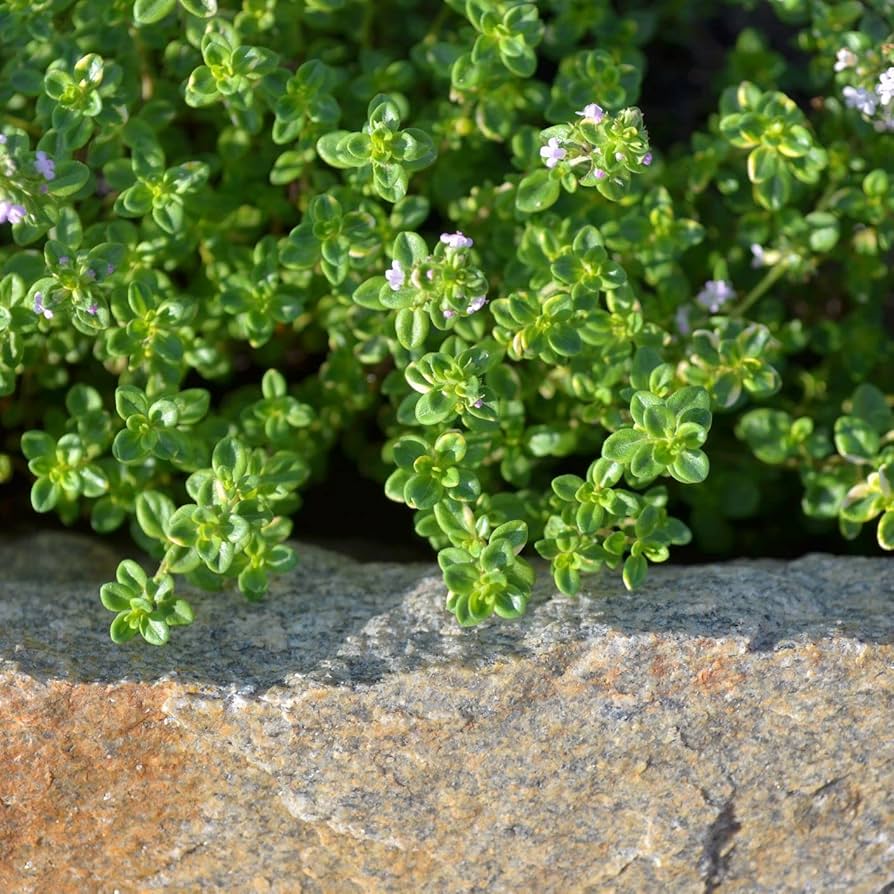
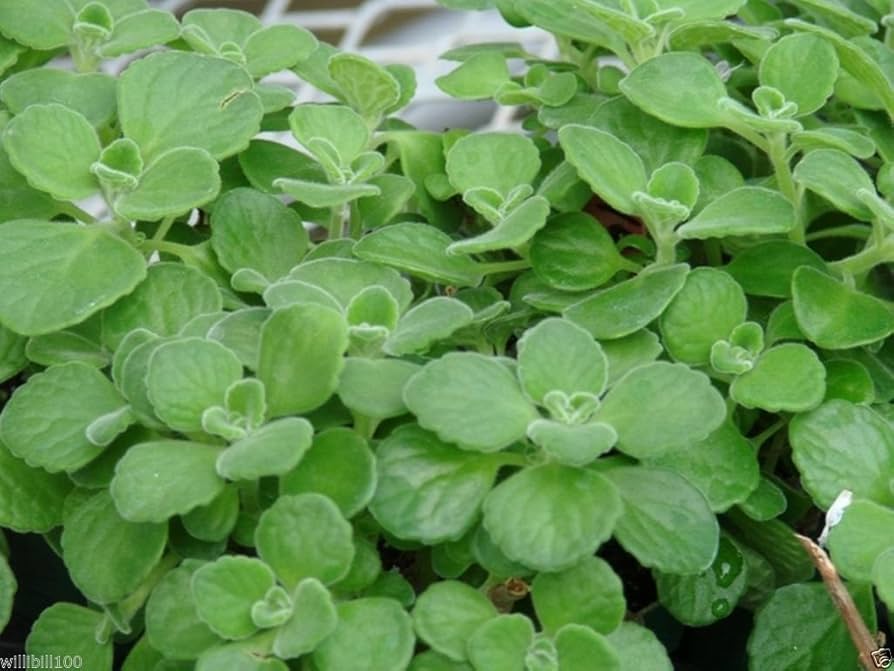
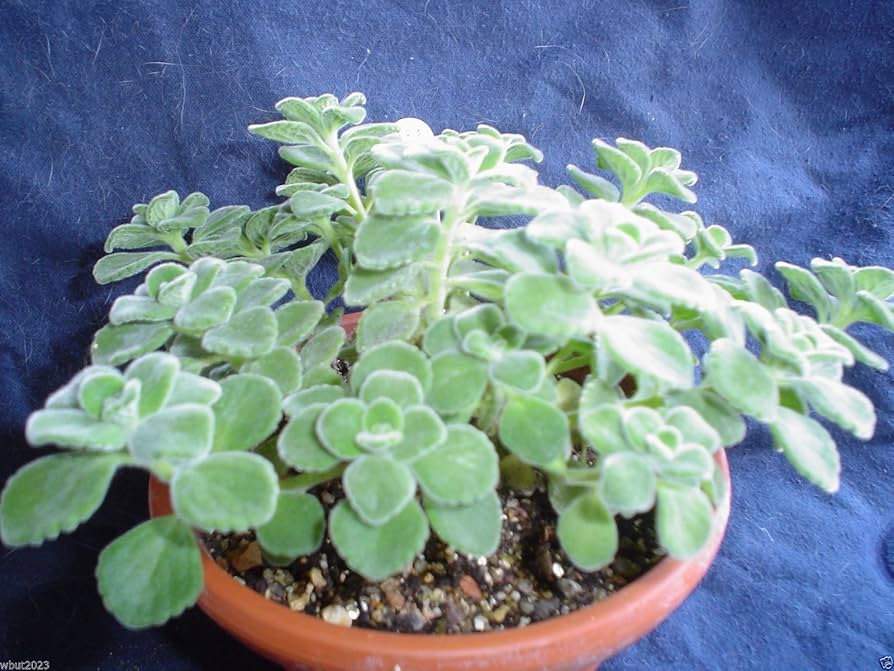
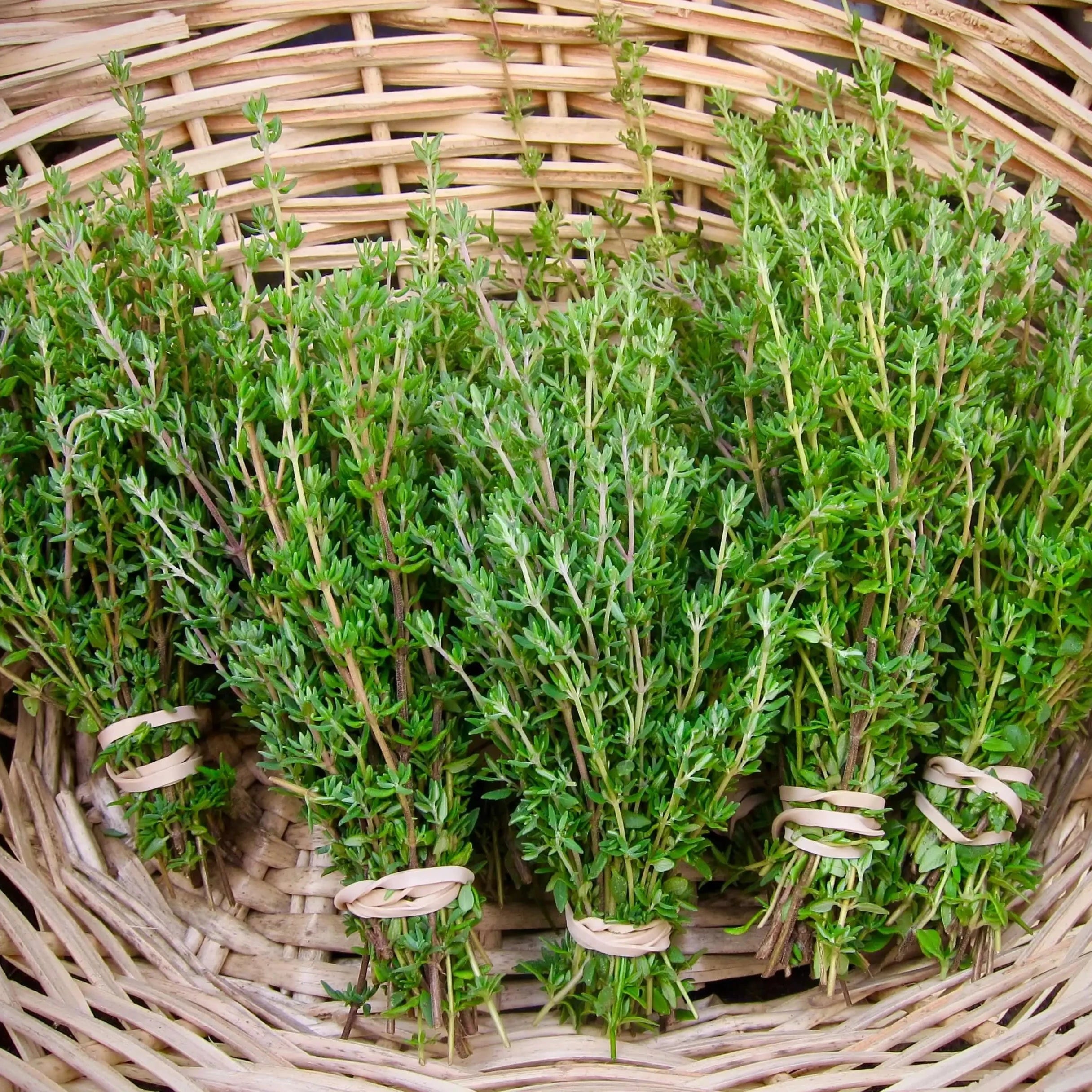
Thyme is primarily appreciated for its small aromatic leaves, which may range from medium green to gray-green depending on the variety. When mature, many thyme varieties produce tiny flowers in shades of white, pale pink, rosy pink, lavender, lilac, or soft purple.
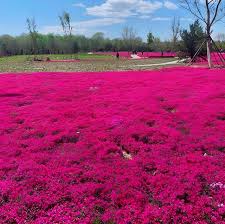
Its delicate flowers and fine-textured foliage work beautifully along pathways, at the front of herb borders, around compatible cottage flowers, and throughout Mediterranean-inspired gardens. Different thyme varieties can offer variations in growth habit, foliage fragrance, leaf appearance, and flower color.
Plant Care Insights
Sunlight
Thyme generally prefers full sun, helping plants maintain compact growth and aromatic foliage.
Soil
Choose loose, well-drained soil. Thyme generally performs poorly where roots remain in persistently wet ground.
Watering
Provide moderate moisture during establishment, then allow the soil to dry somewhat between waterings.
Companion Plants
Thyme pairs naturally with rosemary, sage, oregano, lavender, and other plants that enjoy similar growing conditions.
Maintenance
Light trimming can help maintain dense, attractive growth. Remove damaged stems when needed and avoid cutting heavily into older woody sections.
Frequently Asked Questions
Can thyme grow across different US climates?
Many thyme varieties adapt well to temperate regions across the United States.
Winter tolerance varies by variety and local seasonal temperatures.
How large can mature thyme plants become?
Most thyme develops into compact, branching plants with low-growing foliage.
Final height and spread vary among creeping and upright varieties.
Should thyme plants be pruned regularly?
Light trimming helps maintain dense growth and an attractive garden shape.
Avoid severe pruning into old woody stems with little green growth.
What pests may occasionally affect thyme plants?
Aphids and spider mites may occasionally appear among thyme foliage.
Regular inspection helps gardeners recognize potential pest activity early.
Shop By Category