







Tulip Flower Seeds for Planting – Timeless Spring Beauty for a Romantic Cottage Garden
Tulips bring the unmistakable romance of spring to the garden, with graceful stems carrying beautifully shaped blooms above fresh green foliage. Scattered through an informal border or woven among other seasonal flowers, their elegant silhouettes create the nostalgic feeling of an old-fashioned cottage garden awakening after winter.
Tulip Flower Seeds from Evergrow Seeds are available at evergrowseeds.com for US home gardeners interested in experiencing tulips from their earliest seed-grown stages. Unlike planting mature tulip bulbs, growing tulips from seed is a long-term gardening project. Seed-grown plants can take several years to reach flowering maturity, and seedlings may naturally differ from their parent plants.
Browse Our Tulip Flower Seeds
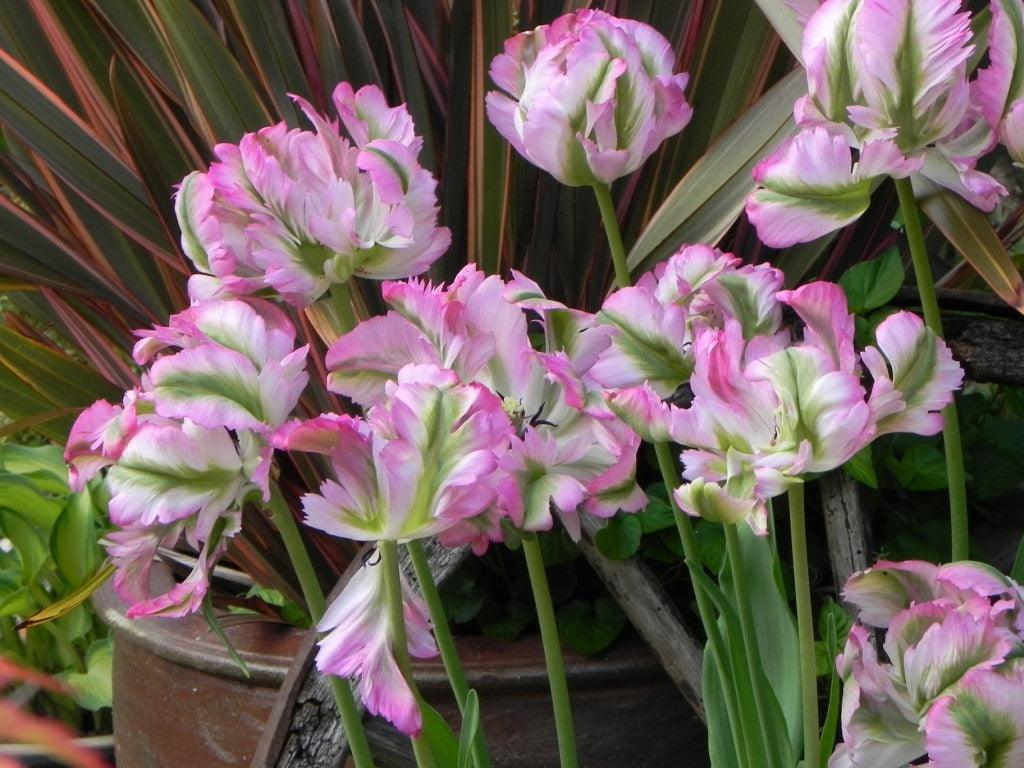
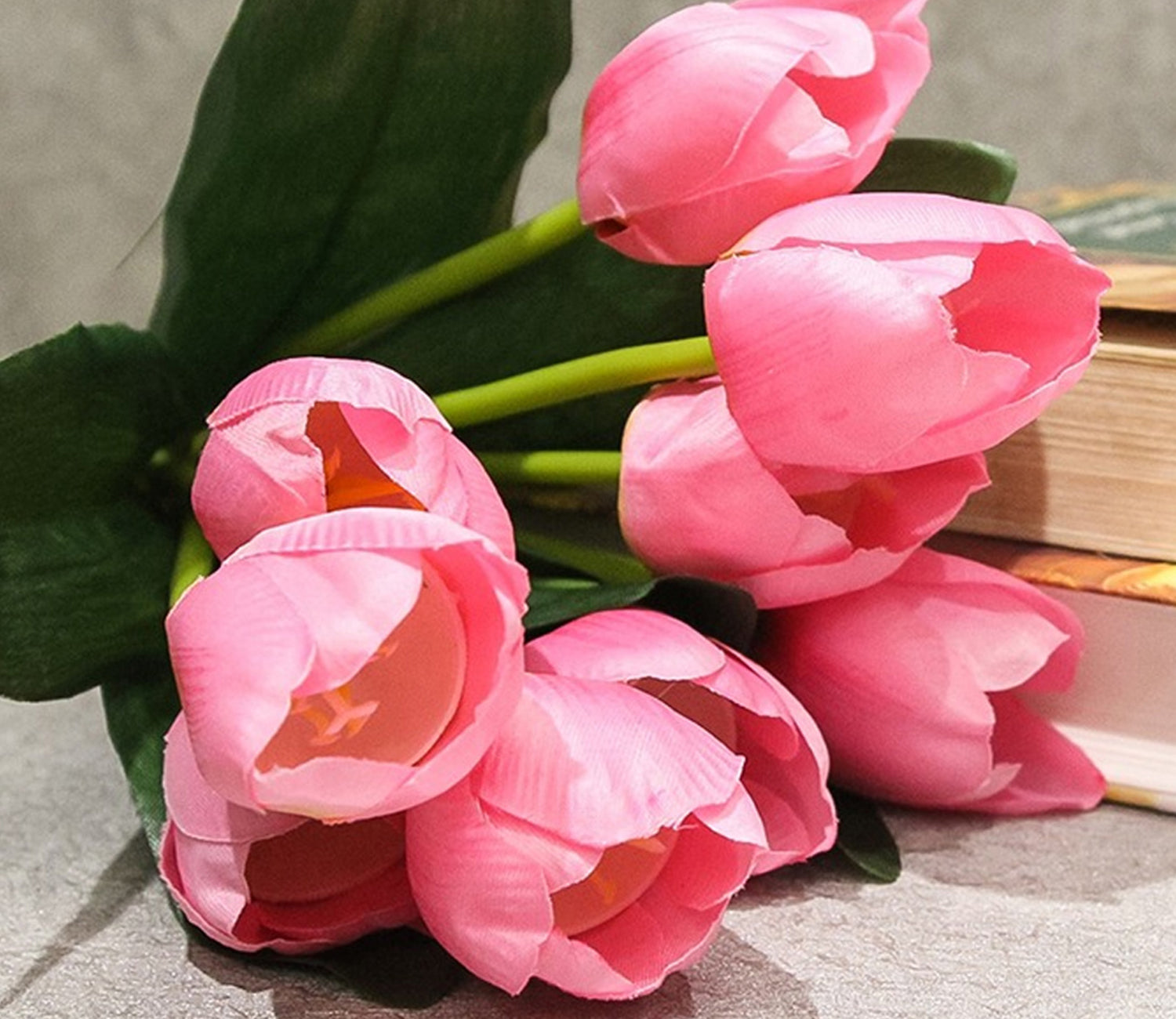
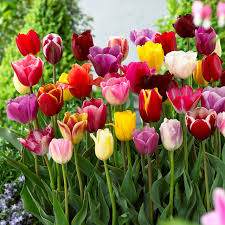
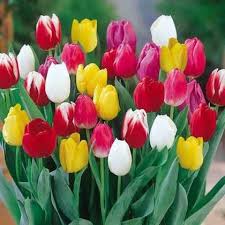
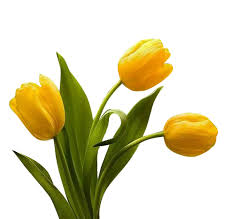
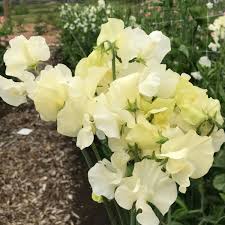
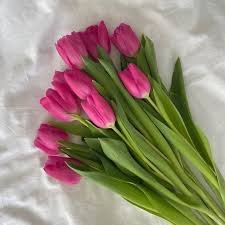
Tulips are celebrated for an extraordinary range of flower colors. Depending on species and genetics, blooms may appear in white, cream, yellow, orange, peach, coral, pink, red, burgundy, purple, lavender, green, or multicolored combinations.
Flower forms and markings can also vary, particularly when plants are raised from genetically variable seed. Tulips can eventually bring elegant seasonal color to cottage borders, spring flower beds, pathway plantings, and naturalistic displays when the selected species is suited to local conditions.
Plant Care Insights
Sunlight
Most tulips appreciate full sun to light partial shade, with regional climate influencing the ideal exposure.
Soil
Choose loose, fertile, well-drained soil. Good drainage is especially important as young plants gradually develop underground bulbs.
Watering
Maintain appropriate moisture during active growth while avoiding persistently saturated soil that can encourage bulb and root problems.
Companion Plants
Tulips pair beautifully with daffodils, forget-me-nots, violas, alliums, and other compatible spring garden favorites.
Maintenance
Allow developing foliage to complete its natural growth cycle before removing it. Seed-grown tulips require patience as seedlings gradually form bulbs and progress toward flowering maturity.
Frequently Asked Questions
Can tulips grow across different US climates?
Tulips generally perform best where winters provide a suitable cold period.
Climate suitability varies among species and warmer or colder US regions.
How large can mature tulip plants become?
Tulip height ranges from compact species to considerably taller flowering varieties.
Final size depends on genetics, species, and local garden conditions.
How long can seed-grown tulips take to flower?
Tulips grown from seed commonly require several years before reaching flowering maturity.
The exact timeframe varies according to species, climate, and growing conditions.
What pests may occasionally affect tulip plants?
Aphids, slugs, and bulb-feeding animals may occasionally damage tulip plants.
Regular garden inspection helps identify potential pest activity early.
Shop By Category