
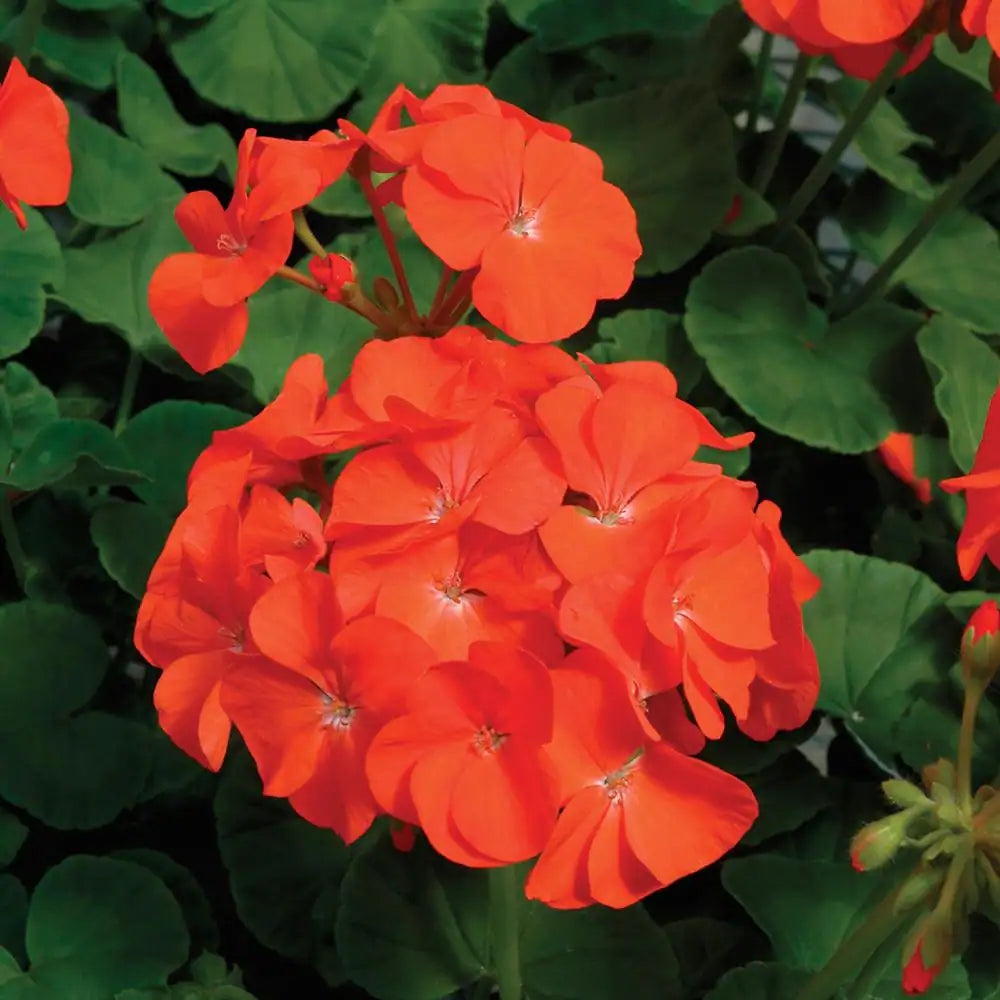
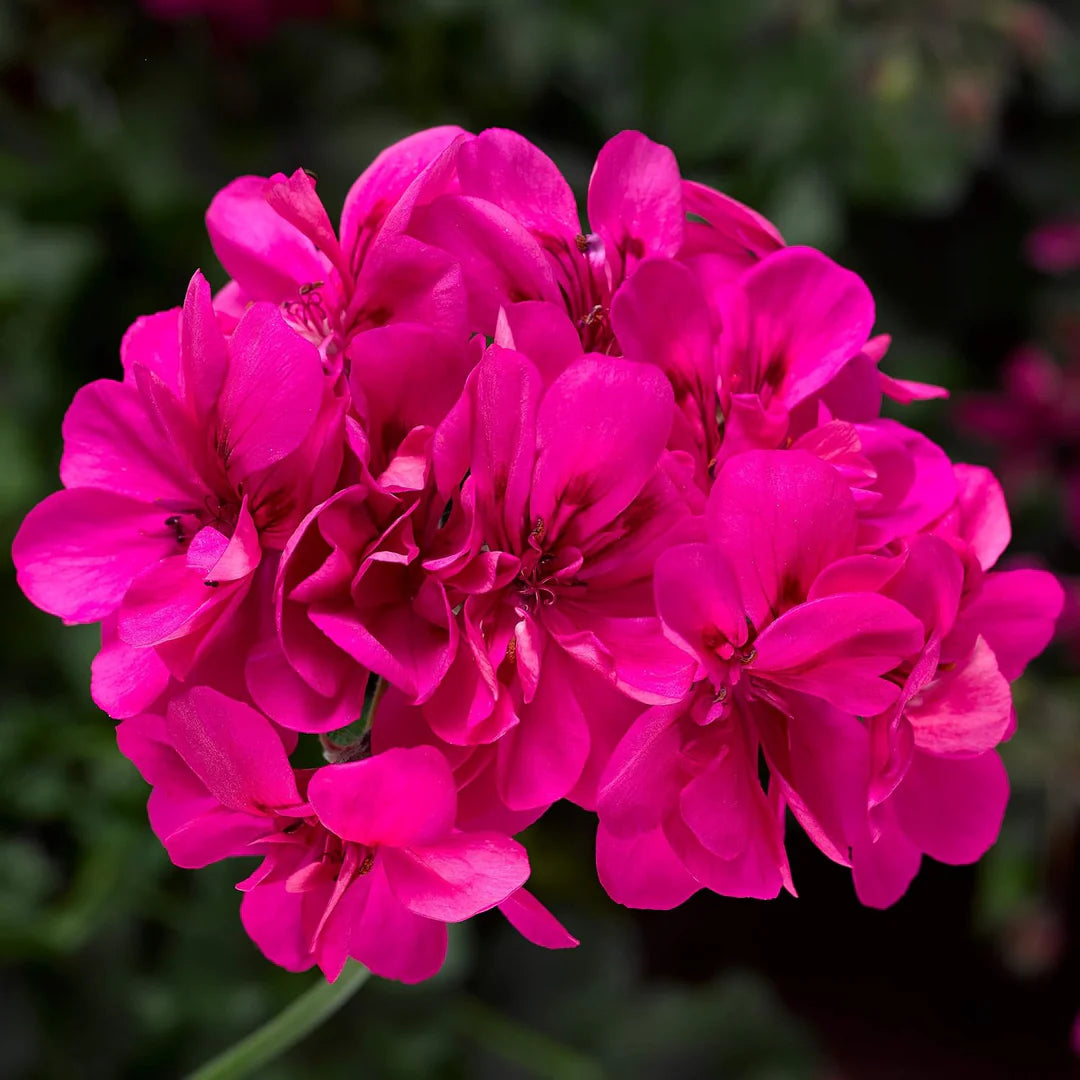


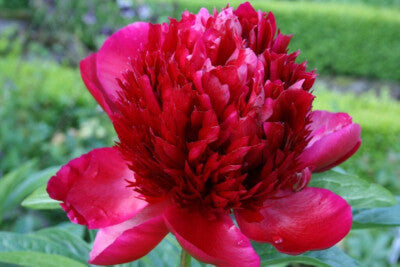

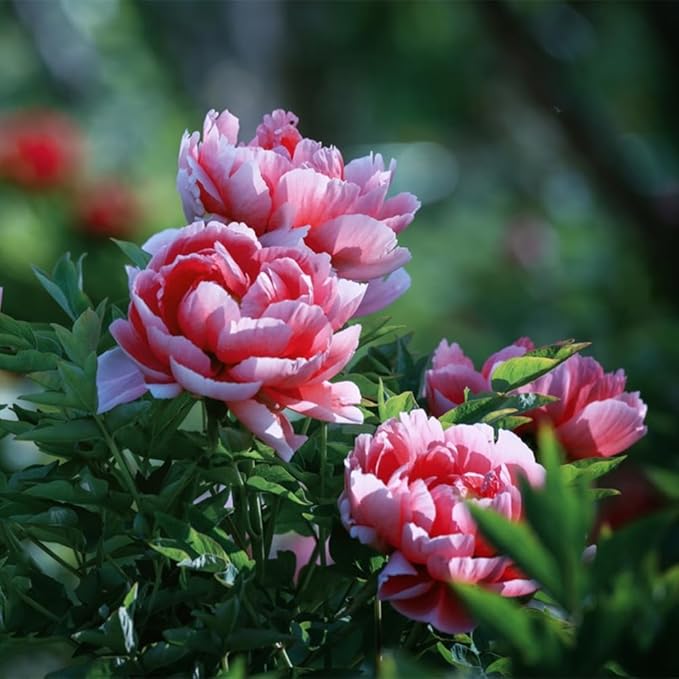

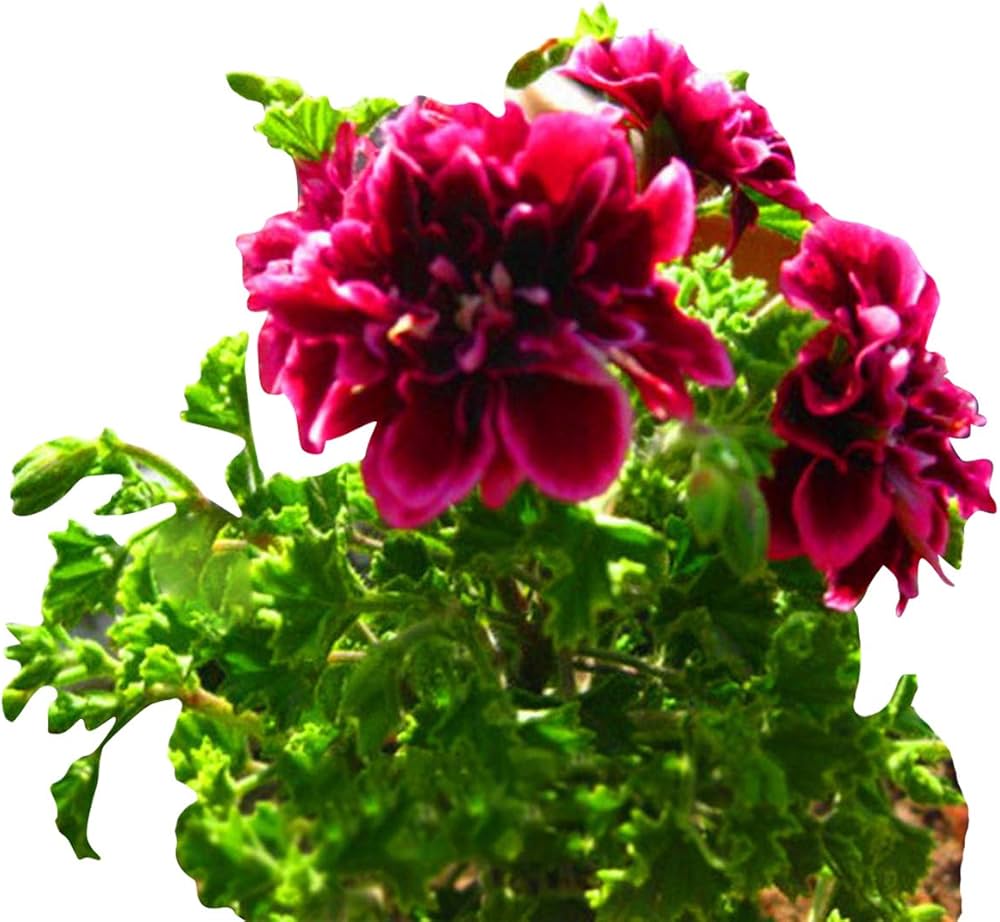
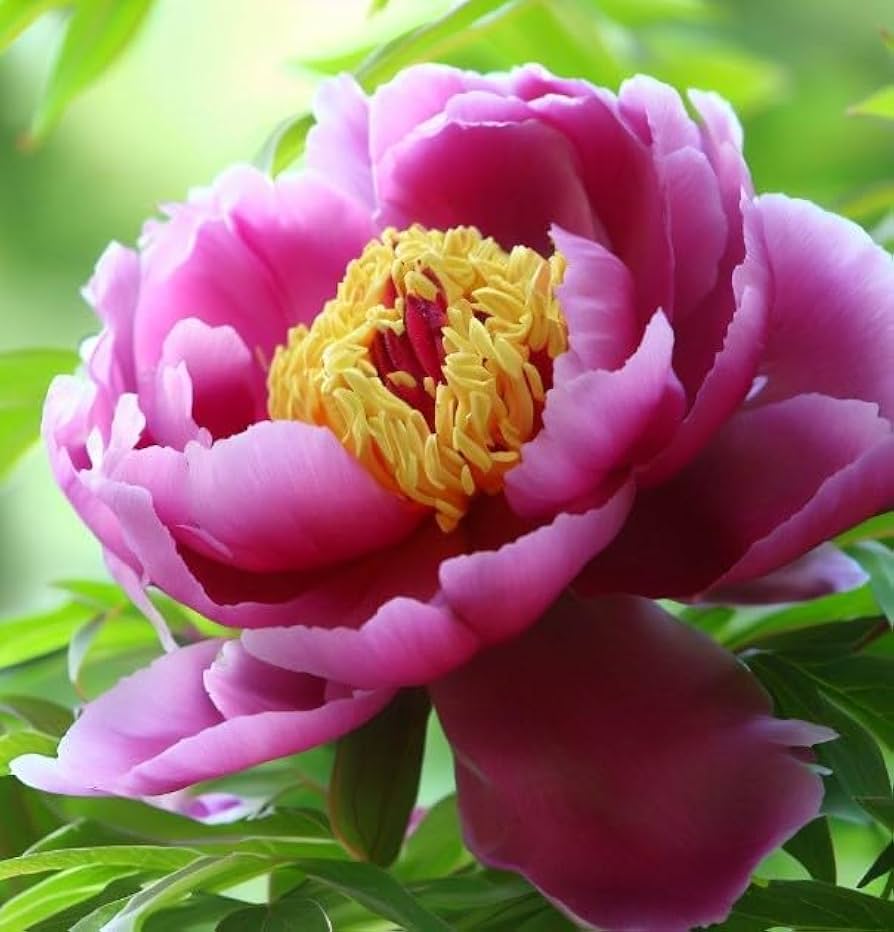
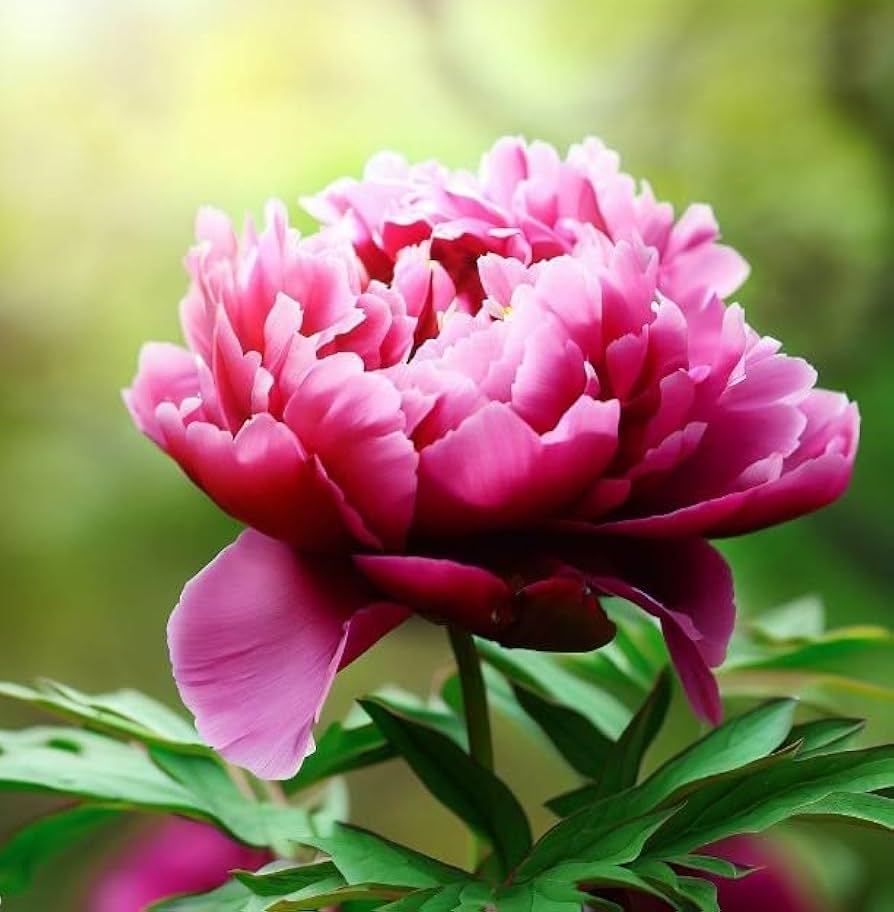
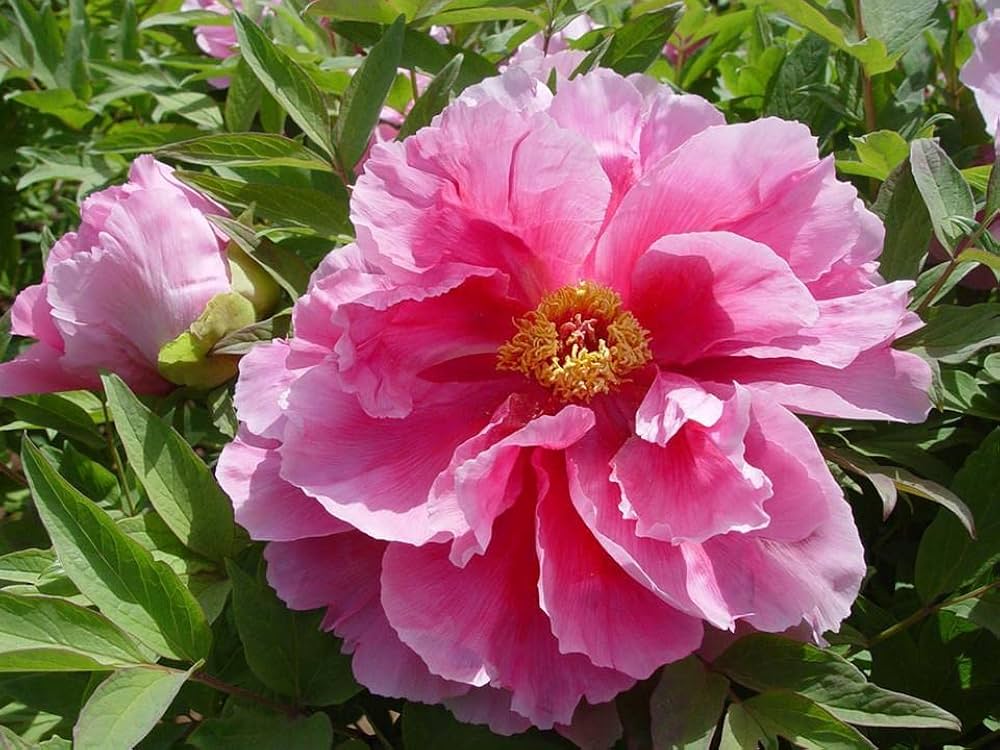




Unique Flower Seeds for Planting – Grow Something Beyond the Ordinary
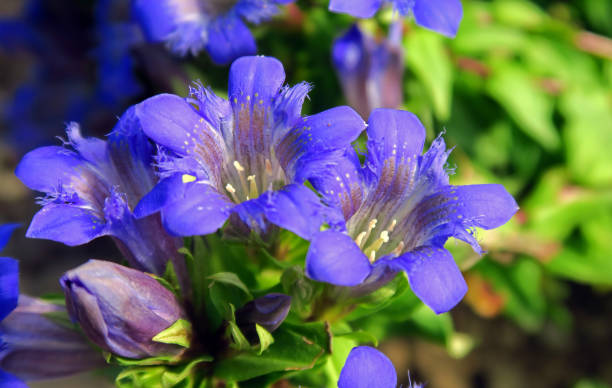
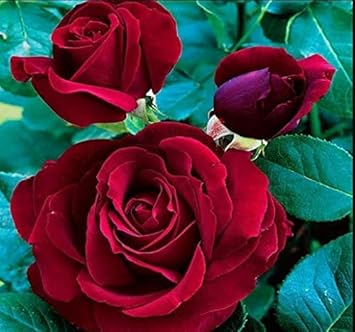
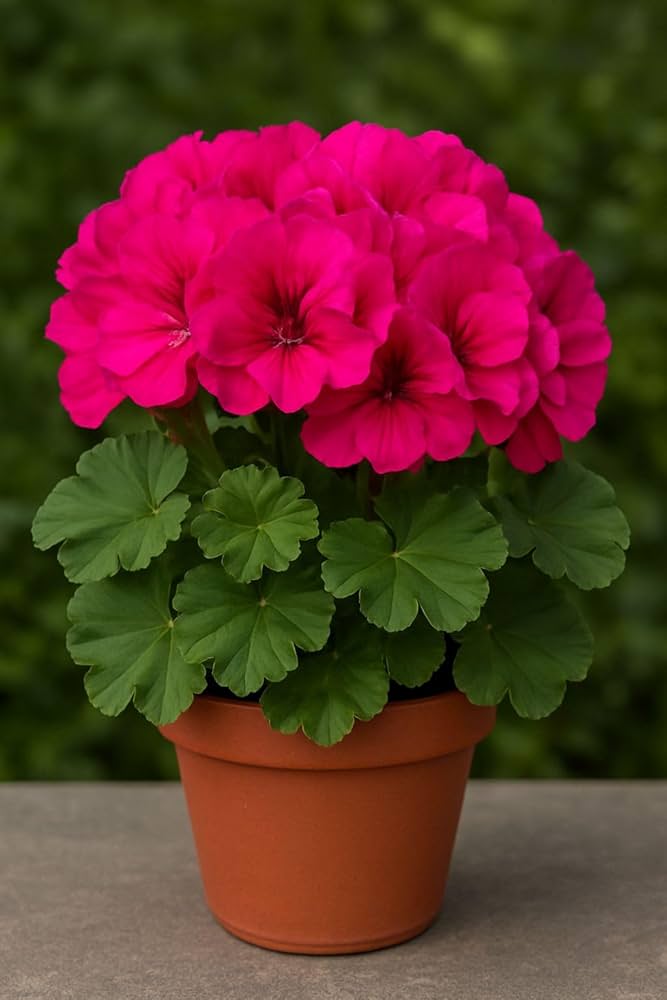
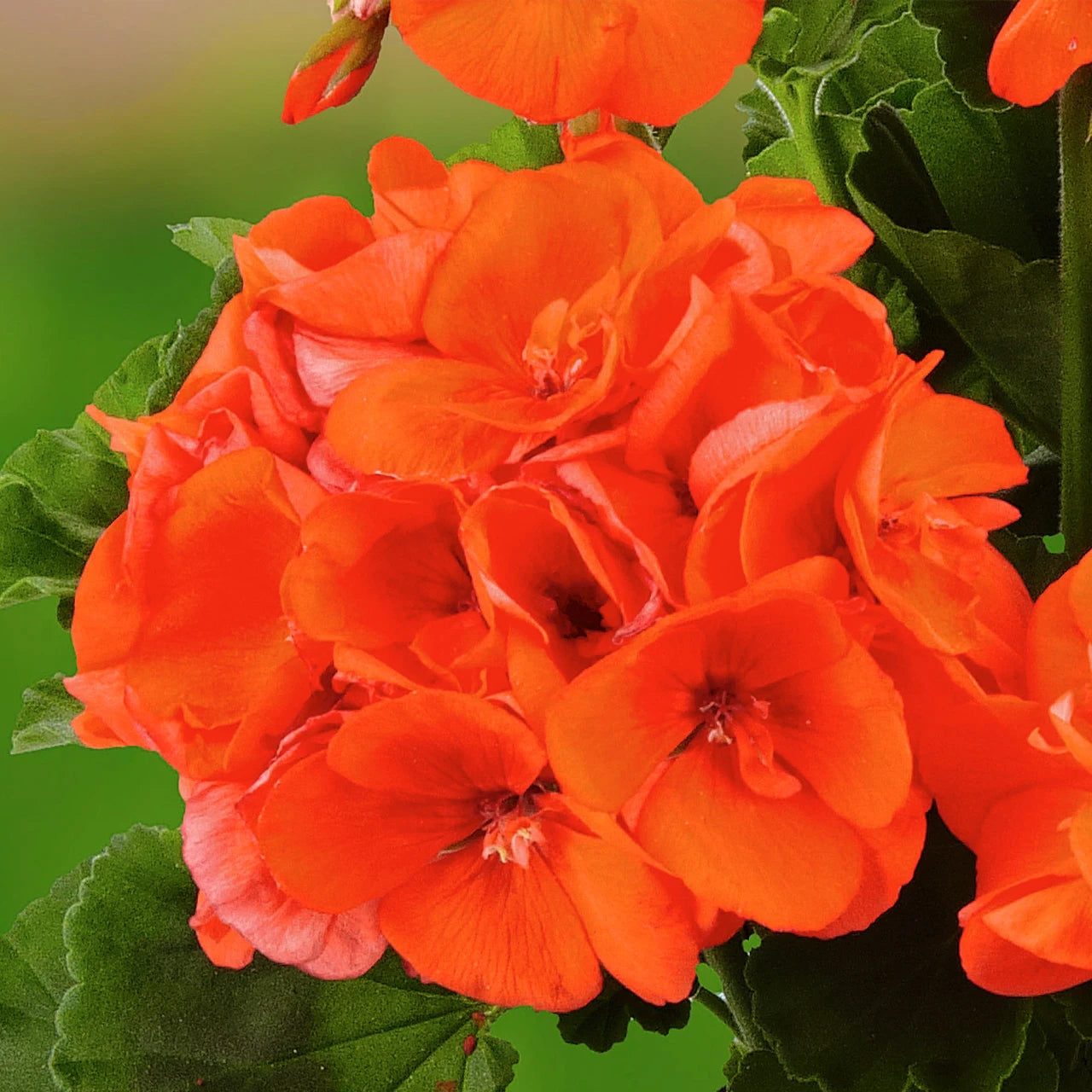
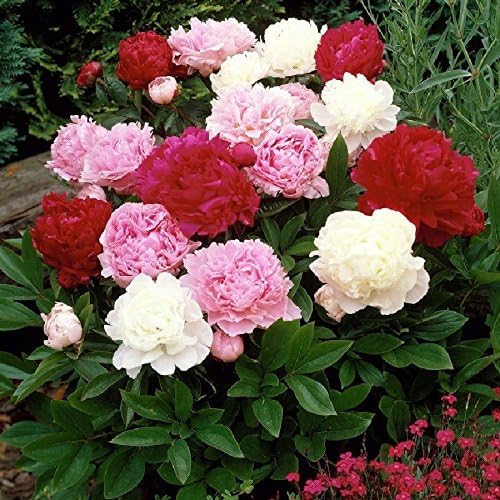
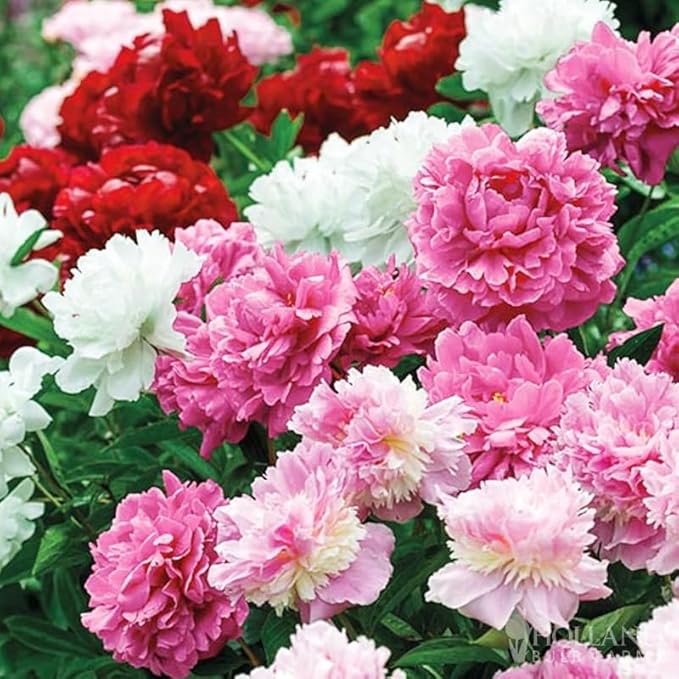
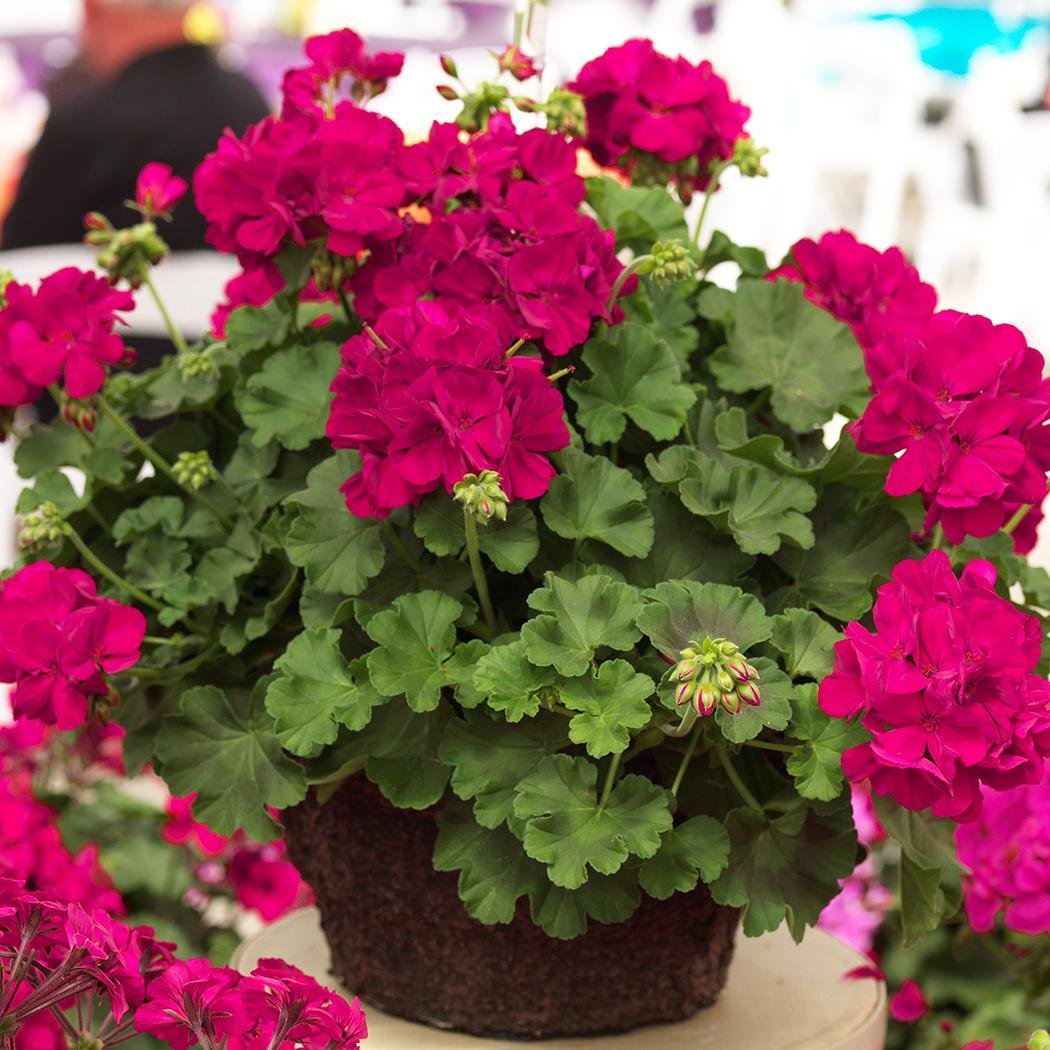
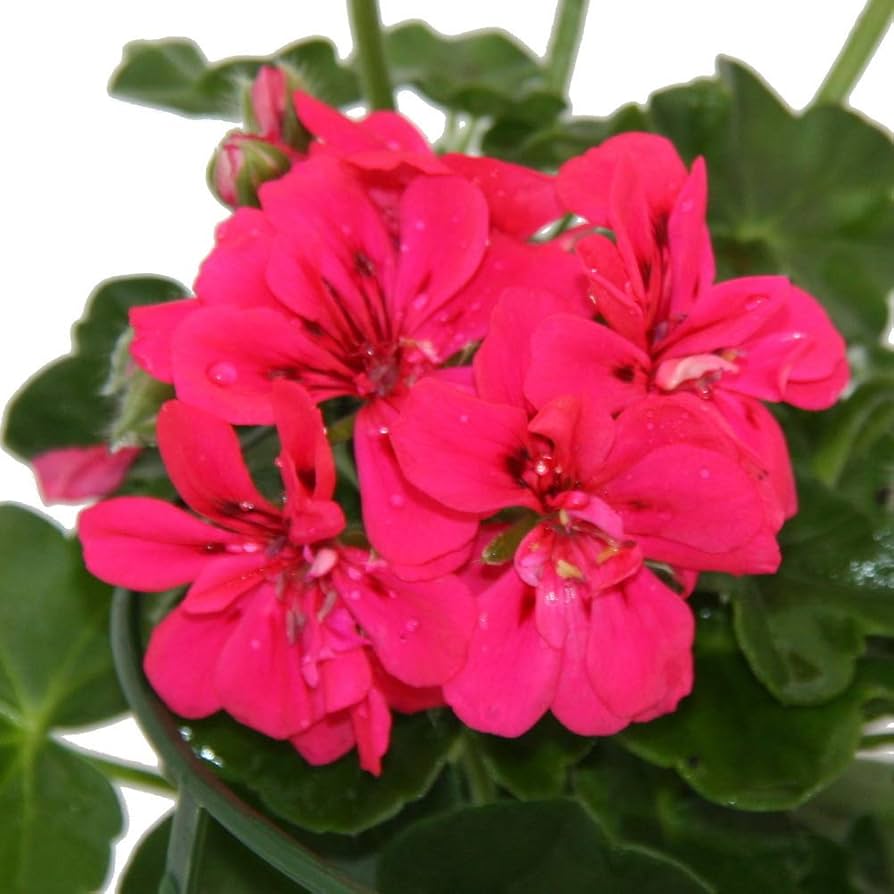
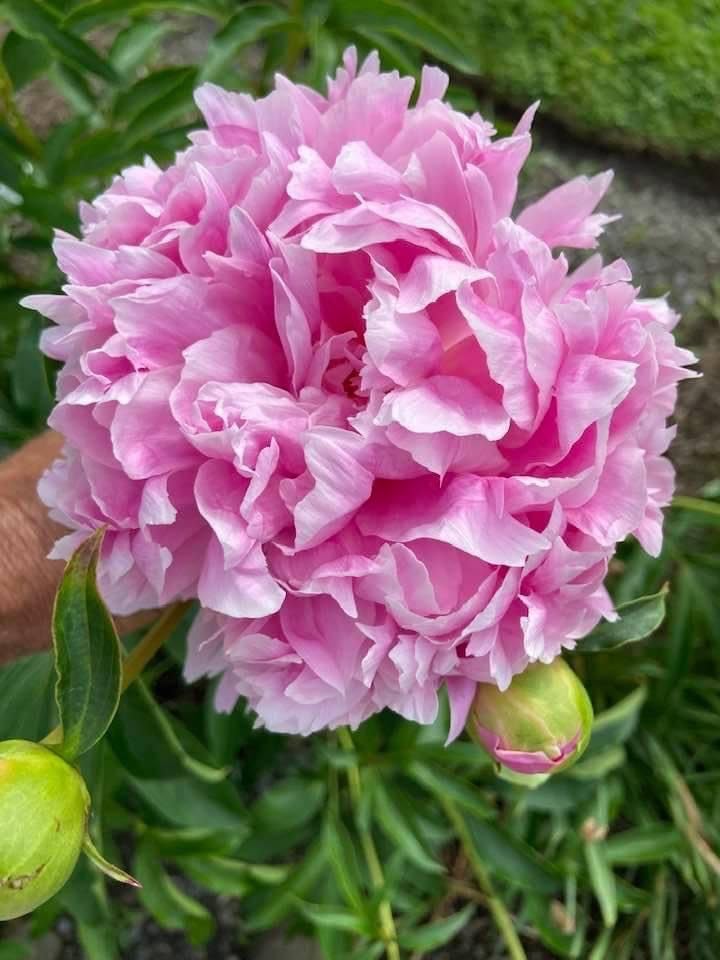
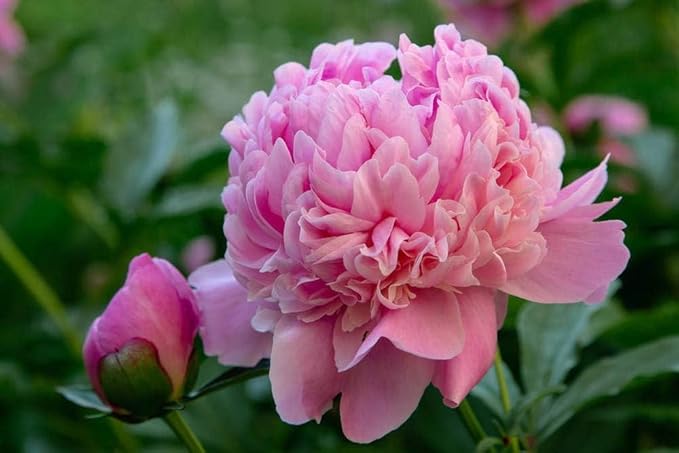
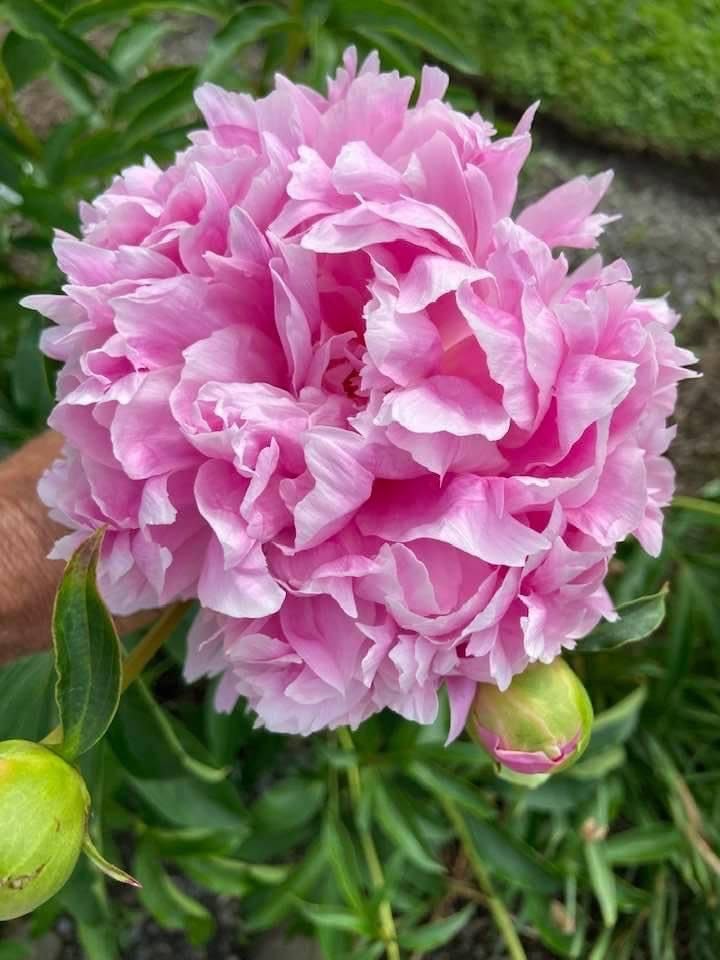
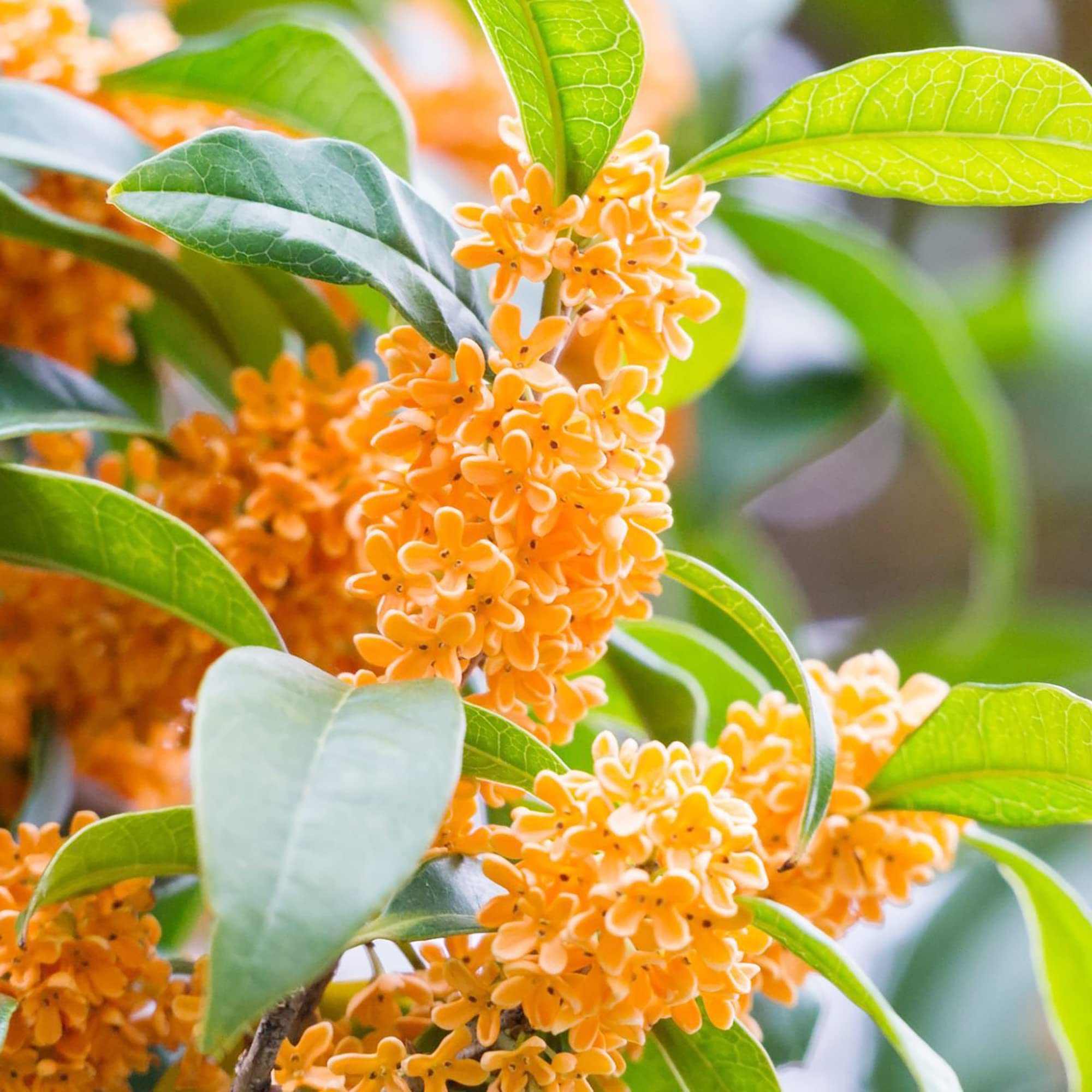
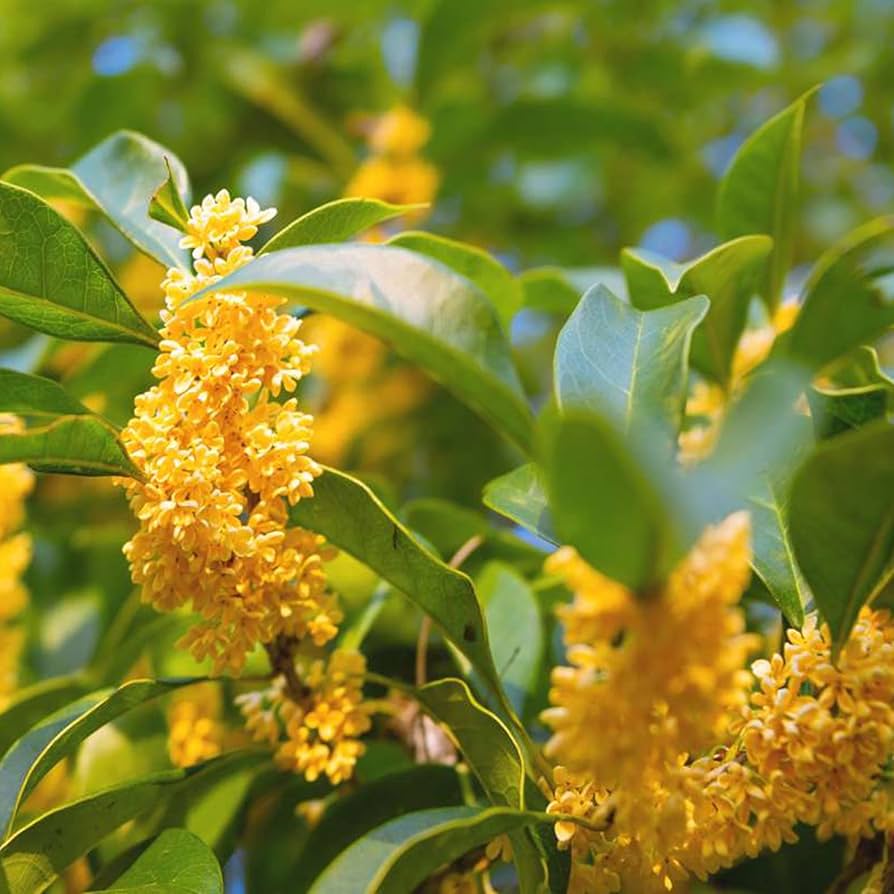
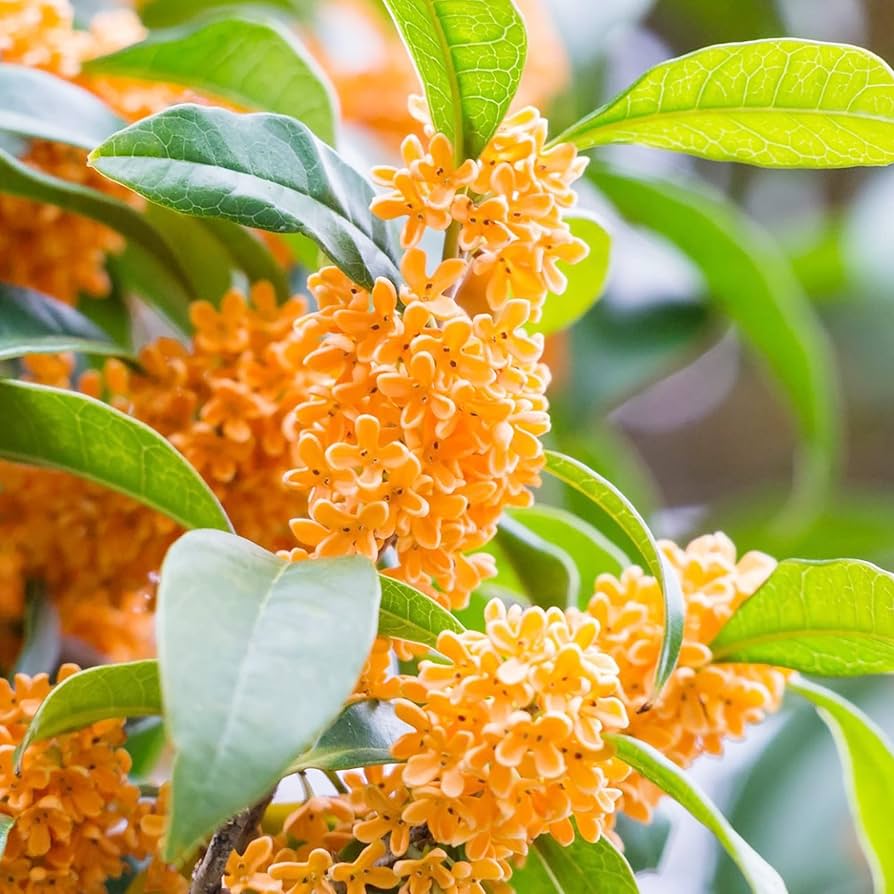
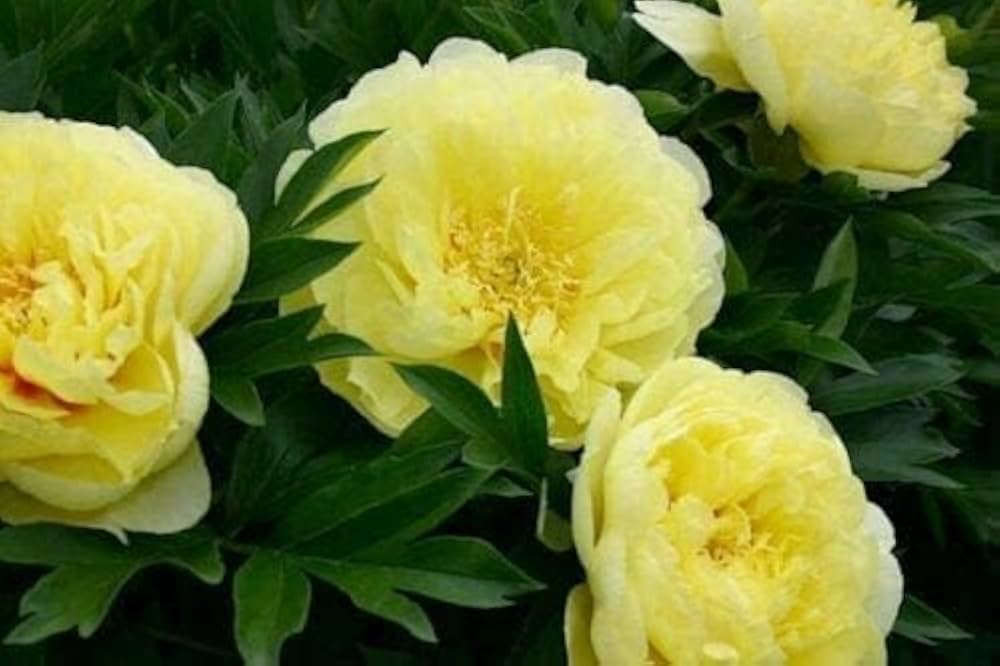
A garden becomes unforgettable when something unexpected begins to bloom. Unique flowers bring unusual forms, remarkable colors, intricate patterns, and fascinating textures that can turn an ordinary flower bed into a landscape filled with discovery.
Unique Flower Seeds from Evergrow Seeds are available at evergrowseeds.com for US home gardeners looking to create distinctive cottage gardens, ornamental borders, cutting gardens, and creative landscape displays.
Browse Our Unique Flower Seeds
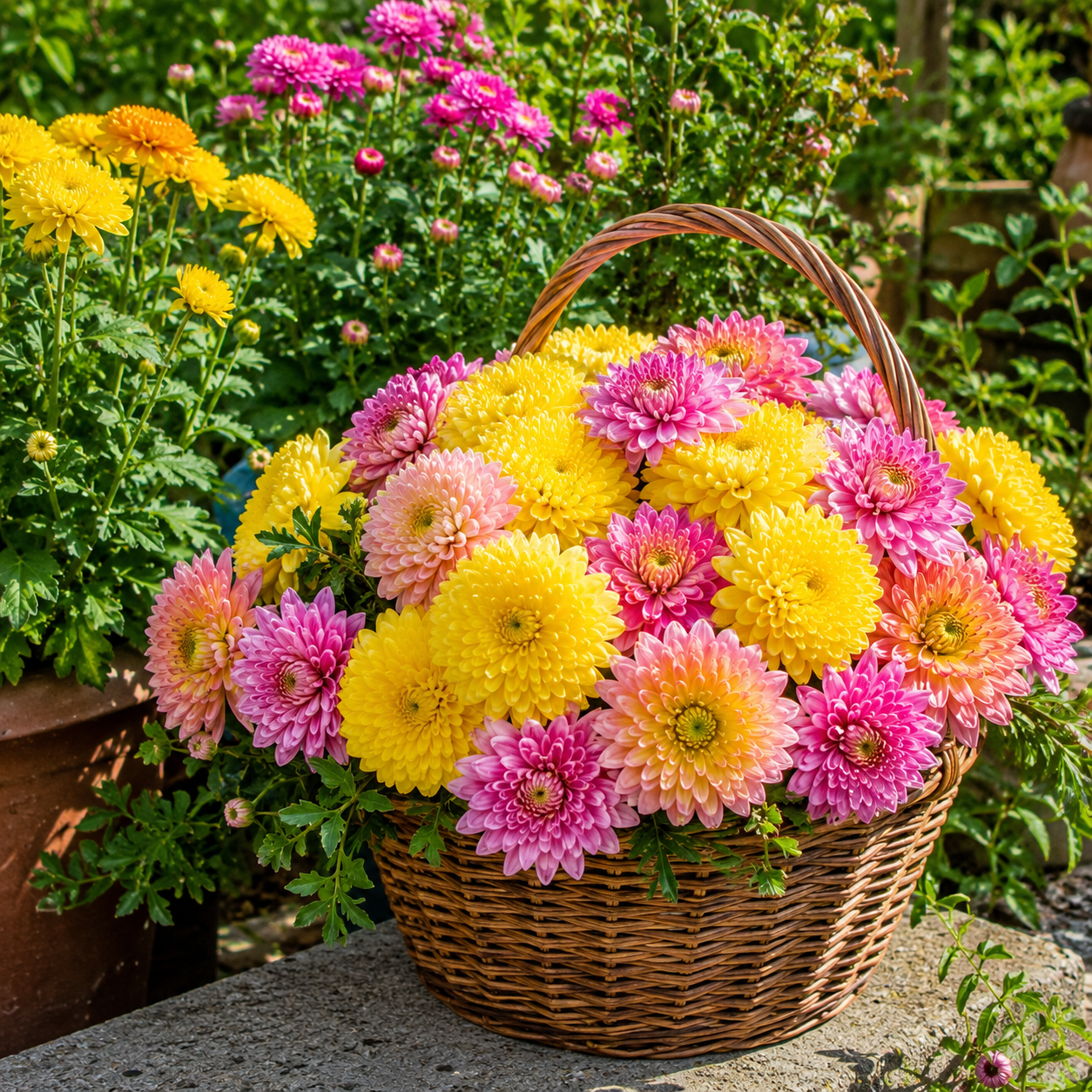
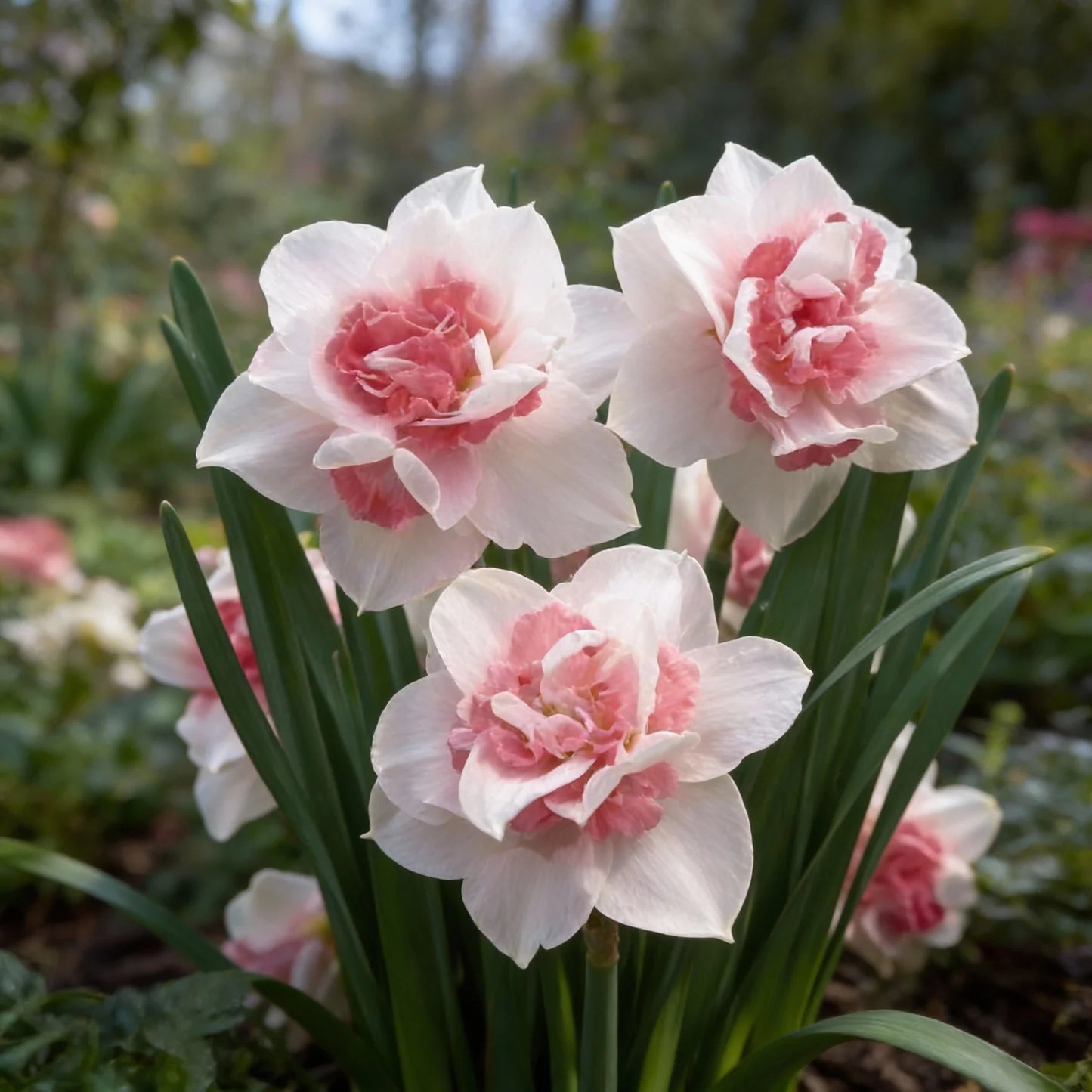
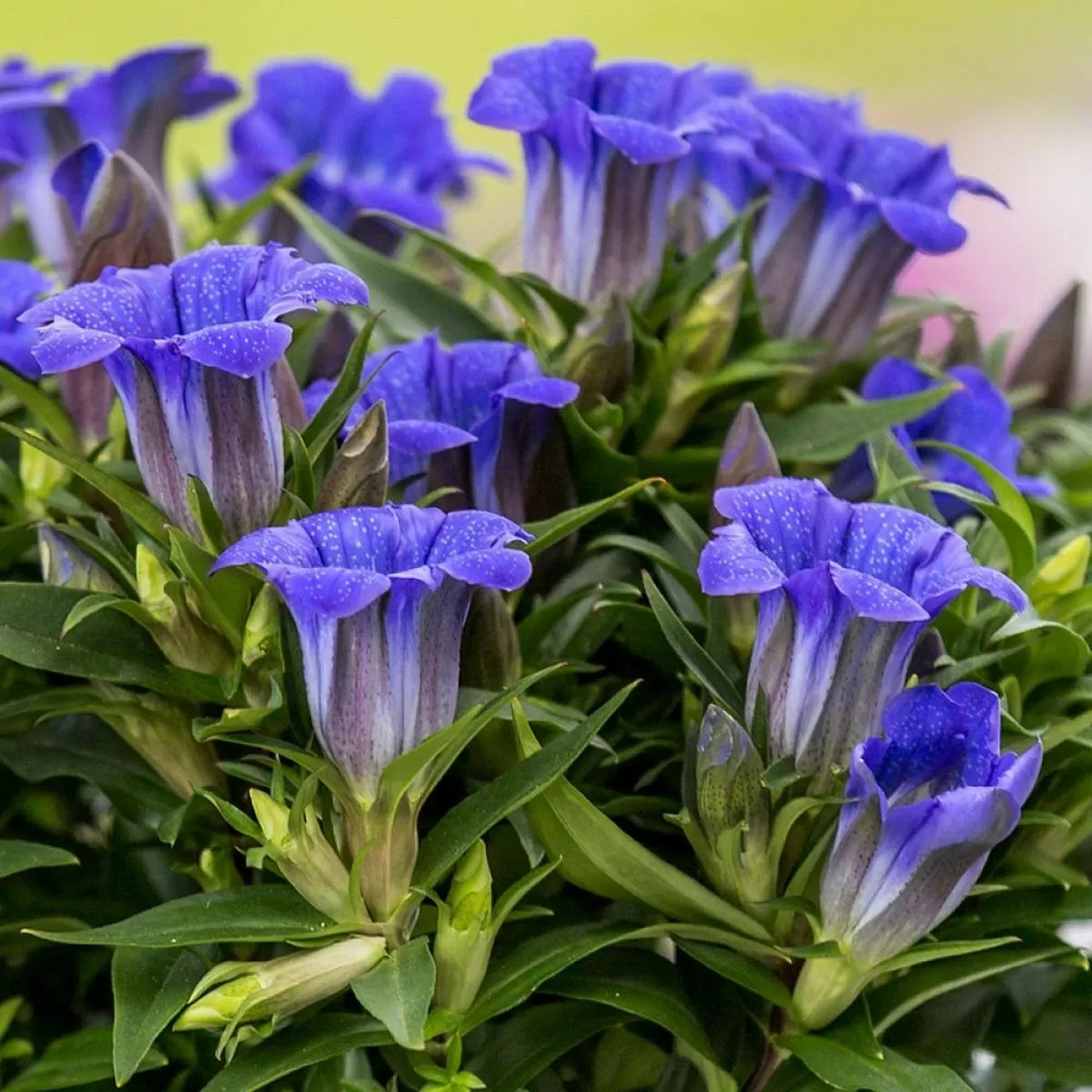
Depending on availability, this collection can include unusual columbines, exotic hibiscus, specialty sunflowers, distinctive celosia, passion flowers, unusual orchids, Tigridia, unusual poppies, rare-colored daisies, specialty dahlias, dramatic vines, and other fascinating ornamental varieties.
Individual flowers vary in mature height, growth habit, bloom season, climate preference, and germination requirements.
Plant Care Insights
Planting: Follow species-specific sowing depth, temperature, stratification, or germination requirements.
Sunlight & Soil: Provide suitable light and fertile, well-drained soil according to each species.
Watering: Maintain appropriate moisture during germination and establishment without prolonged waterlogging.
Best Season: Sowing periods vary among annual, biennial, perennial, tropical, and cool-season flowers.
Flowering: Bloom timing depends on species, planting date, climate, and plant maturity.
Frequently Asked Questions
What are Unique Flower Seeds?
This collection features flowers selected for distinctive characteristics such as unusual colors, flower forms, patterns, foliage, growth habits, or overall ornamental appearance.
Are Unique Flowers difficult to grow?
Not necessarily. Some grow as easily as common garden flowers, while others may require specific temperatures, stratification, longer germination periods, or specialized growing conditions.
Can Unique Flower Seeds grow across different US climates?
Yes, depending on species. Select varieties appropriate for your USDA zone, local temperatures, sunlight, and growing-season length.
Will seed-grown flowers look exactly like the parent flower?
Not always. Some seed-grown varieties can show natural genetic variation in bloom color, shape, size, pattern, and other characteristics.
Shop By Category