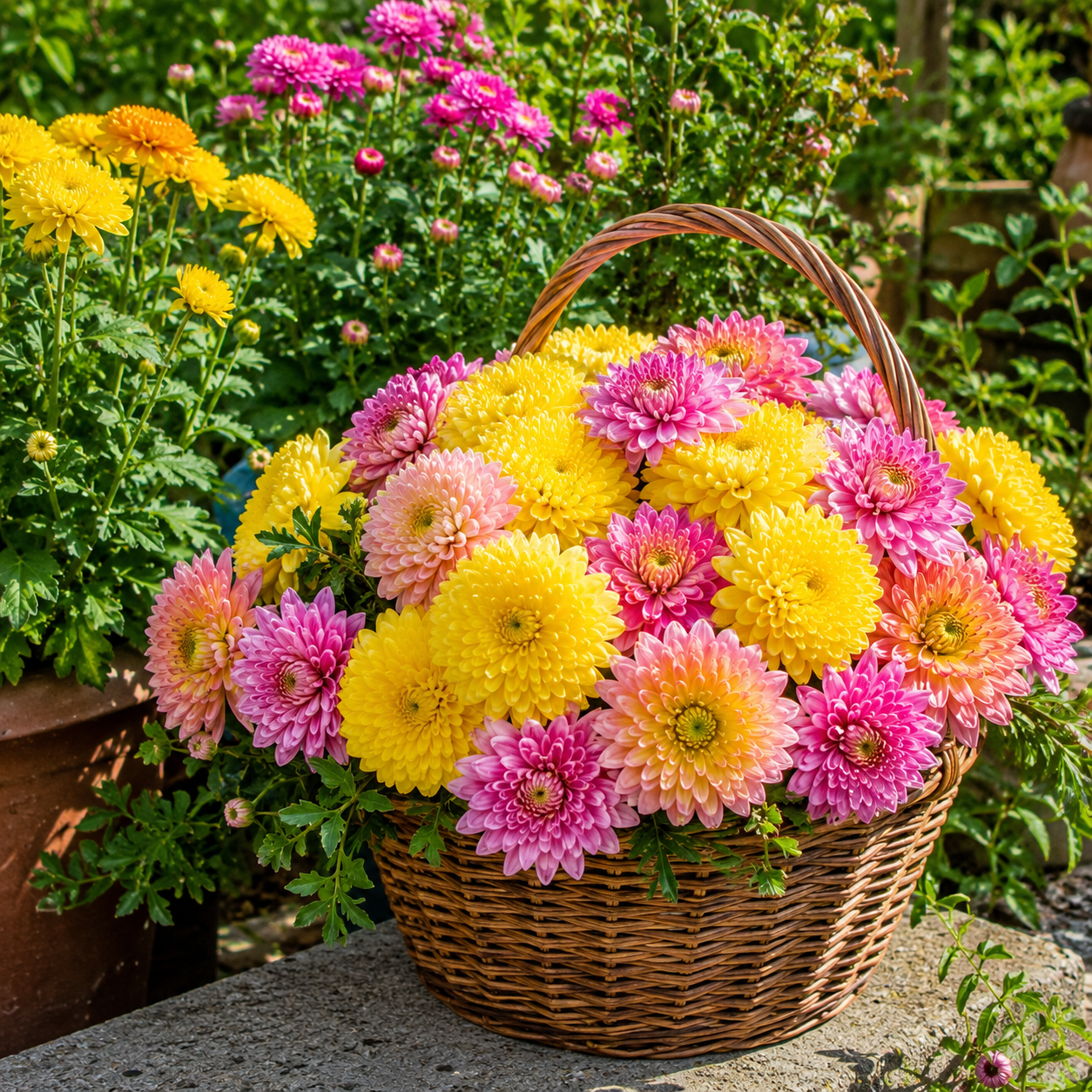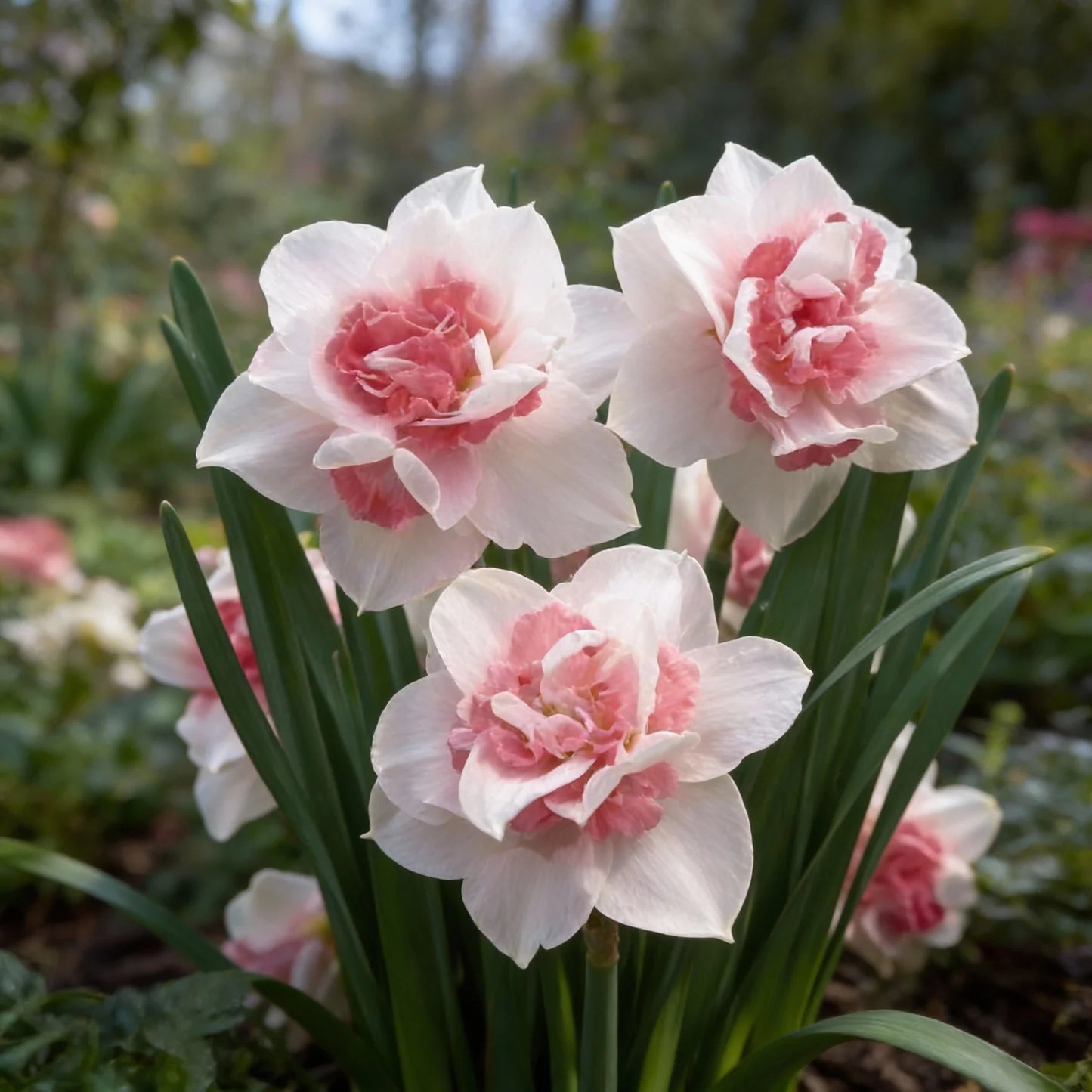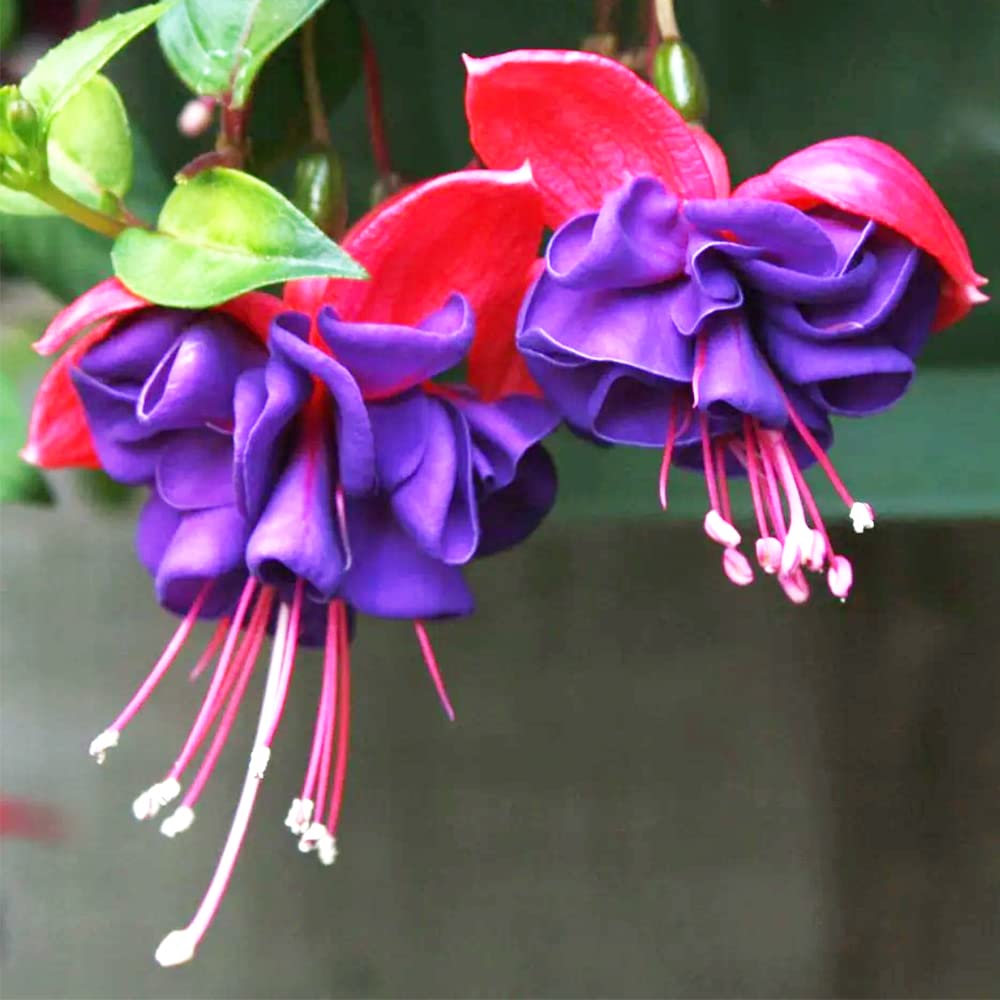
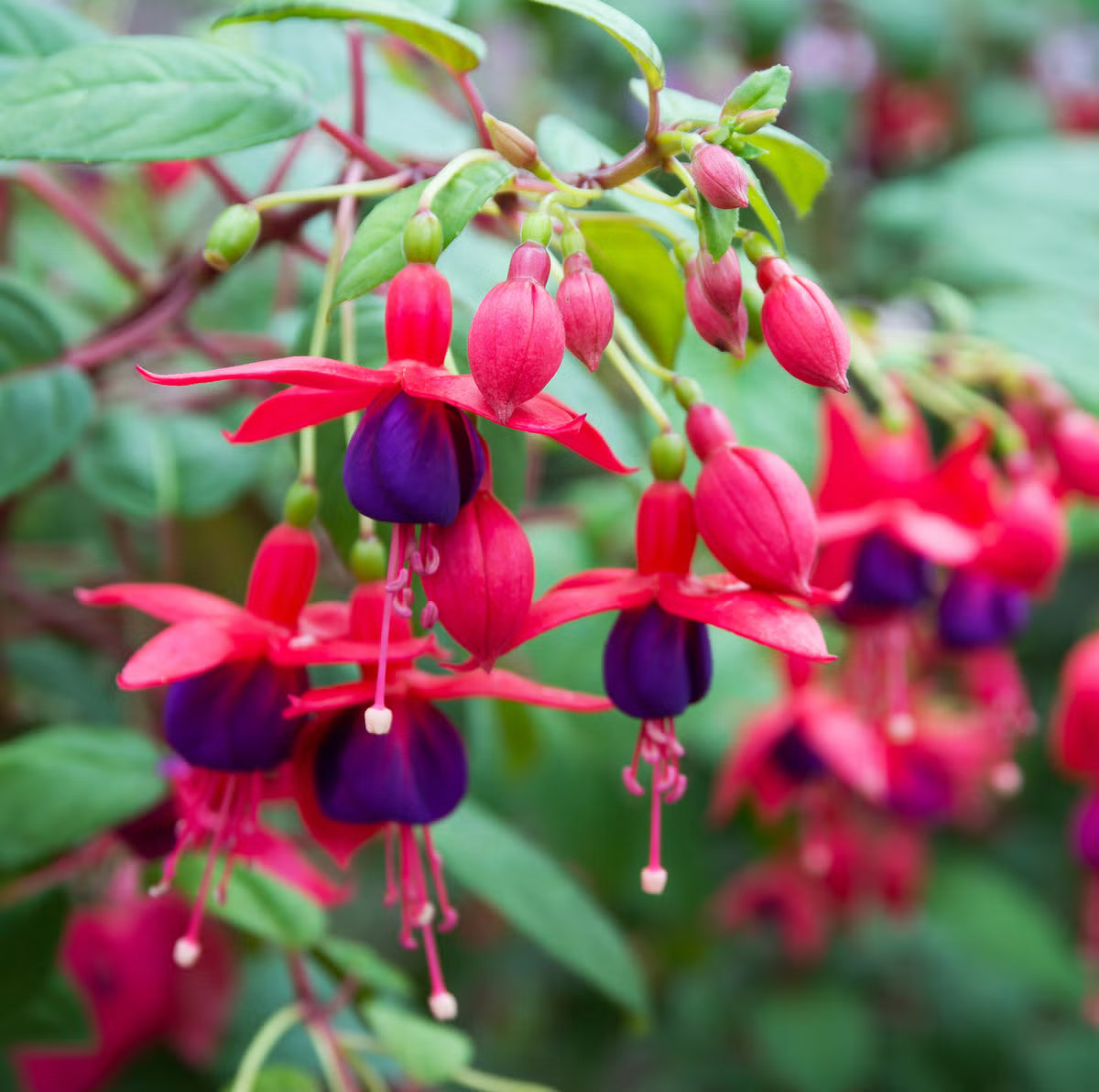
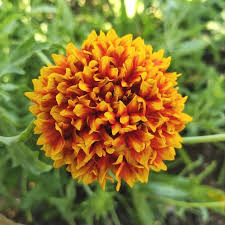

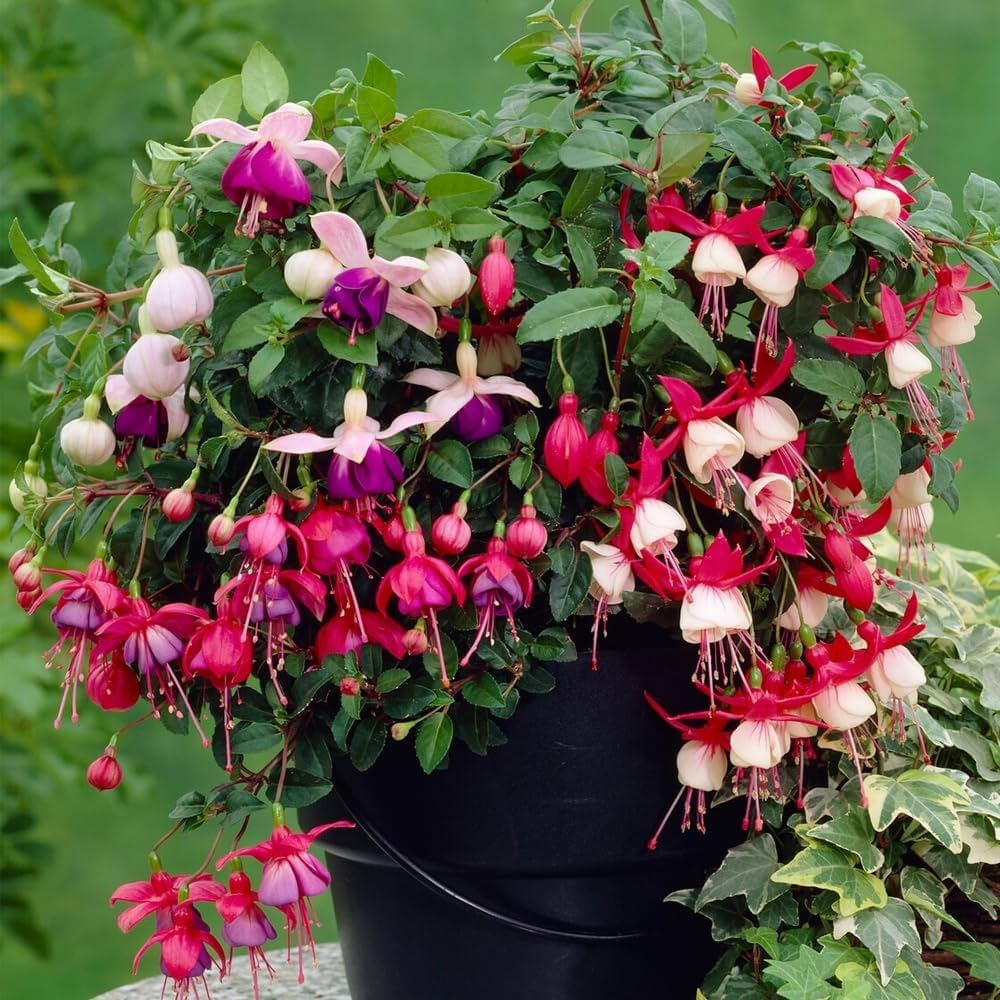
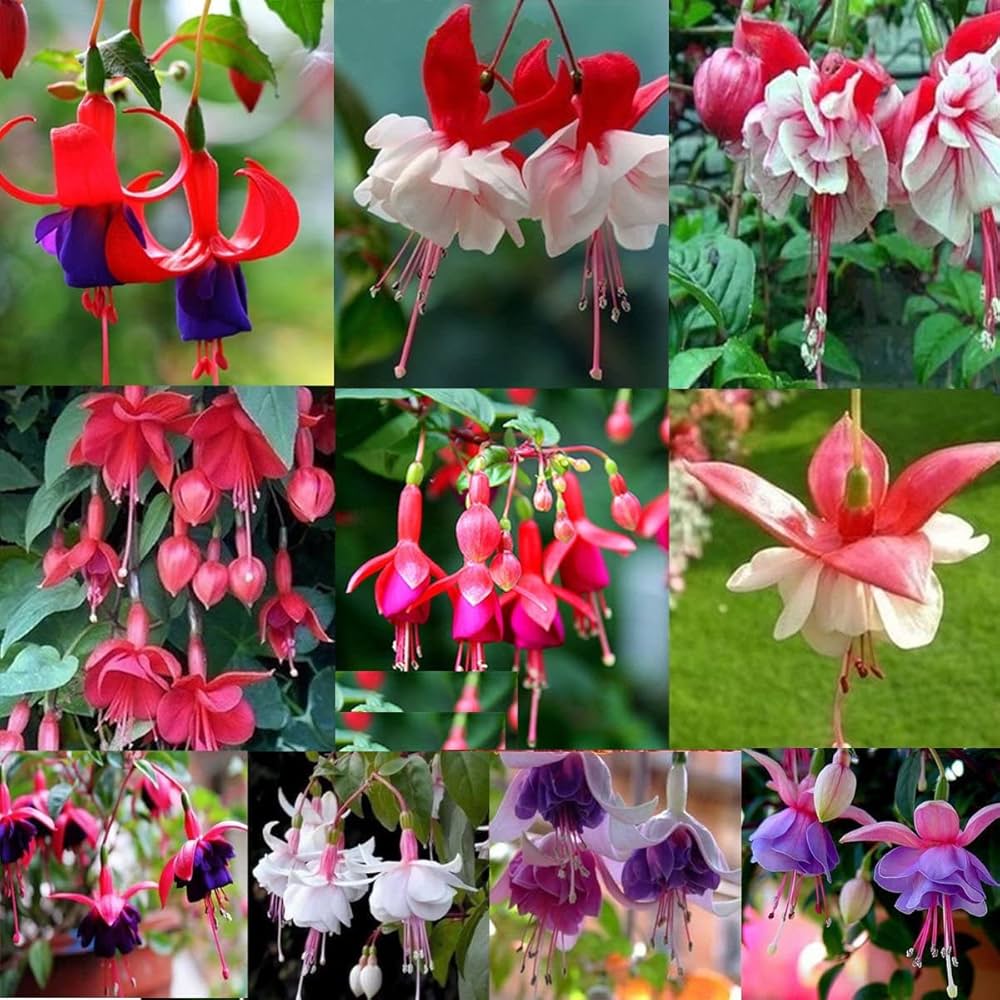
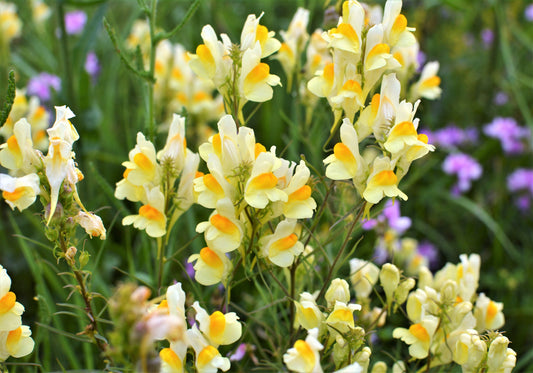
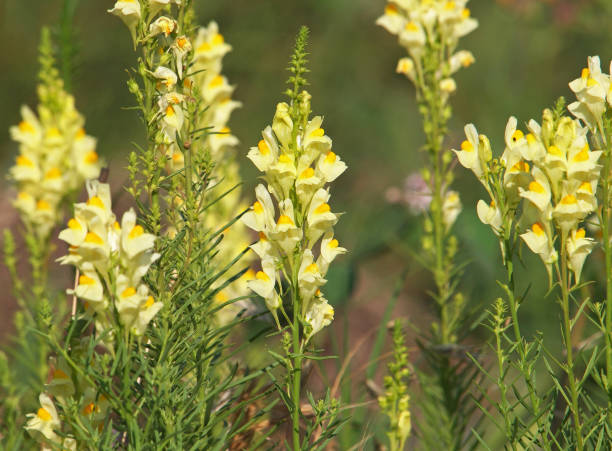
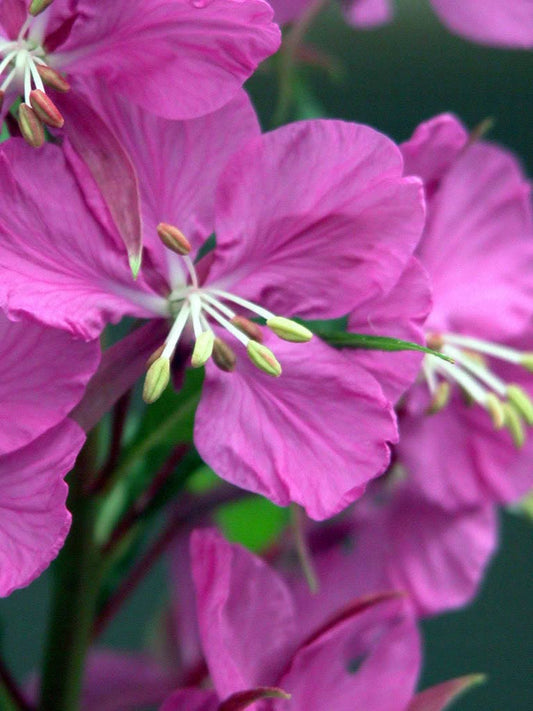

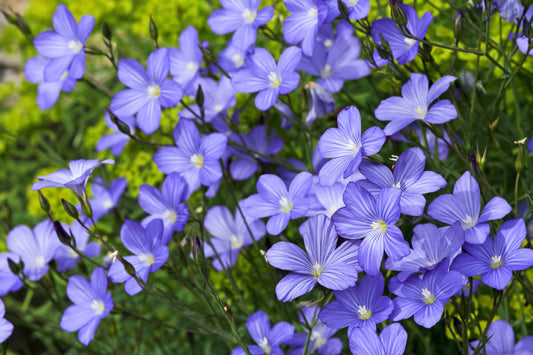
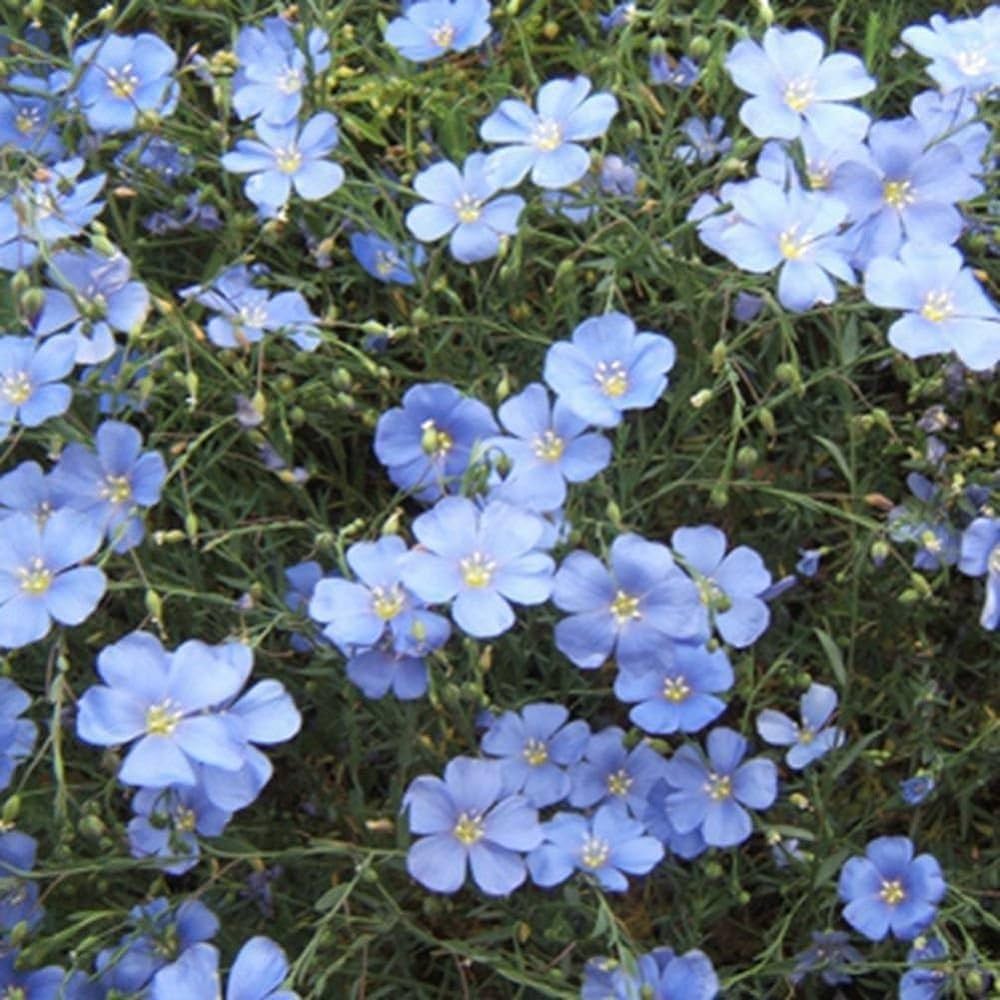
Wildflower Seeds Shop By Family – Discover the Beauty of Botanical Diversity
A wildflower garden becomes even more fascinating when you discover how different flowers are botanically connected. Shopping wildflower seeds by family makes it easier to explore related plants while discovering distinctive flower shapes, growth habits, colors, and landscape possibilities.
Wildflower Seeds Shop By Family from Evergrow Seeds helps US home gardeners explore beautiful wildflowers for meadow gardens, pollinator landscapes, cottage borders, and naturalistic planting areas.
Browse Wildflower Seeds By Family
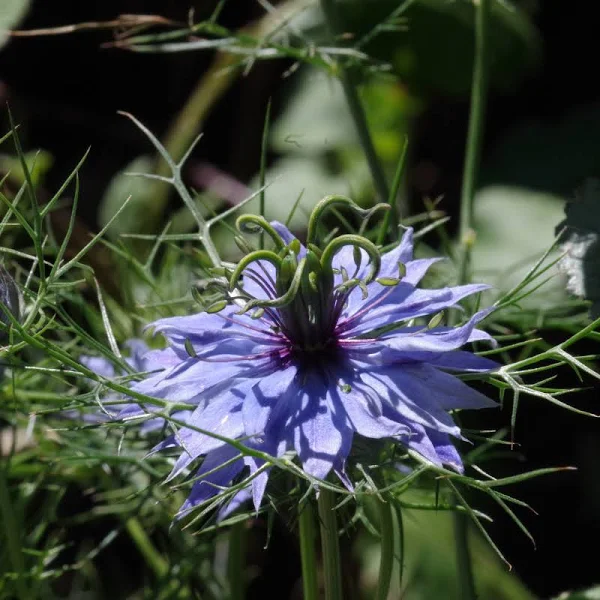
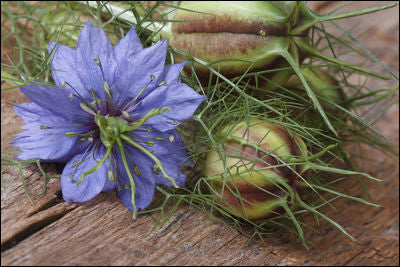
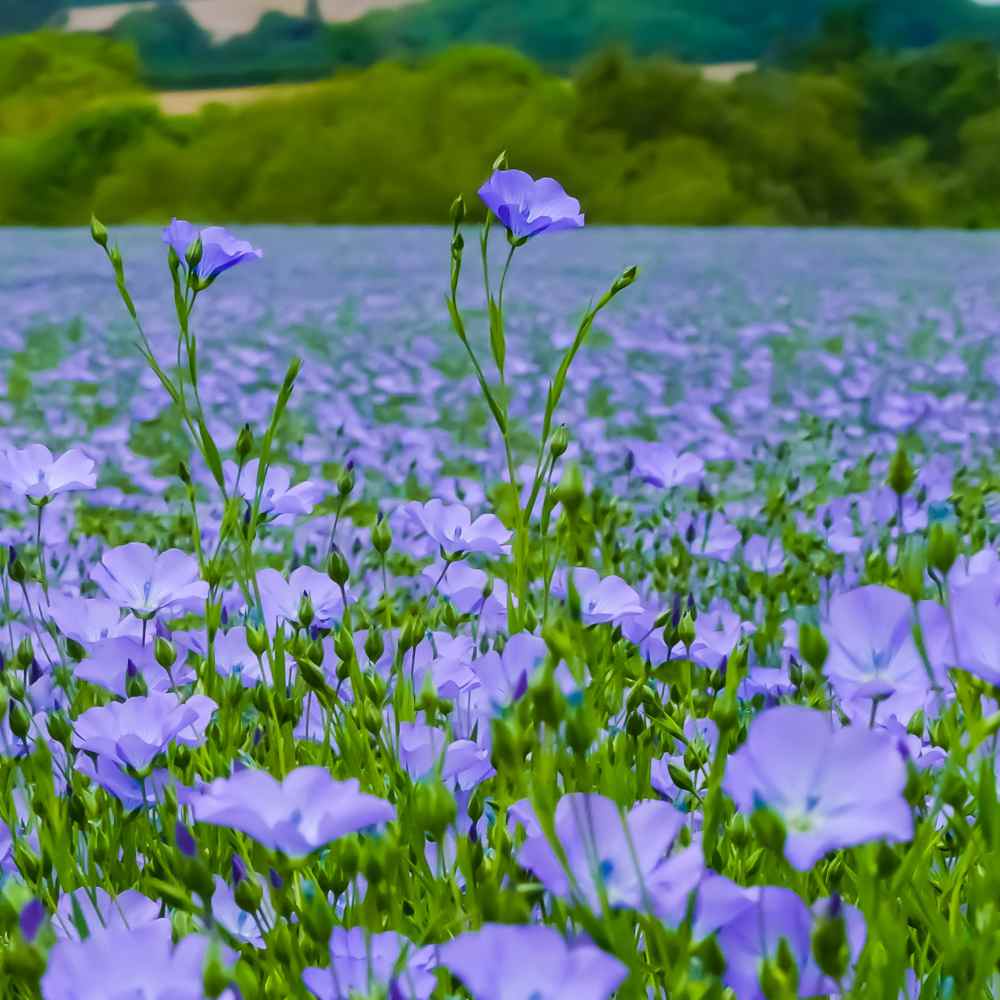
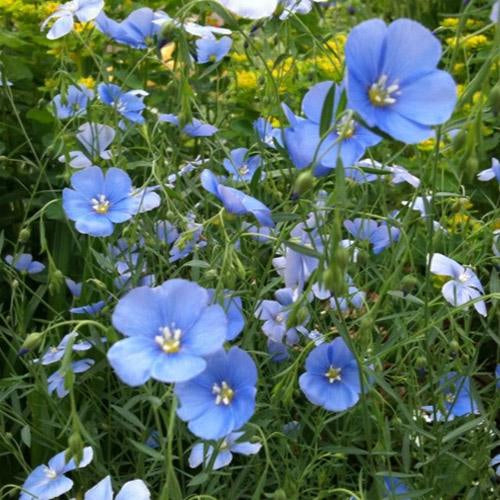
Depending on the collection, gardeners can explore wildflowers from families such as Asteraceae, Fabaceae, Lamiaceae, Campanulaceae, Papaveraceae, Ranunculaceae, Boraginaceae, Onagraceae, and other botanical groups.
These families can include familiar favorites such as asters, coreopsis, coneflowers, lupines, poppies, columbines, bellflowers, forget-me-nots, and evening primroses.
Plant Care Insights
Planting: Follow species-specific sowing depth, germination, and stratification requirements.
Sunlight & Soil: Select wildflower families and species suited to your site's light and soil conditions.
Watering: Maintain suitable moisture during germination and establishment without prolonged waterlogging.
Best Season: Sowing periods vary according to species, climate, and regional frost patterns.
Garden Planning: Combine compatible families with different flowering periods for extended seasonal color.
Frequently Asked Questions
What does Shop By Family mean for Wildflower Seeds?
It organizes wildflowers according to their botanical plant families, helping gardeners discover related species and explore their shared or distinctive characteristics.
Which botanical family contains daisies and sunflowers?
The Asteraceae family includes sunflowers, asters, coreopsis, coneflowers, black-eyed Susans, and many other familiar daisy-like flowers.
Can different Wildflower families grow together?
Yes. Compatible species from different families can create diverse meadow and pollinator plantings when their sunlight, soil, moisture, and climate requirements are similar.
Do Wildflower Seeds attract pollinators?
Many wildflowers provide valuable nectar or pollen for bees, butterflies, hummingbirds, and other pollinators. Pollinator value varies according to the individual species.
Shop By Category