
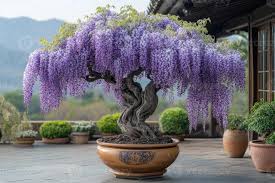
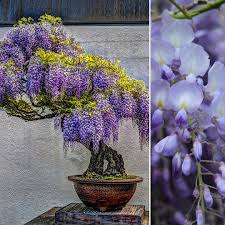







Wisteria Flower Seeds for Planting – Cascading Beauty for a Romantic Cottage Garden
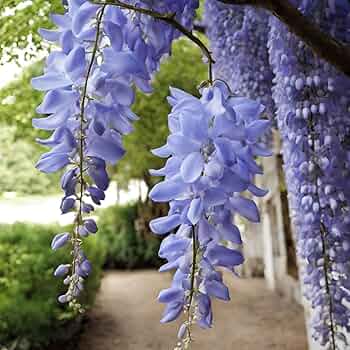
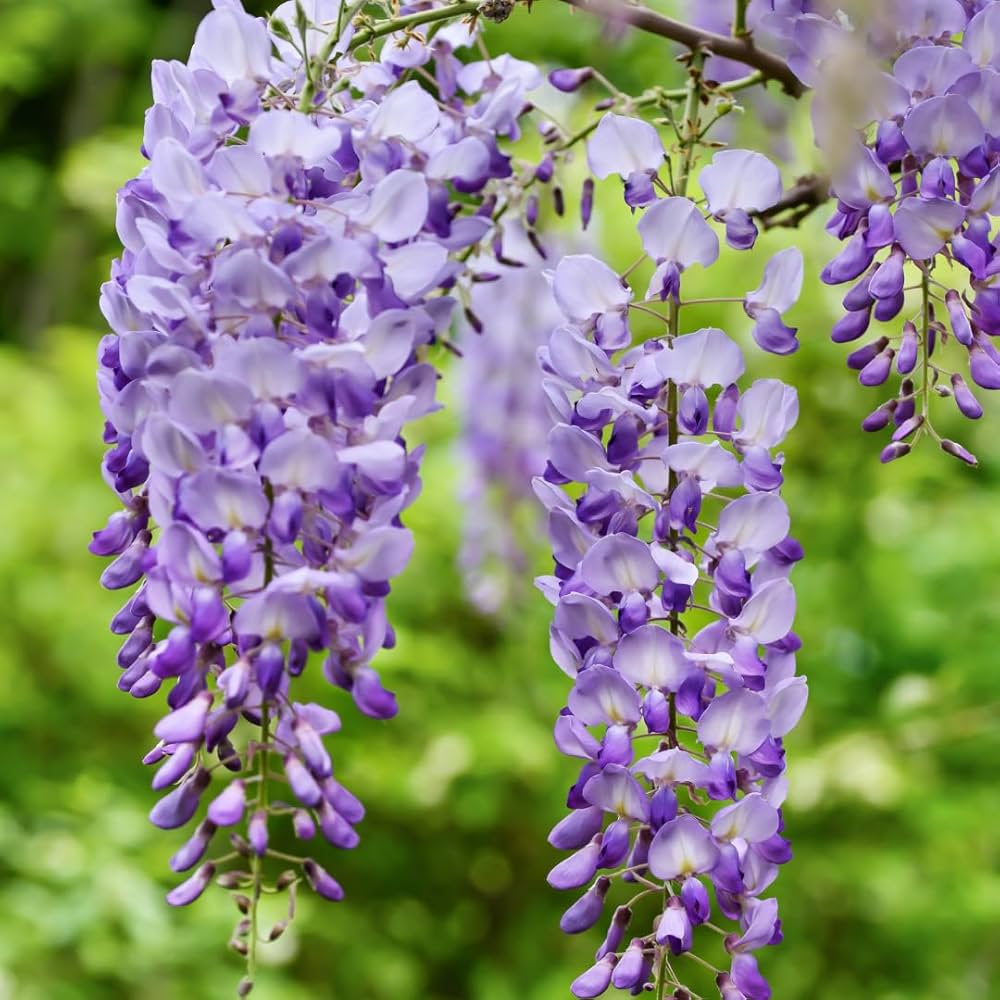
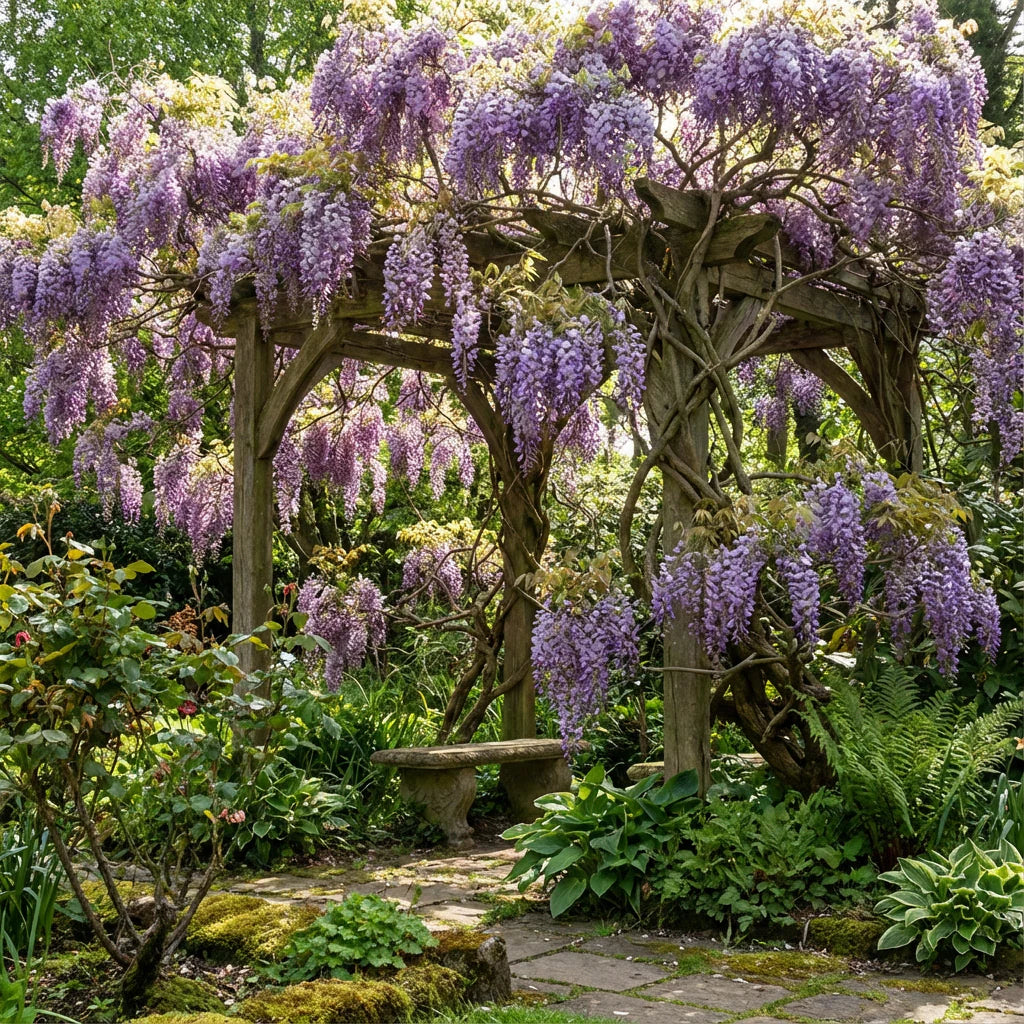
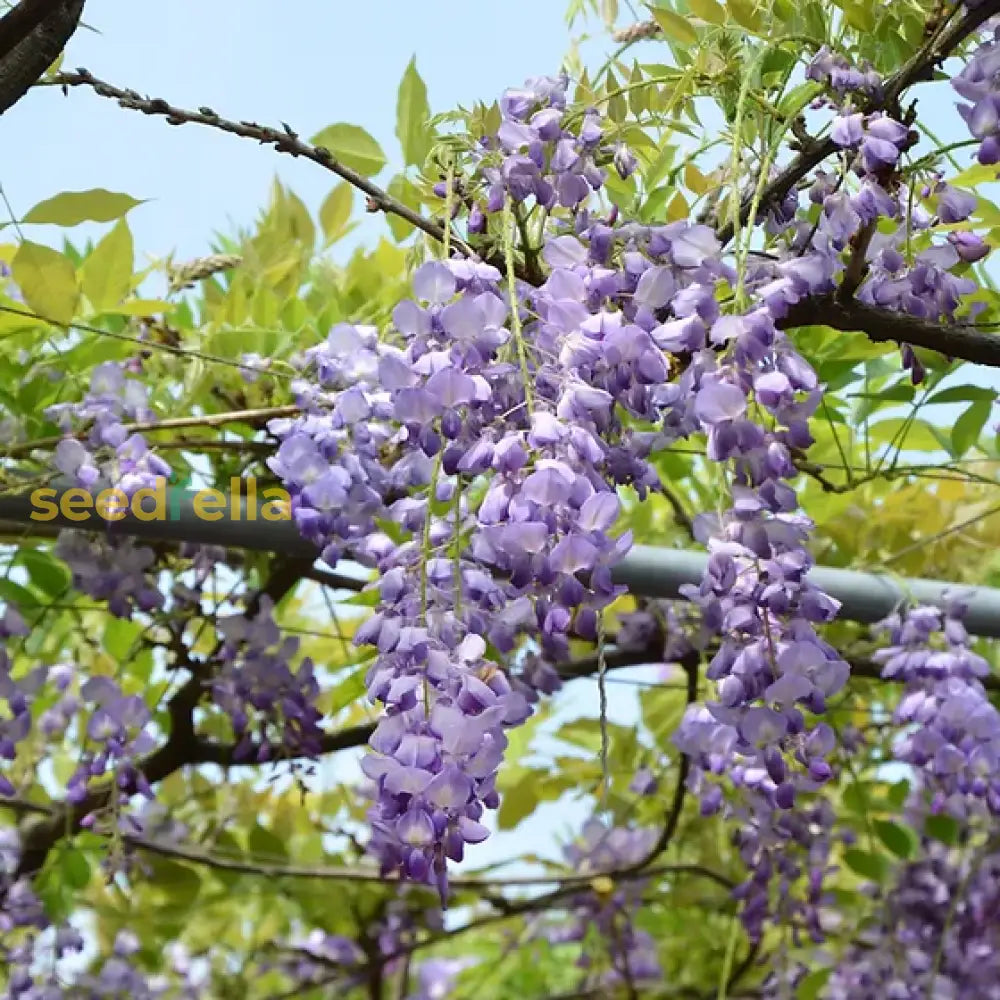
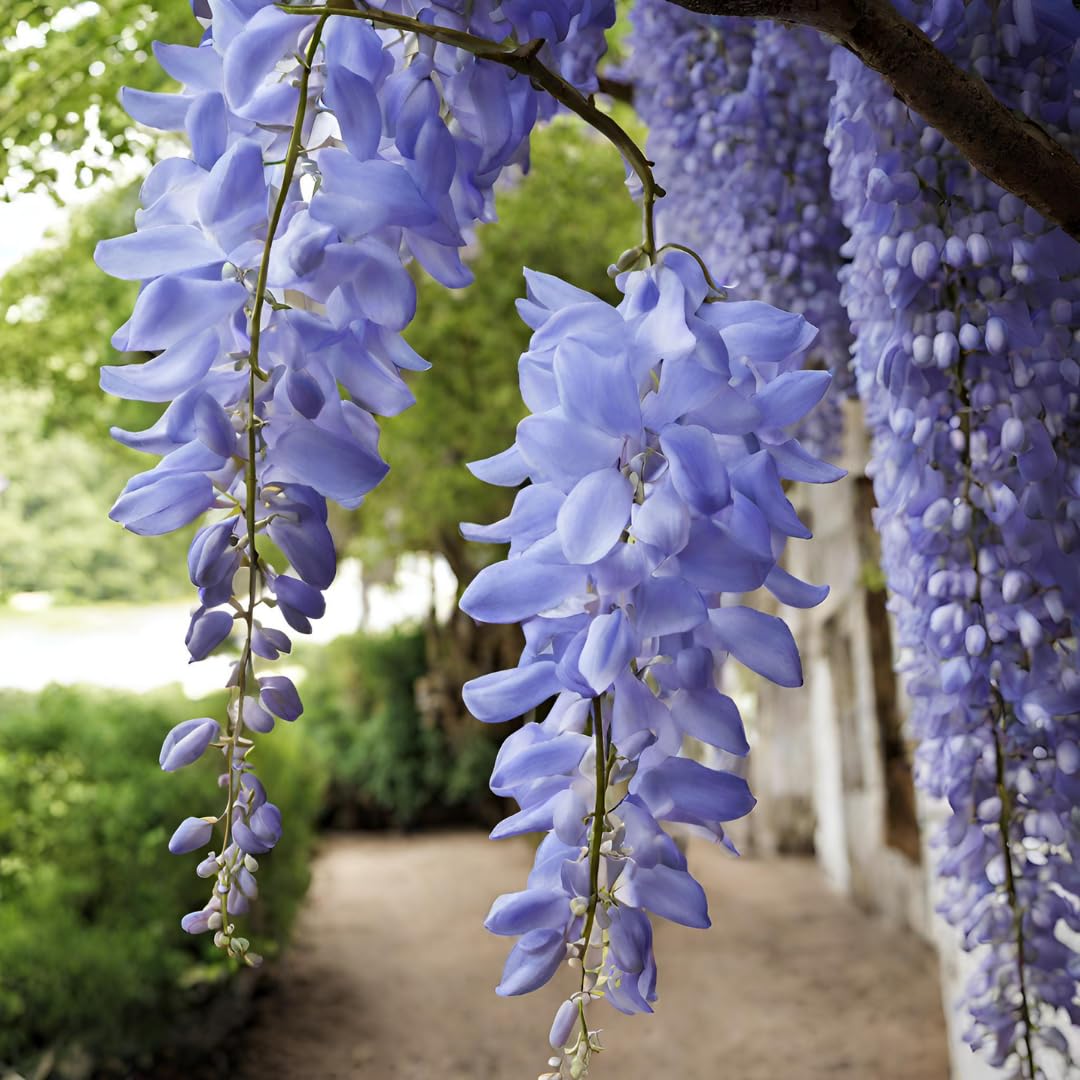
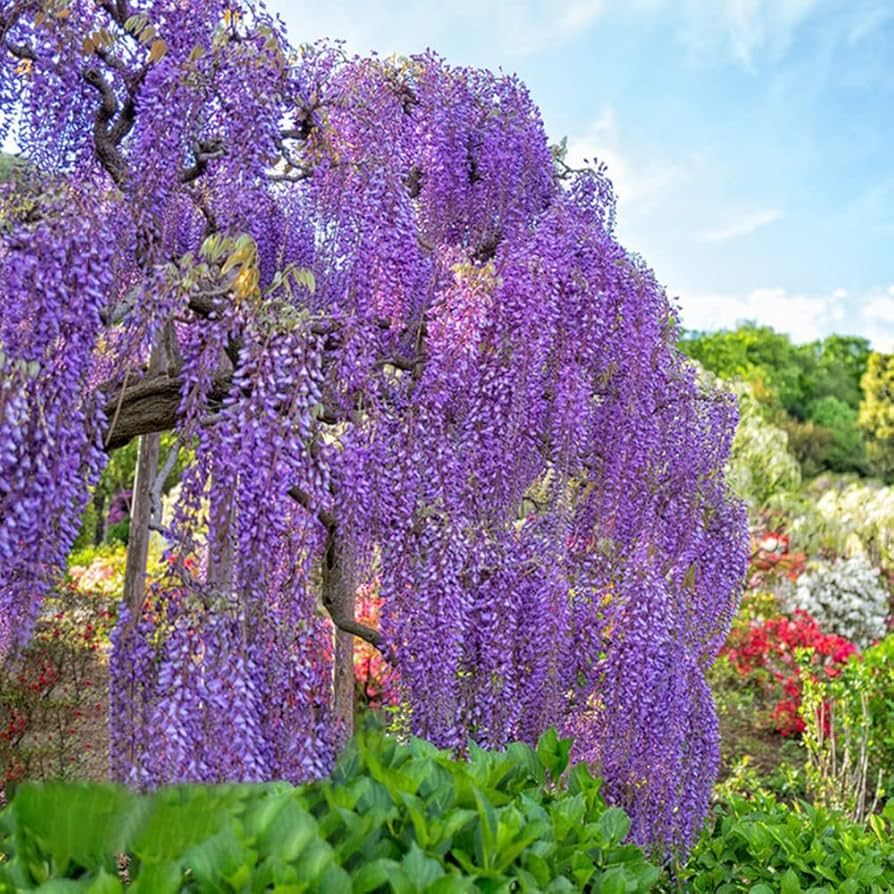
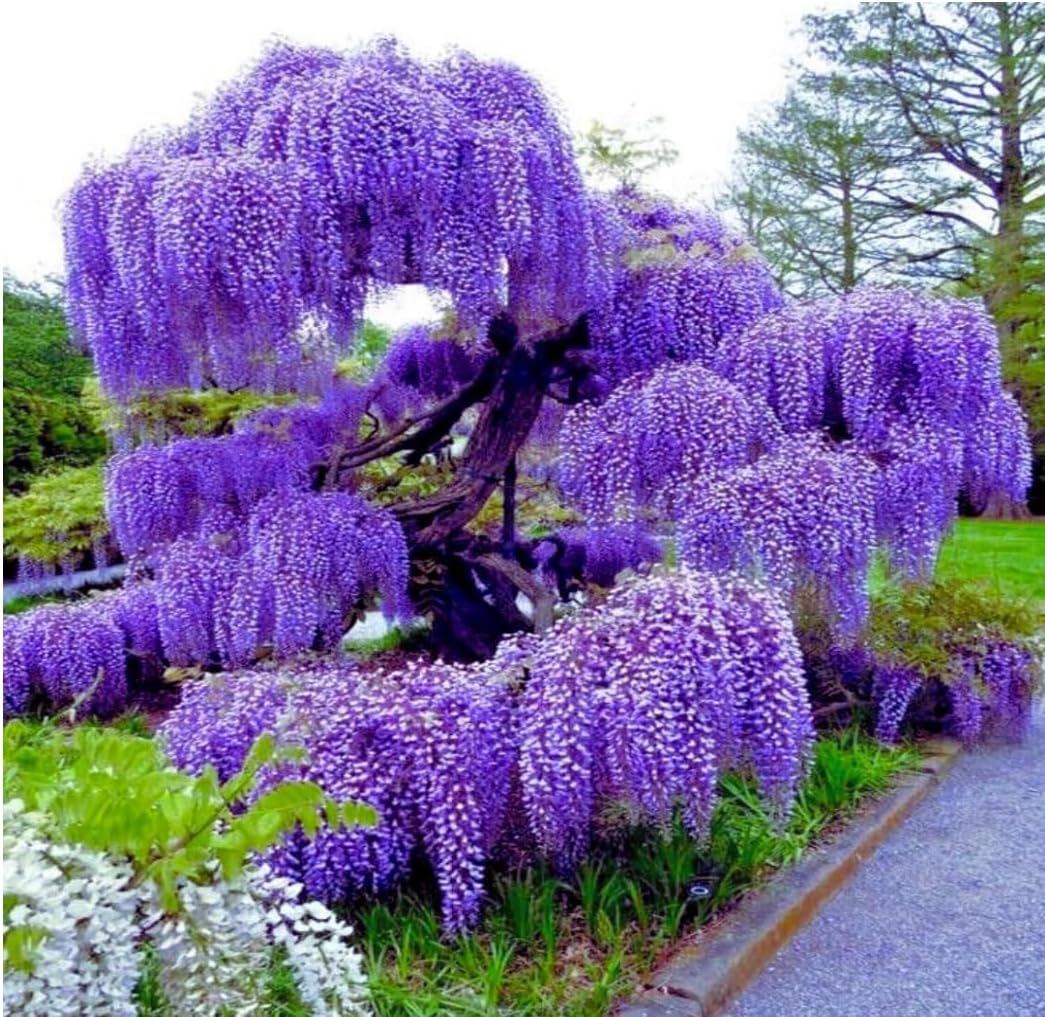
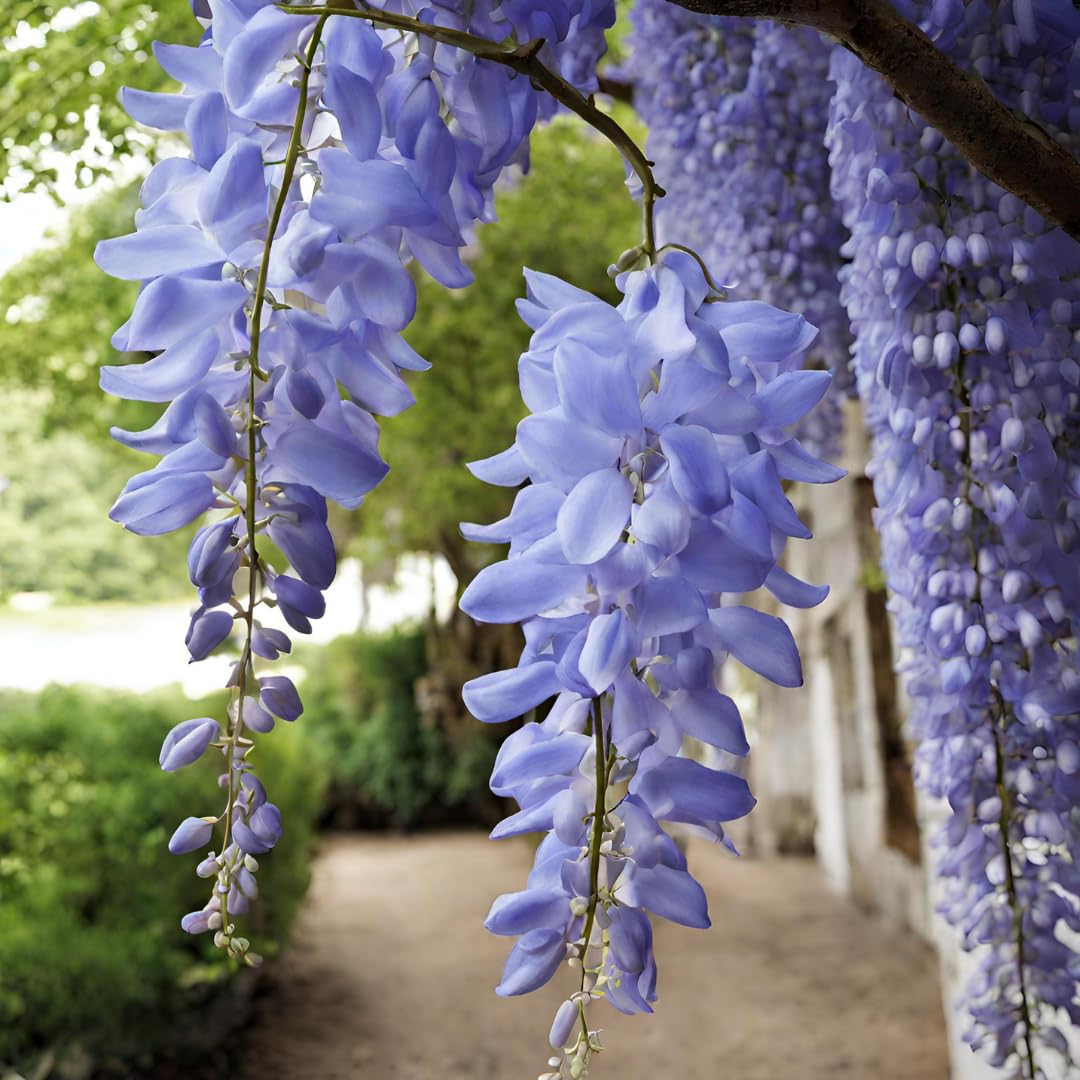
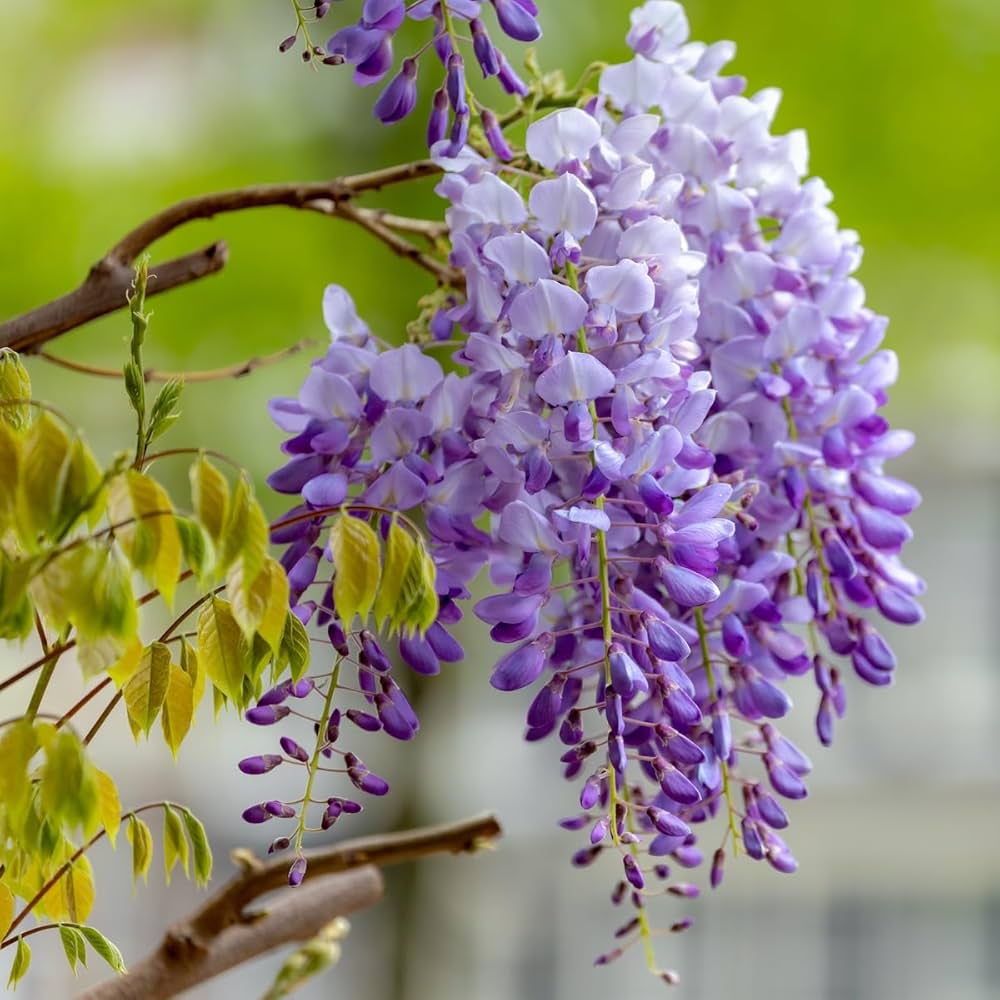
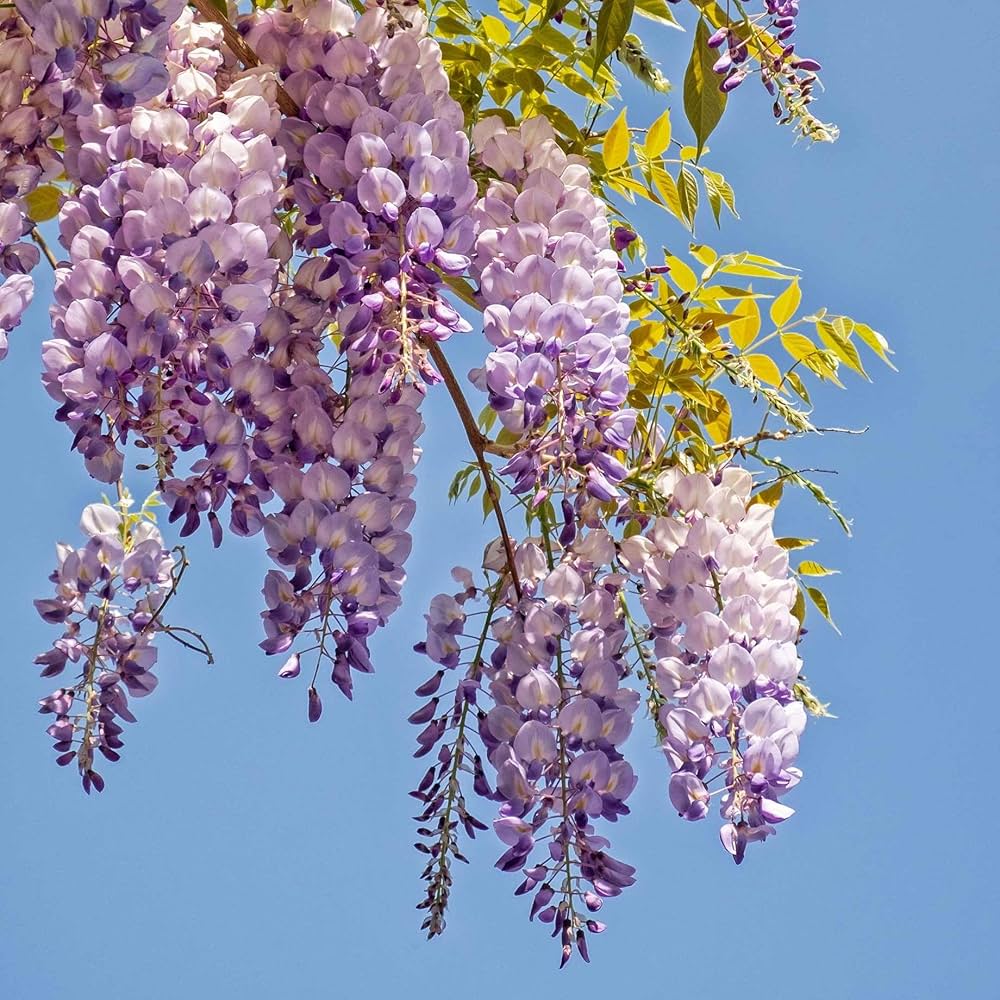
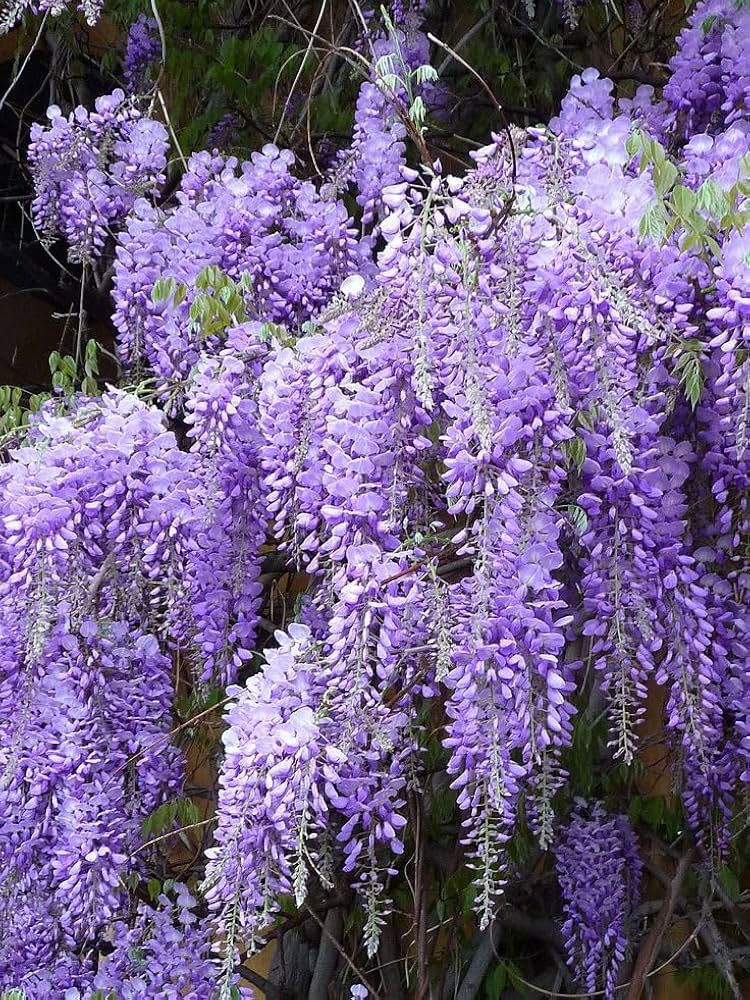
Few flowering vines capture old-fashioned garden romance quite like wisteria. Its long, cascading clusters of blossoms drape gracefully from established vines, creating dreamy curtains of color above pathways and garden structures. Trained over a strong arbor or pergola, wisteria can bring the timeless atmosphere of a storybook cottage garden to the landscape.
Wisteria Flower Seeds from Evergrow Seeds are available at evergrowseeds.com for US home gardeners interested in growing an ornamental climbing vine from seed. Wisteria is a vigorous, long-lived woody vine, so thoughtful placement and a strong permanent support are important as plants mature.
Browse Our Wisteria Flower Seeds
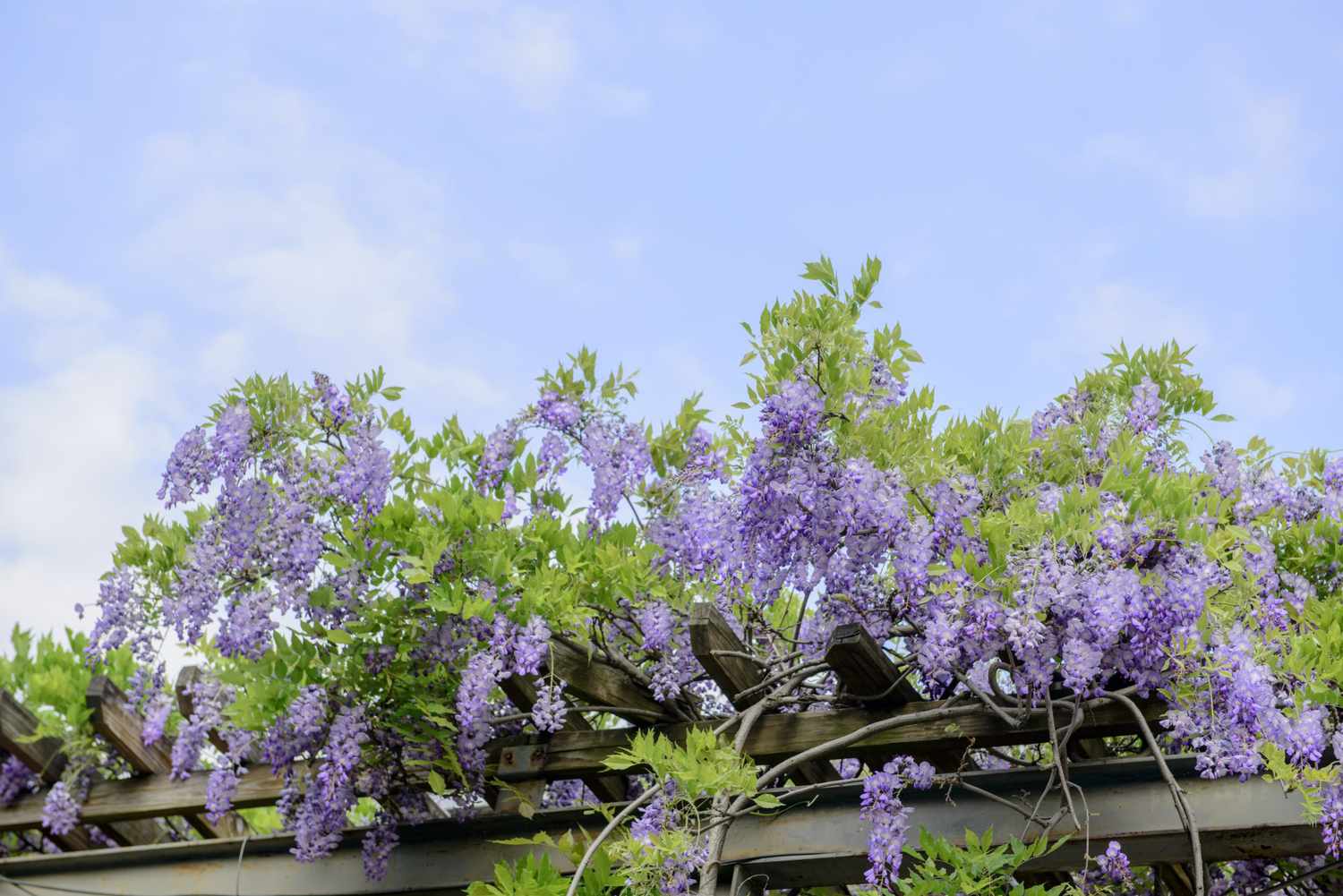
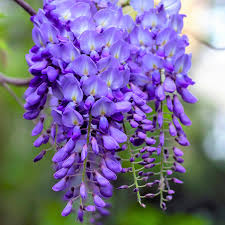
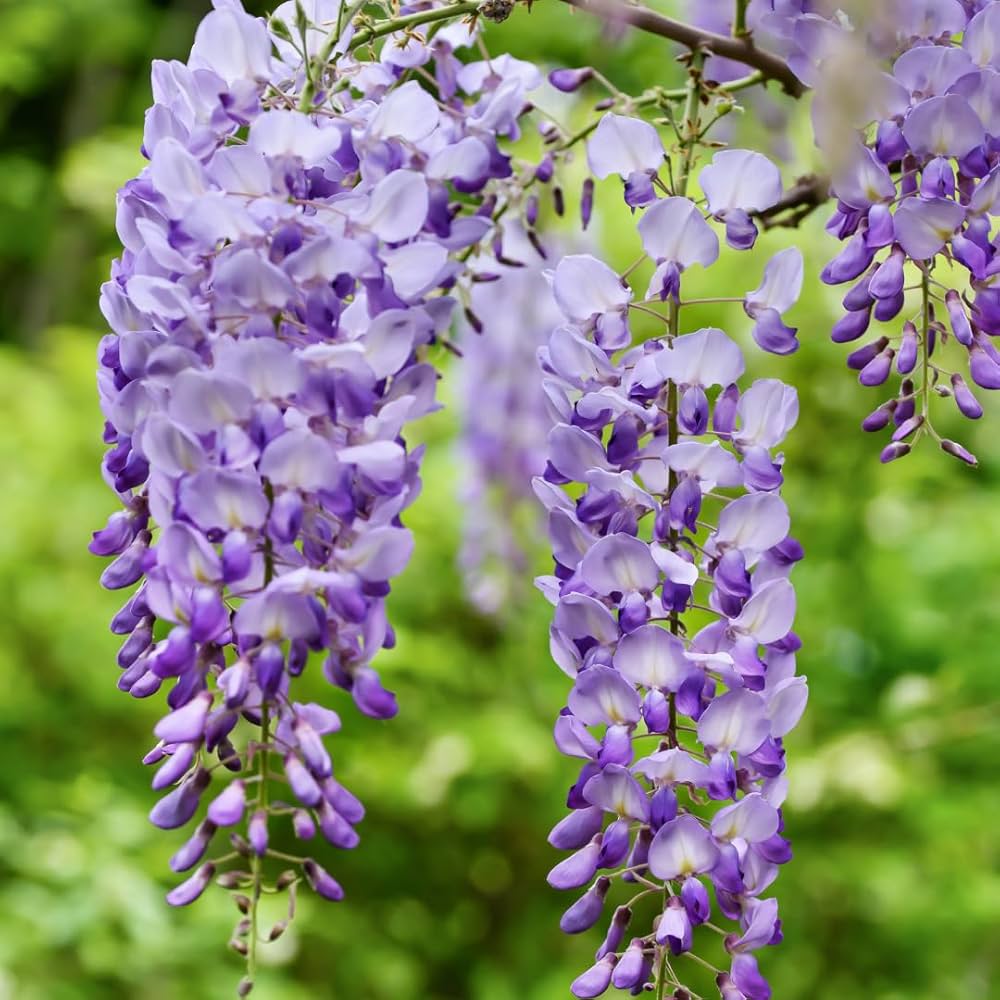
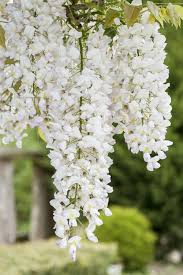
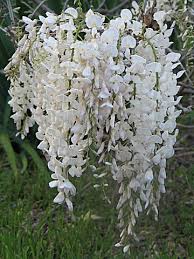
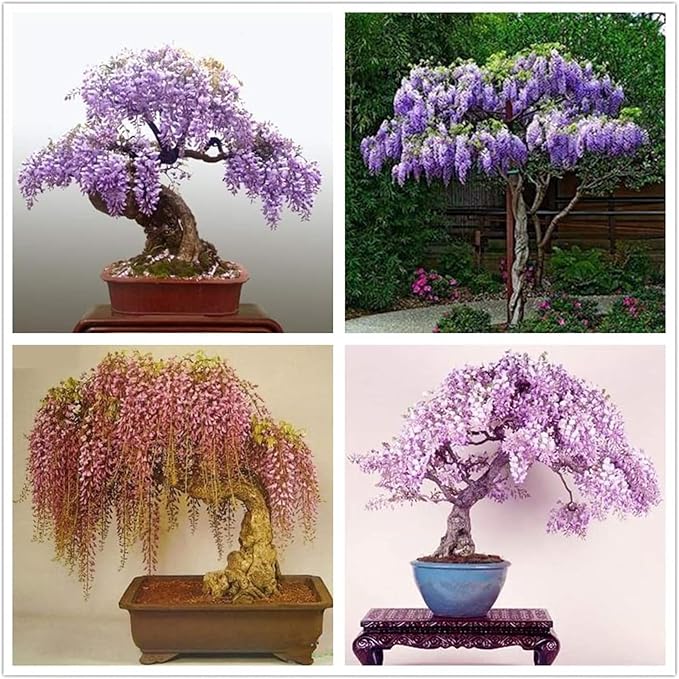
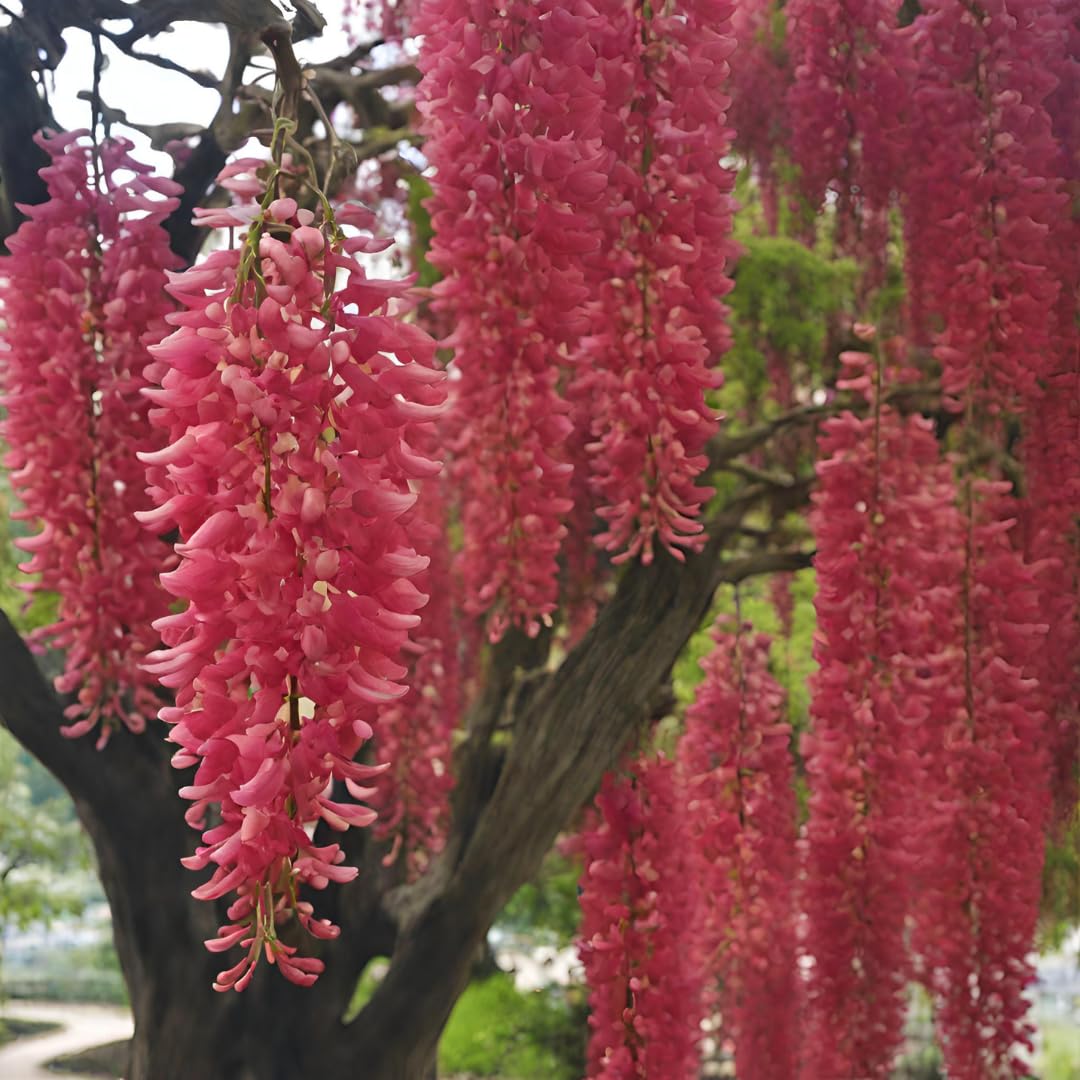
Depending on species, variety, and seedling genetics, wisteria flowers may appear in shades of lavender, lilac, violet, blue-violet, purple, pink, or white. The blossoms typically develop in hanging clusters that create the cascading appearance for which wisteria is treasured.
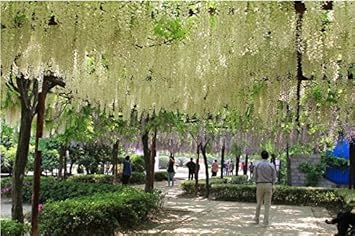
Wisteria can create a striking focal point when trained over substantial pergolas, arbors, or other structures designed to support mature woody vines. Because seedlings can differ from their parent plants, flower color, form, vigor, and eventual blooming characteristics may naturally vary.
Plant Care Insights
Sunlight
Wisteria generally flowers best with abundant direct sunlight, although established vines can tolerate some partial shade.
Soil
Choose fertile to moderately fertile, well-drained soil with enough space for the plant to develop an extensive root system.
Watering
Provide consistent moisture while young plants establish, avoiding prolonged waterlogged conditions around the roots.
Companion Plants
Wisteria can be paired visually with roses, peonies, lavender, and other cottage favorites while giving the vine sufficient independent growing space.
Maintenance
Regular pruning is important for controlling vigorous growth and maintaining a manageable framework. Train young stems onto a strong support and prevent vines from spreading onto unsuitable structures.
Frequently Asked Questions
Can wisteria grow across different US climates?
Climate suitability depends greatly on the wisteria species being grown.
Choose species appropriate for local winters, summers, and regional conditions.
How large can mature wisteria vines become?
Wisteria can become a large, vigorous woody vine over time.
Mature spread varies by species, pruning practices, and available support.
When does wisteria typically produce flowers?
Established wisteria commonly flowers during spring or early summer.
Seed-grown plants may require several years before producing their first flowers.
Are all wisteria species suitable for US gardens?
No, some introduced wisterias can become invasive in parts of America.
Check local guidance and favor regionally appropriate, responsibly managed species.
Shop By Category