Sapota Seeds – Organic Non-GMO Chikoo Fruit Tree for Home Gardens
Sapota Tree Seeds – Organic Tropical Fruit for Terrace and Orchard Growing
Organic Sapota Plant Seeds – Nutrient-Rich Tropical Fruit Variety
Sapota Tree Seeds – Organic Tropical Fruit for Terrace and Orchard Growing

Sapota (Chikoo) Tree Seeds – Tropical Sweet Fruiting Variety

Regular price $16.49 USD
Sale price $16.49 USD Regular price
Save 0
10 Pcs
50 Pcs
100 Pcs
  • Estimated Delivery:Jan 19 - Jan 23

  • Free Shipping on all orders.

Product description

Overview

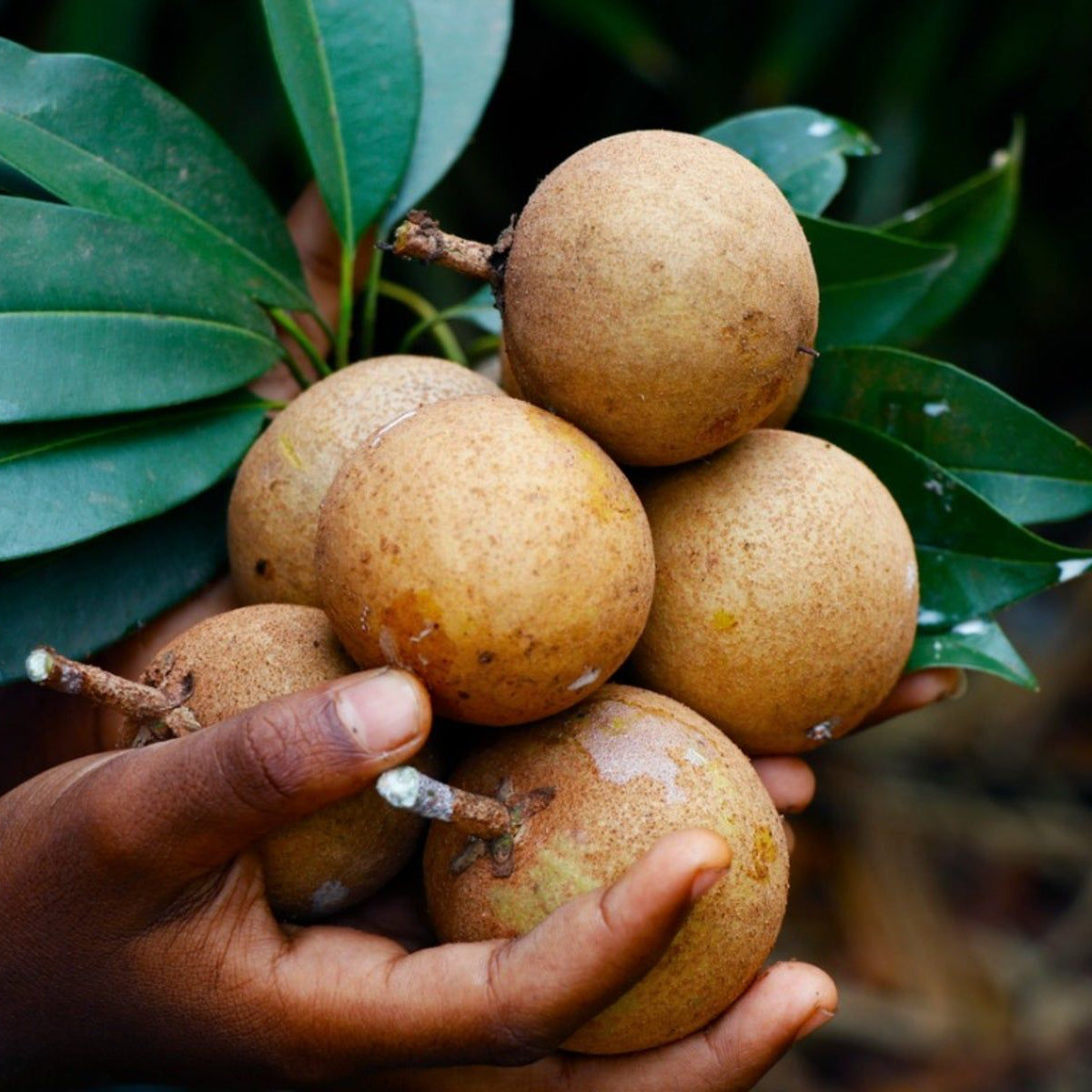
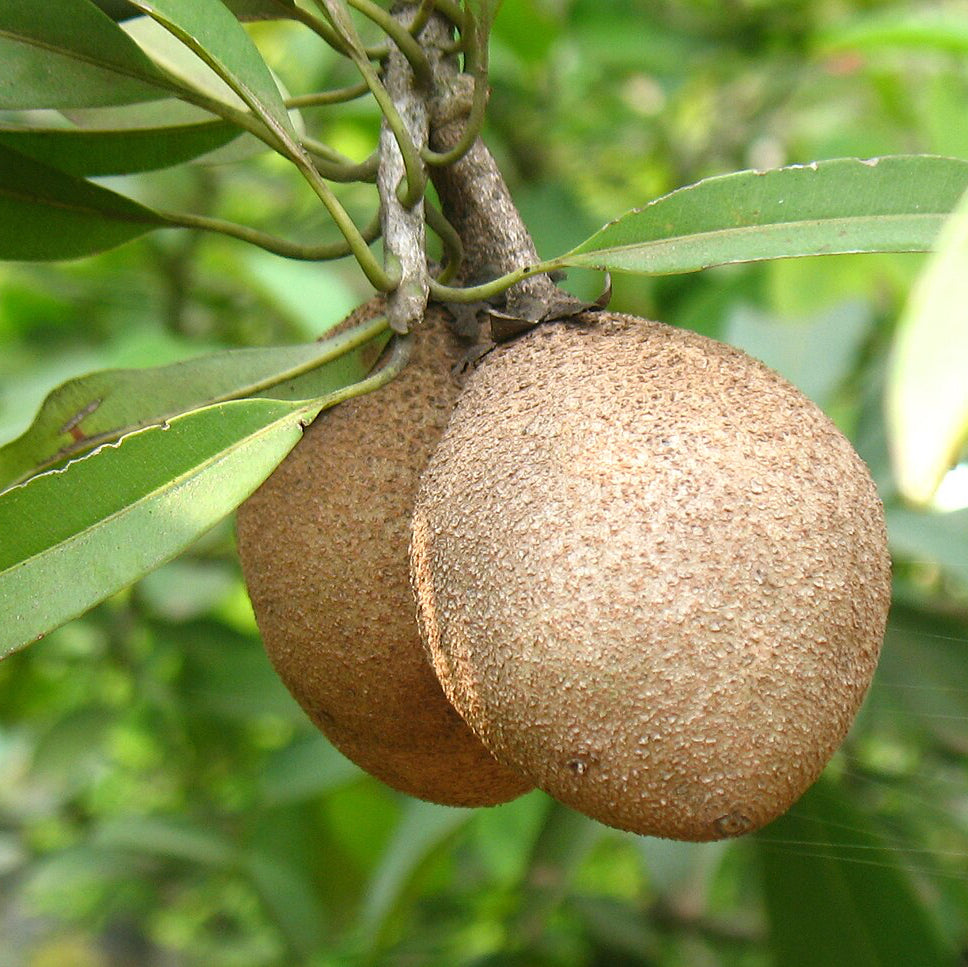
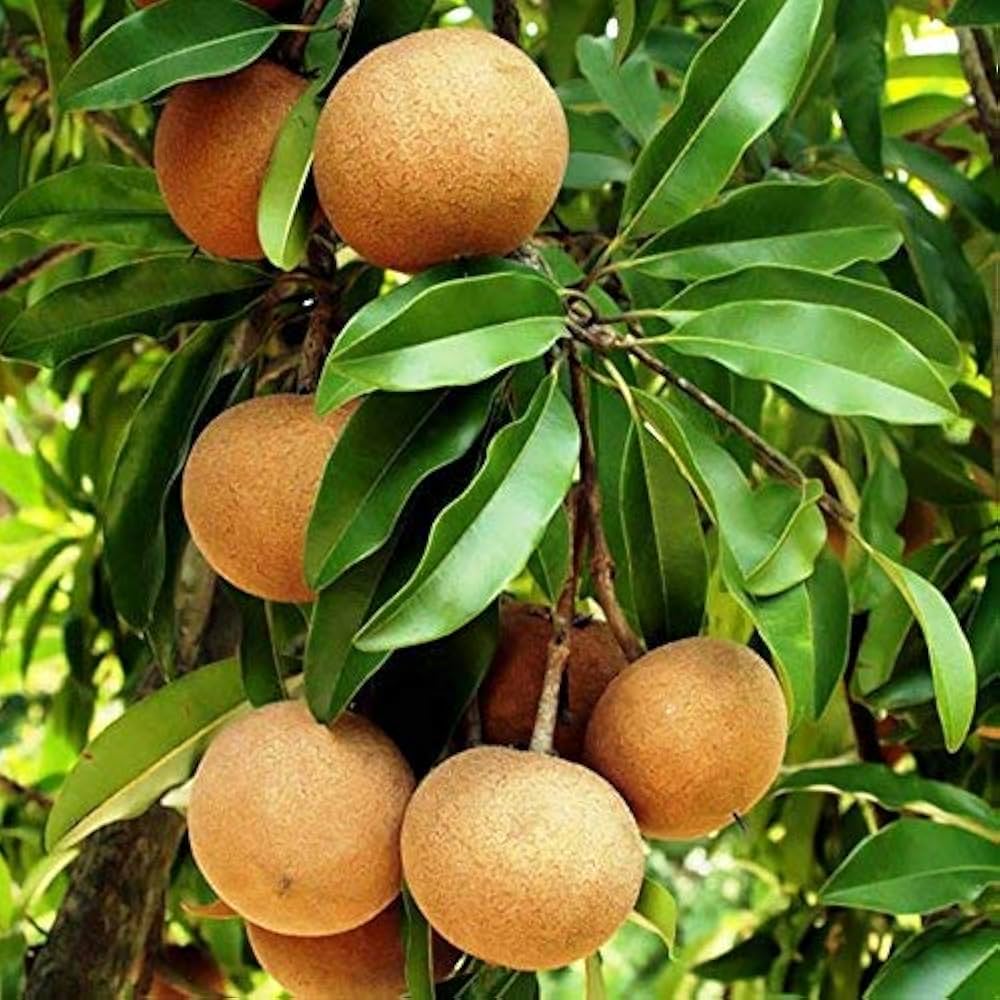
Sapota Seeds grow into evergreen tropical fruit trees known for their sweet, caramel-flavored fruits with soft brown flesh. Commonly called Chikoo or Sapodilla, these trees thrive in warm climates and make a perfect addition to tropical gardens or home orchards.

Sapota Trees are hardy, long-living, and require minimal care once established. Their lush green foliage, fragrant flowers, and productive nature make them both ornamental and fruitful for home gardeners.


Features

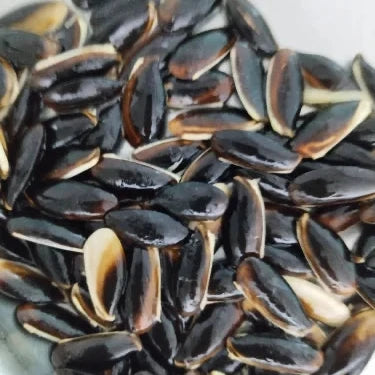
  • Premium quality non-GMO Sapota (Chikoo) seeds
  • Produces sweet, aromatic, brown-fleshed tropical fruits
  • Hardy evergreen tree suited for warm climates
  • Excellent for home gardens, patios, and orchards
  • Drought-tolerant and low-maintenance once established
  • Long-living and high-yielding fruit tree

Specifications

  • Common Name (US): Sapota / Chikoo / Sapodilla (Manilkara zapota)
  • Seed Type: Tropical evergreen fruit tree, open-pollinated, non-GMO
  • Planting Season: Spring to early summer (after frost danger)
  • USDA Hardiness Zones: 9–11
  • Sunlight Requirements: Full sun (6–8 hours daily)
  • Soil Type: Well-drained sandy or loamy soil; pH 6.0–7.5
  • Sowing Method: Soak seeds in warm water for 24 hours before planting; sow 1 inch deep in moist soil
  • Germination Time: 3–6 weeks at 75–90°F
  • Days to Maturity: 4–6 years to first fruit (depending on conditions)
  • Spacing: 12–20 feet between trees
  • Plant Height: 20–40 feet tall (variety-dependent)
  • Watering Needs: Moderate; prefers consistent moisture but not waterlogging
  • Bloom Season: Late spring to early summer
  • Harvest Season: Late fall through winter
  • Yield: High fruit production under warm, sunny conditions
  • Storage Use: Dried seeds can be stored for up to one year before planting