How to Grow Mandragora from Seed: A Complete Guide for Home Gardeners
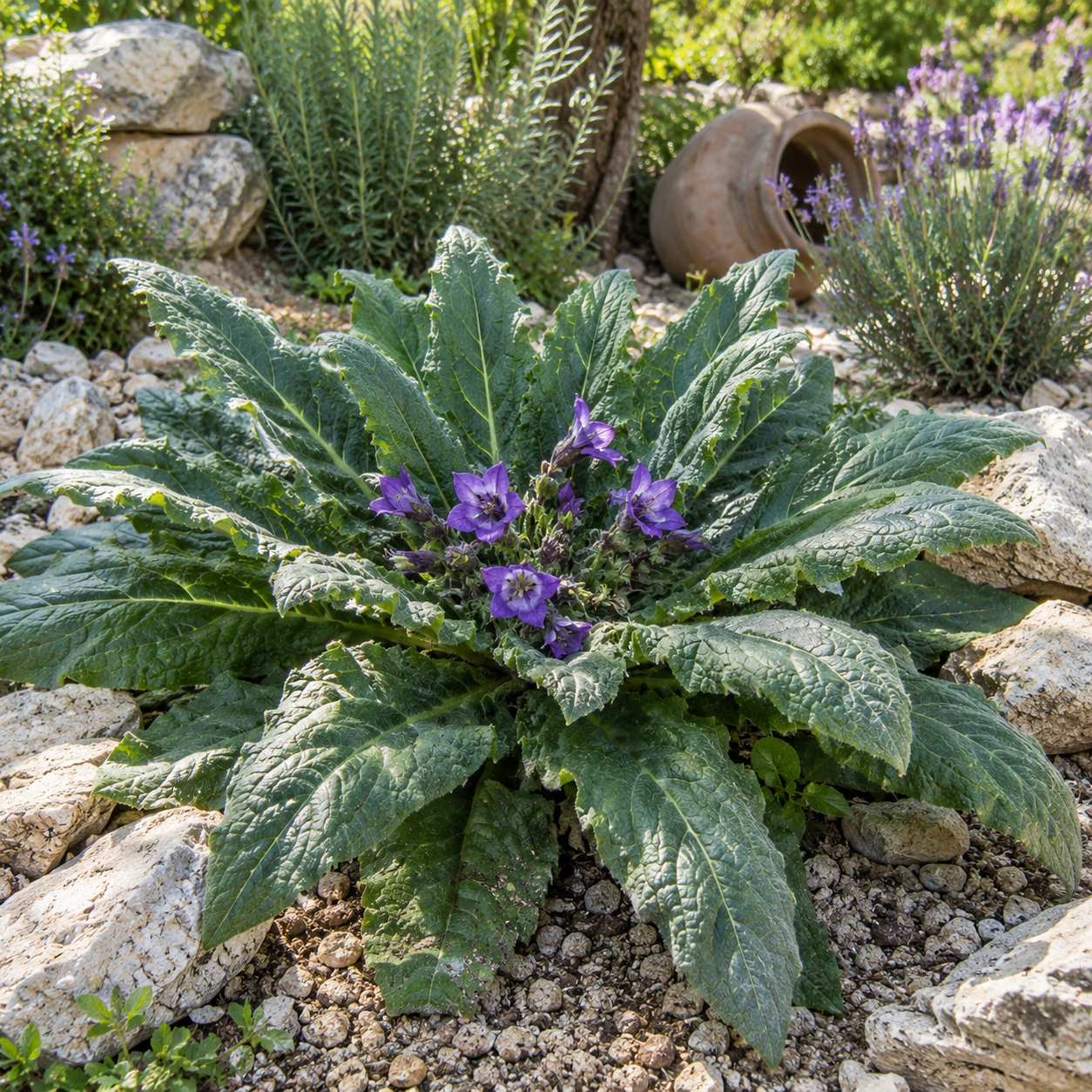
Mandragora, commonly known as the mandrake plant, is a fascinating perennial herb admired for its broad green leaves, unique flowers, and distinctive root structure. Native to parts of the Mediterranean region, it has long been appreciated as an ornamental and botanical curiosity in specialty gardens. Many gardening enthusiasts enjoy Mandragora seeds for adding an uncommon and conversation-worthy plant to their collection.
At EverGrowSeeds.com, gardeners can explore carefully selected seed varieties along with practical growing information to help create diverse and interesting home gardens. Whether you enjoy growing rare plants or expanding your botanical collection, Mandragora, Mandragora seeds, rare herb seeds, home garden plants, grow Mandragora, botanical garden plants, and specialty garden seeds are popular search terms among plant enthusiasts.
Why Grow Mandragora
Growing Mandragora offers an opportunity to cultivate one of the world's most recognizable botanical plants. Its attractive rosette of leaves, seasonal flowers, and unusual growth habit make it a distinctive addition to ornamental landscapes and collector gardens.
Gardeners often choose Mandragora because it:
- Adds a unique appearance to specialty gardens.
- Produces attractive flowers during its growing season.
- Makes an interesting addition to botanical collections.
- Grows well in garden beds with suitable conditions.
- Appeals to gardeners who enjoy cultivating uncommon plant varieties.
When to Plant Mandragora
The ideal planting time for Mandragora seeds depends on your local climate.
- Sow seeds during autumn in regions with mild winters.
- In cooler climates, begin seeds indoors during late winter or early spring before transplanting.
- Soil temperatures between 15°C and 20°C generally support steady germination.
- Germination may take several weeks, and patience is important as seeds naturally develop at their own pace.
Where to Grow Mandragora
Choosing the right location helps Mandragora establish healthy growth.
Suitable growing locations include:
- Garden beds with well-drained soil.
- Rock gardens.
- Botanical gardens.
- Large outdoor containers with drainage holes.
- Sunny to partially shaded locations receiving several hours of natural light daily.
Loose, well-drained soil encourages healthy root development while avoiding excessive moisture around the roots.
How to Grow Mandragora
Follow these steps to establish Mandragora successfully:
- Select a location with loose, well-drained soil.
- Sow seeds approximately 0.5–1 cm deep.
- Space plants about 30–45 cm apart to allow room for growth.
- Gently water after sowing to evenly moisten the soil.
- Continue maintaining consistent soil moisture without allowing standing water.
- Once seedlings emerge, provide adequate airflow around developing plants.
- Allow the plants to mature naturally throughout the growing season.
Since Mandragora develops a substantial root system, avoid disturbing established plants whenever possible.
How to Care for Mandragora
Regular care helps maintain healthy plant growth.
- Water when the top layer of soil begins to dry.
- Allow good air circulation around the plant.
- Remove naturally aging leaves to keep the planting area tidy.
- Maintain consistent moisture during active growth.
- Avoid frequent disturbance after the plant becomes established.
- Monitor seasonal growth and adjust watering according to weather conditions.
Companion Plants for Mandragora
Mandragora pairs well with ornamental plants that enjoy similar growing conditions.
Suitable companion plants include:
- Lavender
- Sage
- Rosemary
- Thyme
- Salvia
- Ornamental grasses
- Rock garden succulents
These companions create attractive planting combinations while sharing similar sunlight and soil preferences.
Harvesting Mandragora
If growing Mandragora as an ornamental specimen, harvesting is generally not necessary, allowing the plant to remain an attractive feature in the garden.
If collecting mature seeds for future planting:
- Allow seed pods to fully mature on the plant.
- Collect seeds once they have naturally dried.
- Store seeds in a cool, dry place until the next planting season.
- Label stored seeds clearly for future reference.
Final Thoughts on Mandragora
Mandragora is an excellent choice for gardeners who enjoy growing distinctive and uncommon plants with ornamental appeal. Its unique appearance and interesting growth habit make it a memorable addition to specialty gardens, rock gardens, and botanical collections.
If you're looking to expand your garden with unique plant varieties, visit EverGrowSeeds.com to explore a wide selection of seeds along with helpful growing guides designed to support gardeners throughout every planting season.