
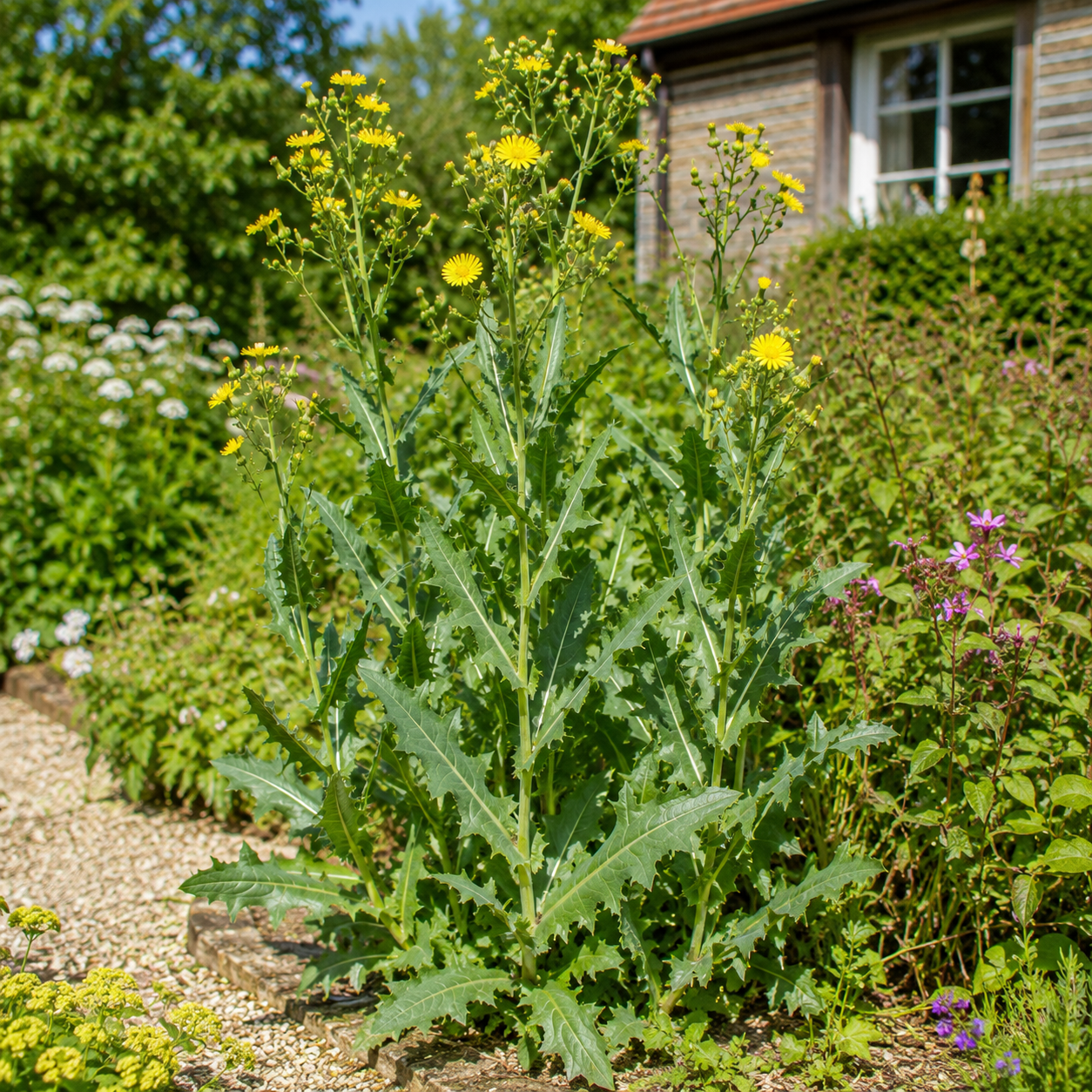
Wild Lettuce (Lactuca virosa): A Complete Guide to Growing Wild Lettuce from Seed
Wild Lettuce (Lactuca virosa) is a distinctive leafy plant valued by gardeners for its tall growth habit, attractive foliage, and botanical interest. Native to parts of Europe and Asia, it has become a fascinating addition to wildlife gardens, natural landscapes, and home growing spaces. Whether you're interested in expanding your collection of unique plants or exploring traditional garden varieties, Wild Lettuce seeds, Lactuca virosa seeds, grow Wild Lettuce, heirloom lettuce seeds, garden seeds, home garden plants, and lettuce growing guide are popular search topics among gardening enthusiasts.
At EverGrowSeeds.com, gardeners can discover carefully selected seed varieties along with practical growing information to help create a thriving garden.
Why Grow Wild Lettuce (Lactuca virosa)?
Growing Wild Lettuce (Lactuca virosa) offers an opportunity to introduce an unusual and visually appealing plant into your garden. Its upright stems, distinctive leaves, and natural appearance make it suitable for cottage gardens, pollinator-friendly landscapes, and educational botanical collections.
Many gardeners choose Wild Lettuce because it:
- Produces tall, attractive growth with unique foliage.
- Adds diversity to herb and wildflower gardens.
- Fits well in naturalized landscapes.
- Can be grown in garden beds or larger outdoor spaces.
- Provides seasonal interest from early growth through flowering.
When to Plant Wild Lettuce (Lactuca virosa)
The ideal planting time depends on your local climate.
- Sow seeds in early spring after the last expected frost.
- In regions with mild winters, seeds may also be sown during autumn.
- Soil temperatures between 60°F and 70°F (16–21°C) generally support reliable germination.
- Germination typically occurs within 10–20 days under suitable growing conditions.
Starting seeds during cooler parts of the growing season encourages healthy establishment.
Where to Grow Wild Lettuce (Lactuca virosa)
Wild Lettuce grows best in locations that receive:
- Full sun to partial shade.
- Well-drained soil with good organic matter.
- Open garden beds with good air circulation.
- Wildlife gardens, cottage gardens, or natural planting areas.
- Spacious borders where mature plants have room to develop.
Avoid locations where water remains standing after rainfall.
How to Grow Wild Lettuce (Lactuca virosa)
Growing Wild Lettuce from seed is straightforward with proper preparation.
- Prepare loose, well-drained soil before sowing.
- Scatter seeds lightly across the soil surface or cover them with only a thin layer of soil.
- Keep the soil evenly moist during germination.
- Once seedlings appear, thin them to approximately 18–24 inches (45–60 cm) apart.
- Continue watering as needed while allowing the soil surface to dry slightly between watering sessions.
- As plants mature, they develop tall flowering stems that become an attractive feature in the garden.
Consistent moisture during the early growth stage helps seedlings establish successfully.
How to Care for Wild Lettuce (Lactuca virosa)
Proper care encourages steady, healthy development throughout the growing season.
- Water regularly during extended dry periods.
- Apply mulch around the base to help maintain even soil moisture.
- Remove nearby competing vegetation by hand if needed to provide adequate growing space.
- Ensure plants receive sufficient sunlight for balanced growth.
- Allow adequate spacing to maintain good airflow between plants.
- Taller plants may benefit from light support in windy locations.
Routine observation and seasonal maintenance help keep plants growing well.
Companion Plants for Wild Lettuce (Lactuca virosa)
Wild Lettuce combines well with many ornamental and native garden plants.
Suitable companion plants include:
- Coneflower
- Black-Eyed Susan
- Yarrow
- Calendula
- Borage
- Chamomile
- Coreopsis
These combinations create diverse, visually appealing planting areas with varied textures and seasonal interest.
Harvesting Wild Lettuce (Lactuca virosa)
Depending on your gardening goals, different parts of the plant can be observed or collected at various growth stages.
- Young leaves develop during early growth.
- Flower stalks appear as the plant matures.
- Seeds can be collected once flower heads become dry and fully mature.
- Store harvested seeds in a cool, dry place for future planting.
Collect seeds on a dry day to help maintain their quality during storage.
Final Thoughts on Wild Lettuce (Lactuca virosa)
Wild Lettuce (Lactuca virosa) is a distinctive addition to gardens that celebrate botanical diversity and natural beauty. Its upright form, interesting foliage, and seasonal flowering make it an engaging plant for gardeners interested in unique species and wildlife-friendly landscapes.
Whether you're creating a cottage garden, expanding a native-style planting, or simply exploring uncommon seed varieties, EverGrowSeeds.com offers quality seed selections and practical gardening resources to help you enjoy every growing season.

%20is%20a%20distinctive%20leafy%20plant%20valued%20by%20gardeners%20for%20its%20tall%20growth%20habit,%20attractive%20foliage,%20and%20botanical%20interest.%20Native%20to%20parts%20of%20Europe%20and%20Asia,%20it%20has%20beco...)